
15 Protein Powerhouses That Beat an Egg

For those seeking alternatives to the traditional egg for their protein needs, a variety of ingredients can offer even more robust nutritional value. These power-packed foods not only provide protein but also deliver unique textures and flavors to dishes. With the guidance of culinary expertise, these ingredients can elevate your meals with their wholesome goodness.
Yogurt: Creamy Protein Punch

Yogurt, particularly the Greek variety, is a versatile protein source. Richly textured and tangy, it contains more protein per serving than a standard egg. Use it as a base for smoothies or as a substitute for cream in sauces to add a creamy consistency and a mild tartness. Opt for plain, unsweetened varieties to control sugar intake and enhance with fresh fruits or herbs for added nutritional benefits.
Almonds: Nutty Nutrition Boost

Almonds provide a substantial protein punch along with healthy fats and fiber. These nuts deliver a satisfying crunch and a subtle sweetness. Toasting almonds can deepen their flavor and enhance their natural oils, ideal for salads, baked goods, or as a crunchy topping. For maximum freshness and flavor, buy whole almonds and grind them into almond butter or use sliced almonds to garnish dishes.
Peanut Butter: Spreadable Strength

Peanut butter is a protein-rich spread that offers creamy indulgence with every bite. It's not just suitable for sandwiches; incorporate it into sauces or smoothies for a velvety texture. Choose natural, minimally processed options to avoid added sugars and hydrogenated oils. Balancing it with savory elements like soy sauce or lime juice can transform it into a flavorful dressing or dip.
Quinoa: The Ancient Grain Gains
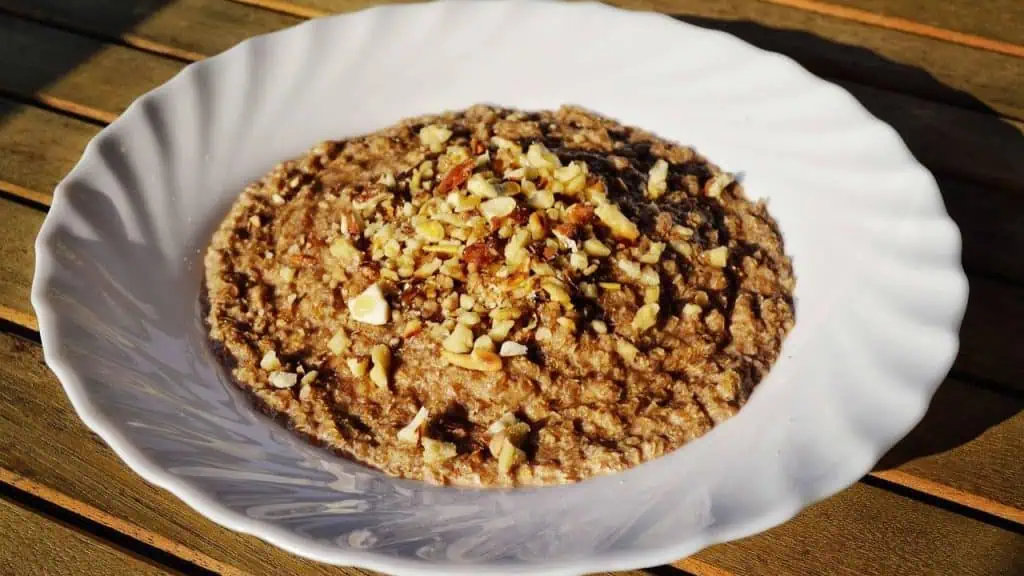
Quinoa is a complete protein, containing all nine essential amino acids. Its slightly nutty flavor and fluffy texture make it a versatile base for salads or bowls. Rinse thoroughly before cooking to remove its natural bitterness, then simmer until tender. Its absorbent quality makes it excellent for soaking up dressings or broths, enhancing both flavor and nutritional content.
Greek Yogurt: Thicker, Bigger Protein

Greek yogurt stands out for its impressive protein content, boasting nearly double that of standard yogurt. Its thick consistency results from straining, which removes whey and ups the protein density. Use it as a base for smoothies, a substitute for sour cream, or combined with honey and fresh berries for a nutritious snack. Opt for plain varieties to avoid added sugars. Whether incorporated into marinades or blended into dips, its creaminess and tang enhance both sweet and savory dishes.
Chia Seeds: Tiny but Mighty Power
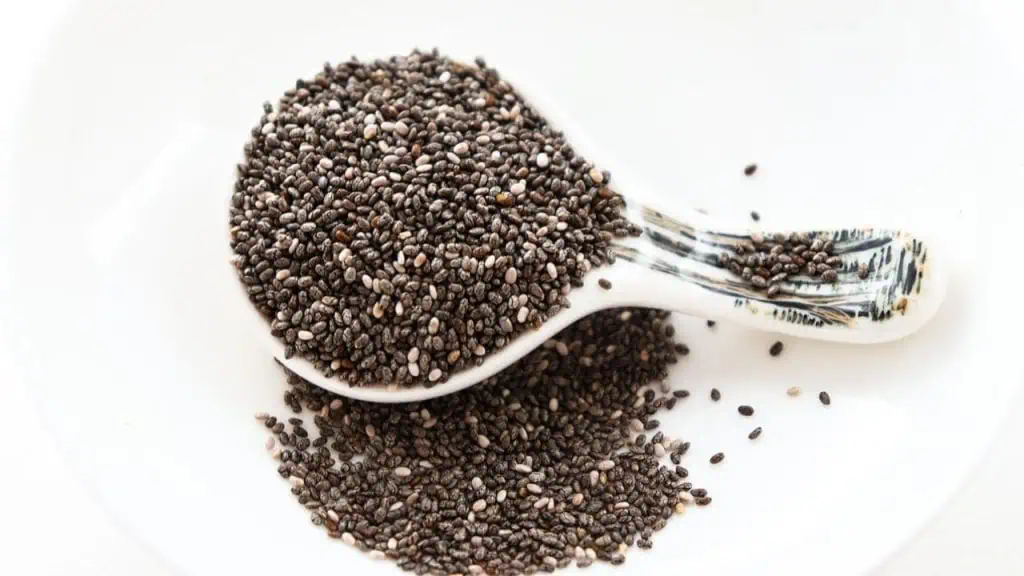
Chia seeds pack a punch with their remarkable protein and fiber content. These petite seeds expand when soaked, forming a gel-like texture perfect for puddings or smoothies. Incorporate them into oatmeal or sprinkle onto salads to enjoy their subtle crunch and nutritional benefits. Given their high omega-3 fatty acid content, chia seeds contribute to heart health while offering a plant-based protein boost. Hydrate them before use to maximize their digestive benefits and incorporate them smoothly into recipes.
Lentils: Leguminous Protein Heroes

Lentils are a staple for plant-based proteins, providing a hearty texture that complements a variety of dishes. Their earthy flavor works well in soups, salads, and stews. Pre-soak or rinse before cooking to reduce cooking time and improve digestibility. Lentils pair beautifully with spices like cumin and coriander, enriching their taste profile. With a variety of colors such as green, brown, and red, each type offers a slightly different texture, allowing for diversity in culinary applications.
Cottage Cheese: Curds of Protein
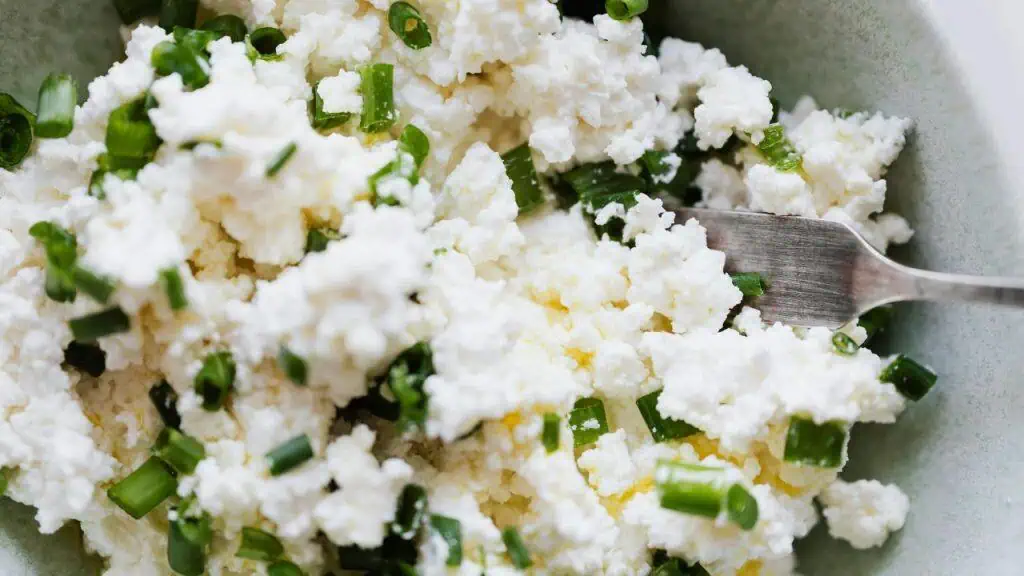
Cottage cheese offers a soft, creamy texture and is rich in protein, making it a versatile ingredient. Its mild flavor makes it suitable for both sweet and savory dishes—try it in pancakes for breakfast or add it to a salad for lunch. Look for low-sodium options if you're monitoring salt intake. Cottage cheese can be blended for a smoother consistency, used in baked dishes, or topped with fruit for a nourishing snack. Its adaptability is key in elevating both everyday and gourmet meals.
Seitan: The Wheat Meat Marvel

Seitan, derived from wheat gluten, is a robust protein source for those seeking alternatives to animal products. Its meat-like texture makes it an excellent component in stir-fries, sandwiches, or grills. Marinate it thoroughly to enhance its flavor, as seitan absorbs seasonings exceptionally well. When cooked, it maintains a chewy consistency, satisfying when paired with bold sauces or spices. Being primarily gluten, it’s unsuitable for those with wheat allergies, but for others, it’s a protein-dense, savory substitute.
Spirulina: A Green Protein Wonder

Spirulina offers a striking nutrient density, providing a remarkable source of plant-based protein. This vibrant blue-green algae is not only protein-rich, but also boasts a slew of vitamins and minerals. Integrate it into smoothies or juices for a boost of natural energy. Its slightly earthy flavor pairs well with citrus and tropical fruits, enhancing their sweetness while providing depth. A teaspoon of spirulina is all you need to elevate your daily protein intake without adding excessive volume to your meals.
Edamame: Snack on Complete Protein

Edamame delivers a convenient and flavorful source of complete protein. These young soybeans, often boiled or steamed, retain their natural tenderness and vibrant green hue. They are easily seasoned with sea salt or your spice of choice, turning them into an irresistible snack or appetizer. Additionally, shelled edamame can be tossed into salads or stir-fries for a light, substantial boost of protein, complementing the dish with its nutty undertones and soft texture. Cooking the beans until just tender ensures optimal taste and nutritional retention.
Pumpkin Seeds: Crunchy Protein Bites

Pumpkin seeds, often overlooked, pack an impressive protein punch. Toast them lightly in the oven or on a stovetop to enhance their natural nutty flavor, and sprinkle over salads or soups for an added crunch. The seeds are versatile, easily incorporated into your diet by grinding them into grain bowls or incorporating in baking. Rich in magnesium and zinc, their subtle, earthy notes add a delightful layer to both sweet and savory dishes. When properly seasoned, they transform from humble seeds to tasty, protein-rich morsels.
Hemp Seeds: The Plant Powerhouse

Hemp seeds stand out for their near-perfect balance of omega-3 and omega-6 fatty acids, alongside a respectable protein content. These small, soft seeds offer a mild, nutty flavor that effortlessly blends with both sweet and savory dishes. Use them as a topping for yogurt, oatmeal, or salads, or blend into smoothies for a creamy texture. Their versatility also extends to baking, where they can be mixed into doughs or batters. Their nutritional profile is complemented by a pleasant crunch and satisfying richness.
Tempeh: Fermented Soy Goodness

Tempeh provides one of the richest sources of protein among plant-based selections. This fermented soy product is known for its firm texture and slightly nutty taste, which can absorb marinades well, offering a perfect base for robust flavors. It can be sliced and fried until crisp, crumbled into sauces, or grilled for a smoky touch. The fermentation process not only enhances its digestibility but also introduces beneficial probiotics. Tempeh serves as a substantial protein source, fitting seamlessly into various culinary applications from Indonesian cuisine to modern plant-based dishes.
Black Beans: Versatile Protein Chunks

Black beans are a nutritional powerhouse, delivering ample protein and fiber that surpasses what's found in a single egg. Their mild, earthy flavor and creamy texture make them an excellent addition to various dishes. To maximize their potential, soak dried black beans overnight, then simmer with garlic, bay leaves, and a pinch of salt until tender. This method enhances their flavor and digestibility. Use them in salads, stews, or tacos, allowing the beans to absorb sauces and spices beautifully. Properly prepared, black beans provide a hearty, satisfying base for numerous meals.


