
The Anti-Inflammatory Spice Cabinet: 15 Essentials for Everyday Cooking

Incorporating anti-inflammatory spices into your daily meals is a flavorful way to boost health. Spices not only enhance the taste but also contribute significant health benefits. This guide highlights 15 essential spices, focusing on those that are particularly effective against inflammation. Each section provides insights into spice benefits, usage tips, and culinary applications, empowering you to seamlessly elevate your cooking with these powerful ingredients.
Turmeric: Golden Health Booster
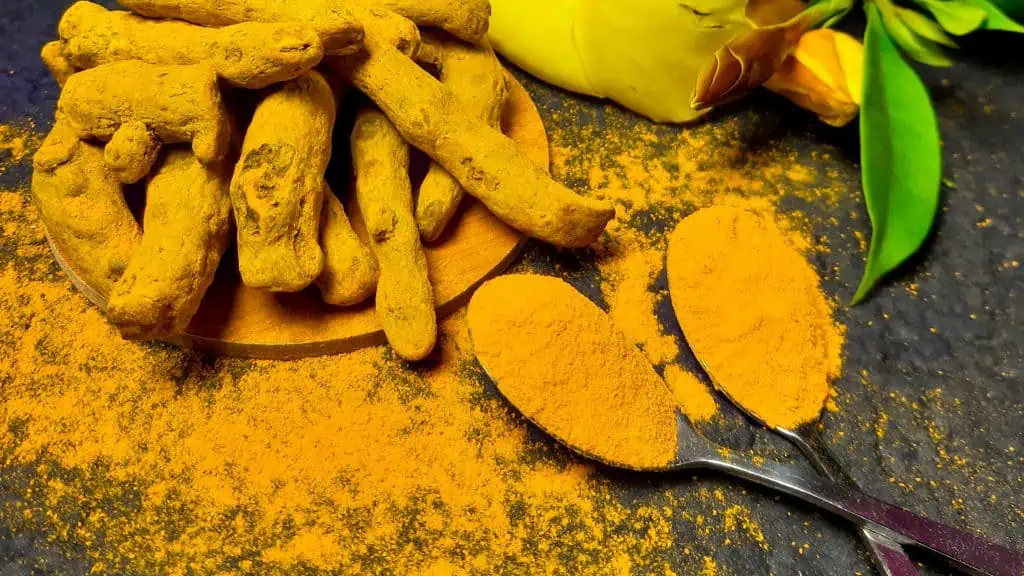
Turmeric is renowned for its vibrant yellow hue and medicinal properties, largely due to the compound curcumin. Incorporate it into dishes by adding a teaspoon to soups, stews, or rice pilafs. To enhance absorption, pair turmeric with a pinch of black pepper and a fat source, like olive oil or coconut milk. Its earthy flavor complements root vegetables, or try it in a classic curry blend. Regular use can reduce inflammation and improve joint health.
Ginger: The Zestful Healer
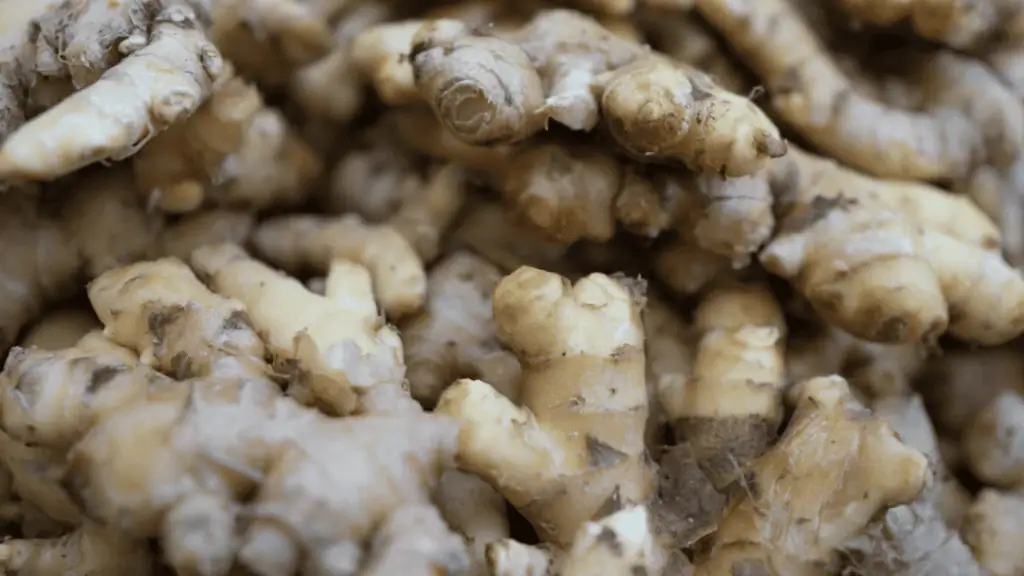
Ginger's tangy, peppery notes make it a versatile addition to both savory and sweet dishes. Known for its powerful anti-inflammatory and digestive benefits, it's best used fresh for maximum potency. Grate it into stir-fries, soups, or marinades, or brew it into a soothing tea. Ginger pairs well with carrots and coconut milk for a warming soup, and its distinctive flavor enhances baked goods like ginger cookies or spiced cakes.
Cinnamon: Sweet and Potent

Cinnamon offers a sweet, warming flavor profile that suits both savory and sweet applications. Its anti-inflammatory effects are particularly beneficial for metabolic health. Add a dash to oatmeal, smoothies, or sprinkle over roasted squash. The real magic happens with savory dishes like Moroccan tagines or spiced lamb. Choose Ceylon cinnamon for a subtler, smoother flavor. Its fragrant aroma and health benefits make it an indispensable kitchen staple.
Black Pepper: Nature's Bioenhancer
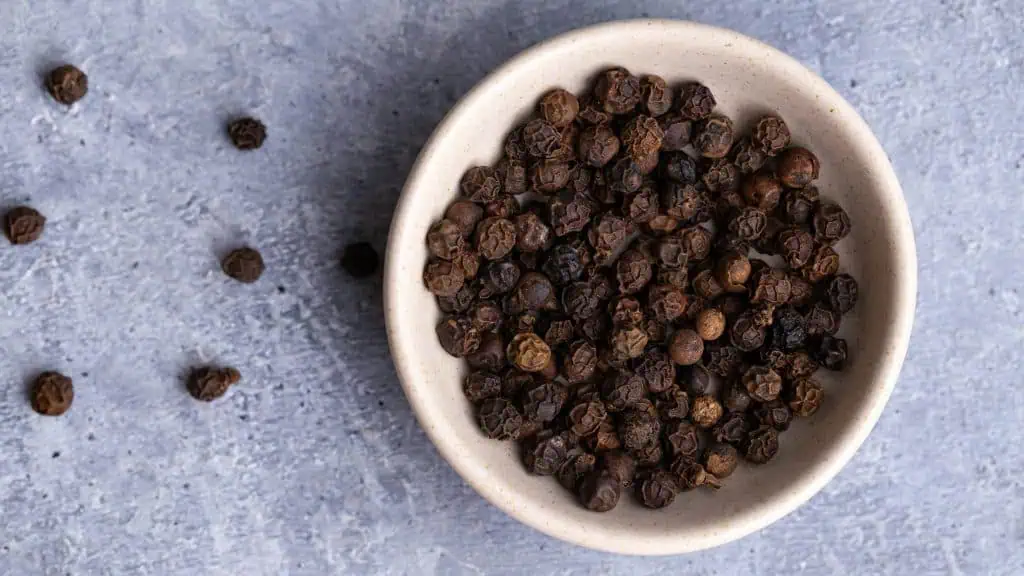
Black pepper is more than a basic seasoning; it enhances the bioavailability of other anti-inflammatory spices like turmeric. Add freshly ground pepper at the end of cooking to preserve its volatile oils and robust flavor. Use it to season meats, eggs, or vegetables, and in salad dressings or marinades for an extra kick. The sharp, pungent quality of black pepper invigorates dishes, making it indispensable for balancing flavors while boosting health.
Garlic: Pungent Powerhouse

Garlic stands as a cornerstone in anti-inflammatory cooking, bringing both flavor and health benefits to the table. Its powerful compounds, such as allicin, are key to reducing inflammation. For maximum potency, finely chop or crush the garlic and let it sit for a few minutes before cooking; this triggers helpful enzymatic reactions. Sauté gently over medium heat to release its aroma without burning, ensuring a rich base for any dish. Adding garlic toward the end of cooking preserves its properties, enhancing both taste and therapeutic benefits.
Cloves: Aromatic Anti-Inflammatory
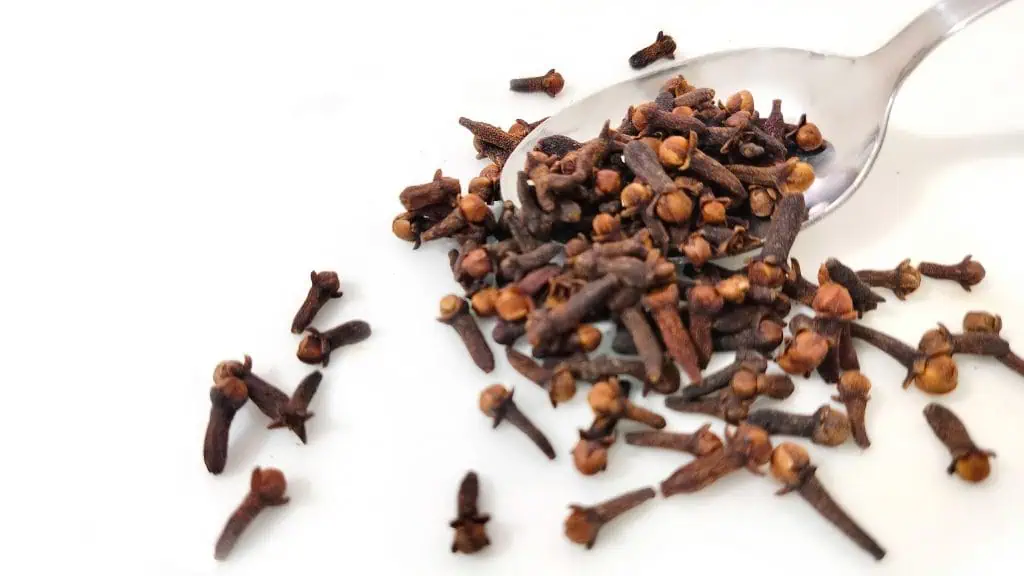
Cloves are small but potent, offering a warm, sweet aroma and significant anti-inflammatory effects. Eugenol, their primary active compound, helps reduce swelling and irritation. Grinding whole cloves just before use can unlock their full potential in dishes. Infuse oil with cloves for a flavorful base or simmer them in stews and soups for nuanced layers of taste. Their versatility extends to both sweet and savory concoctions, making each dish more robust and healthful.
Saffron: Luxurious Healing Threads

Saffron, known for its vivid hue, imparts an unmistakable aroma and anti-inflammatory benefits. Its key ingredients, crocin and safranal, contribute to its healing power. A little goes a long way; steep a few strands in warm water or broth to draw out their essence before adding to your dish. Particularly elevated in rice, paellas, and broths, saffron adds depth and warmth without overpowering. Handle with care to preserve its delicate nature and savor its luxurious fragrance.
Cayenne Pepper: Spicy Relief
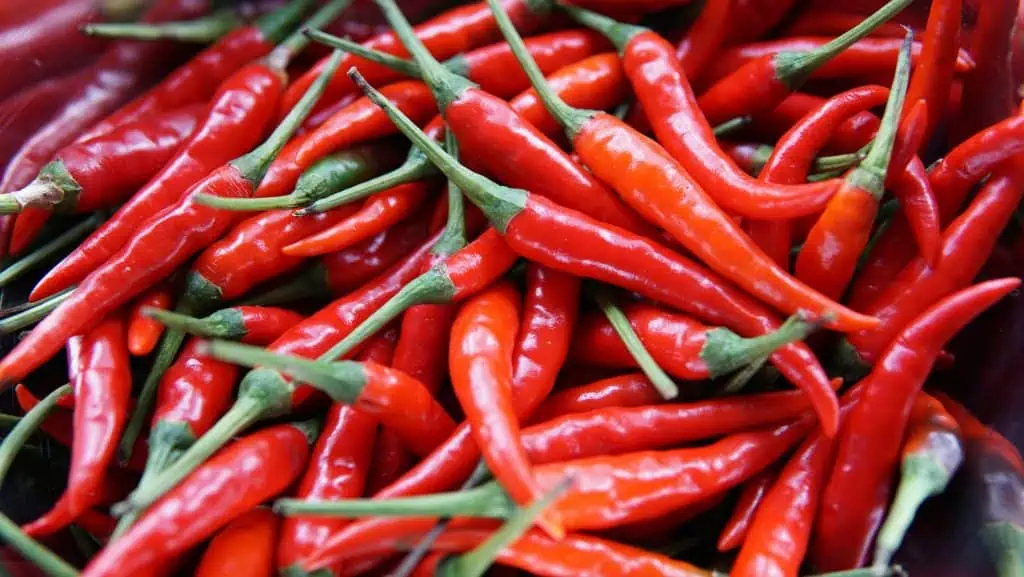
Cayenne pepper is a fiery spice that packs capsaicin, an active compound renowned for its ability to alleviate inflammation. Its heat can be adjusted according to taste, enhancing dishes from stews to stir-fries. To evenly distribute its intense flavor, incorporate cayenne early in the cooking process, allowing it to meld with other spices. A hint of this pepper lifts dishes with warmth, complexity, and healthful dynamism, promoting circulation and relieving discomfort.
Cardamom: Fragrant Anti-Inflammatory
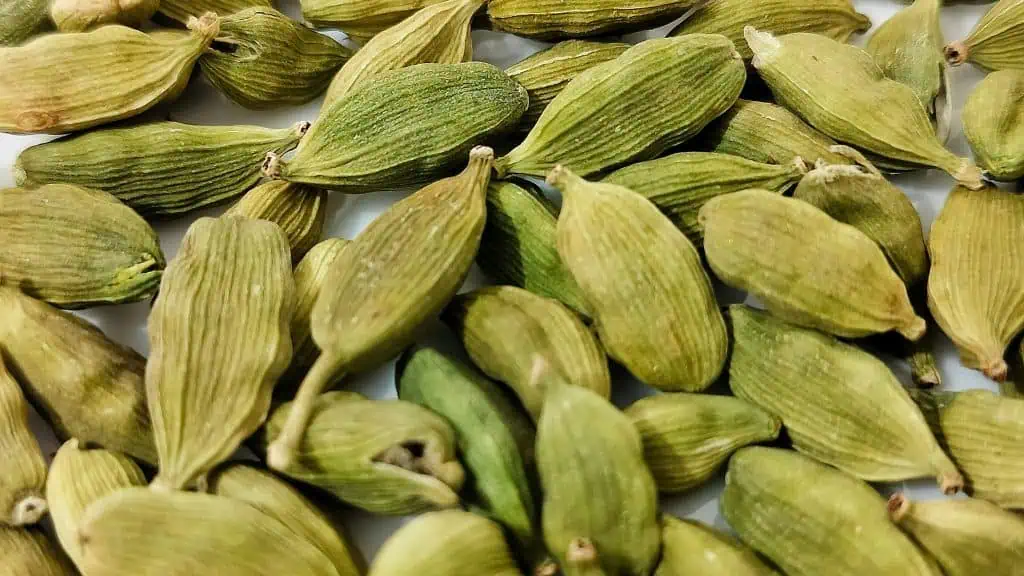
Cardamom, with its aromatic complexity, offers anti-inflammatory benefits through compounds like cineole and limonene. It fares well in both sweet and savory platforms; simply crush the pods to release their seeds, brewing in teas or grinding for full flavor in curries and desserts. Adding cardamom at the start of cooking allows its essence to infuse deeply, enhancing the dish's overall profile. Its citrusy, floral undertones provide not only a sensory delight but also comforting relief.
Rosemary: Pine-Scented Protector

Rosemary, with its pine needle-like leaves, imparts a robust flavor that can elevate simple dishes. Its anti-inflammatory properties are particularly beneficial in dishes where you want to enhance health without sacrificing taste. Use fresh rosemary sprigs to season roasted vegetables, or infuse olive oil with fresh leaves for a fragrant dressing. When cooking, strip the leaves from the woody stems and chop finely to release their aromatic oils; this ensures even distribution of flavor. Its compatibility with meats, especially lamb and chicken, offers versatility.
Thyme: Herbal Guardian

Thyme brings a subtle, earthy aroma that blends effortlessly into a wide range of dishes. Its small leaves pack potent anti-inflammatory benefits, making it a staple for health-conscious kitchens. Integrate thyme into soups and stews, where its flavor deepens as it simmers. For maximum impact, add fresh thyme towards the end of cooking. Strip the leaves by pinching the stem base and pulling upwards. This herb pairs beautifully with lemon and garlic, enhancing the flavor profiles of poultry and fish.
Basil: Fresh Protective Leaves

Basil’s sweet, peppery notes offer a bright flavor and powerful anti-inflammatory properties. Use fresh basil leaves to finish dishes, adding them just before serving to preserve their vibrant taste. For a classic pesto, combine basil with pine nuts, garlic, Parmesan cheese, and a good olive oil. The herb's synergy with tomatoes is well-documented; try layering basil leaves with sliced tomatoes and mozzarella for a Caprese salad. Crushing the leaves gently before use releases essential oils, maximizing flavor infusion.
Oregano: Potent Herbal Ally

Oregano delivers a robust, peppery bite with significant anti-inflammatory effects, ideal for Mediterranean dishes. Drying enhances its flavor, making dried oregano a powerful seasoning for slow-cooked sauces and grilled meats. Crumble dried oregano between your fingers to break it down and activate its aromatic compounds. Use it to season Greek salads, where its boldness can withstand strong vinaigrettes. Fresh oregano pairs beautifully with lemon and olive oil, perfect for marinades and salad dressings.
Cumin: Earthy Immunity Enhancer
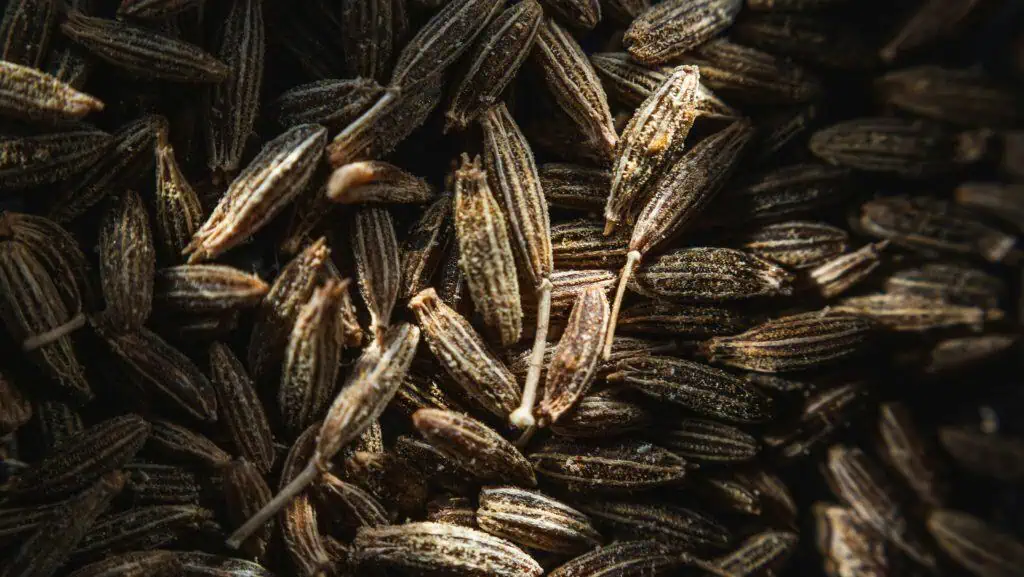
Cumin introduces a warm, nutty essence to dishes, with seeds and powder both versatile for enhancing culinary depth. Its strong anti-inflammatory properties are best released during cooking. Toast whole cumin seeds briefly in a dry pan to unlock their essential oils before grinding. This technique enriches the flavor of curries, stews, and chili. When using ground cumin, add it early in cooking to blend seamlessly into sauces or use as a rub for roasting meats. It complements legumes exceptionally well, enhancing their earthiness.
Fennel: Sweet Relief Spice
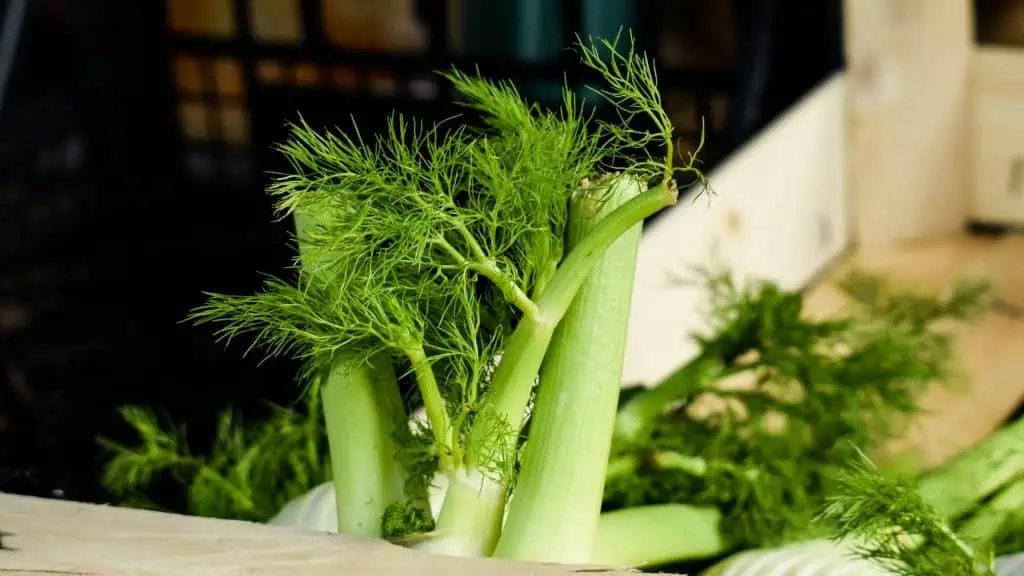
Fennel seeds offer a sweet, anise-like flavor profile that complements a variety of dishes, enhancing both taste and health. When you lightly toast these seeds, their essential oils release, intensifying their natural sweetness and subtly nutty aroma. Integrating ground fennel into spice blends or marinades brings depth and an anti-inflammatory benefit to your meals. For a refreshing twist, try adding whole fennel seeds to a homemade spice rub for poultry or pork, allowing the seeds to infuse the meat with their gentle, soothing essence during cooking.


