
15 Dishes That Were Everywhere in the ’70s, ’80s, and ’90s and Have Completely Vanished Today

From home kitchens to chain restaurants, the ’70s, ’80s, and ’90s were defined by convenience-driven cooking and visual impact. Canned ingredients, frozen meals, and rich sauces dominated everyday eating. Over time, health awareness, changing tastes, and new global influences pushed many of these dishes out of favor. What once felt comforting and modern now feels heavy, impractical, or outdated. These dishes weren’t rare or regional; they were everywhere. Today, most have nearly vanished, surviving mainly in old cookbooks, memories, and nostalgia-driven conversations.
Tuna Noodle Casserole
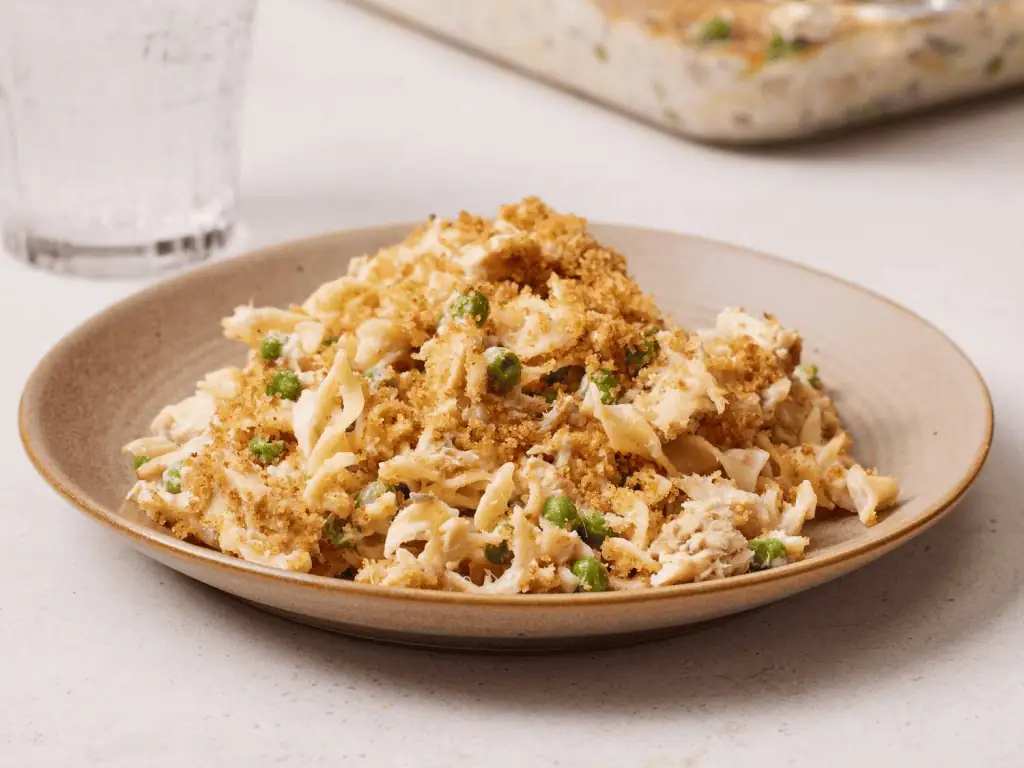
Tuna noodle casserole was a weeknight staple built from canned tuna, egg noodles, and condensed soup. It represented affordability and efficiency during decades when pantry cooking ruled. Families relied on it for quick, filling meals. As tastes shifted away from canned proteins and cream-heavy sauces, the dish began to feel dense and dated. Modern kitchens favor lighter textures and fresher ingredients, leaving tuna noodle casserole largely absent from regular meal rotations despite its former ubiquity.
Salisbury Steak TV Dinners
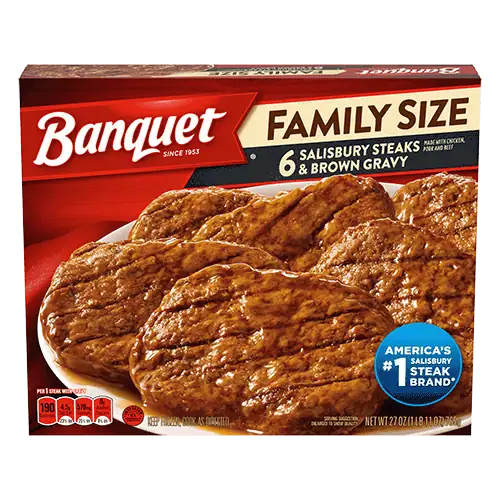
Salisbury steak became iconic through frozen TV dinners, paired with gravy, mashed potatoes, and vegetables in compartmental trays. It symbolized the height of convenience eating in the ’70s and ’80s. Over time, evolving frozen food expectations and global flavors made this gravy-heavy dish feel uninspired. Consumers moved toward fresher, more diverse options, and Salisbury steak quietly disappeared from freezers and menus that once relied on it heavily.
Jell-O Salad Molds

Gelatin salad molds filled with fruit, vegetables, or whipped toppings were party essentials. Their bright colors and sculpted shapes signaled effort and celebration. Over time, the sweet-savory texture combination fell out of favor. As fresh produce, lighter desserts, and simpler presentations became preferred, gelatin molds began to feel artificial and unappetizing. Today, they’re rarely seen outside vintage cookbooks or nostalgia-themed gatherings.
Chicken à la King
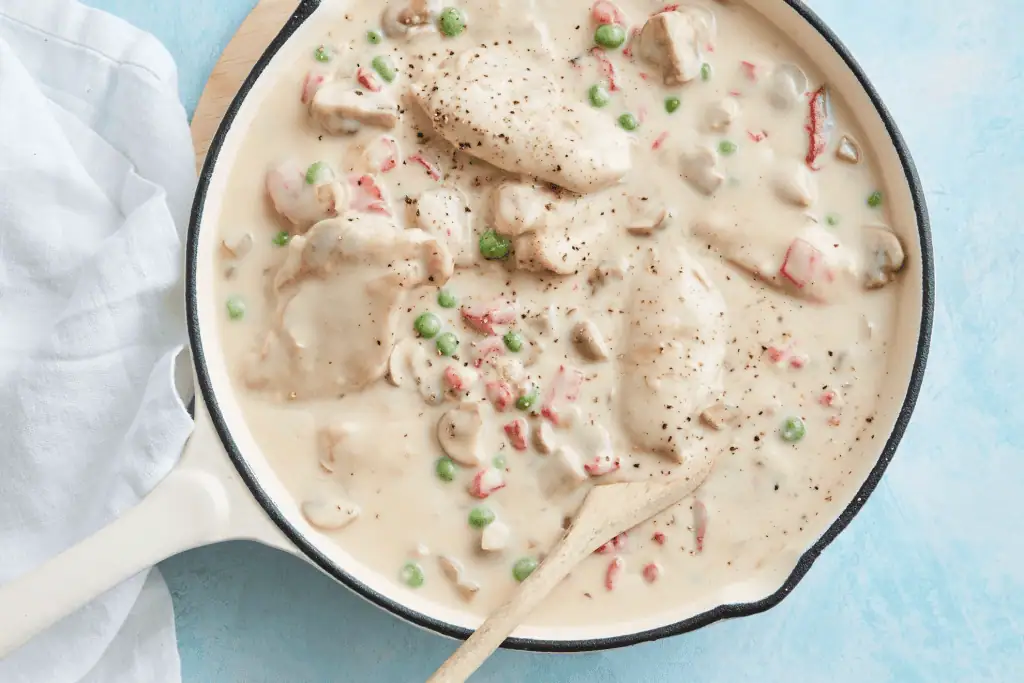
Chicken à la King is a dish consisting of diced chicken, mushrooms, peppers, and a creamy sauce, served over toast or rice. Once considered elegant, it appeared frequently in restaurants and homes. Its reliance on rich sauces and mild seasoning eventually felt heavy and bland compared to newer global dishes. As dining trends shifted toward lighter, more flavorful meals, Chicken à la King faded almost completely from modern menus.
Baked Alaska

Baked Alaska was a dramatic dessert made of cake and ice cream covered in toasted meringue. It was a showstopper during the mid-century and remained popular into the ’70s. Over time, its labor-intensive preparation and theatrical presentation made it impractical. Restaurants moved toward simpler desserts, and home cooks avoided the risk involved. What was once a celebration staple became a rare novelty.
Sloppy Joes

Sloppy Joes were a lunchtime and cafeteria favorite, prized for affordability and bold sweetness. Ground beef simmered in sauce became synonymous with casual American eating. As awareness around sugar-heavy sauces and processed meals grew, the dish lost popularity. Today, Sloppy Joes are rarely served outside of nostalgic settings, replaced by fresher, less messy alternatives that better fit modern eating habits.
Veal Parmesan
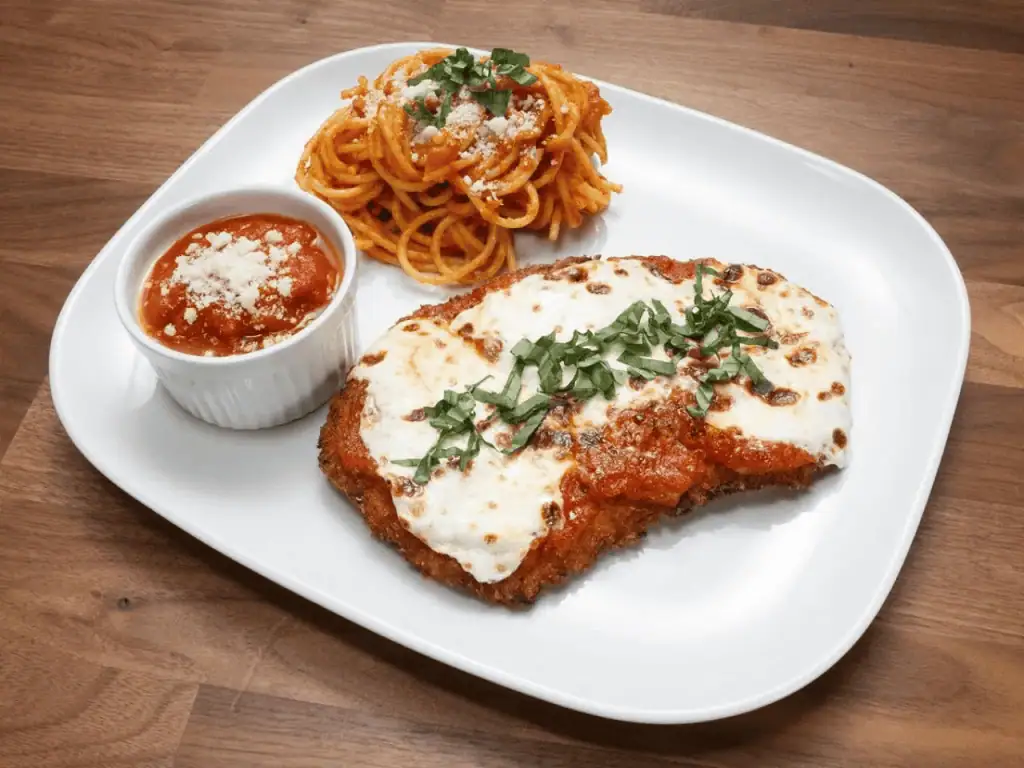
Veal Parmesan was once a common Italian-American restaurant dish, viewed as upscale but familiar. Over time, ethical concerns surrounding veal production caused many diners to avoid it. Chicken Parmesan gradually replaced it, and veal disappeared from everyday menus. What was once standard fare is now niche, rarely encountered outside traditional or specialty restaurants.
Liver and Onions
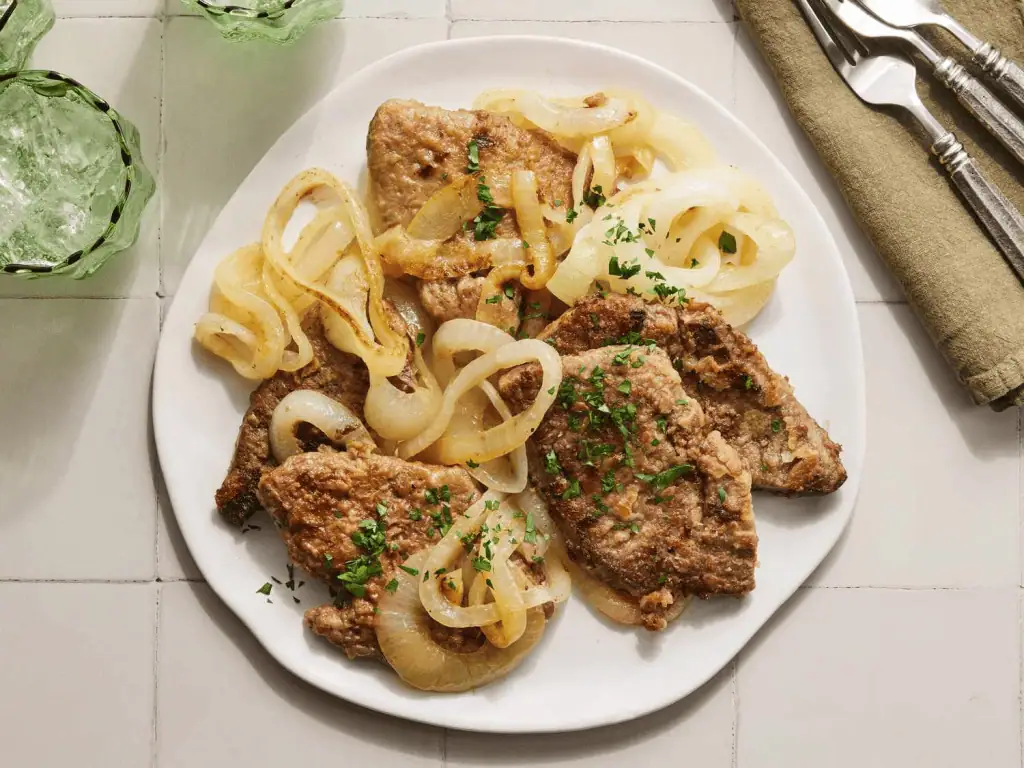
Liver and onions was once a regular feature in diners, cafeterias, and home kitchens, praised for being affordable and nutrient-dense. Strong flavor and soft texture were accepted as part of everyday eating. Over time, changing taste preferences and growing discomfort with organ meats pushed the dish out of favor. As protein options expanded and milder flavors became preferred, liver and onions disappeared from most menus, now remembered more as a test of endurance than a comfort meal.
Chipped Beef on Toast
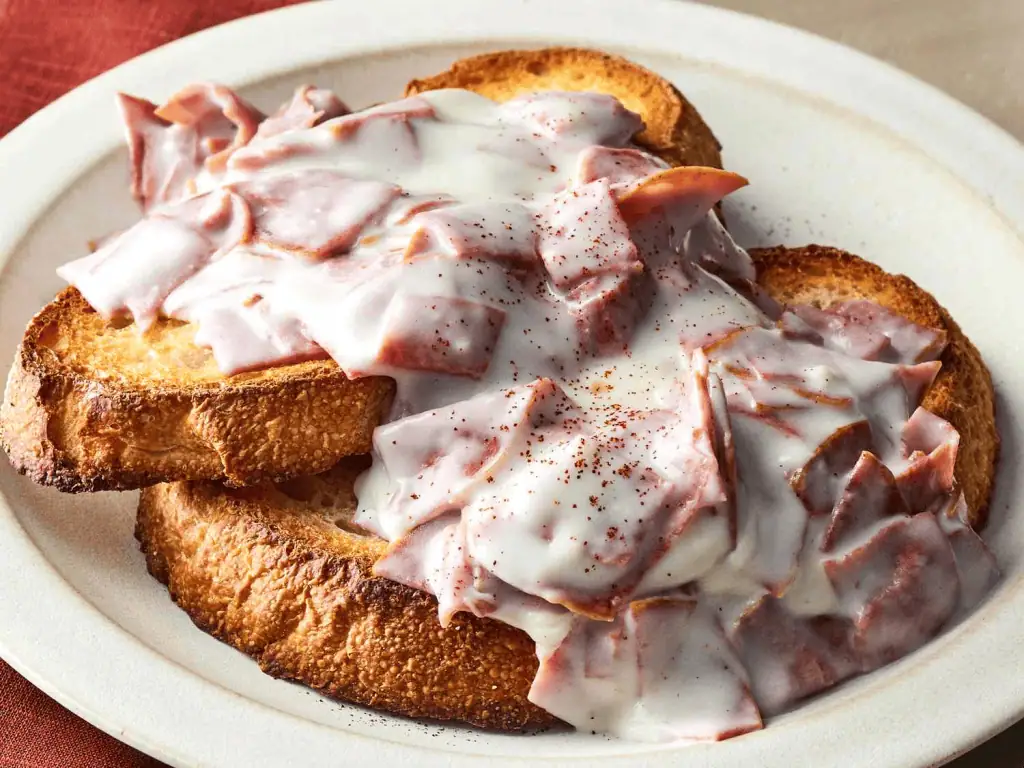
Often nicknamed “SOS,” chipped beef on toast was a common breakfast and budget meal made from dried beef in a creamy sauce. It was filling, salty, and practical for feeding families cheaply. As sodium awareness increased and breakfast habits shifted toward lighter options, the dish lost appeal. Its heavy texture and processed base feel outdated today, leaving it largely absent from modern dining except in nostalgic references.
Stuffed Bell Peppers (Ground Beef Style)
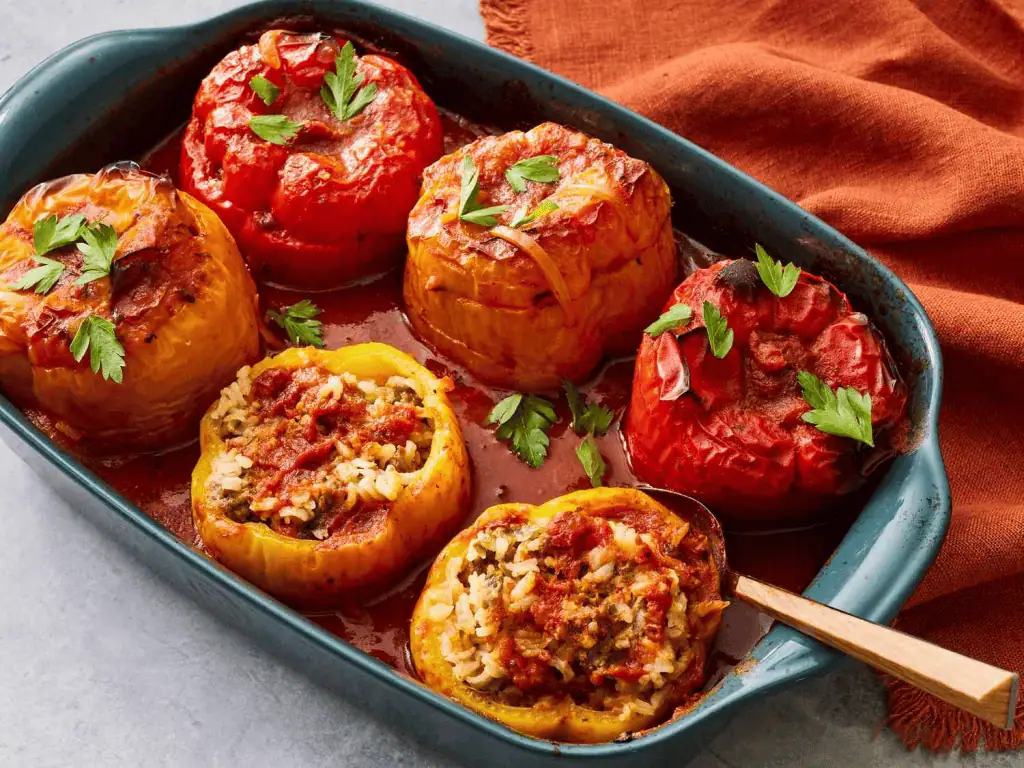
Classic stuffed bell peppers filled with ground beef, rice, and tomato sauce were once a dependable home-cooked dinner. They required long baking times and resulted in dense, hearty portions. As weeknight cooking moved toward faster and more flexible meals, this dish began to feel impractical. Modern versions are rare, and the traditional beef-heavy style has mostly vanished from regular family menus.
Ham and Pineapple Rings
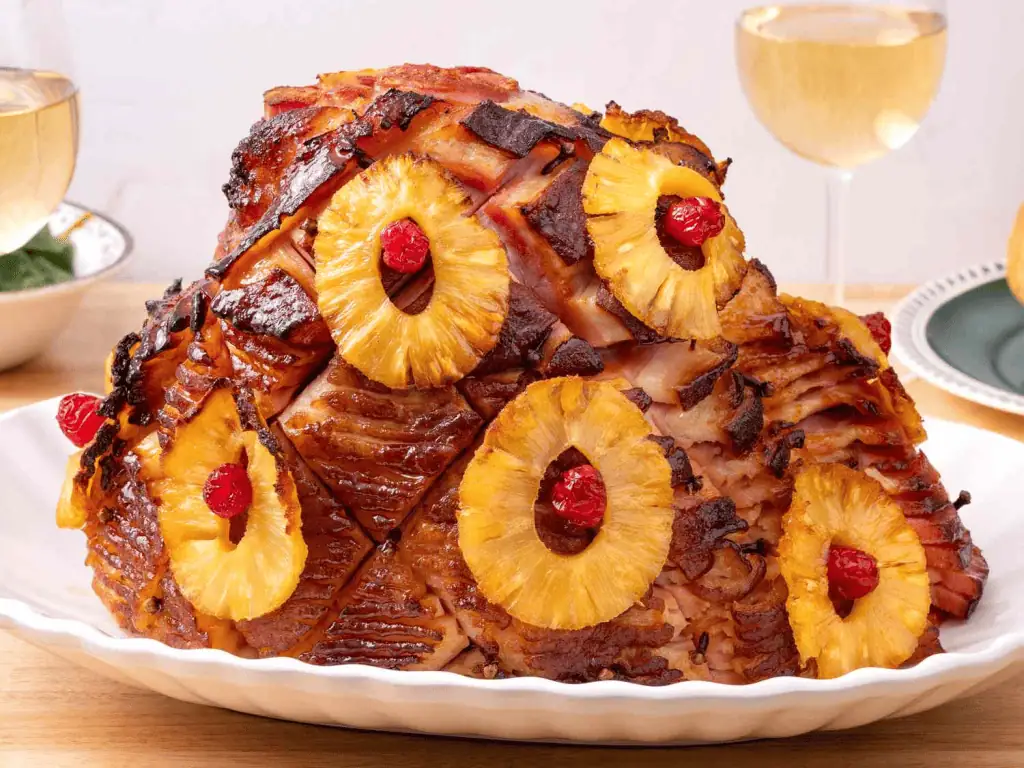
Ham topped with canned pineapple rings was the centerpiece of festive dinners in the ’70s and ’80s. The sweet-savory pairing symbolized celebration and abundance. Over time, the combination began to feel overly sweet and visually dated. As flavor trends shifted toward balance and freshness, this once-popular presentation disappeared from both home cooking and restaurant menus.
Aspic-Coated Meats

Aspic-coated meats involved suspending cooked meat and vegetables in savory gelatin. Once seen as refined and modern, these dishes emphasized presentation and preservation. As textures and visuals fell out of favor, aspic became unappealing to contemporary diners. Today, aspic dishes are almost entirely absent outside of culinary history discussions and vintage recipe collections.
Chicken Divan
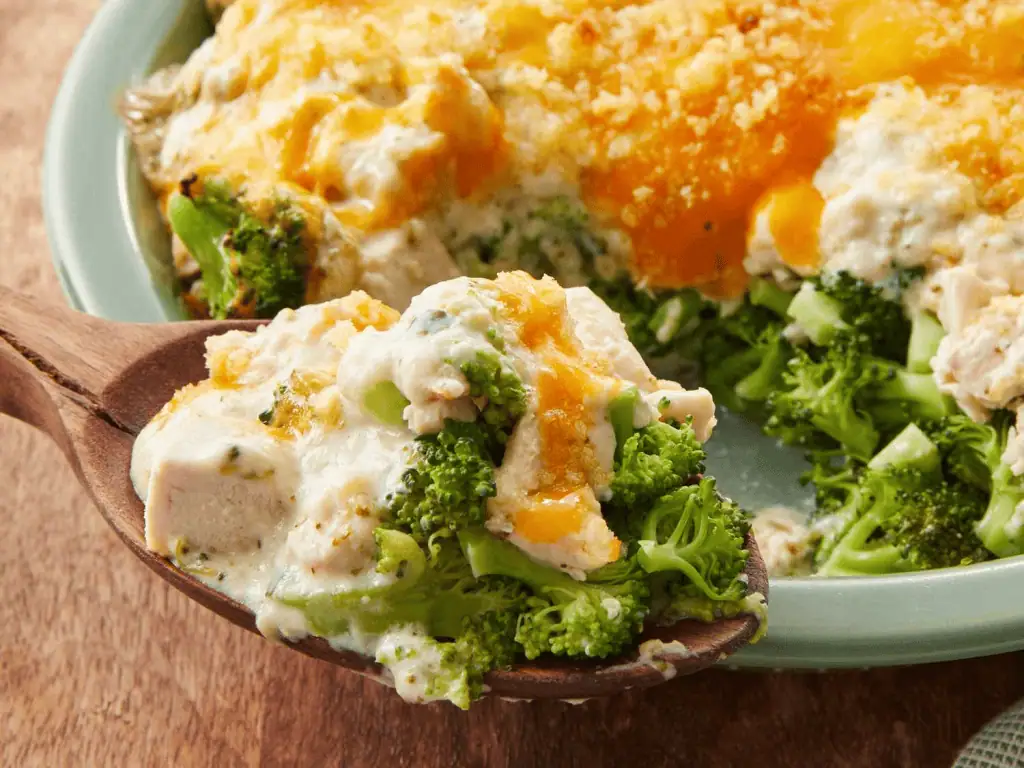
Chicken Divan combined chicken, broccoli, and a rich, creamy sauce, often finished with cheese or breadcrumbs. It was a casserole staple that relied heavily on condensed soups. As cooking trends moved away from canned bases and toward fresher preparation, Chicken Divan lost relevance. Its heavy richness feels mismatched with modern preferences for lighter, brighter meals.
Iceberg Lettuce Wedge Salad

The iceberg wedge salad was once a steakhouse classic, served with thick dressing and bacon bits. Its crisp texture and simplicity appealed to diners for decades. Over time, interest shifted toward mixed greens, vinaigrettes, and more complex salads. The wedge began to feel plain and repetitive, leading to its quiet disappearance from many menus where it once felt essential.


