
10 Foods You Shouldn’t Microwave Twice (and the Reason Why)

Reheating food in the microwave is a quick fix, but not all dishes maintain their quality when re-nuked. Some foods lose texture, flavor, or even become unsafe to eat. Here, we explore ten items that suffer when microwaved a second time, ensuring you enjoy your meals at their best.
Pizza: Soggy and Unappetizing

Microwaving pizza twice leads to a disappointingly soft crust and unevenly heated toppings. Instead, revitalize leftover slices by using an oven or stovetop. Heat the pizza in a preheated oven at 375°F, or use a skillet over medium heat, covering it for a few minutes to melt the cheese and crisp the edges. This method preserves the texture and ensures each bite is satisfying.
Fried Food: Say Goodbye to Crunch
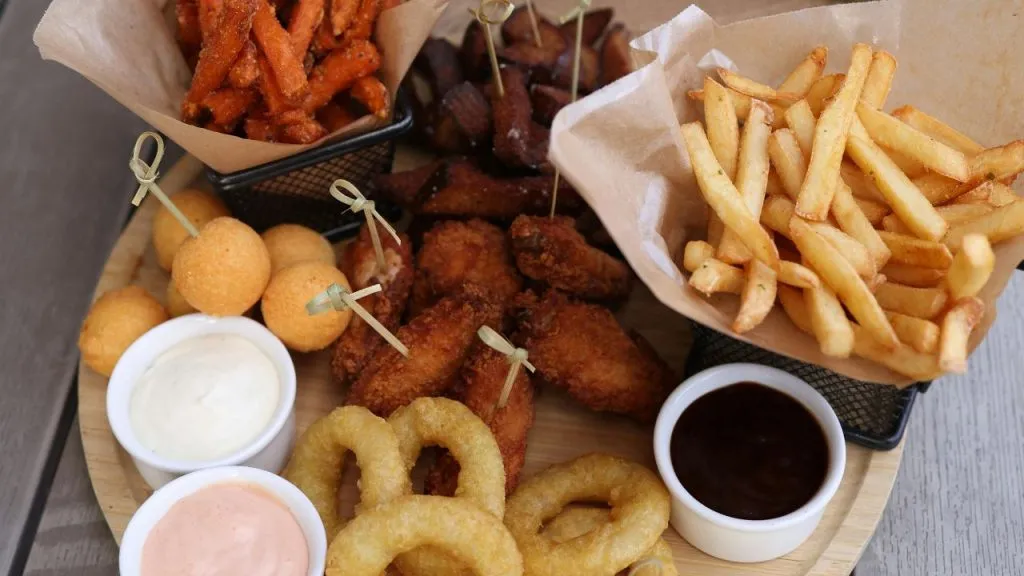
Fried foods lose their defining crispiness when subjected to a second round in the microwave. The quick steam effect leaves them chewy and lackluster. To restore their original appeal, reheat fried items in an oven at 350°F, making sure to spread them out on a baking sheet. This process revives the crunch while evenly warming the dish, maintaining its delicious appeal.
Eggs: Risky and Rubbery

Eggs, whether scrambled, poached, or boiled, become rubbery and unappetizing with multiple microwave sessions. More concerningly, reheating eggs can sometimes lead to bacterial growth. For leftover scrambled eggs, use low heat on a stovetop, gently stirring until warmed through. This technique keeps the texture soft and delightful while ensuring they are safe to consume.
Pasta: A Mushy Mistake

Pasta dishes, especially those with creamy sauces, suffer when microwaved twice, becoming mushy and losing their sauce’s velvety consistency. For best results, reheat pasta with a splash of water or broth on the stovetop, stirring continuously to achieve even warmth. This approach keeps the pasta firm and restores the sauce’s appeal, maximizing flavor and texture.
Casseroles: Dry and Uninspired
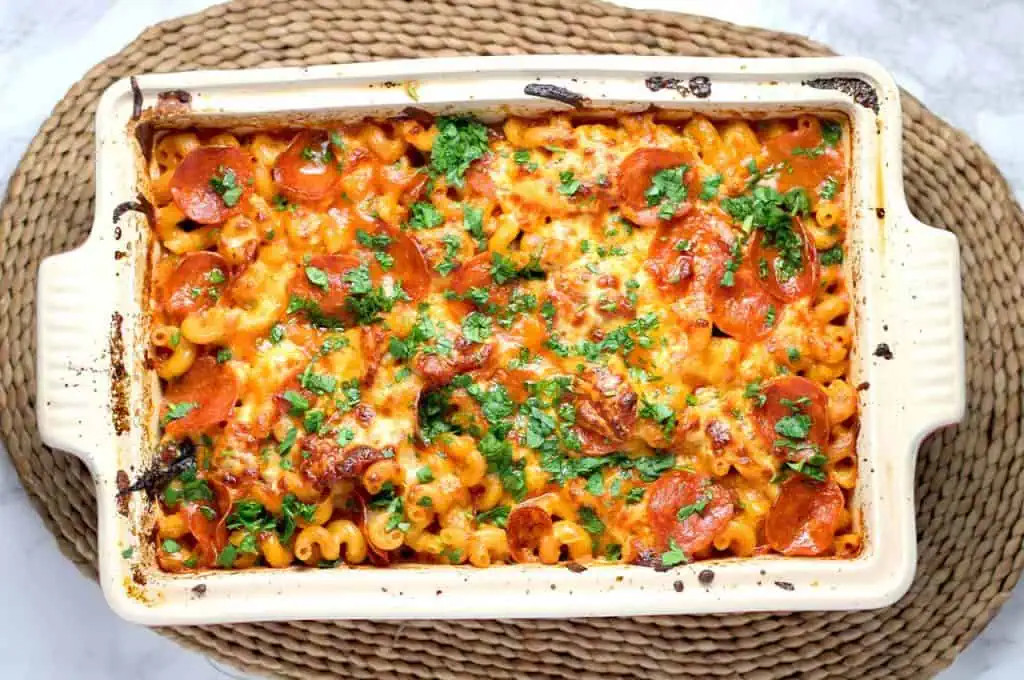
Reheating casseroles in the microwave can strip them of their moisture and nuanced flavors. The originally creamy layers tend to dry out, leaving ingredients like pasta or rice uncomfortably rubbery. To preserve their integrity, consider using an oven to gently reheat. Cover with foil to trap moisture, preventing exposure to direct heat. This approach maintains a casserole's comforting texture and ensures each bite retains its intended richness.
Steak: Tough and Flavorless
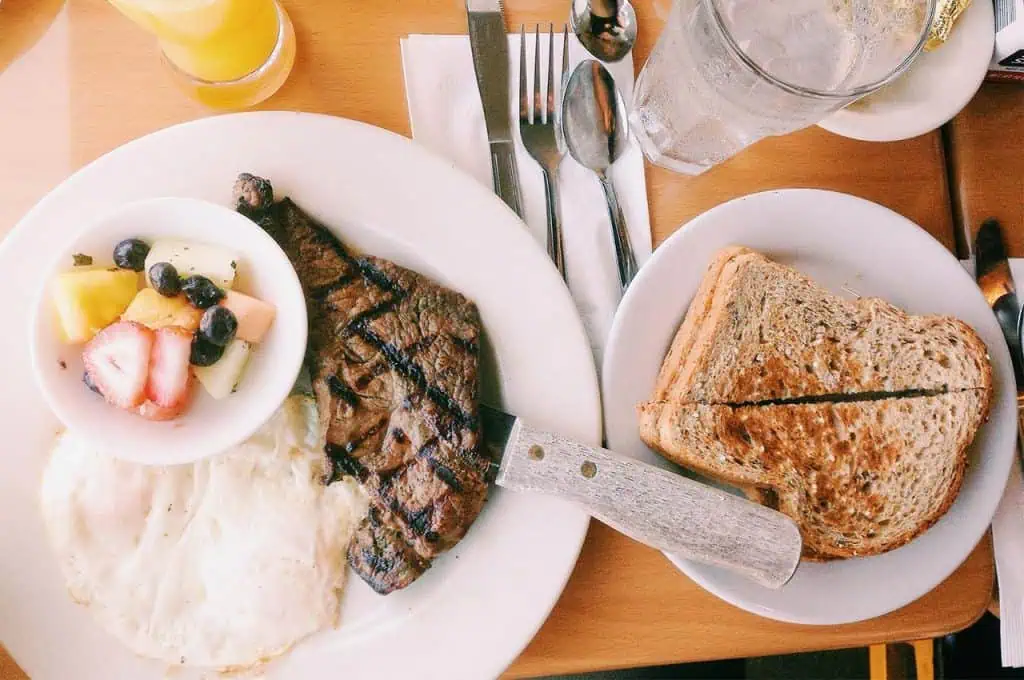
Reheating steak in a microwave disrupts its delicate balance of succulence and flavor, often resulting in a tough, chewy texture. The high heat can cause protein fibers to contract, squeezing out precious juices. Opt instead for a quick sear in a hot skillet, allowing gentle warmth to permeate the steak while adding a savory crust. Resting the steak after reheating helps redistribute juices, preserving its flavorful juiciness.
Tacos: From Tasty to Tragic

Microwaving tacos can transform them from delightful to disastrous by making shells soggy and fillings overcooked. The uneven heat distribution compromises their crisp texture and fresh taste. To maintain their appeal, reheat the filling separately on the stovetop, then gently warm the shells in a dry skillet or oven. Assembling them fresh preserves their crunchy exterior and vibrant flavors.
Breads: The Chewy Challenge
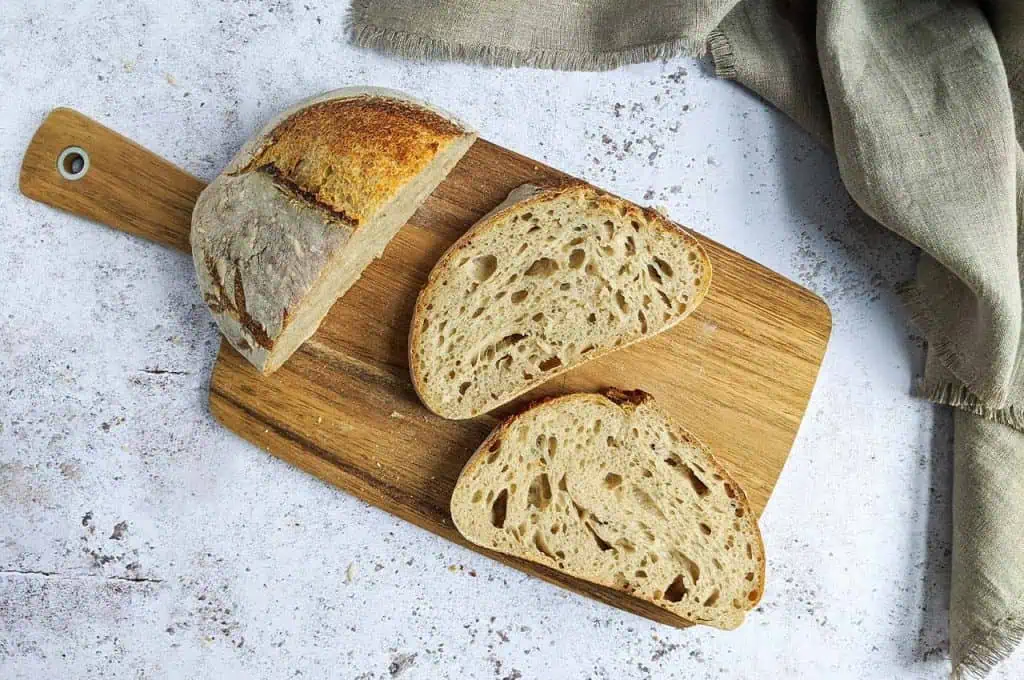
Microwaving bread can lead to a disappointingly chewy texture as it disrupts the delicate gluten structure. Excessive moisture causes a spongy consistency instead of the desired crispy or soft crust. For better results, use a toaster or oven to reheat. These methods restore the bread's intended texture, ensuring it remains hot with a slight crispness, while avoiding a gummy interior.
Spicy Peppers: A Fiery Hazard

Microwaving spicy peppers can release intense fumes and volatile compounds, leading to an unpleasant kitchen atmosphere and potential irritation. The rapid heating causes capsaicin to vaporize, making it airborne and potentially hazardous. Instead, gently reheat peppers in a pan with controlled heat to maintain their spicy essence without releasing overwhelming fumes. This method keeps the dish flavorful while ensuring a safer cooking experience.
Leftovers Over 4 Days: Safety Concerns

Leftovers can be a convenient solution for busy weeknights, but caution is essential when they linger in the fridge beyond four days. After this period, the risk of bacterial growth, such as *Listeria* or *Salmonella*, increases significantly. These pathogens thrive even when food shows no signs of spoilage. While microwaving can reheat food, it doesn't necessarily eliminate these bacteria completely, especially if the food doesn't heat evenly. To ensure safety, always check the freshness and discard any leftovers that surpass the recommended storage time. Proper initial storage in airtight containers helps maintain quality, but time and temperature are crucial factors in safety.


