
Meat Thawing Mistakes Everyone Makes and Here’s the Fix

Thawing meat improperly not only compromises flavor but can also pose health risks. Ensuring safety while maintaining quality is essential when prepping frozen proteins. Many home cooks fall into common pitfalls, but straightforward solutions can enhance your culinary endeavors. Understanding correct thawing techniques helps preserve taste and texture while minimizing bacterial growth. Let’s explore effective methods to keep your kitchen safe and your meals delicious.
Is Thawing Meat on the Counter Safe?

Thawing meat on the counter might seem convenient but poses significant safety concerns. Room temperature creates an ideal environment for bacteria to multiply rapidly. This practice can lead to uneven thawing, where the exterior defrosts quicker than the interior, risking foodborne illness. It's crucial to use controlled methods that prevent meats from lingering in the ‘danger zone' (40°F to 140°F), ensuring safety and quality in your cooking.
The Best Method: Thawing in the Refrigerator

Thawing meat in the refrigerator is the safest and most effective method. This gradual process keeps the temperature below 40°F, preventing bacterial growth while preserving texture. Plan ahead as larger cuts take more time, typically 24 hours for every five pounds. Place meat on a tray to catch any drips. This method allows you to retain control over the meat's freshness, setting the stage for a delicious meal when you’re ready to cook.
Quick and Safe: Thawing with Cold Water

When time is limited, cold water thawing is a safe alternative. Seal the meat in a leak-proof plastic bag to prevent water exposure, then immerse it in cold water. Change the water every 30 minutes to maintain a consistent temperature, ensuring even thawing. This method is ideal for smaller cuts and can take as few as two hours, allowing flexibility without compromising safety or quality.
Timing: How Long to Thaw Frozen Meat

Timing is key when thawing frozen meat effectively. For steaks and chops, plan on a 24-hour thaw in the refrigerator. Poultry might require one to two days, while large roasts or turkeys can take two to five days, depending on weight. In cold water, smaller pieces take about one to two hours per pound. Proper timing prevents waste and enhances flavor, helping you achieve optimal results in your culinary creations.
Thawing Tips for Small Meat Cuts

When dealing with small cuts of meat, speed and safety are key. For quick thawing, submerge the meat in a bowl of cold water. Ensure the meat is in a sealed plastic bag to prevent water from touching it directly, which can affect texture. Change the water every 30 minutes to keep it cold and minimize bacteria growth. Thin cuts like chicken breasts or fish fillets thaw well this way, usually in under two hours.
Handling Large Cuts Properly

Large cuts like roasts require a slower, more controlled thaw. Always transfer these from freezer to refrigerator, allowing 24 hours for every five pounds of meat. This slow thaw ensures even temperature distribution, preserving texture and minimizing bacterial risk. If pressed for time, consider a two-stage thaw: a short stint in the fridge followed by a cold water bath, changing the water frequently.
Refrigerating Defrosted Meat: Do's and Don'ts
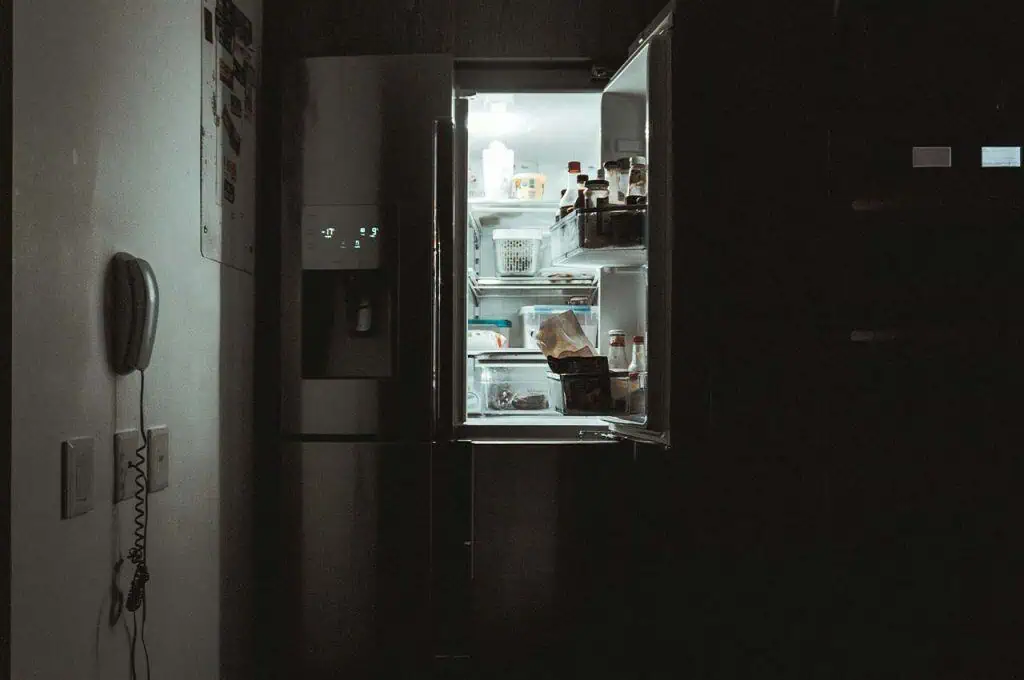
Once meat is defrosted, it should remain in the refrigerator and be cooked within two days. Avoid refreezing thawed meat, as this can degrade quality and flavor. Store defrosted meat in its original packaging or a covered container to prevent cross-contamination. Always place it on the lowest shelf to avoid any drippage onto other foods.


