
10 Underrated Food Cultures You Need to Try

Discovering food from lesser-known cultures expands our culinary horizons and enriches our experiences. Each region offers unique ingredients, time-honored techniques, and a fresh perspective on dining. From hearty stews to vibrant spice blends, these cuisines are gateways to understanding diverse traditions and flavors. Whether you're a seasoned cook or an adventurous eater, exploring these underrated food cultures can inspire creativity and bring new excitement to your kitchen.
Georgian: A Feast for the Senses

Georgian cuisine is celebrated for its bold flavors and aromatic spices. Staples like khachapuri, a cheese-filled bread, highlight the marriage of textures, with crisp crusts yielding to gooey centers. Sulguni cheese adds depth with its distinct tang. Meanwhile, aromatic herbs and spices transform simple ingredients into vibrant dishes. Satsivi, a walnut sauce infused with garlic and warm spices, enhances meats and vegetables alike. Harnessing these techniques and flavors can elevate everyday cooking into something truly special.
Peruvian: Where Tradition Meets Fusion
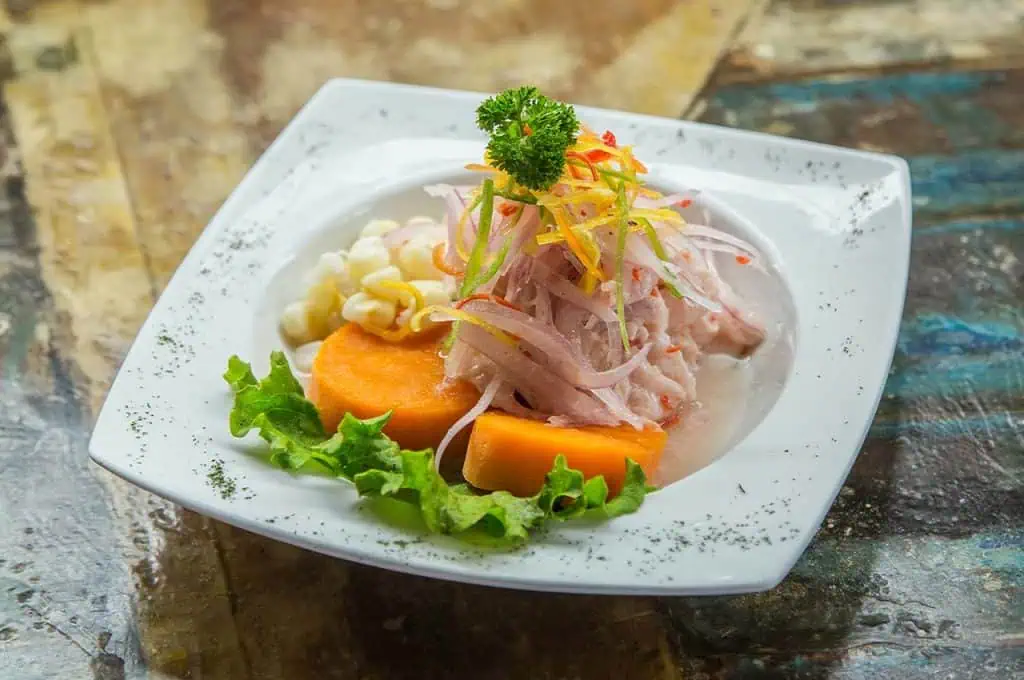
Peruvian cuisine is a vivid tapestry of indigenous and international influences. Ingredients like quinoa and corn, central to Andean culture, mingle with Asian-inspired flavors, resulting in a cuisine rich in versatility. Ceviche showcases the freshness of the coast, with citrus and chili balancing the natural sweetness of fresh fish. Mastering this dish involves understanding the delicate acidity that tenderizes while infusing flavor. Try incorporating vibrant aji amarillo for a gentle heat and distinctive color, bringing authenticity to your dishes.
Ethiopian: Communal and Flavorful Dining

Ethiopian cuisine invites diners to explore communal dining with injera, a spongy, sour flatbread, serving as both plate and utensil. Richly spiced stews like doro wat offer layers of flavor, from slow-cooked onions to berbere spice blend, featuring chili, garlic, and ginger. The technique of layering spices through gradual cooking creates depth and warmth. Teff, a gluten-free grain, not only forms the basis of injera but also offers nutritional benefits. Delve into this cuisine to experience a confluence of bold flavors and nourishing tradition.
Senegalese: Dive into West African Flavors
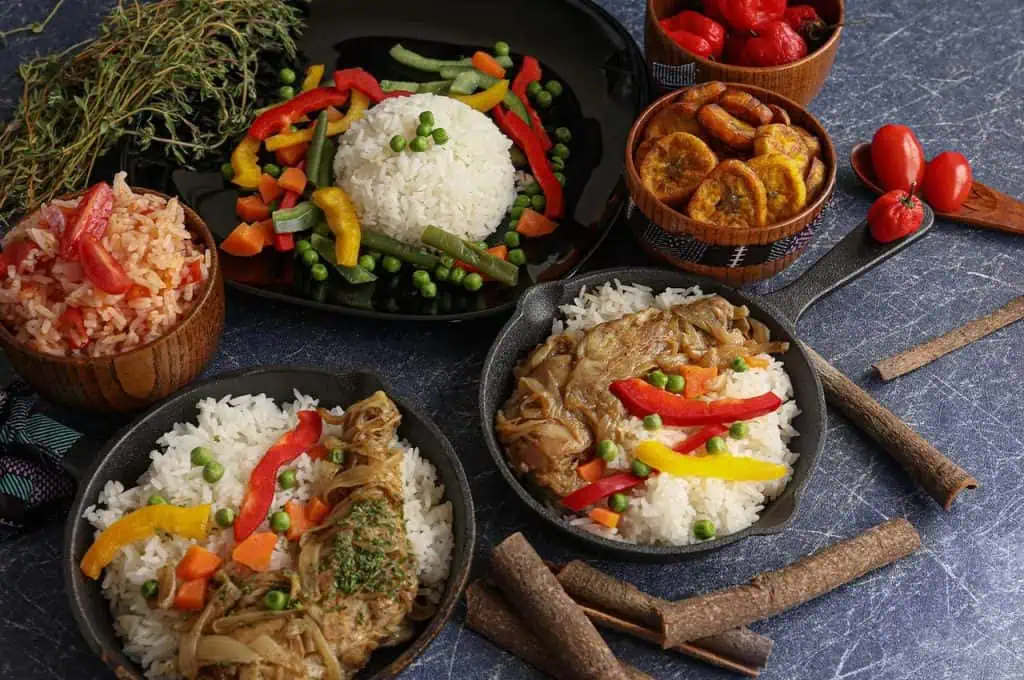
Senegalese cuisine combines indigenous and colonial influences, creating dishes rooted in bold, balanced tastes. Thieboudienne, their national dish, layers fish, vegetables, and rice, infused with tomato and pepper for a comforting depth. The technique of simmering the ingredients slowly in one pot ensures flavors meld seamlessly, increasing complexity with time. Utilizing ingredients like tamarind and baobab introduces sweet and tart elements, enriching the dish further. Explore Senegalese cuisine to immerse yourself in the rich culinary heritage of West Africa.
Vietnamese: Fresh, Fragrant, Fantastic

Vietnamese cuisine captivates with its use of fresh herbs, vibrant flavors, and light cooking methods. Incorporating ingredients like lemongrass, mint, coriander, and fish sauce, dishes such as pho and banh mi balance salty, sweet, and sour elements harmoniously. Mastering a simple chicken pho begins with a well-simmered broth; avoid boiling aggressively to maintain clarity and depth. Fresh garnishes like lime, Thai basil, and bean sprouts invigorate your bowl with texture and aroma. Prioritize crisp vegetables and balance in marinades to capture the essence of Vietnamese style.
Filipino: Island Comfort on a Plate

Filipino cuisine brings forward layers of comfort through its array of hearty stews and vibrant street foods. Adobo, a beloved staple, combines soy sauce, vinegar, and garlic. Ensure to marinate your chicken overnight, allowing flavors to meld deeply. The balance of pungent and slightly sweet flavors defines this dish. Lumpia, with its crisp, savory filling, requires precise rolling and heat control to achieve a delicate crunch. An affinity for ingredients like coconut milk, tamarind, and calamansi infuses dishes with tropical warmth and complexity.
Lebanese: Mediterranean Marvels
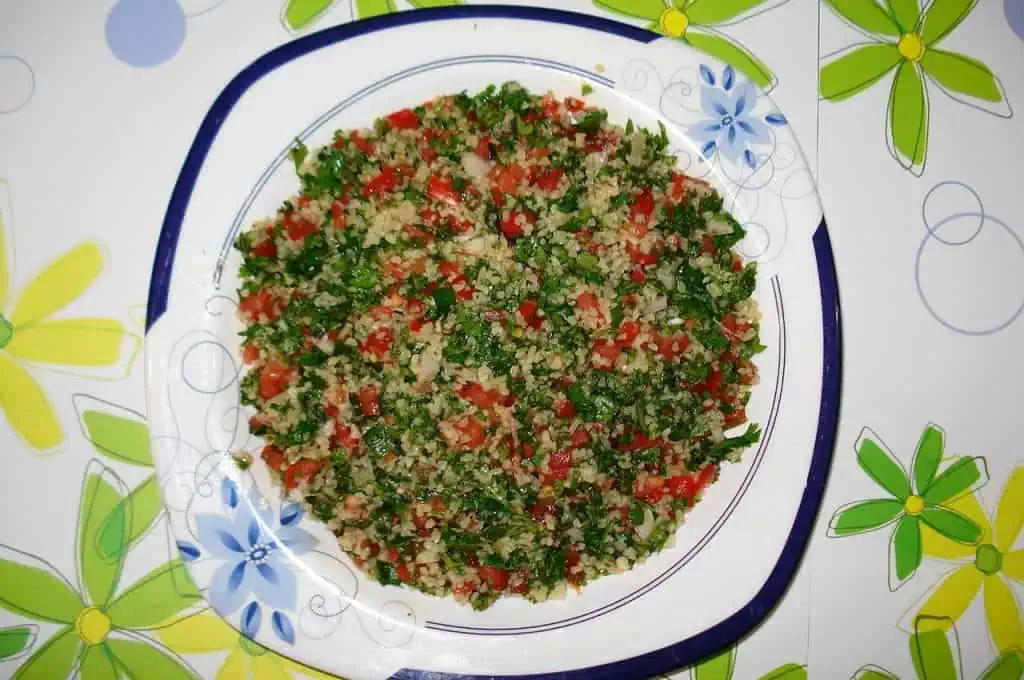
Lebanese cuisine offers a celebration of fresh produce, aromatic spices, and robust flavors. Staples like tabbouleh and kibbeh highlight ingredients such as parsley, bulgur, and sumac. For the perfect tabbouleh, opt for fresh, finely chopped parsley and juicy tomatoes, and dress sparingly to allow the herbs to shine. Hummus, creamy and smooth, benefits from slow-cooked chickpeas and tahini. Gently roasting pine nuts for garnish adds unexpected depth. Lebanese meals rely on mezze, small dishes like baba ghanoush, showcasing a harmonious blend of herbs, nuts, and textures.
Burmese: Bold and Balanced Creations

Burmese cuisine thrives on bold flavors and diverse influences from India, China, and Thailand. Staples like mohinga, a lemongrass-scented fish soup, draw on fresh herbs and spices. Achieving the ideal balance of flavors requires patience. Ensure ingredients like turmeric and lemongrass are fresh, as they form the backbone of many recipes. Tea leaf salad offers a textural medley; use fermented tea leaves and combine with peanuts, tomatoes, and garlic oil. Merging savory, sour, and crunchy elements characterizes Burmese cooking, warranting a try for its unique profile.
Get the recipe: Burmese Mohinga
Portuguese: Discover Maritime Heritage

Portuguese cuisine, deeply tied to its seafaring history, features seafood and earthy ingredients. Bacalhau, dried and salted cod, is Portugal’s culinary icon. Soak it thoroughly to remove excess salt, then pair with potatoes and olives for a classic aroma. Sardines grilled simply over charcoal deliver bold, natural flavors; turn gently to keep the flesh intact. Caldo Verde, a comforting kale soup, relies on quality chouriço for depth. Harnessing both coastal and rural traditions, Portuguese dishes blend robust spices and olive oil, inviting exploration through their regional diversity.
Bulgarian: Savor Agricultural Abundance

Bulgarian cuisine offers a rich tapestry of flavors shaped by its fertile lands. The farm-to-table approach begins with fruits and vegetables like tomatoes, peppers, and cucumbers forming the foundation of the vibrant Shopska salad. Emphasize freshness by selecting produce at peak ripeness, heightening the simple yet effective olive oil and vinegar dressing. In winter, warming dishes like kavarma, a slow-cooked stew of pork or beef with onions and tomatoes, showcase rustic skill. Achieve deep flavors by browning the meat thoroughly before simmering it gently, allowing the flavors to meld seamlessly. Essential spices include paprika and savory, enhancing each dish with depth and aroma. Focus on gentle cooking methods to let natural ingredients shine, celebrating Bulgaria’s agricultural richness.


