
You’re Probably Eating Out Like It’s 2010: Here’s How Gen Z Does It Now

Dining habits evolve with each generation, and Gen Z is redefining how we approach eating out. In contrast to previous dining trends, this generation values innovation, practicality, and cost-effectiveness over elaborate ambiance. By looking at their dining preferences, we gain insights into how the culinary scene shifts under the influence of younger tastes. From prioritizing budget-friendly choices to embracing shared experiences, Gen Z's approach is both refreshing and reflective of broader societal changes in how we enjoy food.
Price Over Atmosphere: The Gen Z Priority

Gen Z diners are less concerned with fancy decor and more focused on getting the best value for their money. Instead of choosing restaurants based on ambiance, they prioritize affordable and authentic flavors. This practicality sees them frequenting eateries that balance quality meals with reasonable prices. They're savvy in finding spots that juice every penny's worth from their food budget, often favoring pop-ups, food trucks, and casual dining establishments over traditional restaurants. For them, authentic culinary experiences trump the bells and whistles.
Dining Out is a Treat, Not the Norm

For Gen Z, dining out is more of a special occasion than a daily routine. This selective approach stems from an emphasis on saving money and a preference for home-cooked meals. When they do decide to eat out, it's an intentional choice, where the focus is on unique experiences and trying something new. They might explore the latest culinary trends or seek out highly recommended spots. This deliberate selection process ensures that each dining outing feels special, rather than just another meal.
Value Menus and App Deals Drive Choices
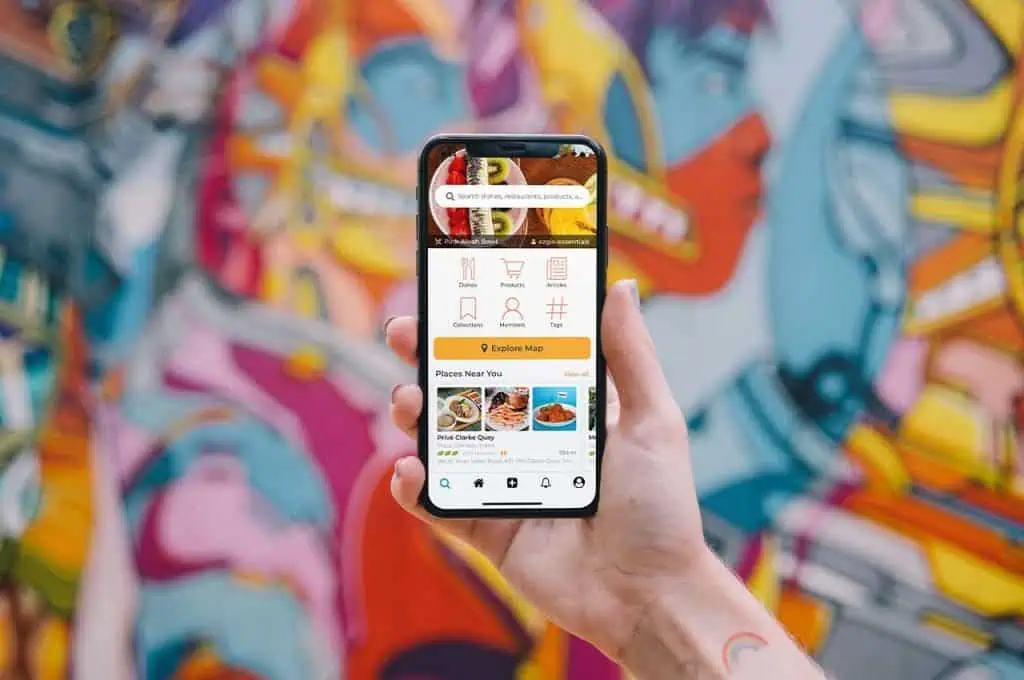
Savvy Gen Z diners often turn to value menus and special deals, frequently accessed through restaurant apps. These offers guide many of their dining choices, providing a mix of affordability and culinary exploration. Restaurants that cater to this tech-savvy group often see increased foot traffic thanks to promotions and limited-time offers. By making use of discounts and special deals, Gen Z maximizes value without sacrificing quality, navigating restaurant options with an informed and frugal approach.
Share Plates: Less Waste, More Taste
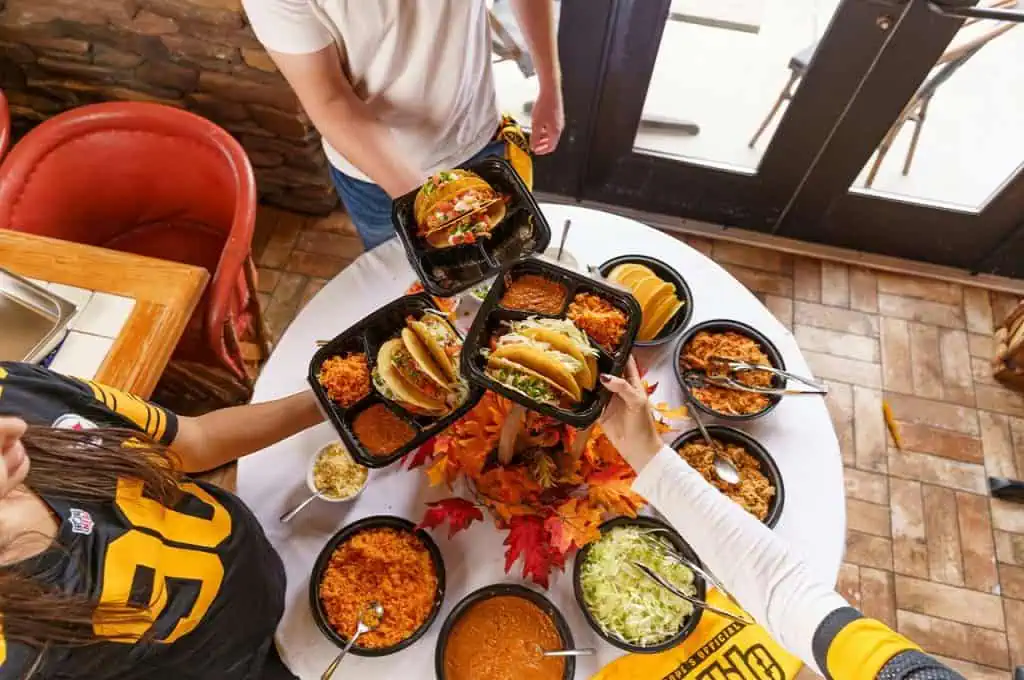
Sharing is central to Gen Z's dining philosophy, emphasizing communal dishes that allow everyone at the table to sample a variety of flavors without excess waste. Tapas, mezze, and multi-dish meals align well with this trend. Smaller portions reduce food waste and invite diners to try more items. This approach not only encourages sustainable dining practices but also enhances the social aspect of eating out by turning meals into interactive and collaborative experiences, centered around exploration and discovery.
Fast-Casual Triumphs Over Fine Dining
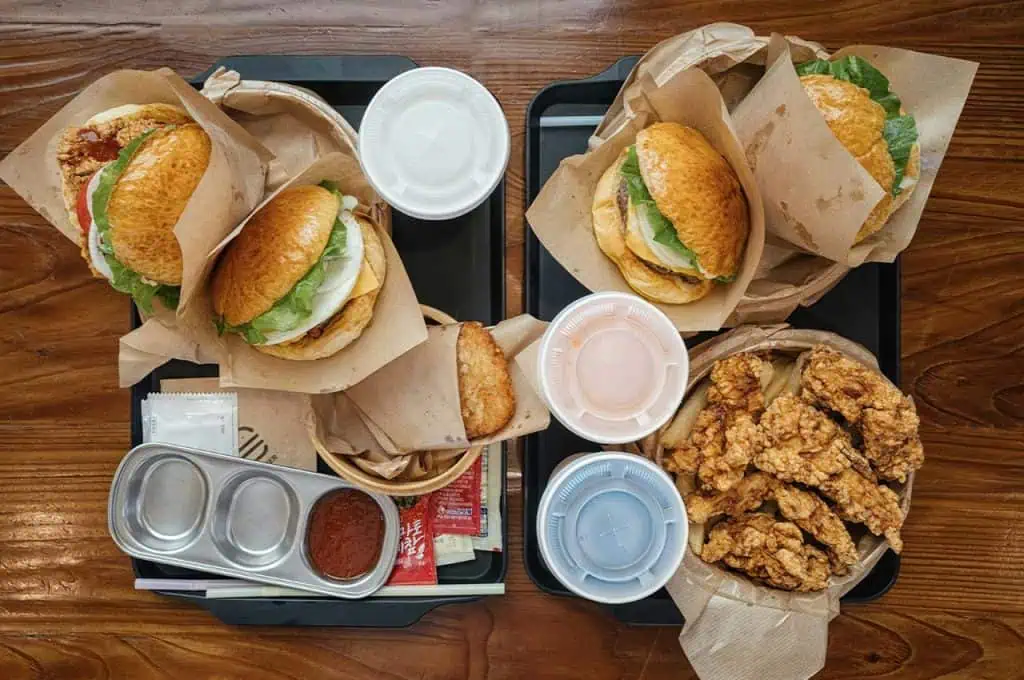
Fast-casual eateries blend quality and speed, offering a fresh approach to dining that resonates with Gen Z. These establishments prioritize local, seasonal ingredients without the formality of fine dining. The open kitchen models invite diners to witness the cooking process, creating a sense of involvement. Many joints highlight customization, allowing patrons to tailor meals to their liking, fostering a personal connection with food. This flexible approach appeals to younger diners seeking value and flavor without sacrificing time or comfort.
Social Media Determines the Destination

For Gen Z, social media plays a pivotal role in choosing dining venues. Platforms like Instagram and TikTok shape their culinary adventures, favoring places that serve both delicious food and visual appeal. Restaurants are now acutely aware of their plating styles and interior aesthetics, understanding that shareability can drive foot traffic. Engaging online presence and interactive experiences attract adventurous eaters eager to explore trendy or unique offerings. The digital-first approach to dining prioritizes visual allure and engaging storytelling.
Leftovers: A Strategic Dining Plan

Embracing leftovers is part of a mindful dining strategy, reflecting sustainability and frugality. Gen Z consciously orders meals with future meals in mind, turning leftovers into opportunities for creative cooking at home. This approach minimizes waste and maximizes value, often inspiring the creation of new dishes from restaurant remnants. The focus is on resourcefulness, seeing each dining experience as not just a meal but a foundational element for future culinary endeavors, enhancing flexibility and dietary exploration.
Snacking Overtakes Traditional Dinners
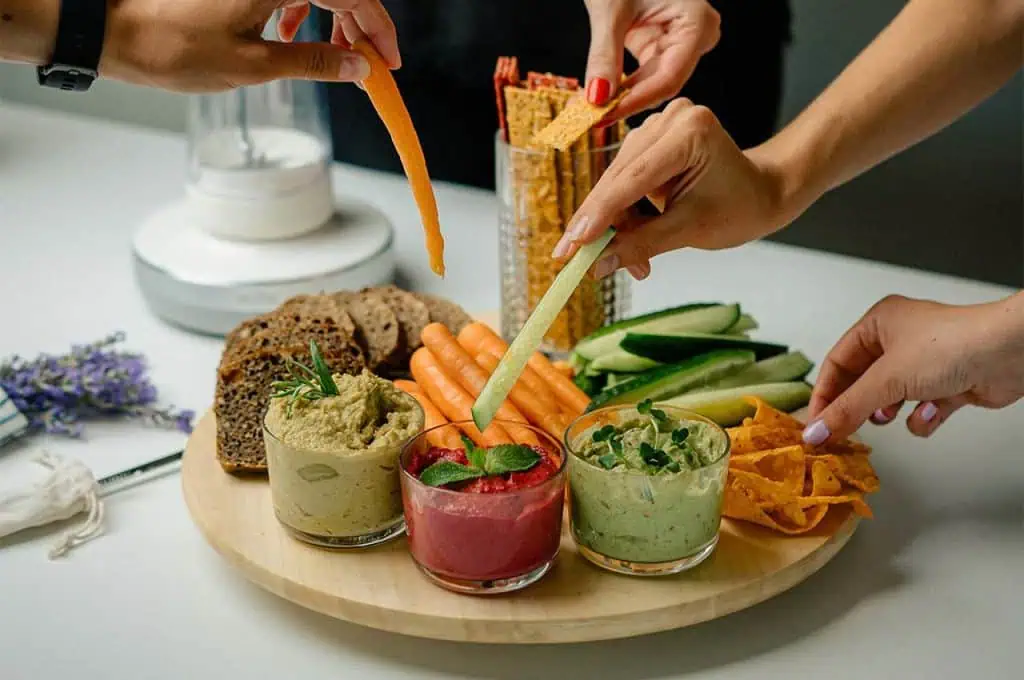
The shift towards snacking reflects a preference for flexibility over structured dining. Gen Z favors grazing throughout the day, enjoying small, varied plates rather than committing to traditional meals. This approach suits a busy lifestyle, allowing exploration of different flavors and textures. Tapas-style dining, shared appetizers, and grab-and-go options satisfy spontaneous cravings and social interactions. Snacking as a meal replacement encourages culinary curiosity, reducing formality while catering to diverse tastes and schedules.


