
9 TikTok-Viral Foods People Regret Trying (And Would Never Eat Again)

TikTok has become the ultimate incubator for bizarre culinary experiments that promise to change your life. From “cloud bread” to “watermelon with mustard,” these trends spread across millions of screens in a matter of hours. However, the gap between an aesthetically pleasing video and a palatable meal is often vast.
In 2026, many former fans are looking back at these viral sensations with a sense of genuine regret. Most of these “hacks” were designed for likes and views rather than actual flavor or kitchen practicality. Here are nine TikTok-viral foods that people now admit they would never eat again in real life.
Frozen Honey Challenge

The frozen honey challenge was one of the stickiest and most regrettable trends to ever go viral. People filled plastic bottles with honey and froze them to create a chewy, jelly-like cylinder of sugar. While it looked satisfying on camera, the reality was a tooth-shattering substance that was nearly impossible to eat.
Many users reported intense sugar headaches and stomach aches after consuming such a massive amount of concentrated glucose. It was a trend that prioritized “ASMR” sounds over actual human digestion or enjoyment. Most people threw the bottle away after taking a single, sickly-sweet bite for the camera.
Watermelon with Mustard

This trend claimed that the acidity of yellow mustard would perfectly complement the sweetness of a cold watermelon slice. In reality, most people found the combination to be a confusing and deeply unpleasant sensory experience. The tangy condiment completely overpowered the fruit’s natural flavor, leaving a bizarre aftertaste that lingered for hours.
It was a classic “stunt food” designed purely for shock value and reactionary videos. While a few outliers claimed to enjoy it, the vast majority of participants felt they had ruined a perfectly good fruit. It is a flavor pairing that has no business being on any dinner table.
Pasta Chips

Pasta chips promised a crunchy, low-effort snack made by air-frying boiled pasta with spices and Parmesan cheese. However, the actual result was often a bowl of rock-hard, burnt noodles that were incredibly difficult to chew. The effort required to boil the pasta and then air-fry it far outweighed the mediocre taste of the final product.
Most people found that regular potato chips or crackers were infinitely more satisfying and much easier to prepare. The texture was notoriously inconsistent, with some pieces remaining rubbery while others became dangerously brittle. It was a kitchen hack that proved more frustrating than it was worth.
Hot Cheetos Pickles
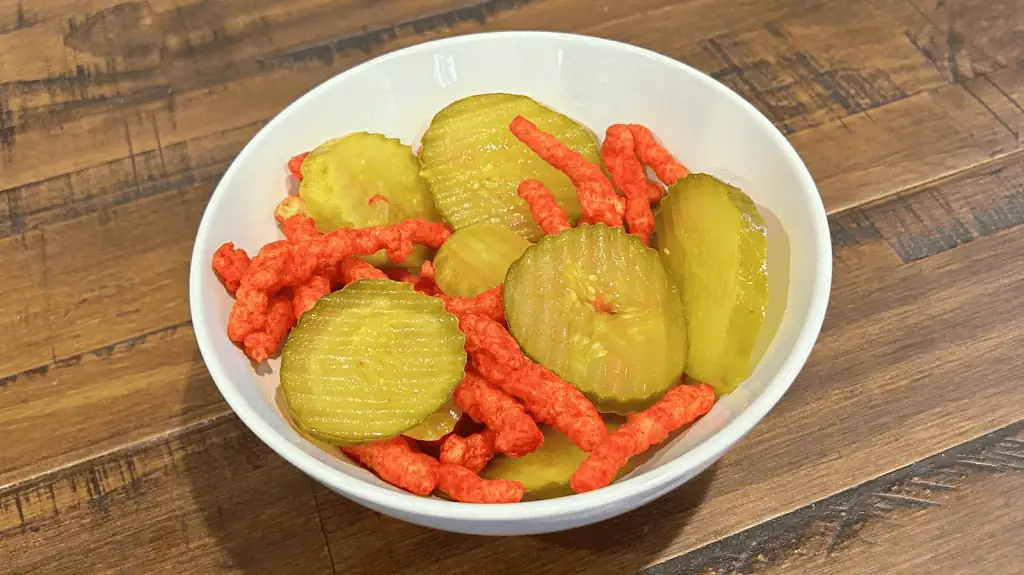
Coating giant dill pickles in crushed Hot Cheetos and chamoy became a massive visual hit for “mukbang” creators. While the bright red color was undeniably eye-catching, the actual flavor was a chaotic mess of salt and spice. The pickle juice quickly turned the crunchy Cheeto coating into a soggy, unappealing mush.
The high sodium content was also overwhelming, leaving many people feeling bloated and dehydrated after just a few bites. It was a trend that prioritized extreme flavors over a balanced or even remotely enjoyable snack. Most people who tried it once realized the two ingredients were much better off staying apart.
Cloud Bread
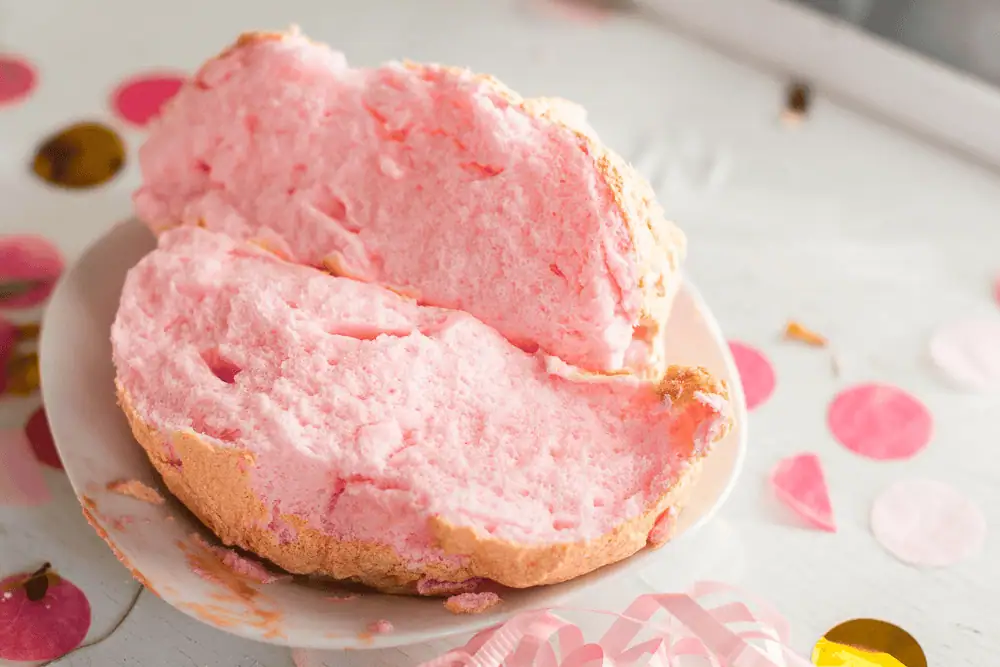
Cloud bread looked like a fluffy, colorful dream made from just egg whites, sugar, and cornstarch. While it was undeniably beautiful and “Instagrammable,” the taste was frequently described as “sweetened styrofoam.” Because it is mostly air, the bread lacked any real substance or flavor beyond a faint, metallic egg taste.
The texture was simultaneously dry and sticky, making it very difficult to actually enjoy as a snack. Many home bakers spent thirty minutes whipping egg whites only to toss the results after one disappointing bite. It is the perfect example of a food that was made for the lens, not the tongue.
Butter Boards

The butter board trend involved spreading softened butter across a wooden board and topping it with herbs and salt. While it looked like a beautiful piece of edible art, the practicality of the dish was a nightmare. Guests had to drag bread through a communal slab of butter, which quickly became messy and unhygienic.
Cleaning the grease out of a wooden board’s pores also proved to be a significant chore for the host. Most people eventually realized that individual butter crocks or simple pats were much more efficient and sanitary. It was a trend that prioritized presentation over the basic common sense of shared dining.
Pink Sauce

The infamous “Pink Sauce” was a mystery condiment that took the internet by storm before crashing spectacularly. People were captivated by its vibrant color, but many were horrified by the lack of clear nutritional labeling. Early customers reported inconsistent colors, odd smells, and shipping delays that raised serious food safety concerns.
While it eventually made its way to retail shelves with a standardized recipe, the initial hype left a bad taste. Most people found the actual flavor to be a basic, underwhelming ranch-style sauce that didn't justify the drama. It stands as a cautionary tale about buying unregulated food products directly from social media influencers.
Cucumber Cream Cheese “Boats”

Hollowing out a cucumber and filling it with cream cheese and Everything Bagel seasoning was pitched as a low-carb miracle. However, the high moisture content of the cucumber caused the filling to become watery and runny almost immediately. What looked like a crisp snack in a thirty-second video usually turned into a soggy mess in real life.
The flavor was also surprisingly bland, requiring an excessive amount of seasoning to make it even remotely interesting. Most people found that simply dipping cucumber slices into cream cheese was much faster and less messy. It was a “lifestyle hack” that added unnecessary work for a very disappointing payoff.
Smashed Brussels Sprouts

Smashed Brussels sprouts were marketed as the “new” crispy potato, but they rarely lived up to the hype. The process of boiling, smashing, and then roasting them was incredibly time-consuming for a vegetable dish. Many home cooks found that the sprouts didn't actually get “crispy,” but instead became a bitter and mushy pile.
The amount of oil and cheese required to make them taste good often defeated the purpose of a healthy side. Most people returned to simply roasting them in halves, which provides a better texture with half the effort. It was a labor-intensive trend that ultimately failed to deliver on its promise of a “crave-able” snack.


