
We Asked 100 People What They Put in Their Coffee: Here are the 8 most Common Answers

Coffee culture has evolved into a highly personal ritual, with “black coffee” becoming the exception rather than the rule. In our recent poll of 100 daily drinkers, we discovered that while some stick to nostalgia, many are embracing functional additives and creamy textures. The results highlight a shift toward health-conscious choices and gourmet flourishes that can be easily replicated at home. Whether you are a minimalist or a “dessert-for-breakfast” fan, these eight additions define how we drink our caffeine today. Here is the breakdown of the most common coffee additions, ranked by their popularity among our surveyed group.
The Classic Splash of Whole Milk
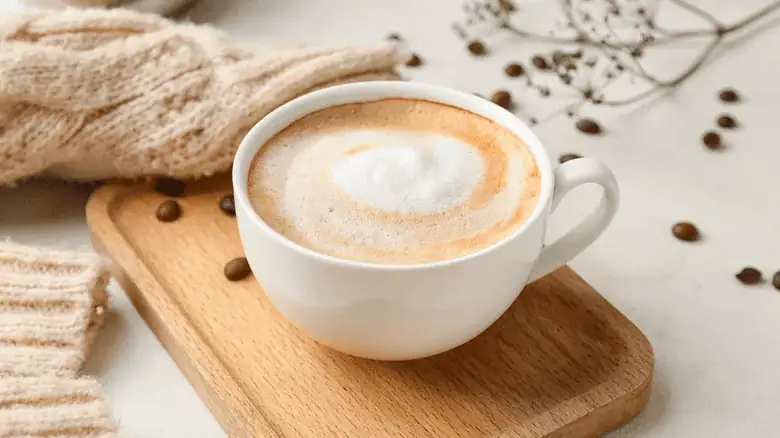
Despite the rise of alternatives, simple whole milk remains the top choice for nearly a third of our participants. Many respondents cited the “creamy mouthfeel” and the way it cuts through the bitterness of a dark roast without masking the bean's flavor. In 2026, there is a renewed appreciation for full-fat dairy as part of a balanced diet, moving away from the “skim” trends of the past. It is the gold standard for a reason: it’s reliable, accessible, and provides a nostalgic comfort that fancy syrups can’t match. For most, a splash of “the real deal” is still the best way to start a morning.
The Oat Milk Revolution

Oat milk has firmly secured its spot as the king of plant-based additives, favored by 18% of the people we surveyed. Fans love its naturally sweet profile and its ability to froth almost as well as dairy, making it perfect for at-home lattes. In 2026, it is the go-to for those who are environmentally conscious or lactose-intolerant but still crave a rich, thick consistency. Unlike almond milk, which can sometimes feel thin, oat milk adds a “heartiness” to the cup that helps sustain energy levels. It has transitioned from a niche specialty item to a mainstream pantry staple for the modern coffee drinker.
A Spoonful of Granulated Sugar
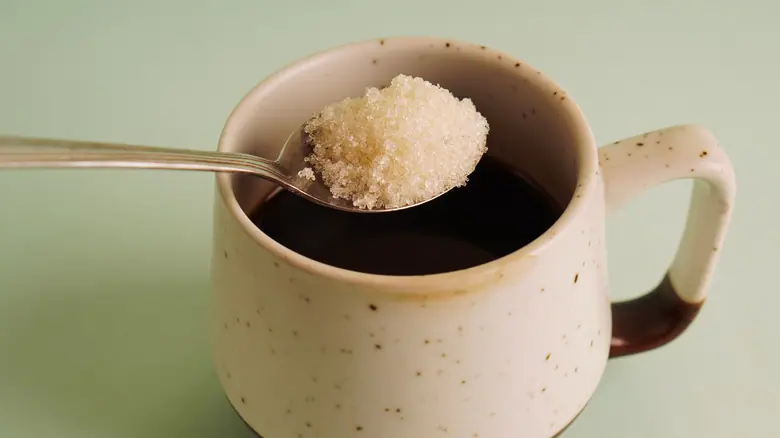
While health trends push for “sugar-free” lives, 12 of our participants admitted they can’t live without at least one teaspoon of the white stuff. Sugar remains a popular choice for those who drink lower-quality “diner-style” coffee, as it effectively neutralizes harsh acidity. In our poll, many users noted that while they try to avoid sweets elsewhere, the morning coffee is their one non-negotiable indulgence. It provides that immediate glucose spike that many find necessary to jumpstart their brain for the workday. Even in 2026, the simplicity of sugar and caffeine remains a classic, functional duo for the masses.
The Rise of Collagen Peptides

In a surprising shift toward “functional” coffee, 10% of our respondents now stir a scoop of collagen powder into their hot brew. This tasteless additive is prized for its reported benefits to skin, hair, and joint health, making the morning cup part of a beauty routine. Because it dissolves completely in hot liquids, it allows busy individuals to “biohack” their breakfast without changing the flavor of their favorite beans. This reflects the 2026 trend of making every calorie count toward a specific health goal. It is the ultimate “multi-tasking” ingredient for the wellness-focused professional who is always on the move.
Heavy Cream for Keto Fans
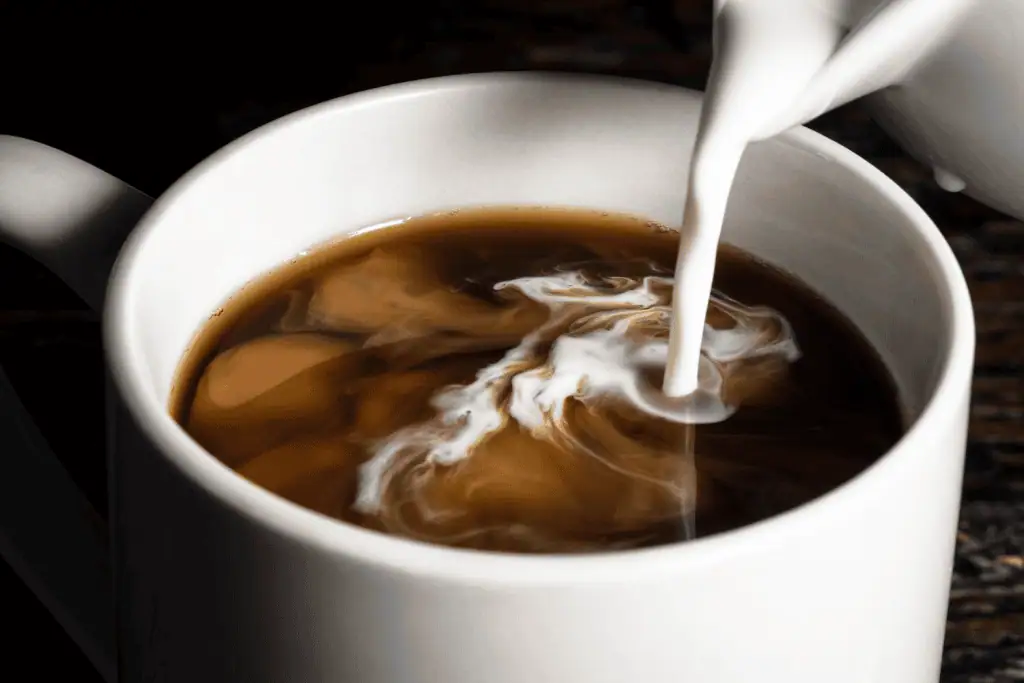
Heavy whipping cream was the choice for 9% of our group, largely driven by the ongoing popularity of high-fat, low-carb lifestyles. These drinkers enjoy the decadent, velvety texture that a small amount of heavy cream provides compared to standard milk. Because it contains very little lactose, it is often easier on the stomach for those sensitive to dairy sugars while providing long-lasting satiety. Many participants mentioned that “a little goes a long way,” allowing them to skip breakfast entirely. This choice turns a standard cup of joe into a rich, satiating fuel source that can power a long morning of meetings.
Natural Sweetness with Honey

Honey was a preferred sweetener for 7% of the people we asked, particularly those who find white sugar too processed. These drinkers appreciate the floral notes and the subtle complexity that different varieties of honey, like Manuka or Clover, add to their roast. In 2026, honey is often seen as a “pre-workout” sweetener, providing a more natural source of energy alongside the caffeine hit. It pairs especially well with medium-roast coffees that have citrus or nutty undertones. For this group, the goal is to enhance the coffee's natural flavor rather than just making it sweet.
The Half-and-Half Traditionalists
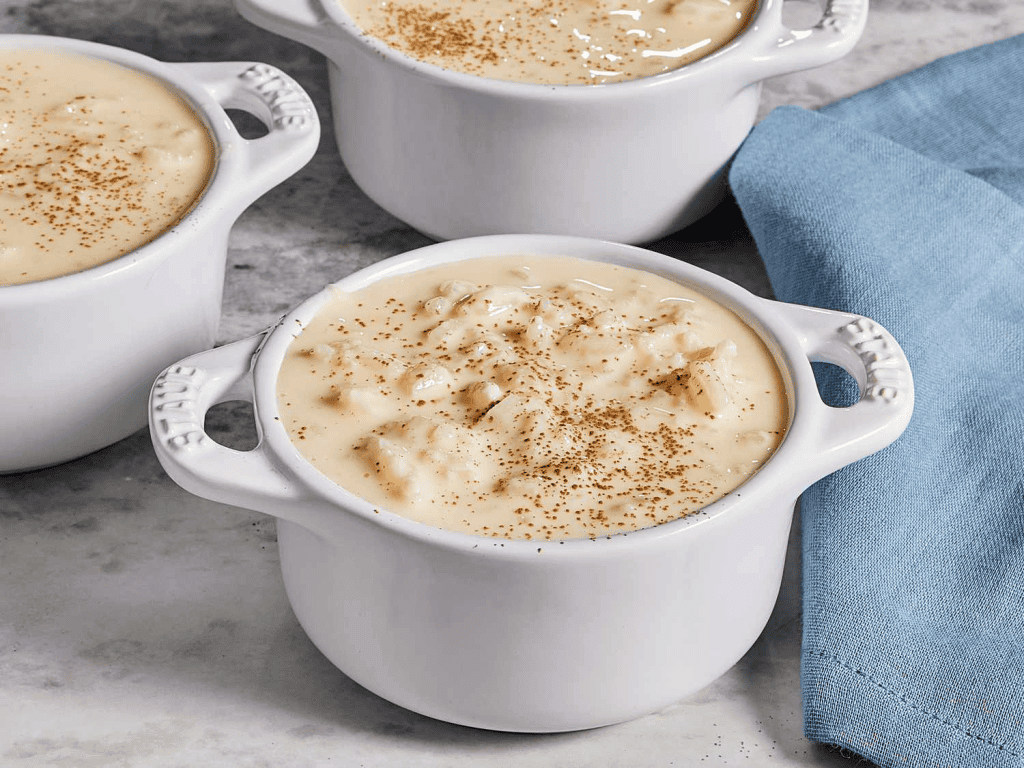
Half-and-half remains a powerhouse in the American coffee experience, holding steady with 8% of the vote. It sits in that “sweet spot” between the thinness of milk and the extreme richness of heavy cream, offering a balanced silkiness. Many participants mentioned that half-and-half is the only thing that makes their office coffee palatable, providing a consistent experience regardless of the bean quality. It is a staple of the American breakfast table that hasn't lost its luster even as new fads emerge. For these drinkers, the perfect “light and sweet” cup requires that specific ratio of cream and milk.
A Dash of Ground Cinnamon
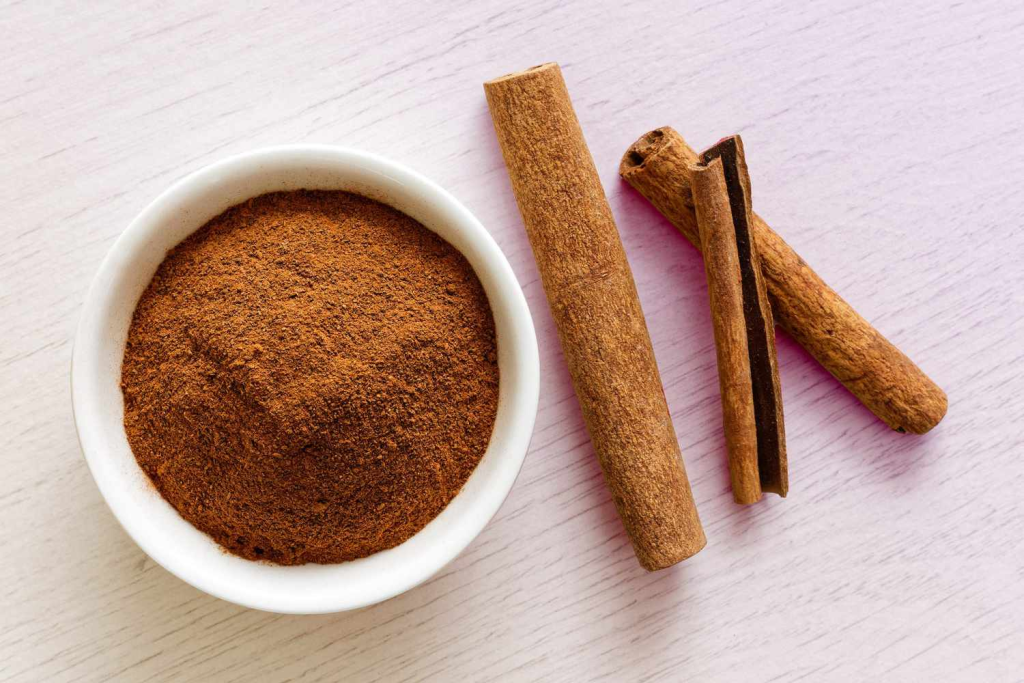
Finally, 6% of our participants swear by a dash of cinnamon, often stirred directly into the grounds before brewing or dusted on top. This addition is popular among those trying to reduce their sugar intake, as the aroma of cinnamon tricks the brain into perceiving sweetness. Beyond the flavor, many cited its antioxidant properties and its ability to help regulate blood sugar as key reasons for the swap. It adds a “warmth” to the drink that makes it feel like a seasonal treat all year round. It’s a low-calorie way to add high-impact flavor without any artificial chemicals or syrups.


