
14 meals people loved in the 1800s that we’d never touch today

Food in the 1800s was shaped by necessity, preservation limits, and beliefs about health that feel alien today. Without refrigeration, modern sanitation, or nutritional science, people relied on foods that lasted long, used every part of an animal, and prioritized calories over comfort. Many of these meals were everyday staples, not desperation foods. While they made sense in their time, changing hygiene standards, flavor expectations, and ingredient availability mean most modern Americans would struggle to even taste them today.
Hardtack
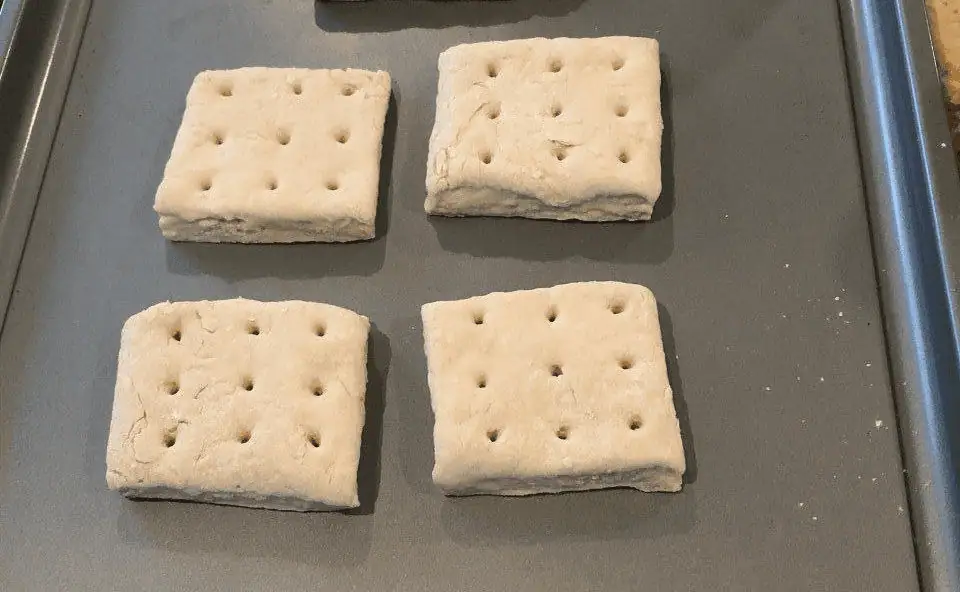
Hardtack was beloved in the 1800s because it could survive almost any condition. Made from flour, water, and salt, it was baked multiple times until completely dry, removing all moisture. Soldiers and civilians relied on it for months, sometimes years. To eat it, people soaked it in coffee, water, or stew to soften it enough to bite. Bugs were common, flavor was nonexistent, and cracked teeth weren’t rare. While it was reliable survival food, its rock-hard texture and complete lack of taste make it nearly impossible for modern eaters to tolerate.
Potted Meat

Potted meat was a preservation method that turned leftovers into long-lasting meals. Meat scraps were cooked, minced, heavily salted, and sealed under a thick layer of fat to block air exposure. In the 1800s, this was seen as practical and economical, especially without refrigeration. Today, the greasy consistency, unclear meat origins, and spoilage risk would alarm most people. Modern food standards prioritize freshness and transparency, making potted meat feel unsettling rather than clever or efficient.
Boiled Tripe
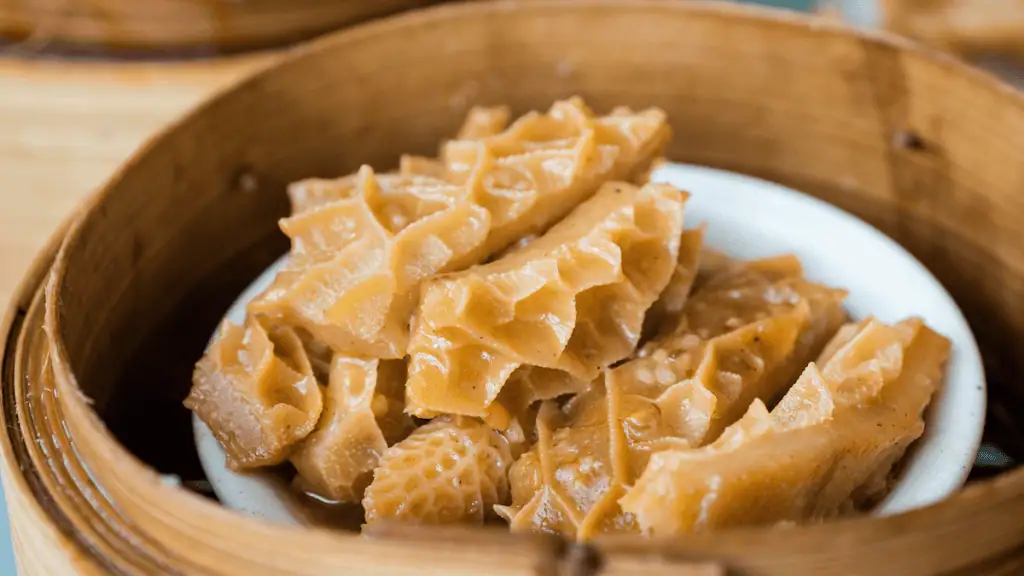
Boiled tripe came from cow stomach lining and was eaten because wasting animal parts wasn’t acceptable. It was simmered for hours to soften its tough texture, producing a strong, lingering odor. People valued it for calories and nutrition, not enjoyment. Modern eaters, raised on lean cuts and mild flavors, would likely recoil at its rubbery chew and distinctive smell. What once represented thrift and survival now feels like an extreme challenge food.
Calf Brains
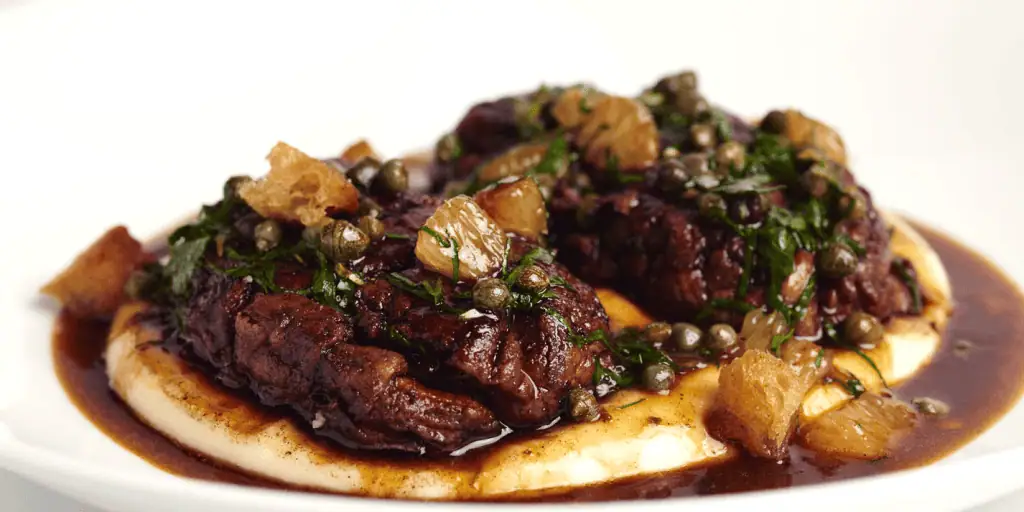
Calf brains were considered a delicate and nutritious dish in the 1800s, often fried or gently cooked. Organ meats were respected and widely consumed. Today, the idea of eating brains causes immediate psychological discomfort for many people. Modern food safety concerns and aversion to soft, custard-like textures make this dish deeply unappealing. The shift shows how cultural comfort matters just as much as flavor when it comes to what people are willing to eat.
Blood Pudding

Blood pudding combined fresh animal blood with grains and fat to create a dense, iron-rich meal. It was efficient, filling, and avoided waste during slaughter. In the 1800s, this was normal household food. Today, many people are uncomfortable with blood as an ingredient, regardless of nutrition. The dark color, metallic flavor, and direct connection to slaughter clash with modern expectations of sanitized, visually appealing meals.
Suet Pudding

Suet pudding relied on raw animal fat mixed with flour and sometimes dried fruit, then boiled into a heavy mass. It delivered huge calories, essential for people doing physical labor in cold climates. Modern diners, shaped by lighter desserts and fat awareness, would find its greasiness overwhelming. What once symbolized warmth and nourishment now feels excessive, dense, and difficult to enjoy by today’s standards.
Mock Turtle Soup
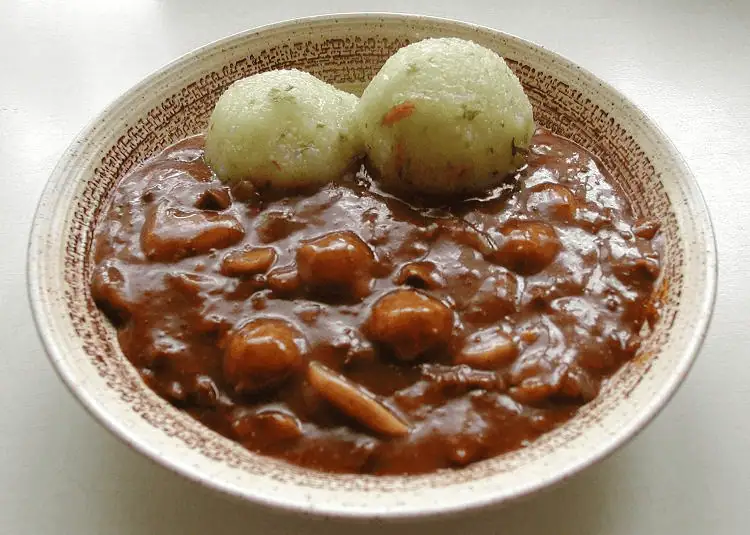
Mock turtle soup was designed to imitate expensive turtle soup using calf’s head, brains, and gelatin-rich parts. It was served at formal dinners and considered refined. Today, boiling an entire animal head into soup would horrify many diners. Its thick, gelatinous texture and strong aroma feel incompatible with modern soup expectations, highlighting how ideas of elegance in food have dramatically changed.
Jellied Eels
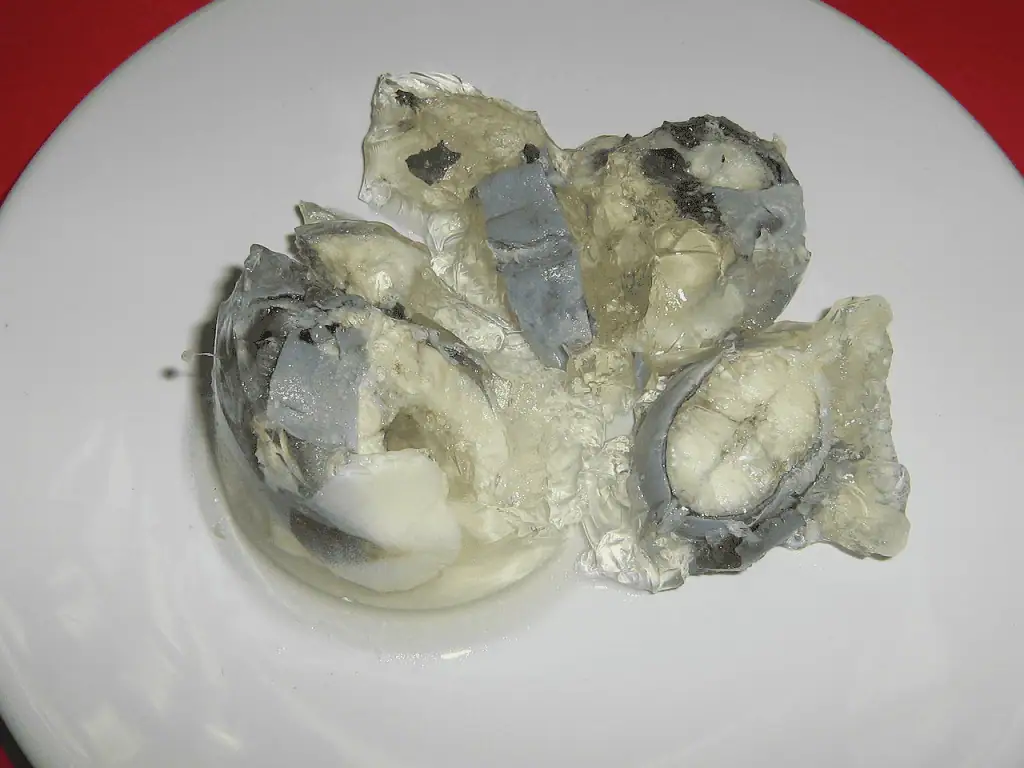
Jellied eels were a popular working-class food, especially in urban areas. Eels were chopped, boiled, and cooled so their natural gelatin formed a solid dish. While nutritious, the cold, slippery texture and fishy smell would repel most modern eaters. Today’s seafood preferences lean toward crisp or flaky textures, making jellied eels one of the hardest historical foods to imagine enjoying.
Salt Pork Meals
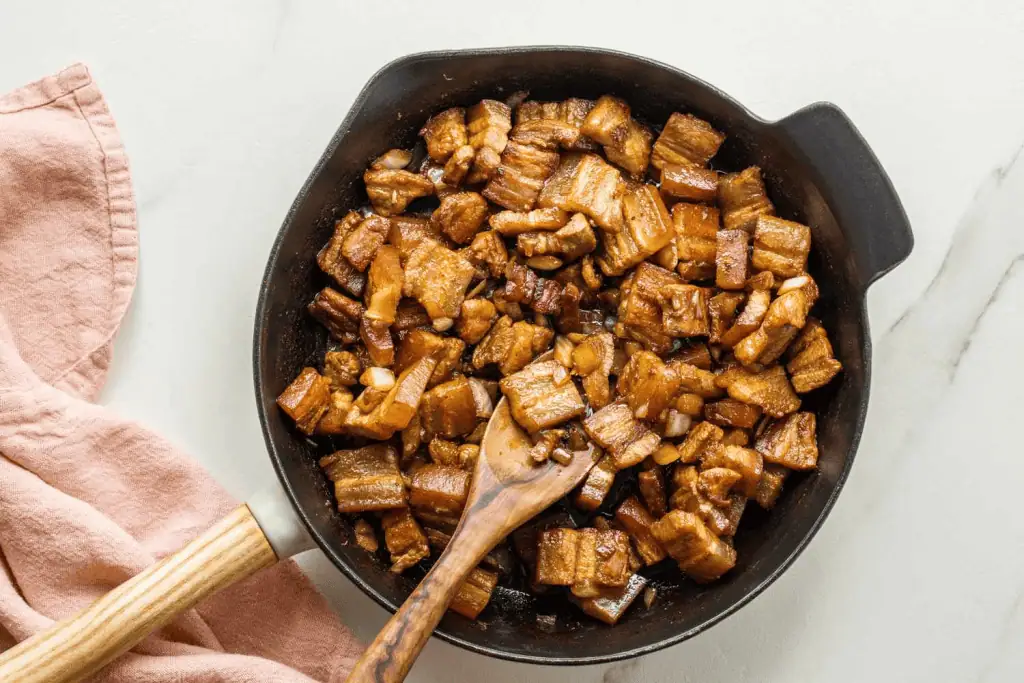
Salt pork was heavily cured pork fat used as a primary protein source. Preservation mattered more than flavor, resulting in extremely salty meals. It was often boiled or fried to soften it. Modern diners, accustomed to controlled sodium and lean meats, would find the intensity shocking. What once ensured survival now clashes with modern nutrition awareness and taste expectations.
Scrapple
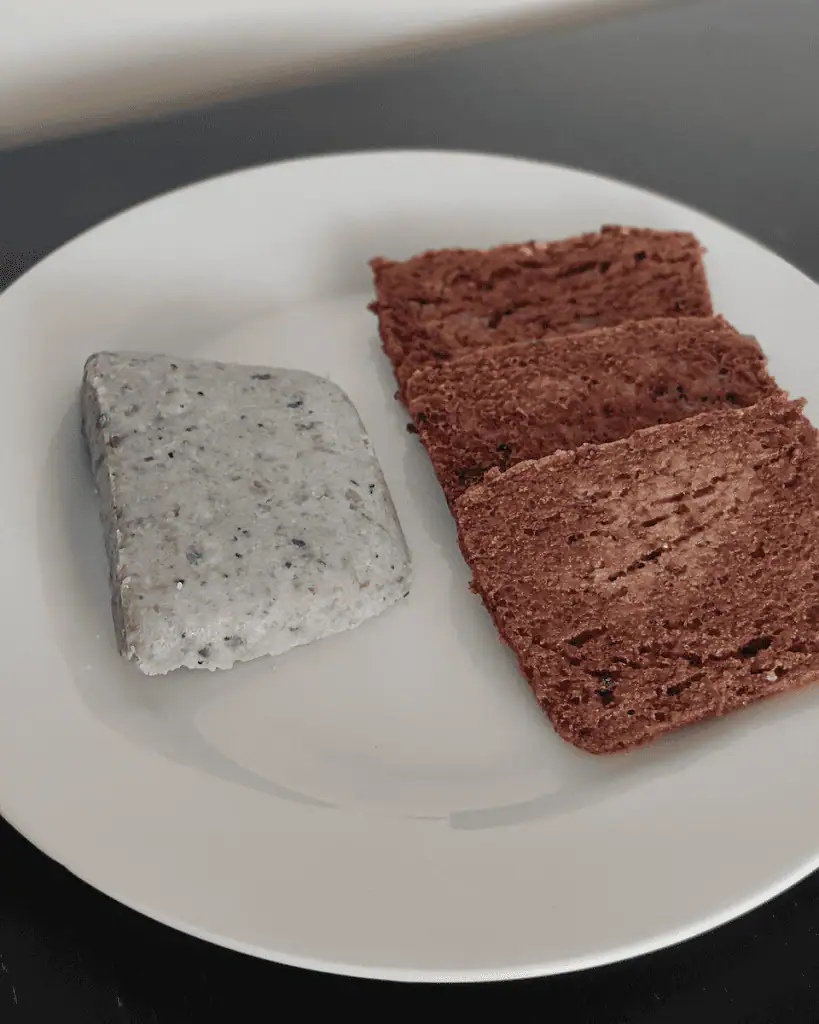
Scrapple combined pork scraps, cornmeal, and spices into a loaf that was sliced and fried. It ensured nothing went to waste and provided affordable calories. While still eaten regionally, many modern eaters are uncomfortable with the idea of consuming leftovers formed into a single mass. The dish highlights how nose-to-tail eating was once practical rather than controversial.
Pickled Pig’s Feet
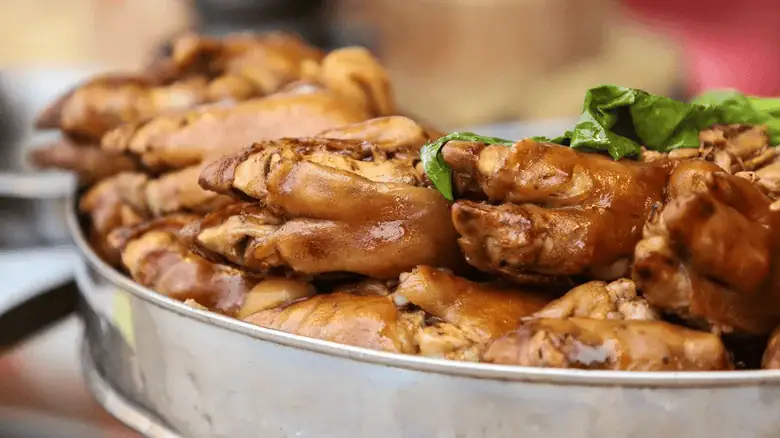
Pickled pig’s feet were a common way to preserve collagen-rich cuts in the 1800s, when refrigeration didn’t exist and waste was unacceptable. Vinegar slowed spoilage while adding sharpness that masked strong flavors. The feet were simmered until tender, then submerged in acidic brine, creating a sour, gelatinous dish that could be stored for extended periods. At the time, this meal was valued for nutrition, thrift, and practicality rather than enjoyment. Today, however, the slippery texture, intense vinegar bite, and unmistakable visual reminder of the animal’s anatomy create strong resistance. Modern diners are far removed from nose-to-tail eating, making this once-normal food feel shocking and difficult to approach.
Milk Porridge

Milk porridge was a winter staple built around necessity rather than pleasure. Made by simmering grains like oats or barley in milk, it delivered warmth, calories, and comfort with minimal ingredients. Families ate it repeatedly because it was affordable, filling, and easy to prepare in large quantities. Flavor was secondary, often limited to a pinch of salt or a small amount of sweetener if available. In the modern era, where meals are expected to offer variety and bold taste, milk porridge feels monotonous and bland. What once symbolized warmth and sustenance now feels incomplete compared to today’s richly flavored breakfasts.
Minced Meat Pudding

Minced meat pudding reflected a time when food categories were far less defined. Chopped meat was mixed with suet, flour, and sometimes spices, then boiled into a dense, sliceable mass. It was designed to be filling, long-lasting, and efficient, especially in colder months. Sweet and savory elements are often blended, creating flavors that modern eaters would find confusing. Today’s clear separation between main courses and desserts makes this dish especially unappealing. Its heavy texture and ambiguous taste profile clash with modern expectations of what meat-based meals should look and feel like.
Head Cheese
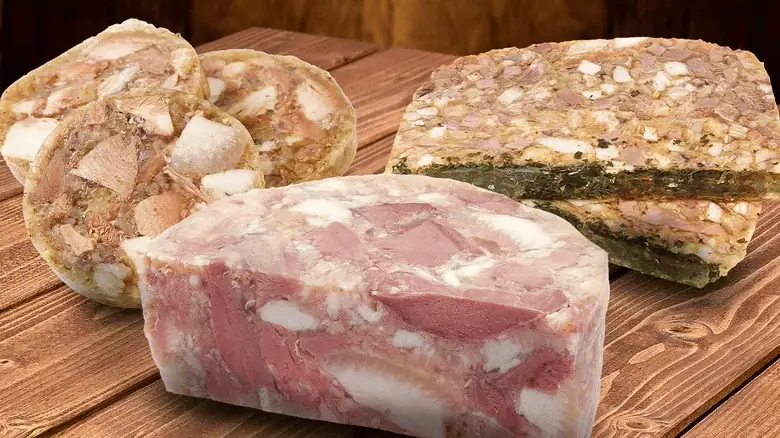
Head cheese was an efficient, waste-free way to use every edible part of an animal’s head. Meat, skin, and connective tissue were simmered until gelatin released naturally, then set into a cold terrine. In the 1800s, this was seen as a practical, nutritious, and respectful use of resources. Modern diners, however, are often uncomfortable with visible animal parts and gelatin-heavy textures. The idea of eating a molded loaf made from a head feels extreme by today’s standards. What once represented thrift and skill now challenges modern comfort zones shaped by sanitized, highly processed foods.


