
Tracing Saffron’s Path from Ancient Spice to Haute Cuisine

Saffron, a spice with a storied history, stands as a symbol of refinement and luxury in the culinary world. Prized for its distinct flavor and vibrant hue, saffron’s journey from ancient trade routes to modern haute cuisine is as fascinating as the dishes it elevates. Its allure is evident in both sweet and savory applications, where a few threads impart a golden color and complex aroma. Understanding saffron's origins enhances appreciation for its nuanced role in contemporary cooking.
Bronze Age Origins in Greece

Saffron’s storied past begins in the Bronze Age, where its vibrant threads were first cultivated in Greece. Archaeological finds reveal its use in frescoes, indicating both a practical and artistic value. Greeks harvested saffron for its dyeing properties and medicinal benefits, intertwining it deeply with daily life and trade. It was during this period that saffron’s culinary potential began to surface, contributing subtle depth to the region’s evolving gastronomy.
Persian Royalty and Sacred Rituals
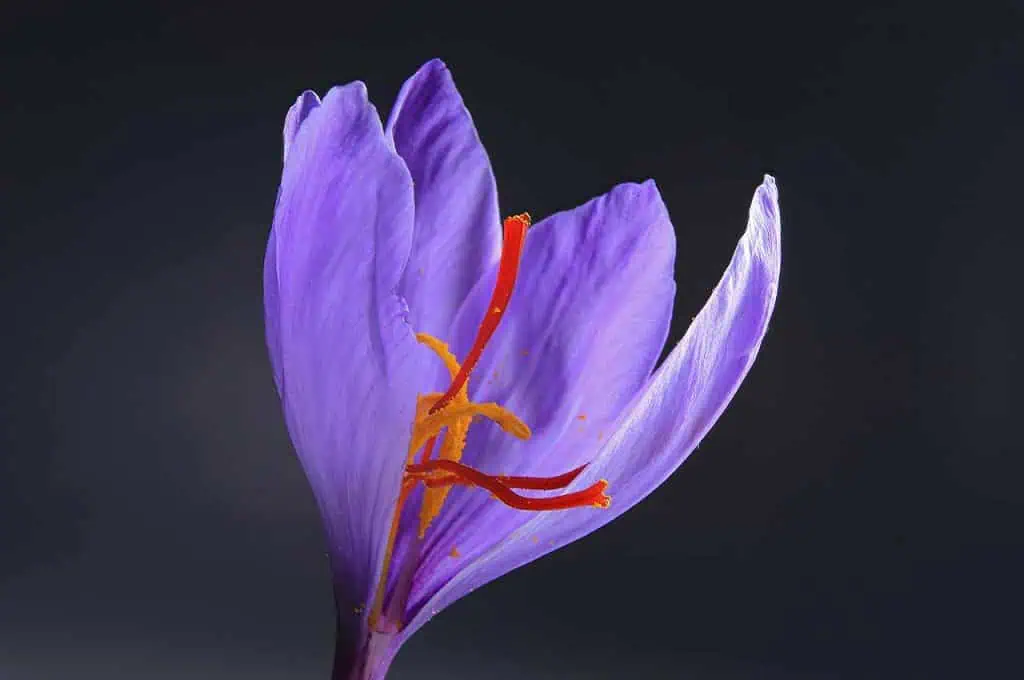
In Persia, saffron garnered a reputation for its exclusivity and connection to royalty. It was integral in sacred rituals and as a symbol of wealth and power. Persian cooks incorporated saffron into elaborate stews and rice dishes, highlighting its ability to transform simple ingredients into opulent feasts. Its bold color and aroma became synonymous with Persian culinary excellence, cementing its place at royal banquets and religious ceremonies alike.
Greek Mythology and Saffron's Role
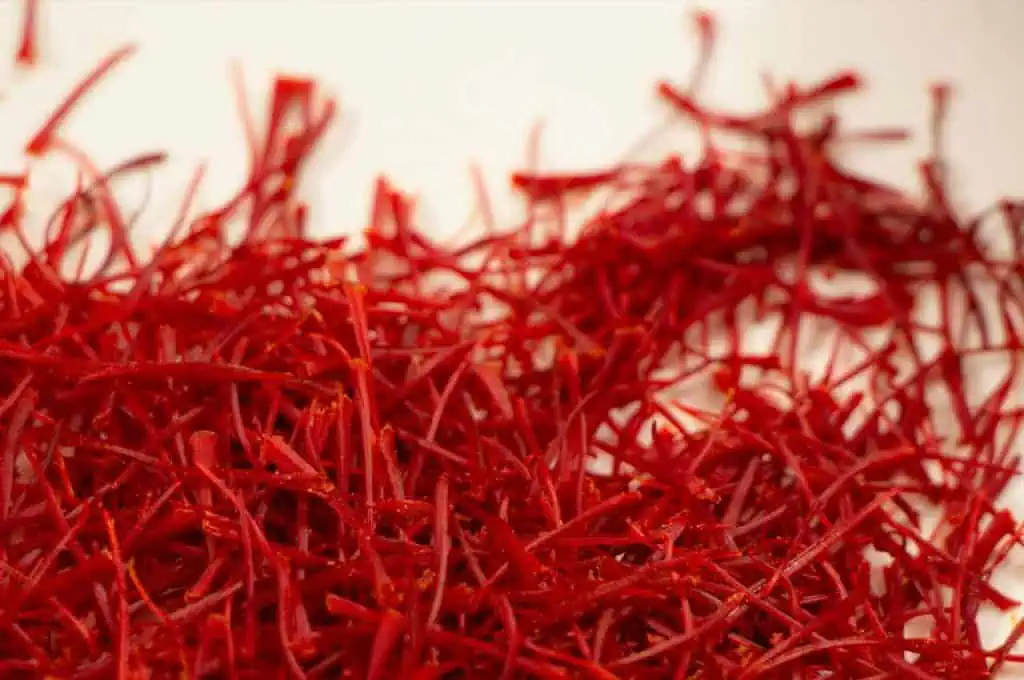
In Greek mythology, saffron played a significant role, symbolizing valor and beauty. Legend speaks of Crocus, transformed by the gods into the saffron plant. This mythological significance contributed to its revered status in religious rites and as a substance imbued with divine properties. The Greeks valued saffron not just for its culinary potential, but for its spiritual symbolism, weaving it into tales and traditions that reflected their cultural values.
Roman Luxury and Cleopatra's Baths
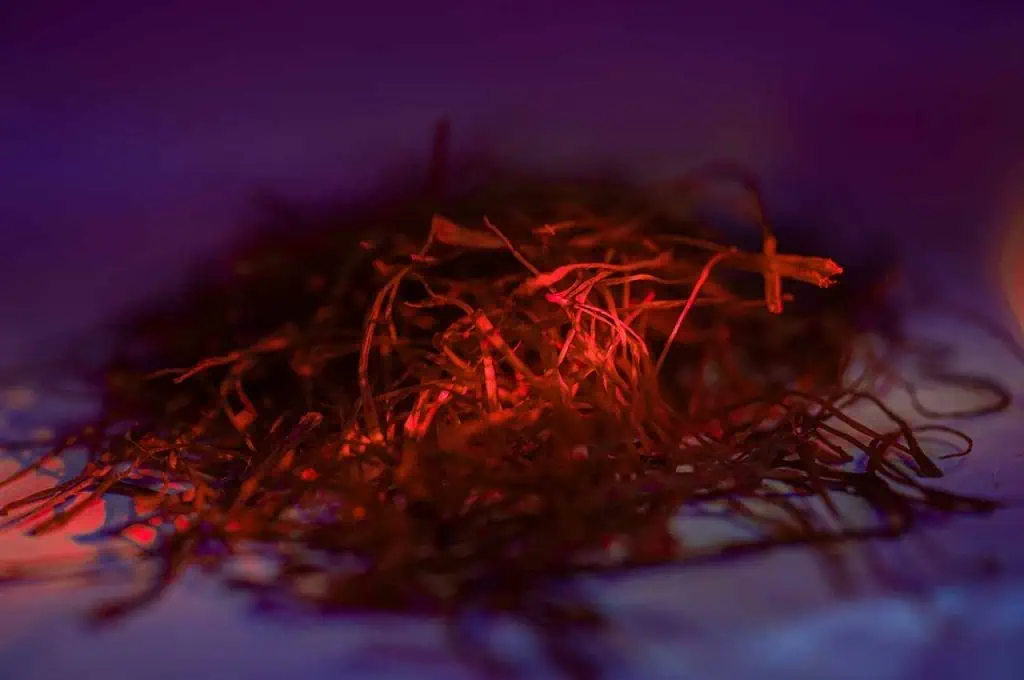
The luxurious allure of saffron captivated the Romans, who employed it extensively in both cuisine and beauty rituals. Roman cooks used saffron to flavor delicate sauces and enhance the visual appeal of their dishes. Cleopatra, famed for her beauty, reportedly bathed in saffron-infused water, emphasizing its restorative qualities. This practice highlighted saffron’s dual role in luxury, both as a culinary asset and a symbol of indulgence in personal care.
Medieval Manuscripts and Innovation
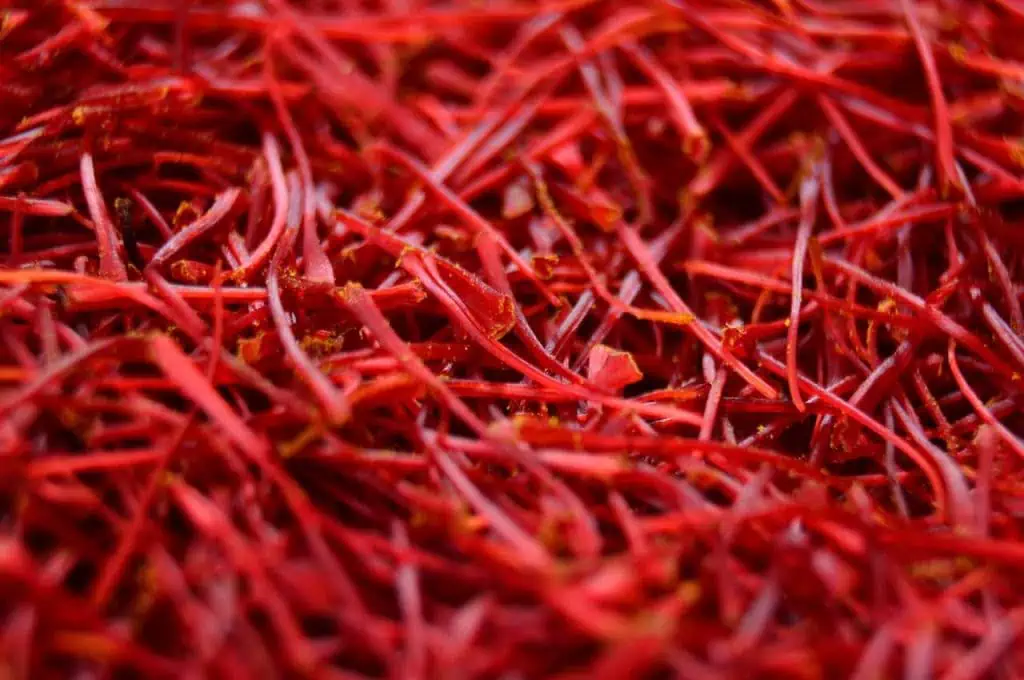
During the medieval period, saffron's presence in cookbooks showcased its versatility. Recipes from this era highlight its use in both savory and sweet dishes. Saffron was prized for its vivid hue and unique flavor, often paired with ingredients like almonds, honey, and vinegar. This spice became a symbol of culinary innovation, wherein chefs blended local traditions with exotic elements. Its ability to blend with various flavors without overpowering them marked saffron as an essential ingredient for the creative chef.
Perils of the Spice Trade Routes
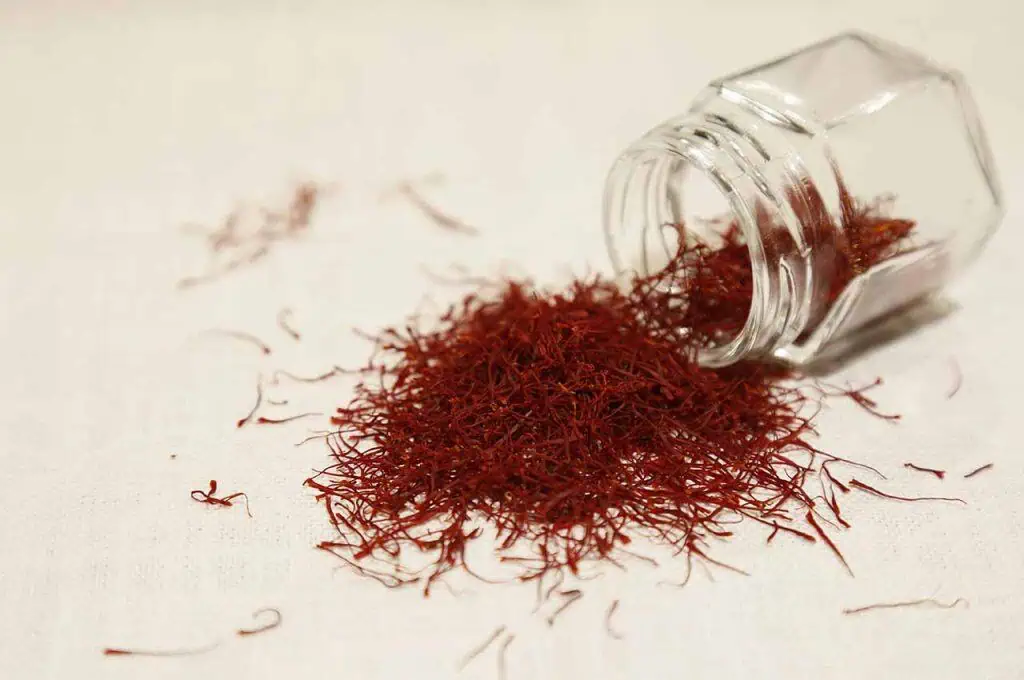
Transporting saffron across great distances presented numerous challenges. The spice trade routes, fraught with danger, required careful planning and protection against theft, spoilage, and piracy. Traders crafted meticulous plans to safeguard their saffron wares, often involving elaborate disguises and encoded communication. Despite these perils, the demand drove adventurous merchants to navigate these risks, ensuring that saffron maintained its esteemed position in diverse markets.
Alexander’s Medicinal Uses

Saffron found a place in ancient medicinal practices, particularly with Alexander the Great, who reputedly used it for healing wounds. Thought to possess antiseptic and anti-inflammatory properties, saffron was blended with oils or used in baths to aid recovery. Its perceived power to uplift mood and alleviate pain contributed to its status as a coveted remedy. These benefits, recorded in historical texts, underline saffron's role as more than just a culinary ingredient.
The English Saffron Towns
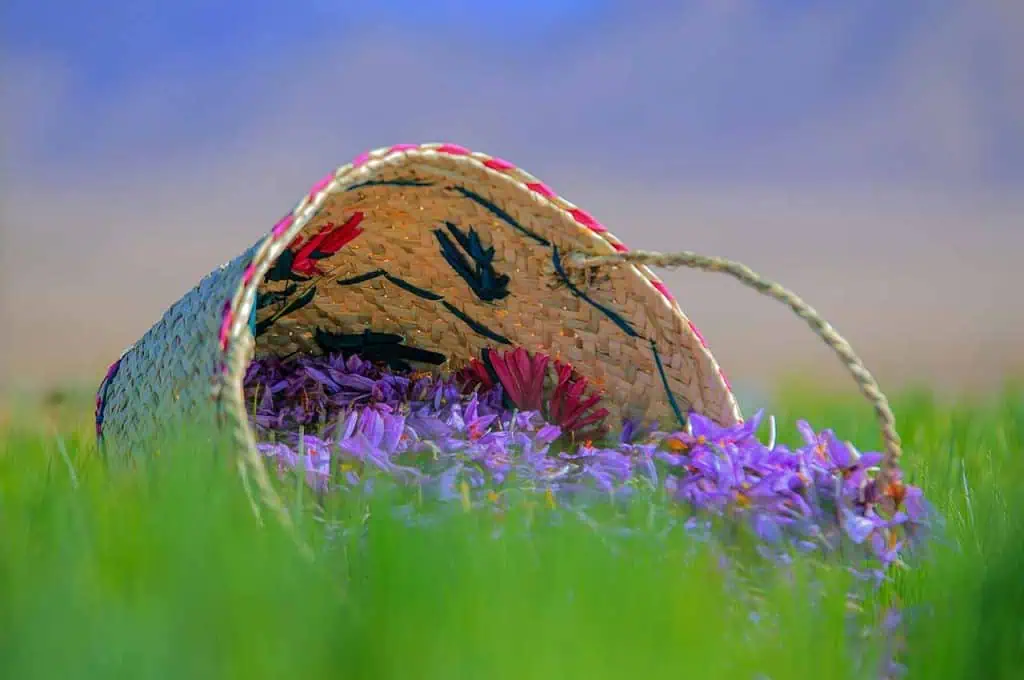
In England, particularly during the 16th and 17th centuries, saffron cultivation flourished in areas like Saffron Walden. The mild climate and favorable soil conditions allowed the delicate crocus flowers to thrive, leading to the town's economic growth. These saffron towns became centers of both agriculture and commerce, with local markets distributing the spice widely. The English tailored saffron for regional dishes, emphasizing its adaptability and value within their culinary landscape.
Modern Production in Iran
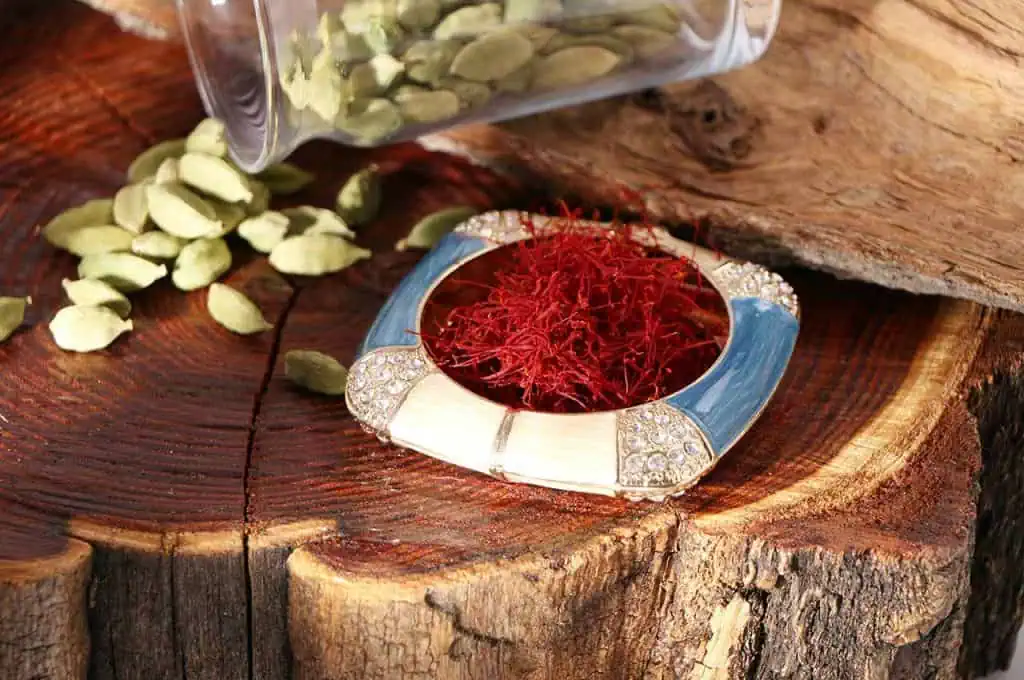
Today, Iran dominates the saffron market, producing over 90% of the world’s supply. The country's dry climate and methods passed down through generations result in high-quality saffron. Harvesting is painstaking, with thousands of flowers needed for just a few grams of the spice, highlighting the labor-intensity involved. Iranian saffron is prized for its potent aroma and deep color, attributes that make it a preferred choice for haute cuisine around the globe, ensuring its continued culinary significance.
The Future of Liquid Gold

Saffron, often referred to as liquid gold due to its high cost and vibrant hue, continues to find new culinary applications. Modern chefs are experimenting with saffron-infused oils, tapping into its warm, earthy flavor to elevate contemporary dishes. These oils capture saffron's essence, offering a delicate yet complex taste ideal for drizzling over grilled seafood or folded gently into risottos. As sustainability becomes paramount, the spice’s cultivation may shift towards more eco-friendly practices, ensuring its continued presence in haute cuisine.


