
9 Menu Words That Don’t Mean What You Think They Do

Menus often feature words that sound appealing but can be misleading. Understanding these terms ensures you're making informed choices about your meal. This guide explores common menu terms that may not mean what you think, highlighting the nuances and realities behind popular culinary descriptors. By clarifying these terms, you'll engage with your dining experience more knowingly and perhaps enjoy more authentic flavors.
The Truth About “Artisanal”

The term “artisanal” suggests products crafted by hand with high-quality ingredients. However, it's frequently used as a marketing tactic to evoke rustic charm. True artisanal items typically involve small-batch production, skillful techniques, and minimal additives. To discern authenticity, look for details about the process or source on the menu or ask about the production methods. Trust menus that provide specific provenance or emphasize craftsmanship.
Decoding “Homestyle” Dishes

“Homestyle” invokes images of homemade, comforting dishes, yet can refer to anything designed to taste familiar rather than being prepared in an actual home kitchen. Restaurants use this term to evoke nostalgia, but not all “homestyle” dishes are made from scratch with high-quality ingredients. Investigate the preparation details or ingredient lists provided to determine if you're truly getting a taste reminiscent of homemade cooking, rather than an approximated version.
When “Fresh” Isn’t Fresh
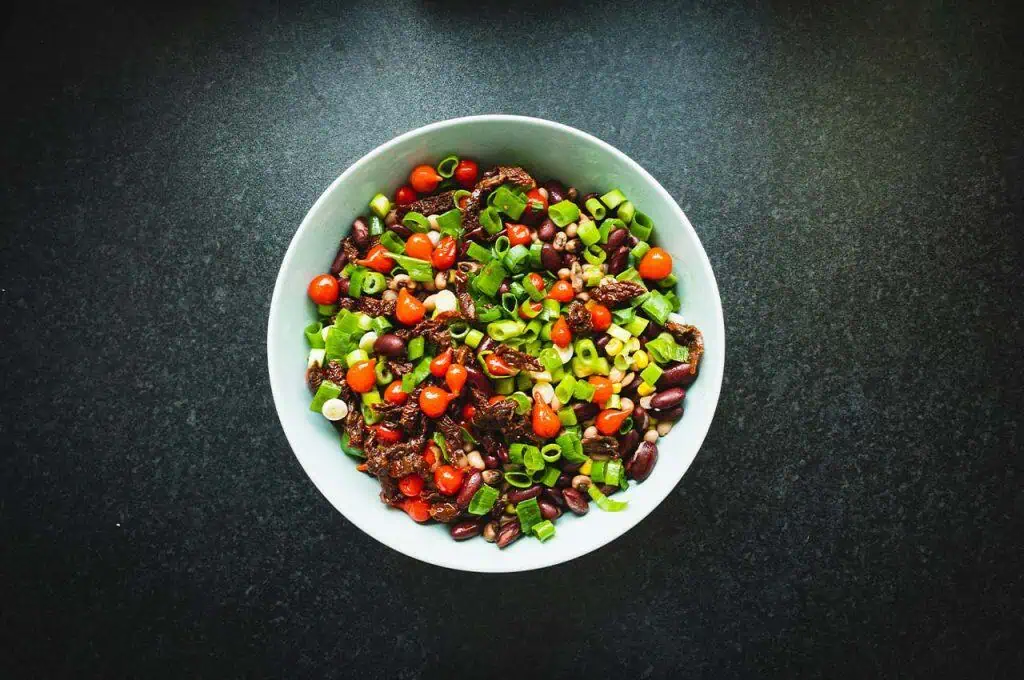
The word “fresh” implies recent preparation or sourcing but can be misleading. Often it denotes flavor rather than product freshness, with items possibly prepared elsewhere, using preservation to extend shelf life. To ensure genuine freshness, consider seasonal menus or restaurants emphasizing local sourcing. Inquire about the delivery schedules if concerned, as truly fresh items are typically delivered daily. Understanding these nuances can enhance your dining satisfaction.
Understanding “Signature” Items

“Signature” items are presented as a chef’s standout creation, yet in many cases, the label is merely a marketing strategy. True signature dishes showcase unique techniques or flavors that define a chef's style. When encountering a “signature” offering, consider the description of unique ingredients or preparation methods. Authentic signature dishes will often be particular to the restaurant and feature innovative or refined culinary techniques, providing a true sense of culinary identity.
Is “Premium” Just a Ploy?

The term “premium” is often used to suggest superior quality, but its application can be misleading. This label is not governed by regulatory standards, leaving it open to broad interpretation. Products marked as premium don’t always guarantee better ingredients or craftsmanship. Home cooks should focus on specific characteristics like origin, grade, and production method rather than relying solely on this label. When shopping, compare the “premium” product with others to discern actual quality differences, ensuring you make informed choices based on taste and texture.
Misleading “Farm-Raised” Claims

“Farm-raised” is commonly associated with ethical practices and fresh, nutritious ingredients, yet the term lacks a uniform definition. This descriptor may involve large-scale industrial operations rather than the idyllic farms one might envision. To ensure quality, research the source and practices of the farm. Look for certifications such as organic or free-range that provide clearer indications of farming practices. Understanding these nuances enables you to select ingredients that align with your values and quality expectations, enhancing your culinary creations.
Unpacking “House-Made” Labels

The allure of “house-made” speaks to freshness and authenticity, promising dishes crafted in-house by skilled chefs. However, this label can range from entirely homemade to simply assembled using pre-made components. To gauge authenticity, pay attention to restaurant reviews or inquire directly about preparation methods. When trying to replicate at home, focus on using fresh, high-quality ingredients and take the time to master fundamental techniques. This approach not only elevates your dish but ensures it embodies the true spirit of a “house-made” creation.
What “Gourmet” Really Means

The word “gourmet” often suggests an elevated gastronomic experience but can be used loosely to add perceived value. True gourmet food involves high-quality ingredients and exceptional preparation, reflecting a passion for culinary arts. For home cooks aspiring to recreate such dishes, it's essential to focus on ingredient provenance, sophisticated techniques, and balance of flavors. Experiment with complex seasoning profiles and presentation to achieve an authentic gourmet experience that delights both eye and palate.
The Reality of “Seasonal” Ingredients

“Seasonal” ingredients promise peak freshness and flavor, yet this term can be manipulated in less scrupulous menus. Ingredients out of sync with local growing seasons may still be labeled as such when sourced from diverse locations. To truly harness the essence of seasonality, consult local farmers or markets to understand what’s genuinely in season in your area. By doing so, you ensure access to the freshest produce, enhancing the taste and nutritional value of your dishes, and supporting sustainable practices.


