
These 11 All-American Foods Are Outlawed Overseas

American cuisine, celebrated for its diversity and innovation, includes some foods that face restrictions outside the United States. Understanding why these foods are banned elsewhere can provide insight into global food safety standards and encourage mindful consumption. This article explores 11 such foods, focusing on what makes them controversial in other countries. From farm-raised salmon to specific additives in milk and bread, each section outlines the reasons behind foreign bans and offers practical information for American consumers.
Farm-Raised Salmon: What's the Catch?

Farm-raised salmon is often banned in other countries due to concerns over synthetic pigments used to achieve their characteristic pink hue. These additives, like astaxanthin and canthaxanthin, are not typically found in wild salmon, leading to restrictions. When selecting salmon, opt for wild-caught if possible, as it is free from these coloring agents and often contains fewer harmful pollutants. Cooking methods like grilling or searing can enhance the salmon’s natural flavors and retain its beneficial omega-3 fatty acids.
Ractopamine-Treated Pork: The Hidden Additive

Ractopamine is a feed additive used in the U.S. to promote leanness in pigs, but it is banned in the European Union and China due to health concerns. This drug can remain in the meat, raising questions about its long-term effects. To avoid ractopamine, look for labels stating ‘ractopamine-free’ or purchase organic pork, which does not allow synthetic growth promoters. When preparing pork, marinating and slow cooking can tenderize the meat and maximize its inherent flavors without reliance on artificial enhancers.
American Milk: The rBGH Debate

The use of recombinant bovine growth hormone (rBGH) in American milk production is prohibited in several countries, including Canada and the EU. This hormone increases milk yield but has sparked debate over potential health risks to humans and cattle. To avoid rBGH, select milk products labeled ‘rBGH-free’ or ‘organic,’ where hormone use is prohibited. When cooking with milk, understanding its role—from thickening sauces to enriching baked goods—can help you make informed choices that reflect both taste and ethics.
Bread and Potassium Bromate: A Risky Rise

Potassium bromate, used in American baking to strengthen dough and promote rise, is banned in countries like the UK and Canada due to its carcinogenic potential. Although it breaks down during baking, residues may remain. To steer clear, choose bread labeled ‘bromate-free’ or bake at home using bromate alternatives like ascorbic acid. Pay attention to proper kneading and proofing techniques to create a light, airy crumb without sacrificing safety. These small adjustments ensure delicious, worry-free results.
Artificial Dyes: Colors that Concern

Artificial food dyes like Yellow No. 5 and Red No. 40 add vibrant hues to many foods but have raised health concerns overseas. These synthetic colors, derived from petroleum, are linked to hyperactivity in children and allergies. In some countries, warning labels are mandatory, pressuring manufacturers to seek natural alternatives like turmeric and beet juice. Understanding these substitutions can elevate your cooking, making dishes not only visually appealing but also health-conscious and naturally vibrant.
Chlorine-Washed Chicken: Safety vs. Perception

The practice of washing chicken in chlorinated water is meant to reduce bacteria, yet it's banned in the EU over potential health concerns and animal welfare standards. While deemed safe by U.S. authorities, critics argue it masks poor sanitation. Instead, focus on sourcing high-quality poultry and employ meticulous kitchen hygiene. Opt for methods like brining and thorough cooking to ensure safety and enhance flavor, much preferred by discerning home cooks seeking authenticity and quality.
BVO in Sodas: The Fizzy Dilemma
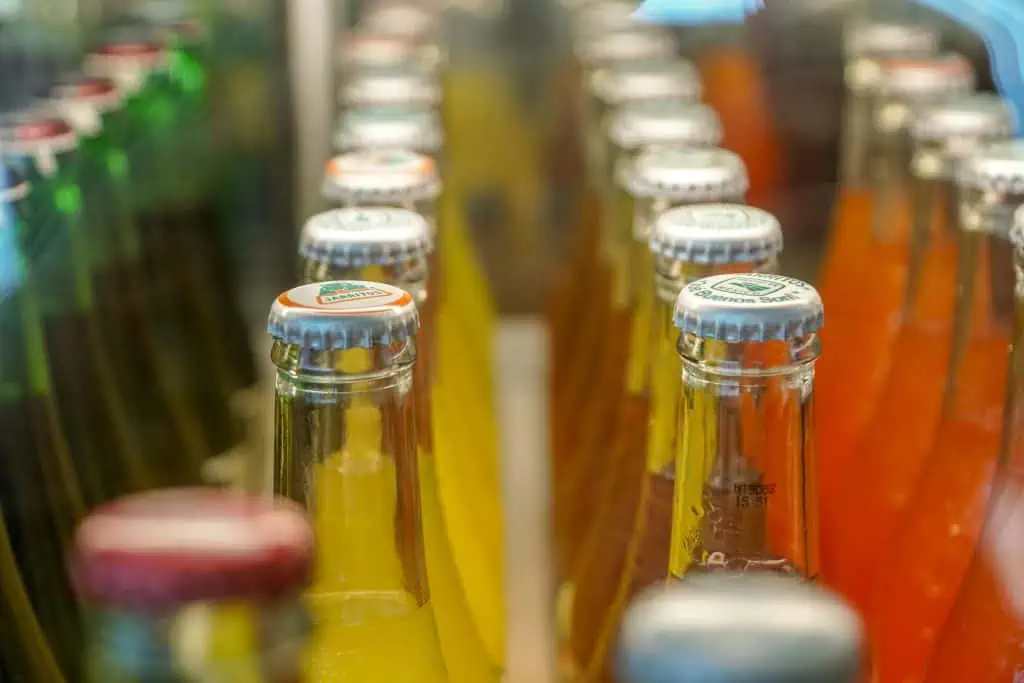
Brominated vegetable oil, or BVO, helps keep citrus flavors from separating in sodas but is banned in Europe and Japan due to health risks. Linked to memory loss and skin irritation in high doses, it prompts a rethink of beverage choices. Home cooks can make refreshing alternatives by infusing soda water with fresh fruit juices and herbs. By embracing homemade concoctions, you avoid chemicals and customize flavors to control sweetness and ensure a crisp, clean taste.
Azodicarbonamide: More than Just Bread
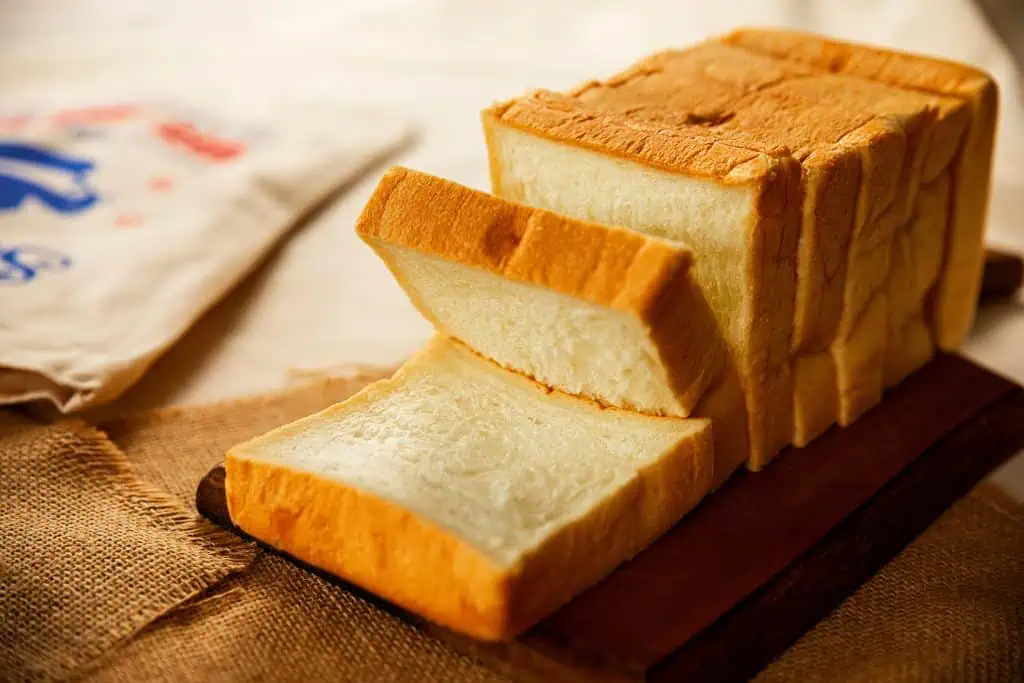
Azodicarbonamide, a flour bleaching agent, strengthens dough but raises concerns for its dual use in non-food industries like yoga mats. Recognized as safe in small amounts in the U.S., it's restricted in Europe and elsewhere. To upgrade your baking, consider slow fermentation methods and high-quality unbleached flour. These techniques not only enhance texture and flavor but also reflect a commitment to natural ingredients, elevating your artisan bread to new heights.
BHA and BHT: Preserving Controversy

Widely used to extend shelf life in cereals and snacks, BHA and BHT prevent oil rancidity but face scrutiny due to potential health risks, including cancer links. While deemed safe in limited amounts in the U.S., they’re restricted or banned in some regions. Explore preservation through natural antioxidants like vitamin E and rosemary extract. By opting for fresh ingredients and smart storage, you achieve longevity without synthetic additives, ensuring purity and taste integrity in your pantry staples.
Arsenic-Laced Chicken Feed: A Toxic History

In the quest for plumper poultry, some American farmers have historically resorted to arsenic-based additives in chicken feed. These additives, aimed at improving growth rates and the appearance of the meat, have faced bans in countries such as the European Union due to health concerns. The key issue lies in arsenic’s potential to accumulate in human tissues over time, posing cancer risks. Many advocates now promote using organic or free-range poultry as a safer, toxin-free alternative. For home cooks, choosing thoughtfully-sourced chicken ensures not only better taste but also healthier meals.
Olestra: The Zero-Calorie Controversy
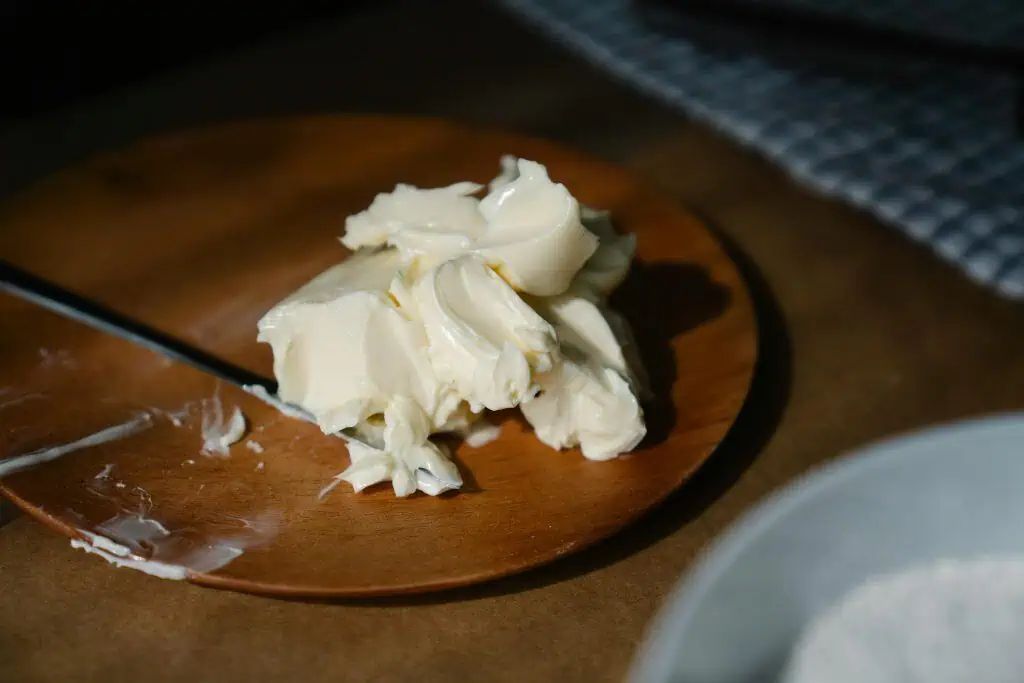
Olestra, a synthetic fat substitute, was once heralded as a breakthrough for fat-free snacking in the U.S. Despite its ability to pass through the body without being absorbed, it faced bans abroad, notably in the European Union, over health concerns. The main issues involve digestive upset and interference with nutrient absorption. For those seeking lighter alternatives, focusing on natural fats like olive oil can provide flavor without the risk. Substituting whole, unsaturated fats in moderation enriches dishes while maintaining dietary balance, proving more beneficial than artificial counterparts.


