
7 Global Comfort Foods That Are Perfect for Cold Winter Nights in the U.S.

sense of calm. Around the world, comfort foods often emerge from similar needs: cold weather, long nights, and the desire for nourishment that lingers. As American kitchens grow more globally curious, traditional comfort dishes from other cultures are becoming part of winter routines. These meals succeed because they rely on slow cooking, layered flavors, and textures designed to soothe rather than excite.
Ramen (Japan)
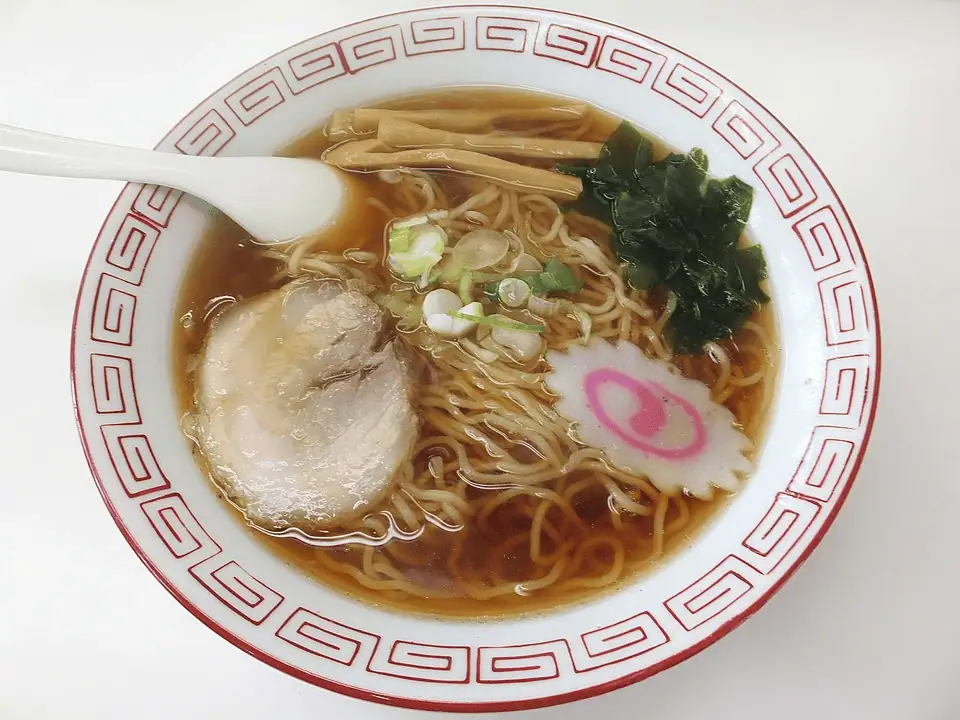
Ramen has become a winter essential in the U.S. because it delivers deep comfort in a single bowl. Rich broth, chewy noodles, and warm toppings create a meal that feels both filling and restorative. On cold nights, ramen provides sustained warmth without heaviness. Americans appreciate how customizable it is, allowing each bowl to match personal taste. Its popularity reflects a broader shift toward broth-based comfort meals during winter.
Pho (Vietnam)
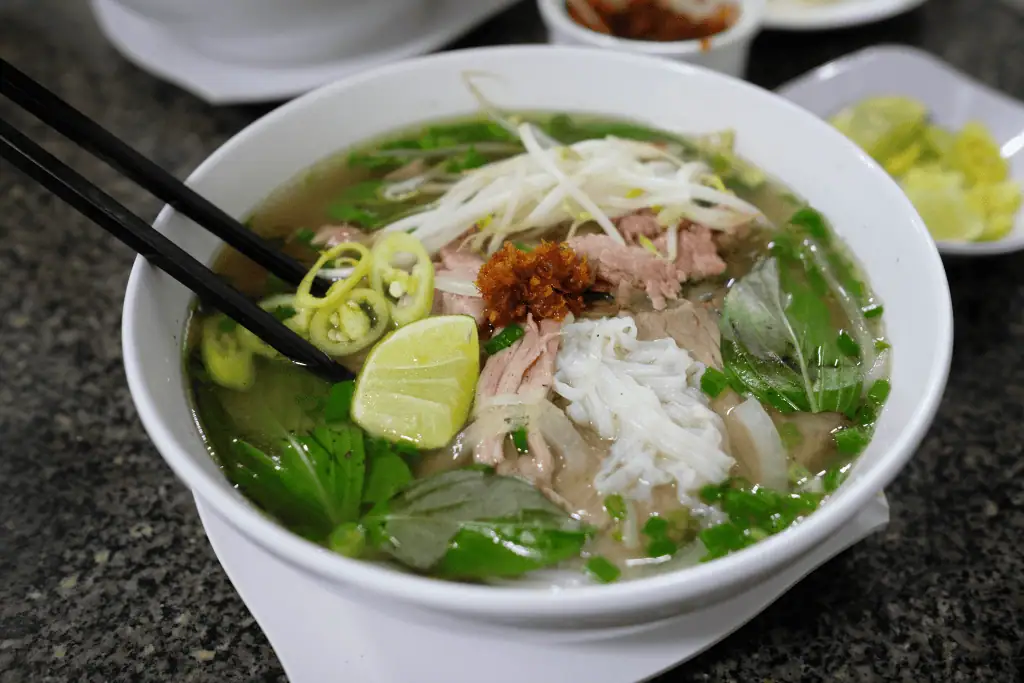
Pho is especially suited for winter nights because its gently simmered broth offers warmth without richness overload. Aromatic spices like star anise and cinnamon create heat that feels soothing rather than intense. In the U.S., pho is often chosen when people want comfort without feeling weighed down. Its balance of warmth, hydration, and fragrance makes it ideal for evenings when the body needs calm nourishment.
Beef Stroganoff (Eastern Europe)
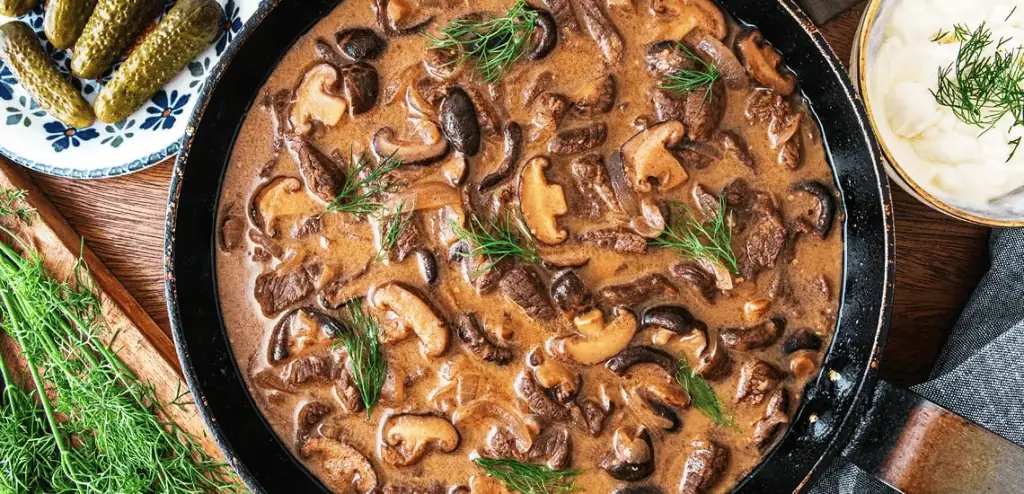
Beef stroganoff delivers winter comfort through creamy texture and savory depth. Tender beef combined with sauce-coated noodles creates a steady, grounding meal. During cold weather, Americans often turn to dishes that feel familiar and indulgent. Stroganoff fits easily into home cooking because it uses accessible ingredients while still feeling substantial. Its enduring appeal lies in how it balances richness with simplicity.
Kimchi Jjigae (South Korea)
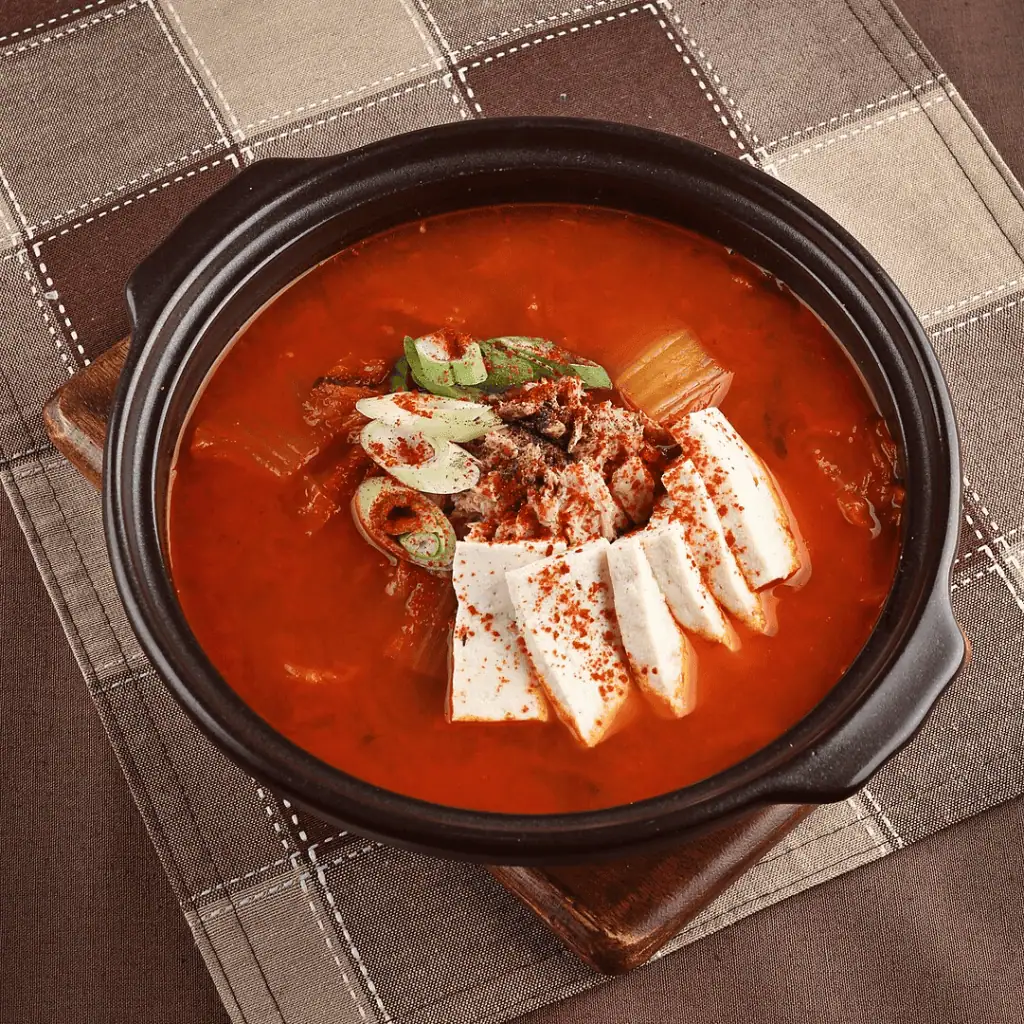
Kimchi jjigae has gained popularity in the U.S. as winter comfort food because of its warming spice and fermented depth. Slow simmering transforms kimchi into a rich, savory base that radiates heat. On cold nights, its intensity feels energizing and deeply satisfying. Americans increasingly embrace stews like this because they offer bold flavor while delivering lasting warmth and emotional comfort.
Shepherd’s Pie (United Kingdom)

Shepherd’s pie remains a winter staple because it layers warmth into every bite. Savory filling topped with creamy mashed potatoes creates a dish that feels complete and protective against cold weather. In the U.S., it’s valued for being hearty without complexity. Its structure allows leftovers and reheating, making it practical for winter schedules while still delivering traditional comfort.
Goulash (Central Europe)
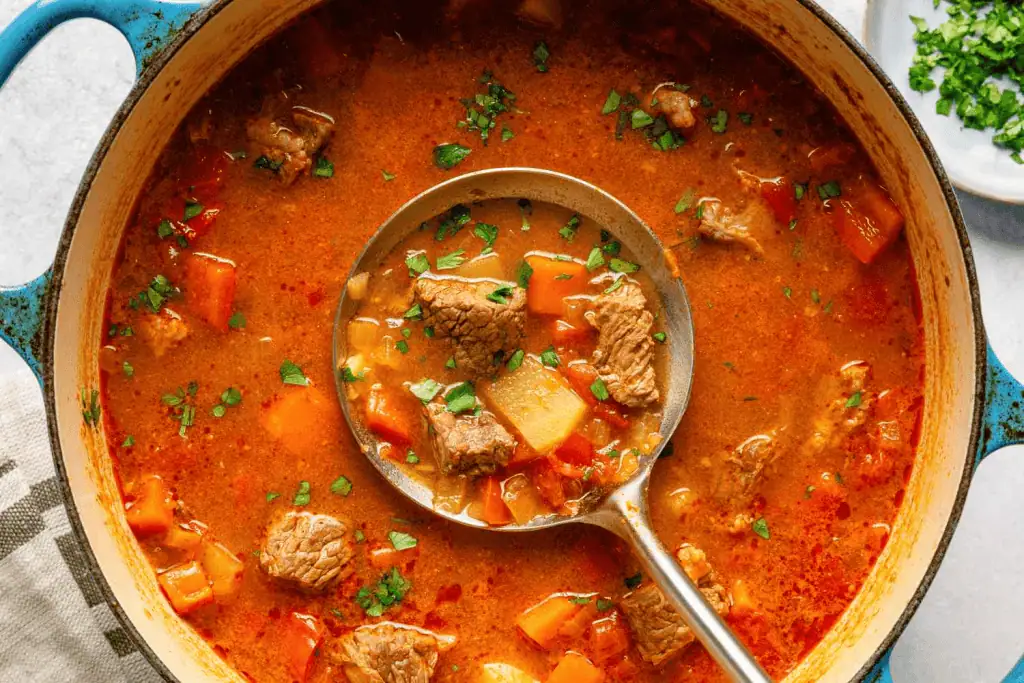
Goulash is built for cold climates, relying on slow cooking to develop depth and warmth. Rich broth, tender meat, and warming spices create a meal designed to sustain energy. Americans enjoy goulash during winter because it feels grounding and substantial. Its appeal lies in how it transforms simple ingredients into something deeply comforting through time and patience rather than technique.
Lentil Dal (India)
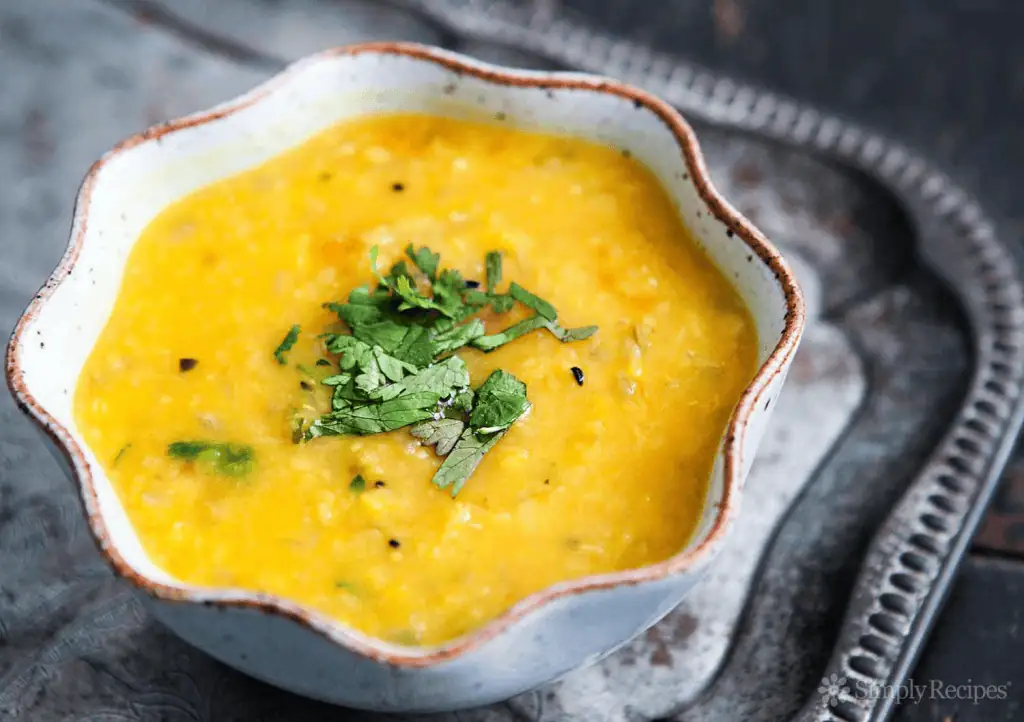
Lentil dal has become a winter comfort favorite because it offers warmth, nourishment, and balance. Slowly cooked lentils create a creamy texture, while spices add gentle heat that lingers. In the U.S., dal appeals to those seeking comfort without heaviness. Its ability to feel filling yet light makes it ideal for cold nights when people want both satisfaction and ease.


