
The SkinnyTok Trend: How Social Media Is Quietly Shaping Young Adults’ Relationship with Food

Social media continues to redefine our food culture, particularly among young adults, where platforms like TikTok influence eating habits and perceptions of body image. In recent times, “SkinnyTok” has emerged as a significant trend, subtly impacting how food is valued and consumed. This trend can reshape opinions, highlighting specific ideals about health and aesthetics. This exploration seeks to understand the integration of popular social media influences on food choices and the broader implications on personal well-being.
Understanding the SkinnyTok Phenomenon

At its core, “SkinnyTok” is a collection of content focusing on ultra-thin ideals, often glorifying restrictive eating and minimalistic diets. Users share videos showcasing low-calorie meals, often presented in aesthetically pleasing ways. This phenomenon extends beyond simple recipe sharing; it encapsulates a specific lifestyle, impacting viewers who seek to emulate these portrayed ideals. Understanding its influence requires recognizing how these visuals promote certain stereotypes about fitness and health, influencing purchasing and eating behaviors.
TikTok Algorithms: Crafting Our Cravings

TikTok's algorithms are designed to deliver content that aligns with users' preferences, thus reinforcing existing interests and introducing new trends. For “SkinnyTok” enthusiasts, the algorithm presents a continuous feed of similar content, subtly shaping users' thinking about food and body image. By prioritizing engagement and watch time, the platform pushes forward videos that can alter perceptions of balanced diets, creating an echo chamber where certain practices are normalized and potentially problematic behaviors are amplified.
Influencers and the Rise of Aesthetic Eating
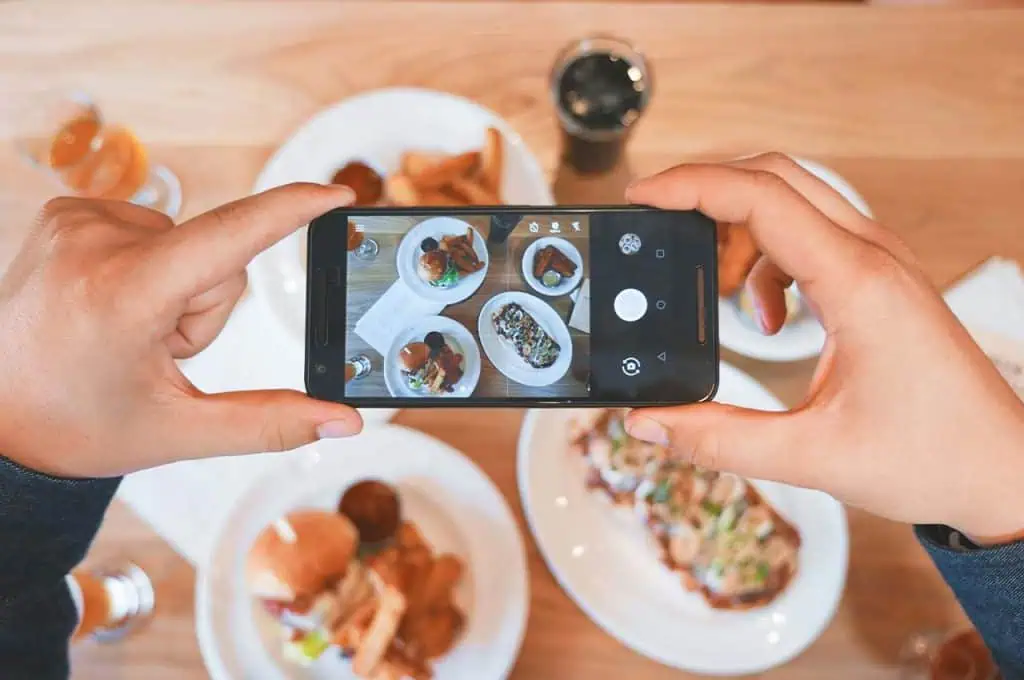
Influencers play a pivotal role in “SkinnyTok,” often curating their content to feature visually appealing meals that align with current trends of scant, stylized eating. These creators wield significant power, drawing large followings and impacting food choices among young audiences. Their representation of food not as nourishment but as an art form can shift focus from nutritional value to visual appeal, encouraging followers to prioritize aesthetics over health. This rise of aesthetic eating reshapes food consumption into a performance rather than sustenance.
Mental Health: The Hidden Costs of Food Culture

The pervasive nature of “SkinnyTok” can have profound effects on mental health, placing pressure on individuals to conform to unrealistic body standards. This environment fosters a culture where self-worth may become linked to dietary choices and physical appearance, often leading to anxiety and body image issues. Challenging the stereotypes perpetuated by these trends is crucial in promoting a balanced view that prioritizes health over appearance. Understanding these hidden costs is essential for fostering a healthier and more inclusive food culture.
Peer Validation: The Power of Social Approval

Social media platforms, especially those driven by visual content, thrive on peer validation. Likes, shares, and comments serve as digital affirmations that can significantly influence users, encouraging the emulation of trending dietary habits. This desire for approval can inadvertently shape food choices, promoting dishes that align with popular aesthetic or health trends. The phenomenon of ‘SkinnyTok’ illustrates this vividly, as young adults often conform to food-related content that garners social approval, even if it strays from balanced nutritional practices.
Experts Weigh In on Healthy Social Media Use

Nutritionists and psychologists recognize the potential impact social media has on eating habits and advocate for mindful engagement. Experts suggest setting boundaries to limit exposure to potentially harmful content while encouraging diverse, evidence-based nutrition information on these platforms. Curating a feed that includes a variety of dietary perspectives and maintaining critical thinking skills when consuming content is crucial. By doing so, young adults can foster a healthier relationship with food that prioritizes nourishment and well-being over fleeting trends.


