
The Rise of Refined Oils: How Industrial Fats Transformed Home Cooking and Our Bodies

Culinary landscapes have evolved dramatically with the introduction of refined oils. These oils, extracted and processed for maximum stability and neutrality, have shifted how home cooks approach flavor and texture in their kitchens. The transformation began with the industrial revolution, bringing about changes in both cooking techniques and dietary impacts. Understanding this shift helps cooks make informed choices about the fats they use, recognizing how these oils have altered not just recipes, but also our health.
From Butter to Bottled Oils: A Kitchen Shift
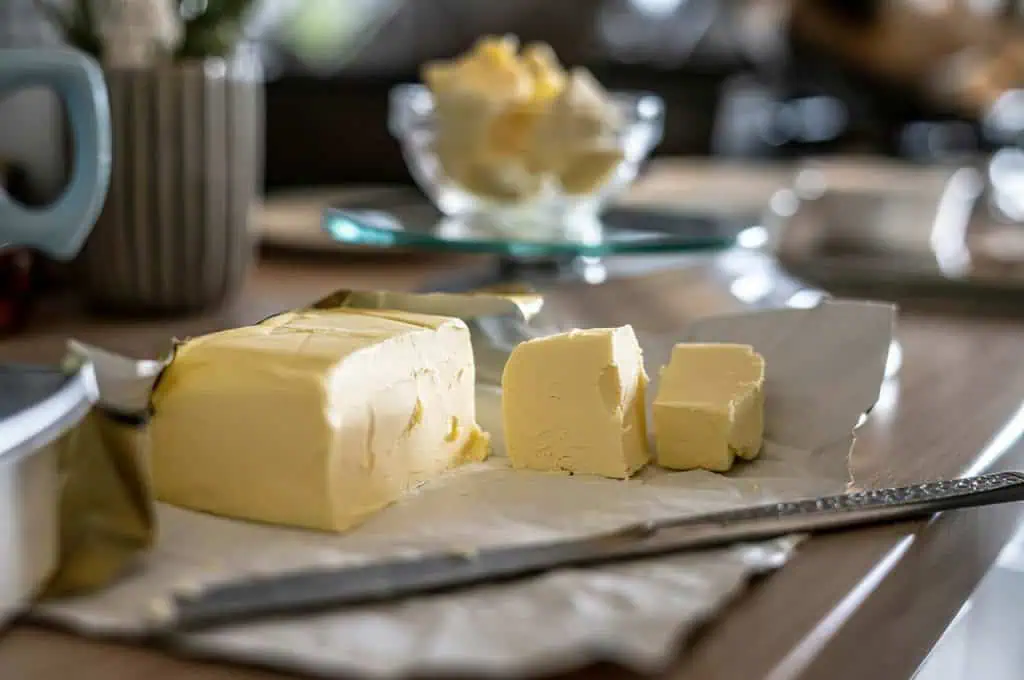
The transition from butter and lard to bottled oils marked a significant change in kitchen practices. Butter, with its richness and distinctive flavor, has been a staple for centuries. However, the advent of refined oils such as canola and sunflower offered a neutral taste and higher smoke points, ideal for frying and sautéing. This shift provided home cooks with greater versatility and convenience, allowing for a smoother integration into varied culinary techniques, ultimately expanding the range of dishes they could create.
The Birth of Industrial Oils: Cottonseed & More
Industrial oils began their journey with innovations in extraction techniques, turning inedible seeds into kitchen staples. Cottonseed oil led the way, initially a byproduct of the cotton industry, later refined for consumption. This process was enhanced by hydrogenation, creating stable fats like margarine. These technological advances opened the door for other oils such as soybean and corn, offering an alternative to animal fats. This allowed for mass production and distribution, altering the culinary landscape significantly.
Marketing Health: Oils vs. Traditional Fats
As industrial oils gained popularity, marketing campaigns touted them as healthier alternatives to traditional fats. These oils were positioned as heart-friendly options due to their unsaturated fat content, contrasting with saturated animal fats. Such messages resonated with health-conscious cooks, driving a shift in consumer preferences. However, it's crucial to understand the balance between types of fats, as overly processed oils can contribute to health issues when consumed in excess, illustrating the need for moderation and balance.
Global Farming and Oil Crop Expansion
The demand for refined oils accelerated the expansion of agricultural practices worldwide. Crops like soybeans, palm, and rapeseed became pivotal in global agriculture, with vast fields dedicated to their cultivation. This growth supported large-scale oil production while also impacting environmental and economic systems. Farmers adapted to this demand, influencing commodity markets and international trade. For the home cook, this expansion meant greater variety and accessibility, reflected in the diversity of oils now available in markets globally.
Changing Flavors in Everyday Cooking
Refined oils have redefined how we approach everyday cooking. Once predominated by animal fats and butter, modern kitchens now feature a spectrum of plant-based oils, each with a unique flavor profile. Sunflower oil offers neutrality, ideal for delicate dishes, while olive oil adds a rich, grassy note to Mediterranean cuisine. These oils improve sautéing and frying due to their higher smoke points, enhancing flavors without overpowering them. Understanding these properties allows cooks to choose the right oil, tailoring taste and texture in dishes from stir-fries to baked goods.
The Health Debate: Trans Fats & Omega Risks

The integration of industrial oils sparked discussions around health, mainly focusing on trans fats and omega balances. Industrial processes often create trans fats, linked to heart disease. Understanding labels is crucial; look for ‘hydrogenated' as a sign of trans fats. Meanwhile, omega-6 fatty acids, prevalent in many refined oils, compete with omega-3, potentially driving inflammation when imbalanced. Incorporate oils rich in omega-3, like flaxseed and walnut, to maintain a more favorable ratio. Awareness and balanced consumption are essential for harnessing health benefits while mitigating risks.
What’s Next: Cold-Pressed & Alternative Oils
With a shift towards healthier options, cold-pressed and alternative oils are gaining popularity. Cold-pressed oils, like extra virgin olive oil, retain more nutrients due to minimal processing, offering robust flavors and health benefits. Consider avocado oil for its neutral taste and high smoke point, or explore hemp seed oil for its nutty essence and omega-3 content. These oils provide more than just a cooking medium, enriching dishes with complex flavors and healthful properties. As consumers become more health-conscious, the demand for diverse, minimally processed oils continues to grow.


