
The Psychology Behind Why We Crave Fast Food at Night
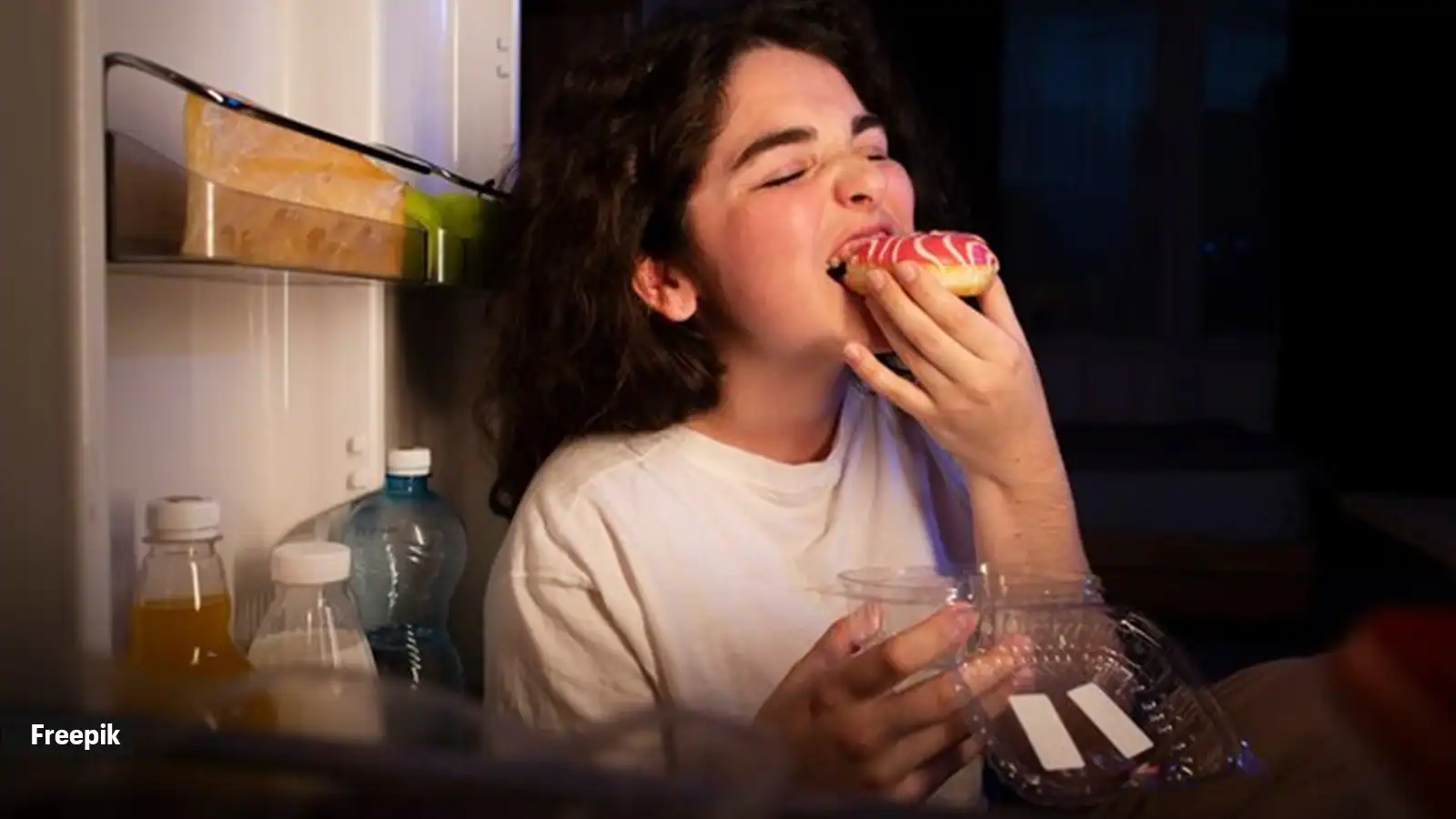
In 2026, the “midnight snack” has moved from a guilty pleasure to a major field of neurobiological study. According to recent February 2026 research, late-night cravings for fast food are rarely about actual hunger and are instead a complex interaction between your brain’s reward system and your hormones.
As work-from-home culture and “revenge bedtime procrastination” keep us up later, our bodies are factually wired to seek out high-calorie energy to compensate for fatigue. We have broken down the current 2026 scientific consensus on why that 11 PM drive-thru run feels so chemically irresistible.
The Circadian Rhythm Trap

Your body’s internal clock, the suprachiasmatic nucleus, naturally increases cravings for sweet, salty, and starchy foods in the evening. According to a landmark 2025 study, this is an evolutionary survival mechanism designed to help our ancestors store energy before the long overnight fast of sleep.
Even in a 2026 world of abundant food, your brain still “thinks” it needs to stock up on calories as the sun goes down. This biological drive peaks around 8 PM to 10 PM, making it factually harder to resist high-fat foods during these hours than at any other time of day.
Decision Fatigue and the Prefrontal Cortex

By the end of a long day in 2026, your prefrontal cortex, the part of the brain responsible for executive function and self-control, is essentially “exhausted.” According to recent neuroimaging data, as mental fatigue sets in, the brain’s “top-down” inhibitory control weakens, allowing the more primitive reward centers to take over.
This is why you can easily choose a salad for lunch but find it nearly impossible to say no to a burger at midnight. Your brain simply lacks the cognitive energy to fight the impulse for an instant dopamine hit.
The “Sleepy Nose” Phenomenon

New 2026 data confirms that sleep deprivation actually sharpens your sense of smell specifically for high-calorie, energy-dense foods. According to researchers at Northwestern University, a tired brain enters a state of “olfactory hyperdrive,” making the scent of grease and salt significantly more enticing than it is when you're well-rested.
Simultaneously, there is a breakdown in communication between the nose and the brain’s satiety centers. This means you don't just want the fast food more; your brain actually fails to tell you when you’ve had enough.
Cortisol and Emotional “Fixing”

For many, late-night eating is a factual attempt to manage the “cortisol spikes” caused by a stressful 2026 work day. According to psychiatrist Dr. Vineet Pali, when distractions are low at night, emotional feelings like loneliness or stress become “louder,” and the brain looks for a quick fix.
High-carb fast foods trigger a release of dopamine and serotonin, which temporarily soothes emotional discomfort and lowers stress levels. This creates a “habit loop” where your brain begins to view a late-night milkshake as a necessary emotional tool rather than just food.
The Ghrelin-Leptin Imbalance

If you haven't slept enough, your body undergoes a factual hormonal shift that makes you feel “starving” regardless of your actual needs. According to 2026 metabolic audits, sleep restriction increases ghrelin (the hunger hormone) while suppressing leptin (the fullness hormone).
In this state, your body “freaks out” and assumes it is in a caloric deficit, leading to cravings that can be 400 to 500 calories higher than normal. This is why “just one fry” often turns into an entire meal, your body is chemically incapable of signaling that it is satisfied.


