
10 Foods That May Cause Kidney Stones—and 10 That Can Help Prevent Them

Kidney stones, hard mineral deposits forming in the kidneys, can cause significant discomfort. Awareness of dietary choices is crucial in managing and preventing these stones. Certain foods, high in oxalates or other stone-promoting compounds, can increase risk, while others may aid in prevention. This guide outlines ten foods to approach with caution and ten that may offer protective benefits, helping you maintain urinary tract health with informed, mindful eating.
The Spinach Dilemma
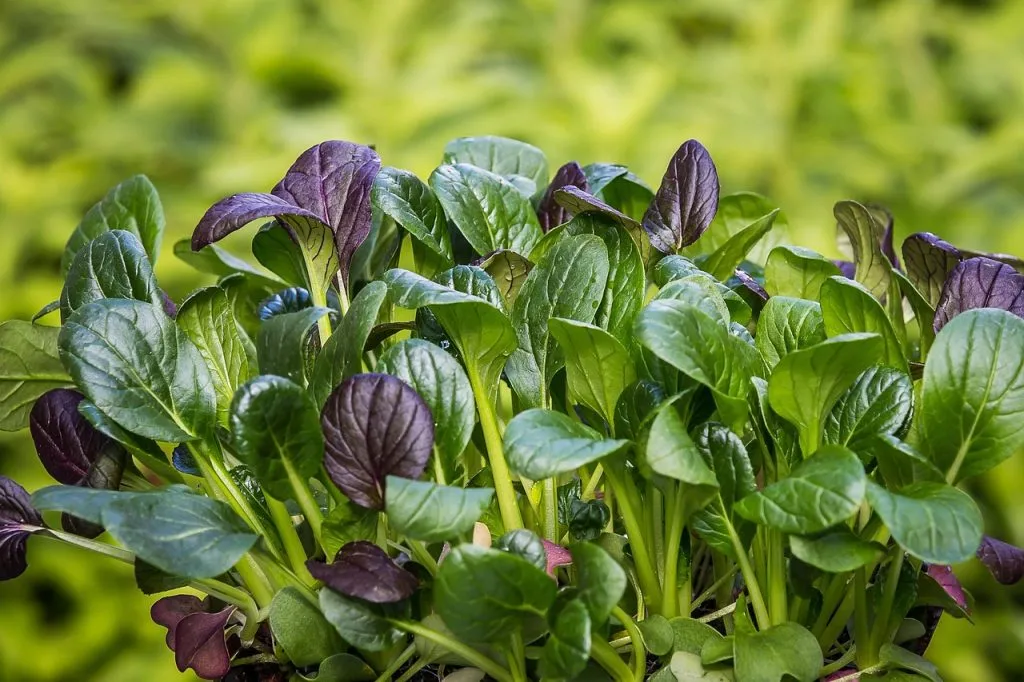
Spinach, packed with vitamins and nutrients, is also high in oxalates—well-known contributors to kidney stones. While rich in fiber and antioxidants, the oxalates can bind with calcium during digestion, potentially forming stones. To enjoy spinach in moderation without increasing stone risk, consider pairing it with calcium-rich foods to assist in binding oxalates in the gut, or opt for boiled spinach which reduces oxalate content more effectively than raw.
Rhubarb: A Surprising Culprit

Rhubarb is often underestimated as a dietary hazard for those prone to kidney stones. Its tart stalks are laden with oxalates, much like spinach. Cooking rhubarb can lessen its oxalate levels, but it remains a food to limit. Those with a predisposition to stones should consume it sparingly and ideally balance it with low-oxalate ingredients. Knowing its potential effects can help you enjoy rhubarb season without negating your kidney health efforts.
Beet Lovers Beware

Beets, renowned for their earthy flavor and vibrant color, unfortunately harbor high oxalate levels. For those with a history of kidney stones, moderating beet intake is advisable. Consuming them occasionally, combined with ample hydration and calcium intake, can mitigate the risk while still taking advantage of their nutritional benefits like folate and fiber. Roasting or boiling beets can be good methods to enjoy them in moderation.
Nuts and Nut Butters: Risky Treats

While nuts and nut butters are excellent sources of protein and healthy fats, they also rank high in oxalates. Almonds and cashews, in particular, can aggravate kidney stone formation. To reduce risk, limit portions and balance your diet with lower-oxalate foods. Opt for nuts lower in oxalates, like pecans or macadamias, if you're stone-prone. Hydration also plays a key role; aim to drink water consistently to help flush out potential stone-forming compounds.
Chocolate: Sweet but Risky
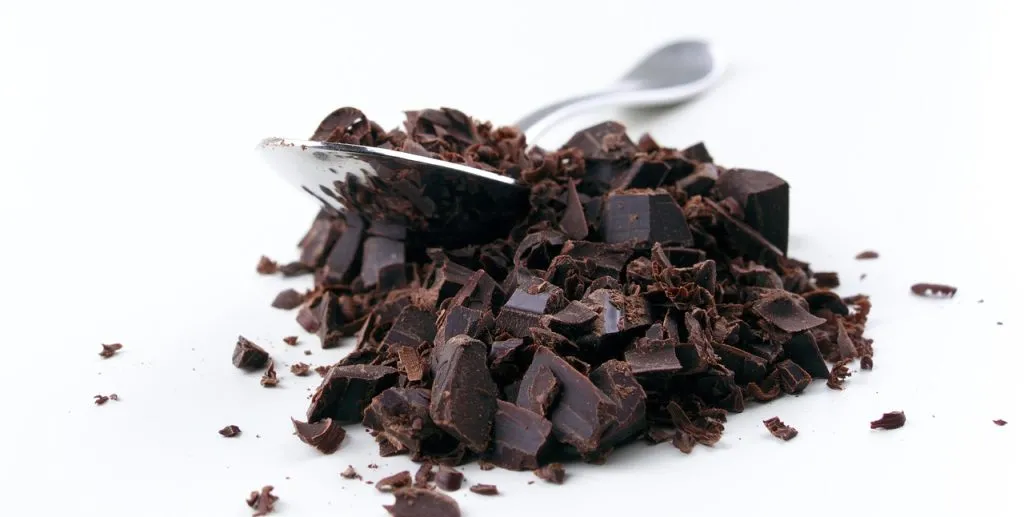
Chocolate, while beloved for its rich flavor, contains oxalates, compounds that can contribute to kidney stone formation. These are particularly abundant in dark chocolate and cocoa products. For those prone to kidney stones, consider moderating your intake and opting for lighter cocoa options. To maintain the indulgence without the risk, try enjoying chocolate in smaller servings or substituting with white chocolate, which contains significantly fewer oxalates. Balancing your diet with plenty of water helps flush these compounds more effectively.
Tea Times to Reconsider

Tea, especially black tea, is a soothing elixir, but it's also high in oxalates, similar to chocolate. Regular consumption can increase the risk of stone development for susceptible individuals. For a lower-oxalate alternative, explore herbal teas such as chamomile or mint. Adjust the strength of your brew to reduce oxalate levels or consider alternating days to prevent accumulation. Staying hydrated is key, so pairing your tea with extra water can also be beneficial in diluting oxalates.
Salt: The Sneaky Stone Starter
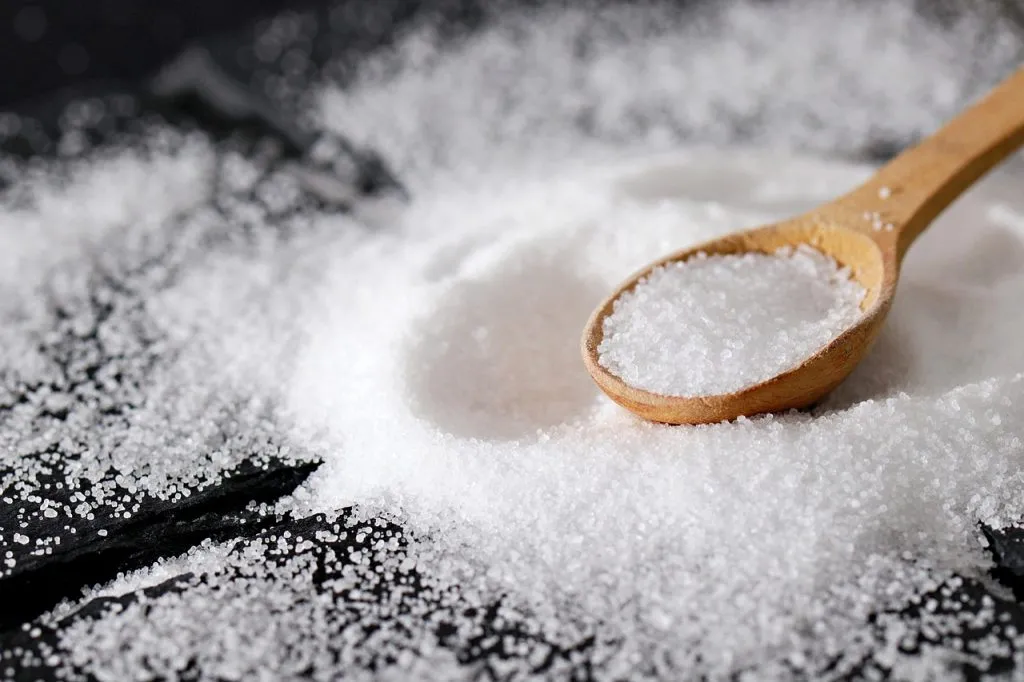
Excessive salt intake can elevate calcium levels in the urine, a primary factor in stone formation. Processed foods often hide surprising amounts of sodium, making them a common culprit. Opt for fresh, unprocessed ingredients and enhance flavor with herbs and spices instead. Reading labels carefully can guide you to better choices. To minimize risks, maintain a balanced diet with plenty of fresh fruits and vegetables, which can counteract the effects of sodium and support kidney health.
Red Meat: Moderation Matters

Red meat, while a robust source of protein, can increase uric acid levels, a potential contributor to kidney stones. Consuming it in moderation and balancing with plant-based proteins can mitigate risks. Opt for lean cuts and incorporate cooking methods that reduce fat, like grilling or broiling. Consider replacing some red meat meals with fish or poultry to maintain a heart-healthy and kidney-friendly diet. Pairing with alkaline foods like vegetables can further help neutralize acid levels.
Cola Drinks: A Sugary Threat

Cola beverages, famous for their refreshing sweetness, often contain high levels of phosphorous and sugar, both of which can contribute to kidney stone formation. Reducing consumption and substituting with water or natural fruit-infused drinks can lessen your risk. Opt for drinks with no added sugars and check labels for phosphoric acid, which should be minimized. Staying hydrated with pure water between indulgences can help keep your kidneys flushed and reduce stone formation potential.
Vitamin C: A Double-Edged Sword

Vitamin C supplements, while beneficial for immune support, can sometimes contribute to kidney stone formation. Excessive intake of ascorbic acid can convert into oxalate, a component of certain types of stones. To minimize risk, balance supplementation with dietary sources like strawberries and bell peppers that provide Vitamin C without over-supplementing. Monitor your intake if you have a history of stones, as moderation holds the key to harnessing its health benefits while avoiding pitfalls.
10 That Can Help Prevent Them
While certain foods can contribute to the formation of kidney stones, the good news is that your diet can also play a powerful role in preventing them. By making strategic food choices, you can support your kidneys, reduce stone-forming compounds in your urine, and promote overall urinary health. Below are 10 foods that may help prevent kidney stones—naturally and effectively.
Water: The Ultimate Cleanser

Staying well-hydrated is one of the simplest and most effective ways to prevent kidney stones. Water dilutes substances in the urine that could otherwise form crystals. Aim for at least 8-10 glasses daily, adjusting based on activity level and climate. Consistent hydration helps flush the kidneys, reducing the concentration of stone-forming elements. Consider adding a slice of lemon or cucumber for a refreshing twist, keeping your water intake appealing and more frequent throughout the day.
Lemon Juice: Citrusy Saviour

Lemon juice naturally contains citrate, a compound that can inhibit stone formation. Adding fresh lemon juice to your daily routine aids in breaking down calcium oxalate stones. For a practical approach, start the day with a glass of water mixed with the juice of half a lemon. This tangy addition not only provides a bright flavor kick but also serves as a preventive measure against stones. Emphasize using fresh lemons over concentrates for maximum health benefits.
Oranges: Juicy Prevention

Oranges, known for their vibrant taste and vitamin C content, also offer protection against kidney stones due to their citric acid. Eating whole oranges or drinking freshly squeezed juice encourages urinary citrate levels to rise, which can lessen the risk of stone formation. Integrate them into your diet as a snack or in salads. The natural sweetness and hydration from oranges additionally contribute to a healthy urinary tract, making them a beneficial choice.
Milk and Yogurt: Bone Up on Protection

Calcium-rich foods like milk and yogurt play a protective role against stones by counteracting oxalate in the body. Contrary to outdated myths, dietary calcium can help decrease the risk of developing stones. Opt for low-fat versions to maintain overall health while ensuring adequate calcium intake. Incorporate these into smoothies or breakfast bowls to effortlessly bolster your calcium levels while enjoying their creamy texture and nutritional benefits.
Bananas: The Zero-Oxalate Hero
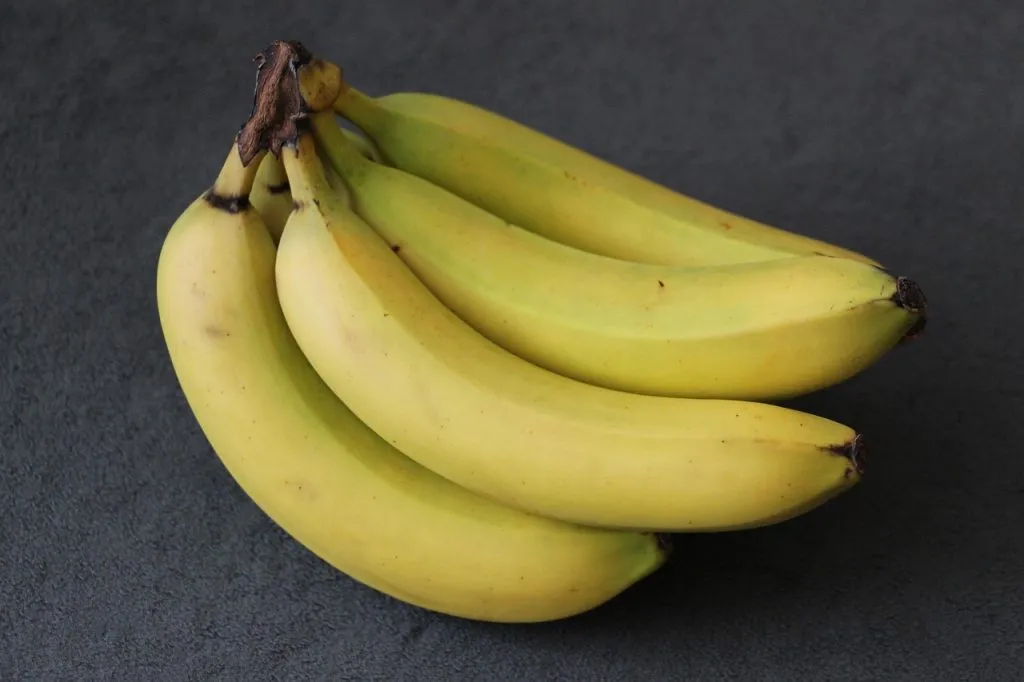
Bananas are celebrated for their negligible oxalate content, making them an ideal choice for those managing kidney stone risk. Their rich potassium levels support urinary health, helping to regulate calcium levels in the urine. Incorporate bananas into your diet by adding them to smoothies or simply enjoying them as a snack. Their natural sweetness and creamy texture make them versatile and enjoyable. Remember to choose ripe bananas to maximize nutrient absorption.
Cucumbers: Hydrating Helpers
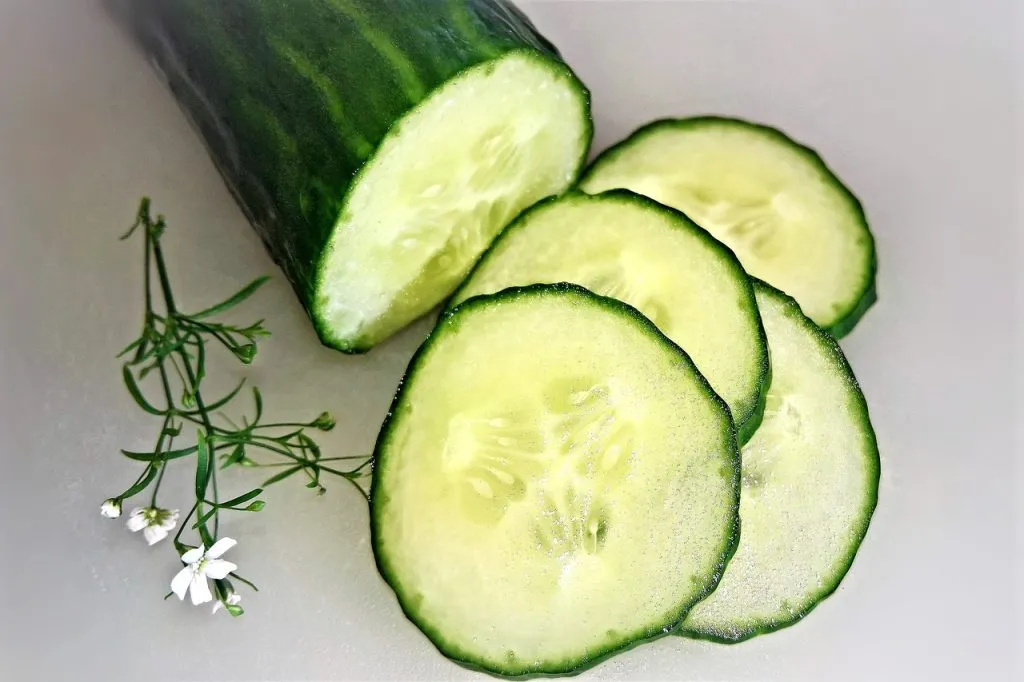
Cucumbers are known for their high water content, making them excellent for promoting hydration and flushing out potential stone-forming entities from the kidneys. Their mild flavor and refreshing crunch make them perfect in salads or infusions with water and a splash of lemon for extra zest. Opt for organic cucumbers to avoid pesticide residues, and enjoy them with the skin on to benefit from the fiber, which aids in overall digestive health.
Barley Water: Traditional Tonic
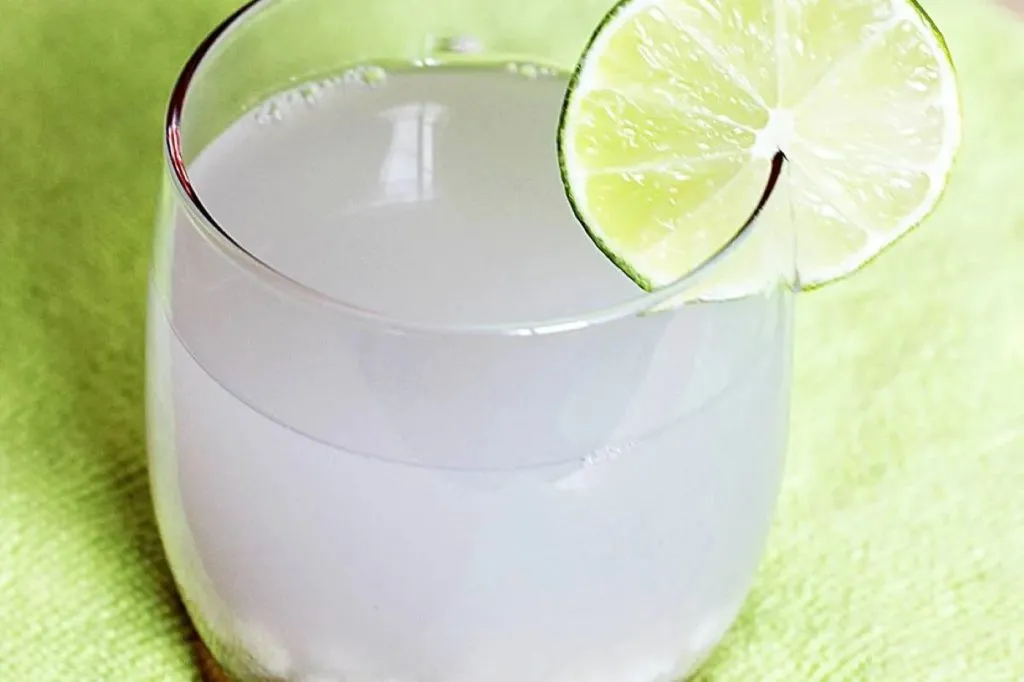
Barley water is a time-honored remedy praised for its diuretic properties that help maintain a clean urinary tract and prevent stone formation. To prepare, simmer barley in water until soft, then strain and enjoy the nutrient-rich water. Its subtle flavor can be enhanced with a squeeze of lemon or a hint of honey. Regular consumption supports kidney health by aiding in the reduction of calcium buildup, a common contributor to stone development.
Get Recipes : Barley Water
Basil: Herbal Healing
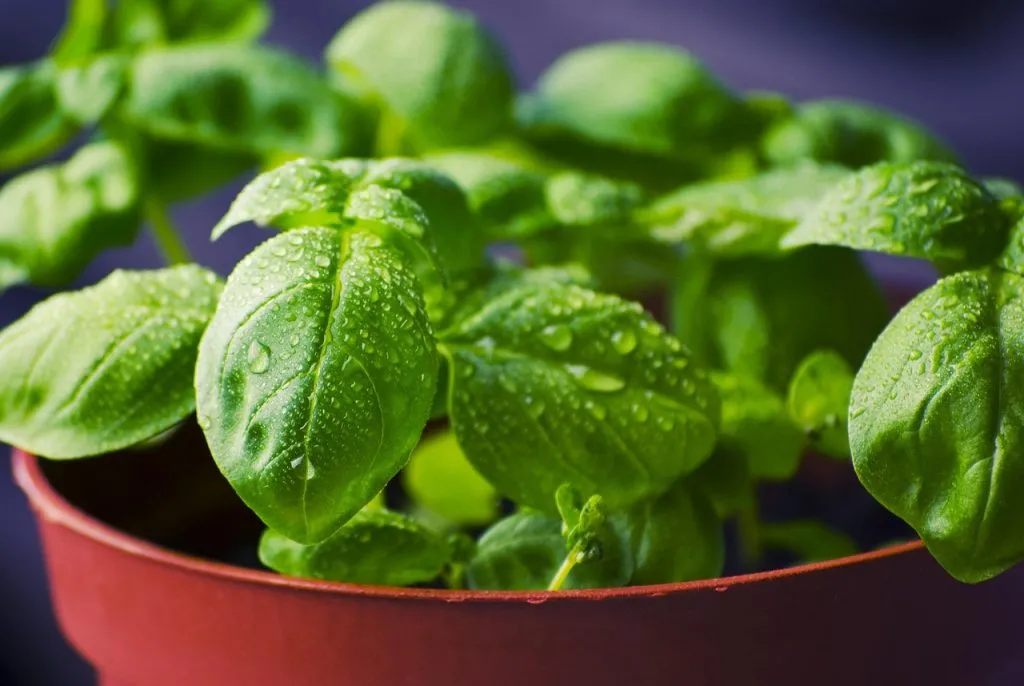
Basil offers diuretic qualities that help keep your kidneys operating efficiently. This fragrant herb contains acetic acid, which aids in breaking down and flushing out kidney stones. Incorporate basil into your meals finely chopped in salads, infused in water, or blended into a pesto. Its unmistakable aroma and flavor not only enhance dishes but also provide substantial antioxidant support, promoting overall kidney wellbeing.
Whole Grains: Fiber-Filled Shields

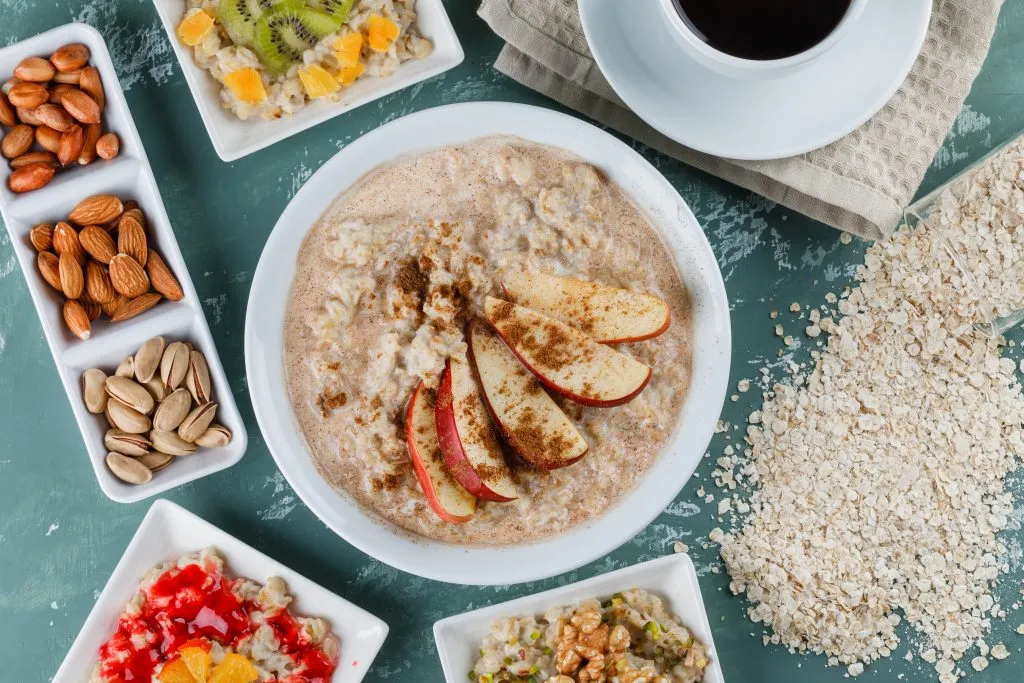
Whole grains, rich in fiber, support kidney health by aiding digestion and reducing the presence of calcium in urine. Foods like quinoa, brown rice, and oats help maintain a balanced diet while providing essential nutrients that assist in stone prevention. Integrate them into your meals as hearty porridge or as a satisfying base for vegetable bowls. The diverse textures and nutty flavors of whole grains are both satisfying and protective.
Apples: Crunchy Protection
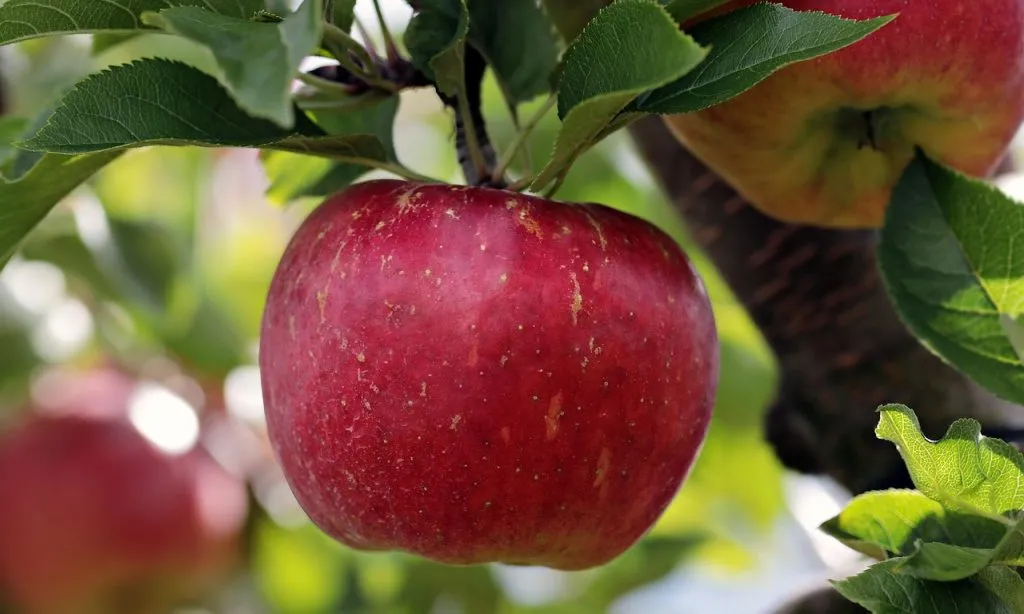
Apples offer a delicious way to support kidney health with their hydration and fiber content. Rich in antioxidants like flavonoids, they help reduce stone-forming agents by promoting efficient kidney function. Incorporate apples into your diet raw for maximum nutrient retention, or enhance their flavor by baking with spices like cinnamon. Remember to consume the skin where most of the fiber resides. Regular intake can aid in preventing stone formation while adding a refreshing crunch to salads or smoothies, making them both a versatile and protective choice.


