
The Plastic Century: How Packaging Went From Leaves to Convenience and What’s Next

Packaging has evolved tremendously over the centuries, transforming from simple organic materials to the complex, synthetic innovations we rely on today. This progression not only reflects advancements in technology and industry but also shifts in consumer needs and environmental awareness. Understanding this evolution allows us to appreciate the ingenuity behind everyday conveniences and challenges us to consider the future of sustainable packaging solutions.
Wrapped in Nature: Ancient Solutions
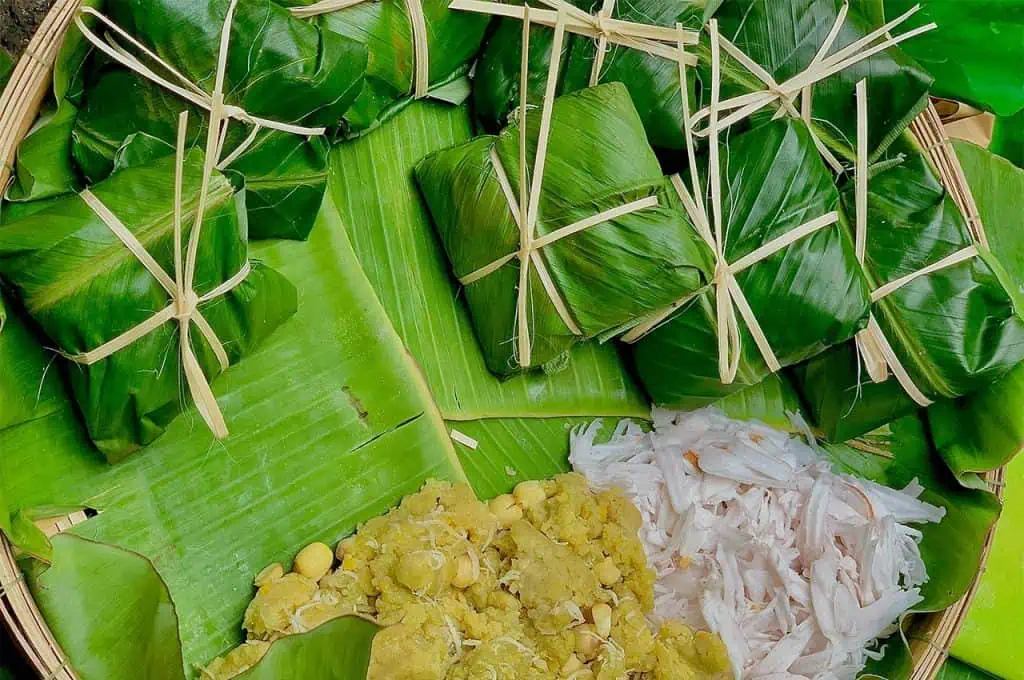
In ancient times, natural materials were the primary means of packaging. Leaves, gourds, and animal skins were ingeniously adapted to preserve and transport food. These materials were biodegradable, making them inherently eco-friendly and reflective of an era harmoniously in tune with nature. The use of woven baskets and clay pots further exemplified human ingenuity, providing protection and ease of transport without compromising environmental integrity.
Glass and Metal Rise: Industrial Evolution
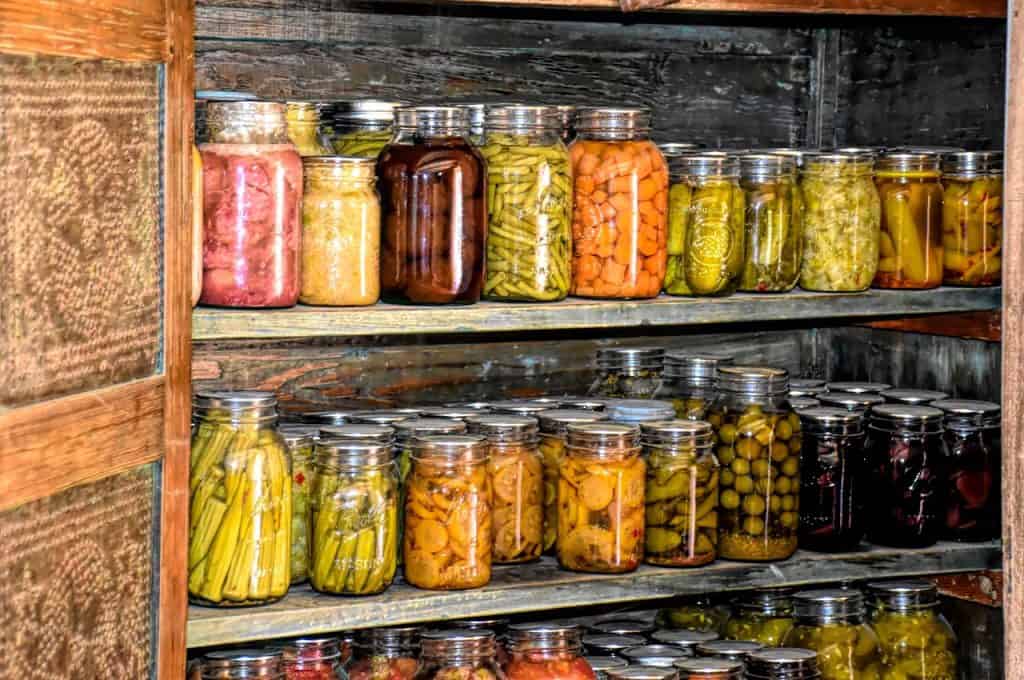
The industrial era ushered in glass and metal as prominent packaging materials. Glass jars offered airtight storage, revolutionizing food preservation and safety. Metal cans soon followed, providing robust protection and extending shelf life significantly. These innovations marked a shift towards mass production and established a new standard of durability and reliability in packaging that catered to increasing consumer demands.
Early Plastics: Revolutionizing Materials

The introduction of plastics in the early 20th century marked a pivotal shift, offering unprecedented versatility and cost-effectiveness. Materials like Bakelite demonstrated plastic's potential in durability and formability. This era paved the way for plastics to become integral in packaging, thanks to their lightweight nature and ability to assume various shapes and sizes, catering to a dynamic and rapidly growing market.
Post-War Plastic Boom: Conveniences Reign

Following World War II, plastics experienced an explosion in popularity. Innovations in packaging made food and other consumer goods more accessible and convenient. The creation of polyethylene and cellophane revolutionized products like shrink-wrap and resealable bags. Consumers readily embraced these advancements for their practicality, unaware of the environmental challenges this newfound convenience would eventually pose.
Fast Food Era: The Throwaway Culture
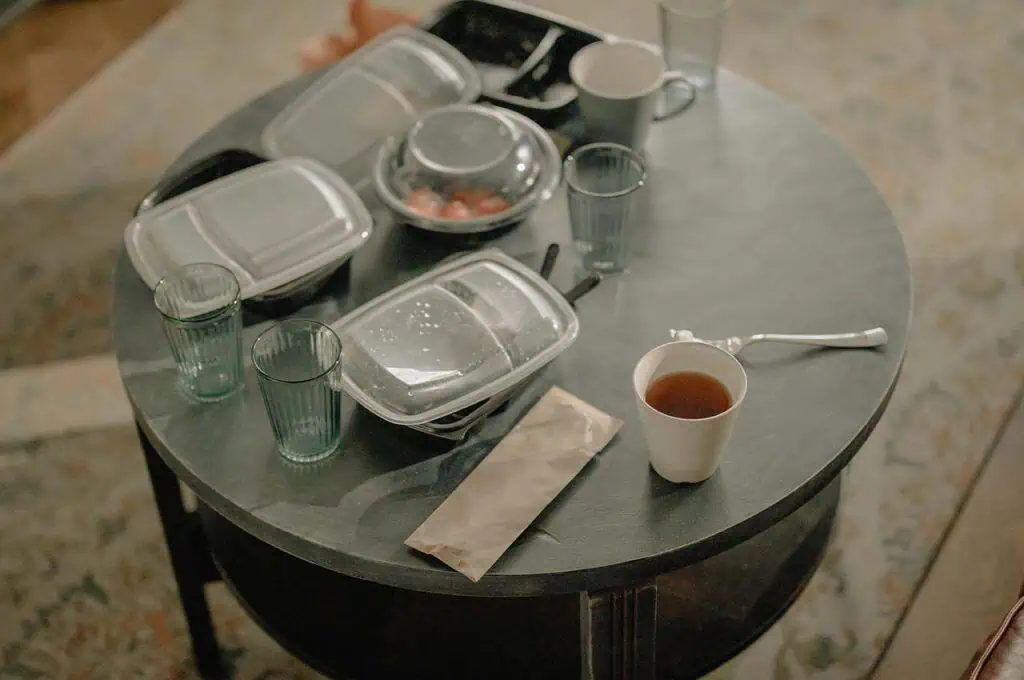
The rise of fast food, synonymous with speed and convenience, introduced an era of disposable packaging. Single-use wrappers and containers became the norm, transforming meal consumption into an effortless activity. However, this convenience cultivated a throwaway culture, where packaging waste accumulated rapidly. The industry’s focus prioritized durability and efficiency over environmental impact, leading to excessive plastic use. As cravings for quick meals grew, so did the mountains of waste, calling attention to the unsustainability of this model.
Hidden Costs: Health and Pollution
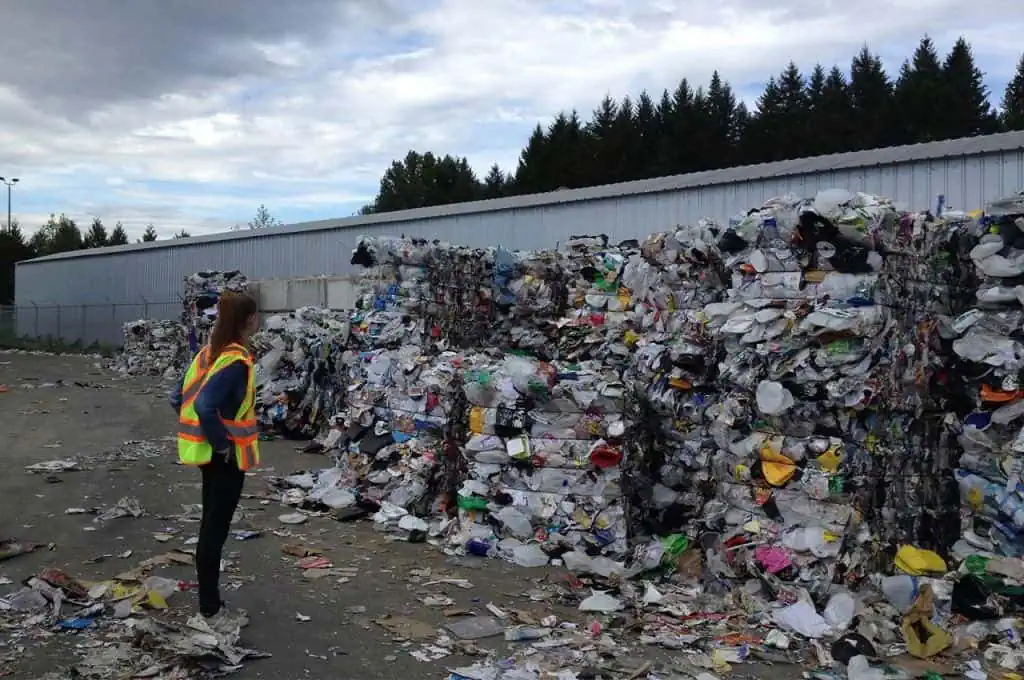
The hidden costs of plastic packaging extend beyond its immediate use. Chemicals like BPA and phthalates, often found in plastics, pose health risks by leaching into food. Long-term exposure can disrupt hormones and pose other health issues. Additionally, the environmental toll is significant, with plastic waste contributing to ocean pollution and harming wildlife. Decomposing over centuries, plastics release toxic substances, affecting ecosystems and human health. This understanding urges a re-evaluation of our reliance on plastic for food.
Recycling Realities: Systemic Struggles

Recycling, often presented as a solution, faces systemic challenges. Not all plastics are recyclable, and contamination issues complicate processing. Many facilities struggle with capacity, resulting in low recycling rates and plastic waste ending up in landfills. Misinformation and lack of proper education exacerbate the problem, as consumers mistakenly believe all plastics are equally recyclable. To improve this, reforms in education, infrastructure, and global cooperation are needed, emphasizing reduction and reuse over recycling alone.
Future of Packaging: Biodegradable Innovations

The future of packaging points towards biodegradable materials, offering a promising alternative to traditional plastics. Made from natural sources like cornstarch and seaweed, these materials break down more quickly and safely. Innovations include edible films and compostable containers, which reduce waste and lessen environmental impact. As technology advances, cost-effective production and wider adoption become feasible, leading industries to rethink packaging strategies. This shift reflects a growing commitment to sustainability and responsible consumerism.


