
Screen to Table: How ’90s Cooking Shows Shaped a Generation’s Meals

The 1990s witnessed a culinary revolution as cooking shows rose in popularity, transforming home kitchens. Influential chefs emerged on television, sharing not just recipes but techniques that elevated everyday meals. This era marked a shift as viewers embraced new ingredients, cooking methods, and a genuine appreciation for food. The impact of these shows reshaped how people approached dining at home, making culinary exploration accessible to a vast audience.
The Rise of Food TV in the ’90s
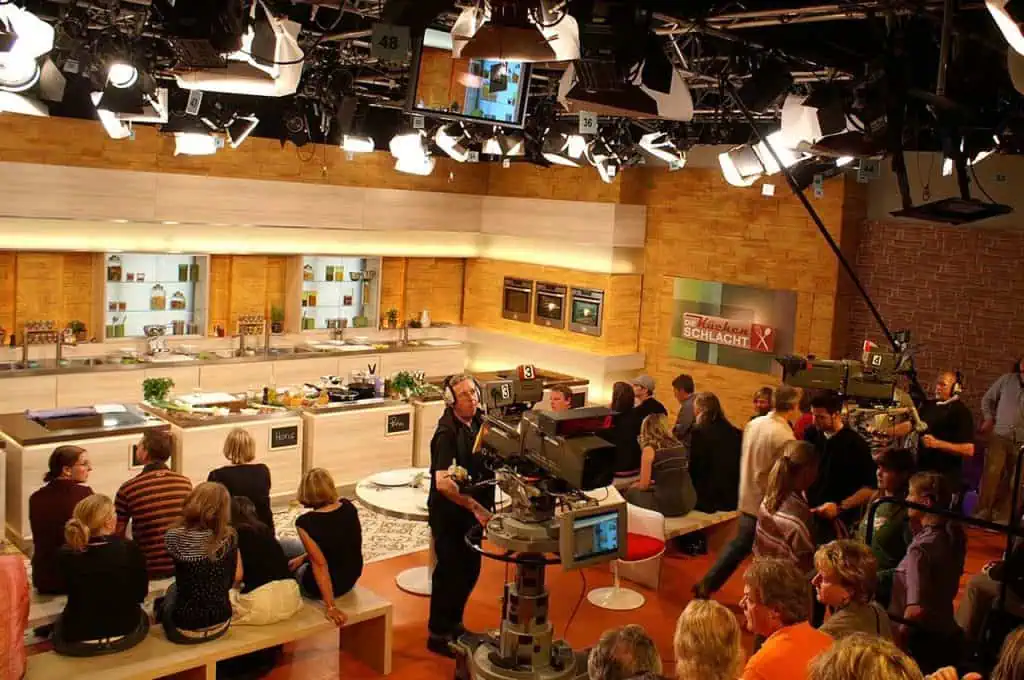
The 1990s welcomed a proliferation of food television that democratized cooking knowledge. Networks like Food Network led the charge, turning chefs into celebrities and kitchens into classrooms. This era saw a blend of entertainment and education, with shows striving to make culinary techniques understandable and approachable. Viewers were introduced to diverse cuisines and taught to recreate them, fostering a culture where the art of cooking became part of daily life, inspiring many to explore beyond traditional family recipes.
Emeril Live: Kicking Flavor Up a Notch
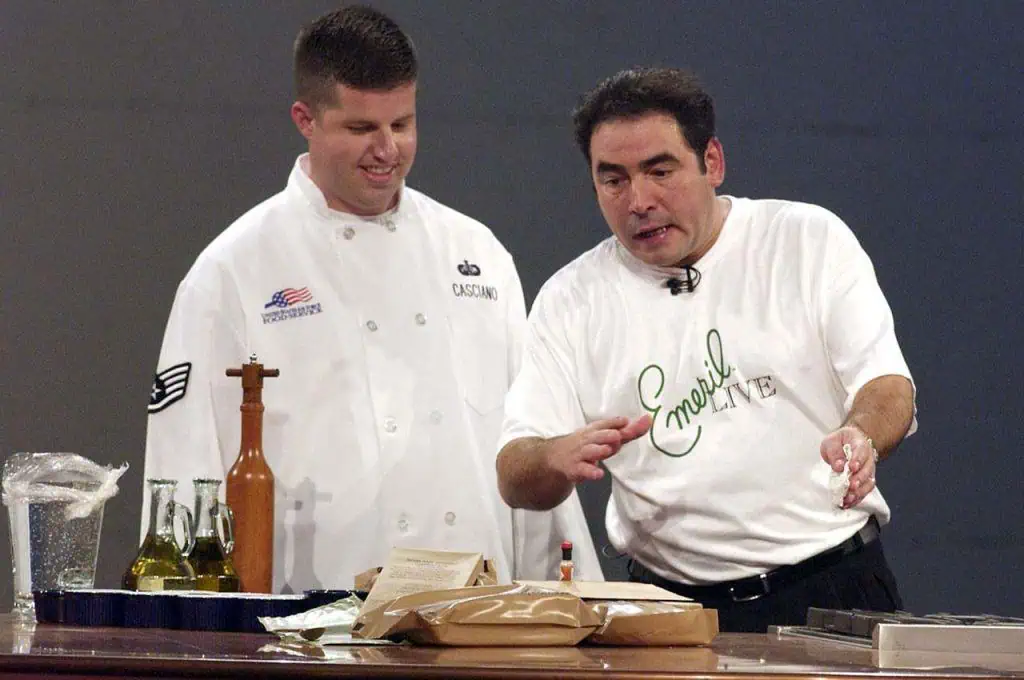
Emeril Lagasse brought excitement and energy to the kitchen with “Emeril Live.” His catchphrase “Bam!” and dynamic presentations focused on bold flavors and accessible culinary tips. Lagasse emphasized seasoning with confidence, encouraging home cooks to experiment with spices and textures, like adding cayenne for heat or garlic to build depth. This show urged viewers to infuse their cooking with enthusiasm, making it a staple in households eager to elevate their meals with vibrancy and flair.
Barefoot Contessa's Effortless Elegance

Ina Garten, with her show “Barefoot Contessa,” introduced audiences to a style of cooking that combined sophistication with simplicity. Her approach was grounded in the use of quality ingredients and straightforward techniques. Garten showcased the importance of letting natural flavors shine, using freshly harvested herbs and premium olive oil. Her calm, instructional style made even complex dishes seem achievable. By focusing on elegant yet comfortable entertaining, she inspired home cooks to create inviting meals with ease and confidence.
Iron Chef: Cooking as Competition

“Iron Chef” revolutionized food television by framing cooking as an intense competition. Originating in Japan, this show showcased chefs tackling secret ingredients with creative flair under time constraints. It highlighted the skill, speed, and innovation of culinary experts. The competitive format introduced viewers to new techniques and exotic ingredients, urging them to see cooking as a dynamic, creative process. This series pushed the boundaries of what home cooks could aspire to achieve, making kitchen adventures both thrilling and educational.
Celebrity Chefs: Birth of Food Icons

The 1990s marked the rise of celebrity chefs, transforming kitchen professionals into household names. Julia Child and Jacques Pépin paved the way, but it was the dynamic presence of chefs like Emeril Lagasse and Nigella Lawson that truly captured audiences. Their shows were instrumental in demystifying gourmet cooking and making it more accessible. Techniques like flambéing and fine dicing were demonstrated with flair, inviting viewers to take part in culinary exploration. These chefs didn't just teach recipes; they built a connection with viewers, turning cooking from a chore into a passion.
Convenience Meets Creativity at Home

Cooking shows of the '90s brought creativity to the everyday kitchen, emphasizing ease without sacrificing flavor. Programs showcased quick marinades or clever one-pot meals that aligned with busy lifestyles. Techniques like batch cooking became popular, enabling home cooks to prepare meals efficiently. The trend of mixing convenience with creativity encouraged experimentation, think simmering sauces with unexpected spice blends or integrating pre-made dough in unique ways. These shows empowered viewers to streamline their routine while still achieving satisfying, from-scratch flavor.
New Ingredients Enter the Pantry

The '90s ushered in a wave of novel ingredients appearing in American pantries, driven by cooking shows eager to explore global tastes. Ingredients like balsamic vinegar, sun-dried tomatoes, and exotic spices gained newfound prominence. Broadcasting pioneers encouraged viewers to experiment with flavors from different cultures, incorporating them into traditional recipes. This era's culinary programming expanded the average home cook's horizons, providing both inspiration and practical tips on where to source and how to store such ingredients effectively, ultimately enhancing their cooking repertoire and confidence.
Nostalgia and ’90s Flavor Comfort

The flavors of the '90s remain etched in culinary history, often evoking a sense of comfort and nostalgia. Dishes like the ever-popular chicken parmesan or chocolate lava cake flowered under the spotlight of cooking shows, reminding viewers of the hearty, indulgent meals of home. The emphasis was on rich sauces and ample portions, reflecting the era’s broader culinary values. Techniques for achieving perfect browning or mastering velvety sauces were popularized, providing home cooks with skills to recreate these dishes, resonating with the profound comfort of familiar tastes.
From Screen to Supermarket Influence

Cooking shows played a crucial role in influencing supermarket trends, as viewers sought to recreate on-screen dishes. This era saw the rise of consumer interest in specialized kitchen tools, from mandolines for precise slicing to pasta machines for homemade linguine. Supermarkets began expanding their offerings, stocking shelves with diverse and exotic ingredients once relegated to specialty stores. Such accessibility drove innovation in home kitchens, as viewers felt empowered to replicate complex flavors and techniques demonstrated by charismatic chefs, seamlessly bridging the gap from screen inspiration to real-world shopping and cooking.
The Lasting Legacy of ’90s Food TV
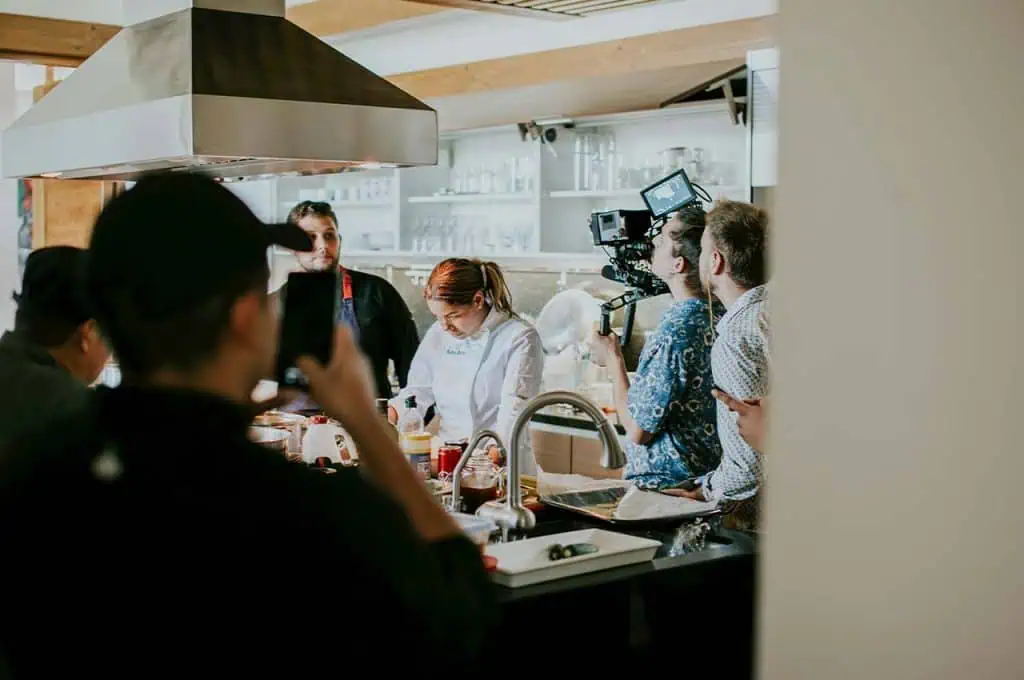
The '90s revolutionized how we approach home cooking, thanks to the rise of food television. These shows introduced viewers to diverse cuisines and techniques, bringing the expertise of dynamic chefs into living rooms across the globe. Programs like those hosted by Julia Child and Emeril Lagasse made culinary arts accessible, focusing on confidence in the kitchen. Emphasis was placed on foundational skills, knife handling, seasoning techniques, and ingredient sourcing, that empowered a generation to experiment and appreciate cooking's intricacies. These lessons endure, inspiring countless cooks to approach meals with curiosity and flair.


