
The One Thing Every Italian Grandmother Puts in Her Pasta Sauce That We Keep Getting Wrong

A truly authentic Italian pasta sauce relies on a balance of flavors and quality ingredients, yet there’s one ingredient often misunderstood: the humble addition of sugar. This small yet critical touch harmonizes the sauce, enhancing the natural sweetness of the tomatoes and countering any acidity. Mastering this detail, along with a few other essentials, elevates your pasta sauce from ordinary to exceptional. Dive into these time-honored techniques to perfect your home-cooked Italian meal.
Why San Marzano Tomatoes Shine

San Marzano tomatoes are prized for their rich, slightly sweet flavor and low acidity, making them ideal for a balanced pasta sauce. These plum tomatoes are grown in the volcanic soil of Mount Vesuvius, which imparts a distinct taste difficult to replicate with other varieties. When using canned San Marzano tomatoes, check the label for authenticity. Their thick flesh and fewer seeds mean a smoother, more concentrated sauce, requiring less time to reduce and enrich the flavors.
Olive Oil: The Italian's Choice
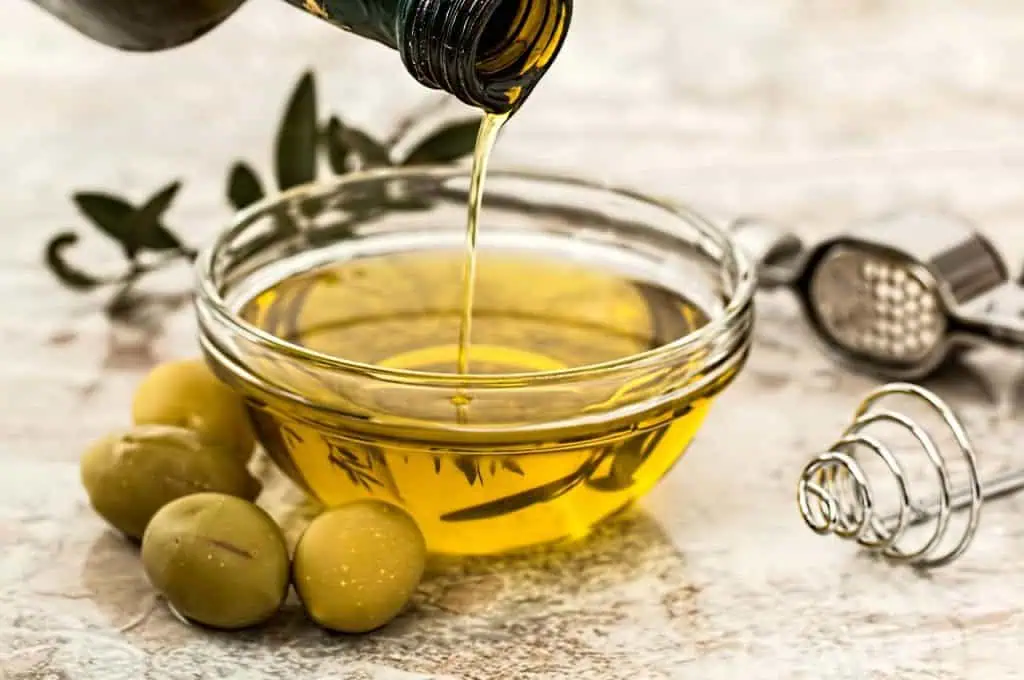
Extra virgin olive oil is the base of any authentic Italian pasta sauce, providing a depth of flavor and silky texture. Its fruity notes and peppery finish enhance the sauce's richness. Heat the oil gently to infuse it with garlic or onions without burning, maintaining the oil’s integrity. Use high-quality oil for sautéing your aromatics, and then finish your sauce with a drizzle to add a fresh, aromatic layer that complements every ingredient.
The Secret Pinch of Sugar

The small but essential addition of sugar in pasta sauce often gets overlooked. Use just a pinch, it's not about creating sweetness, but rather balancing acidity. This subtle use of sugar draws out the tomatoes’ natural sweetness, creating a more rounded, harmonious flavor profile. Taste the sauce before and after adding sugar to appreciate how it softens the sharpness, ensuring a well-integrated flavor that's deliciously balanced.
Fresh Basil vs. Dried: The Basil Battle
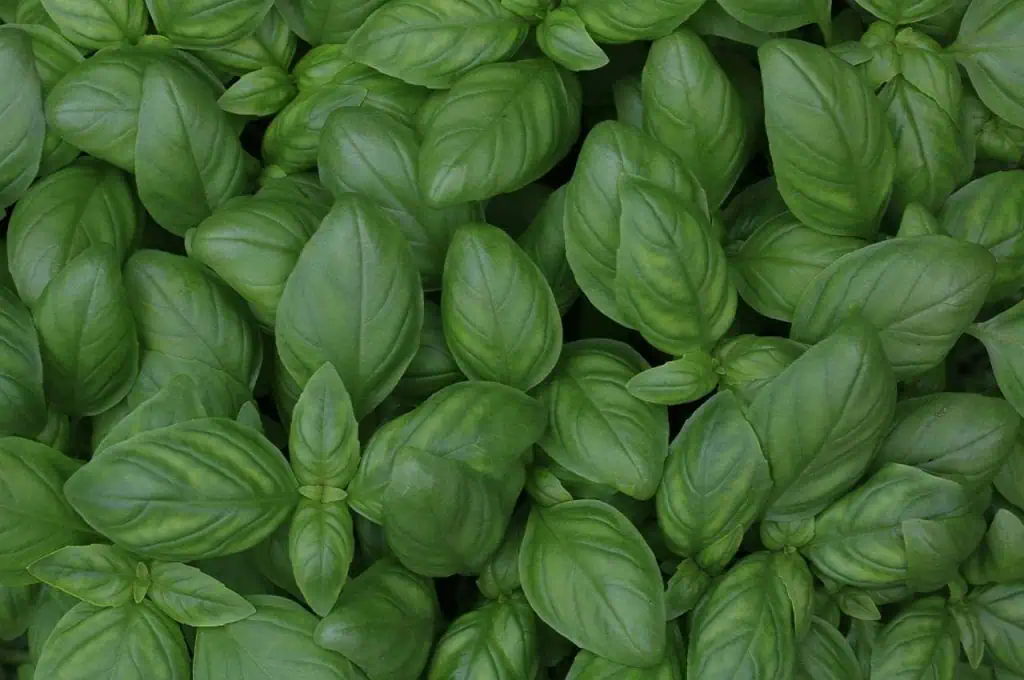
While dried basil has a concentrated flavor suitable for longer-cooked sauces, fresh basil offers a vibrant, anise-like note that brightens and enlivens the final dish. Add fresh basil towards the end of cooking to preserve its aromatic qualities, allowing the leaves to wilt naturally into the sauce. Alternatively, if using dried basil, incorporate it earlier to allow its flavors to meld thoroughly. Each has its place, but fresh basil often brings the truest taste of Italy.
Parmigiano-Reggiano Rind: The True Secret

Adding a Parmigiano-Reggiano rind to your pasta sauce infuses it with a deep, savory complexity that elevates the entire dish. Many home cooks overlook this ingredient, but an authentic Italian sauce often relies on this simple addition. Drop in the rind during the simmering process; it releases umami flavors and a subtle richness. Ensure to remove it before serving, as it becomes too soft to grate. The rind's contribution is essential, adding layers of taste without overwhelming the sauce. This technique transforms ordinary pasta dishes into memorable culinary experiences.


