
These Popular Kids’ Snacks Are Being Reformulated Because of MAHA: Here’s What’s Changing

The snack landscape of 2026 is undergoing its most aggressive transformation in decades as the federal “Make America Healthy Again” (MAHA) initiative takes hold. Following the January release of the new 2025–2030 Dietary Guidelines, which officially “declared war” on added sugars and ultra-processed foods, the industry’s biggest players are racing to reformulate.
For parents, this means that the neon-colored treats of the past are vanishing, replaced by “cleaner” versions that prioritize whole-food ingredients. While some fear the loss of classic flavors, the push for “real food” is now the mandatory baseline for staying on retail shelves.
The Death of Synthetic Dyes

The most visible change in 2026 is the rapid removal of petroleum-based dyes like Red 40, Yellow 5, and Blue 1. General Mills and Kellogg’s have pledged to eliminate these certified colors from all K-12 school cereals by summer 2026, with full retail portfolios to follow.
Welch’s Fruit Snacks has already transitioned to colors derived exclusively from natural sources, while PepsiCo launched “Simply NKD” versions of Doritos and Cheetos that are completely dye-free. For kids, this means snacks will appear in more muted, natural tones as brands pivot away from artificial brilliance.
The War on Added Sugars

Following Secretary Robert F. Kennedy Jr.’s 2026 mandate that “no amount of added sugar” is part of a healthy diet for children, brands are slashing sweetener counts. The J.M. Smucker Company is reformulating its reduced-sugar fruit spreads and Hostess snacks to meet stricter guidelines for school lunches.
Many 2026 snack launches are now utilizing “sweet proteins” or monk fruit to maintain appeal without the metabolic hit of sucrose. This shift is particularly impacting the granola bar and yogurt categories, where “hidden” sugars are being replaced by fiber-rich binders.
High-Protein “Powerhouse” Fillers

As the 2026 “Powerhouse Protein” trend sweeps the industry, kids' snacks are being fortified with more than just vitamins. Brands like Campbell’s and Conagra are integrating advanced protein systems into crackers and frozen bites to boost satiety.
You’ll notice an influx of bean-based puffs and meat-stick hybrids in lunchboxes this year, as the new Dietary Guidelines prioritize high-quality animal and plant proteins at every meal. The goal is to move away from “empty-calorie” refined carbs toward snacks that support metabolic health and steady energy levels.
The Exit of Seed Oils
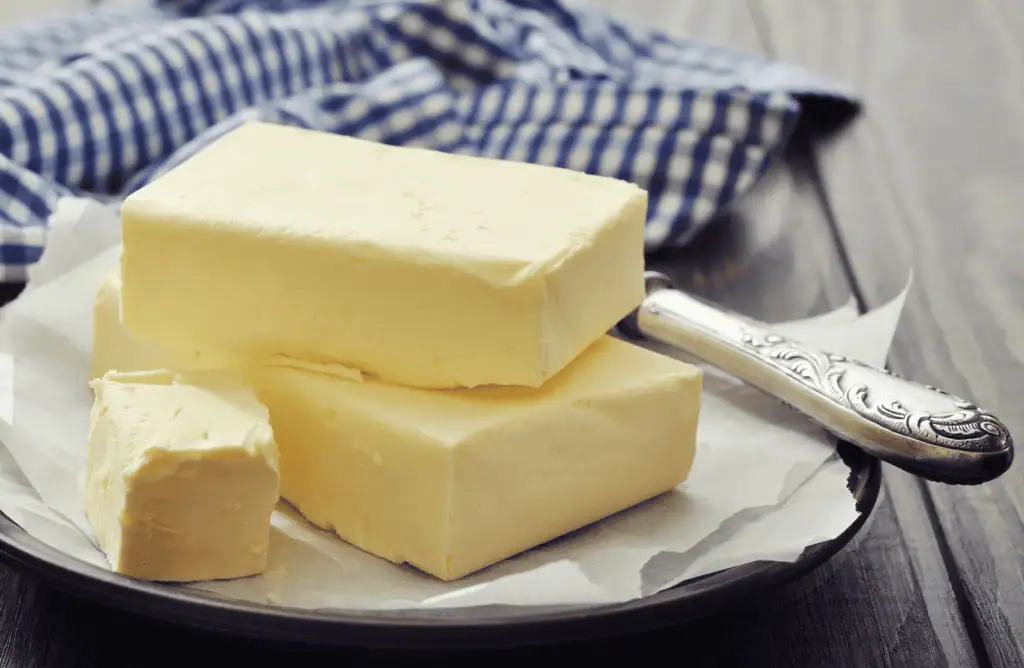
A major pillar of the MAHA agenda involves moving away from highly processed seed oils like soybean and canola oil. In 2026, several “better-for-you” frozen brands have already switched to traditional fats like beef tallow or butter for sautéing and frying.
This “return to basics” is reflected in the 2026 snack aisle, where premium chips and crackers are increasingly labeled as “Seed Oil Free.” While this change can increase production costs, brands are finding that 2026 consumers are willing to pay a premium for snacks that align with the new federal emphasis on “whole-food fats.”


