
The Hidden Language of Meals: How the Way We Eat Speaks Louder Than What We Say

The way we eat conveys volumes beyond mere nutritional sustenance. Meals are a universal medium, subtly communicating cultural values, personal preferences, and social hierarchies. This exploration uncovers how our dining habits articulate unspoken messages, influencing interactions and perceptions. Understanding these layers can transform every meal into a rich, shared experience, deepening our appreciation for the interconnectedness of food and communication.
Sharing a Meal: A Sense of Belonging
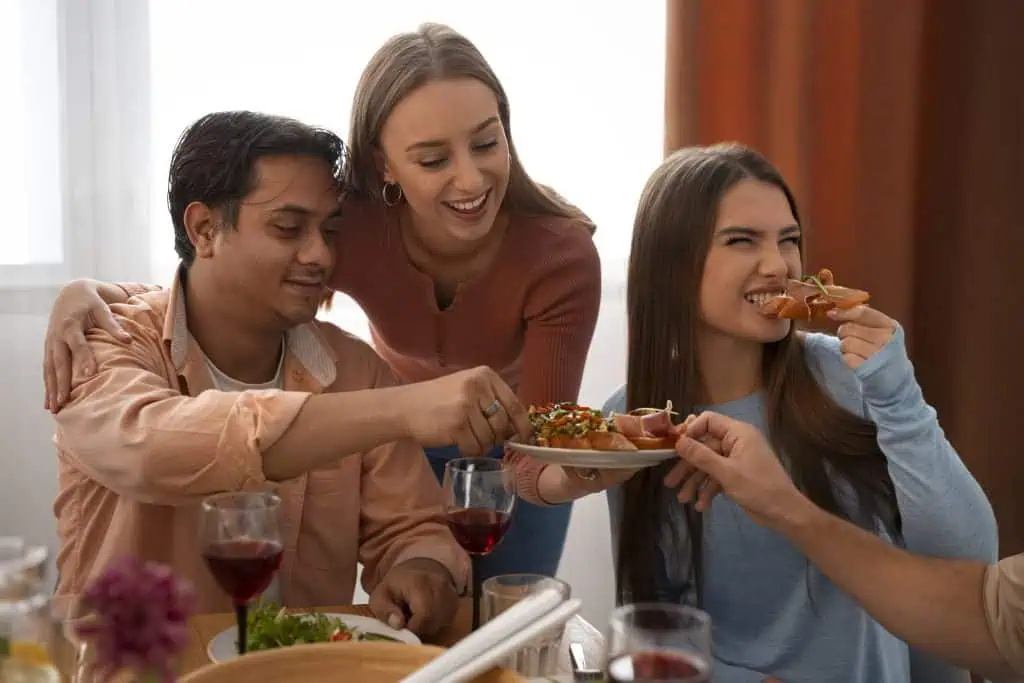
Sharing food fosters a profound sense of community and connection. The act of serving and passing dishes reflects trust and camaraderie, inviting others into a shared moment. Familiarity is built through repeated rituals, such as breaking bread or clinking glasses, that signal unity and acceptance. It's essential to note how these practices vary across cultures but consistently aim to reinforce bonds, transforming meals from solitary sustenance to communal celebration.
Dining Tables: Stages of Power
Dining tables often reflect subtle social dynamics and power structures. From seating arrangements to serving orders, each element can signify status and respect. Consider formal dinners where hosts sit at the head of the table, directing the flow of conversation and dining pace. The nuances of these arrangements can communicate hierarchy and influence. Recognizing these patterns can enhance understanding and guide thoughtful hosting, emphasizing inclusivity and connection.
East vs. West: Eating Rituals
Distinct eating rituals highlight cultural diversity, expressing identity through culinary traditions. In Eastern cultures, meals often emphasize balance and harmony, with techniques like communal hot pot dining or precise slicing in sushi preparation illustrating shared values. Western rituals may prioritize individual servings, symbolizing personal choice and autonomy. These practices not only showcase unique cultural narratives but also encourage cross-cultural appreciation and exchange.
Psychology of Eating Manners
Eating manners reveal deep psychological insights, reflecting attitudes towards self-control, respect, and social conformity. The etiquette of eating, from the pace of consumption to the use of utensils, communicates adherence to societal norms. These behaviors can influence perceptions, signaling discipline or carelessness. By cultivating awareness of these habits, individuals can enhance their dining experiences, displaying mindful respect for both food and those sharing the table.
Codes of Portions and Sharing
Portion sizes and the way we share meals convey significant cultural and personal cues. Large, communal sharing plates invite connection and collaboration, while individually plated servings respect personal space and preference. To ensure balance when serving, consider the visual appeal: varied textures and colors create a vibrant, inviting display. Keep in mind dietary preferences, offering diverse options to accommodate everyone at the table. Master the art of portioning by using appropriate serving utensils and dishes, this ensures each guest feels included and satisfied, fostering a sense of community.
Screens at the Table: A New Conversation

The presence of screens during meals introduces a digital dialogue impacting social interactions and focus. They can enhance culinary experiences by offering recipes or pairing advice, yet they may detract from personal engagement. To strike a balance, allocate designated screen-free times to promote face-to-face communication. When technology aids the meal, ensure it complements rather than overshadows the primary experience. This requires mindfulness in selecting content that enriches the meal’s theme or cultural context, transforming screens into a tool that elevates rather than diminishes mealtime connections.
Food as a Language Beyond Nutrition
Food transcends mere sustenance, conveying identity, memory, and heritage. The ingredients and methods chosen reflect a personal narrative, communicating values and traditions. Opt for ingredients that tell a story, locally sourced produce or heirloom varieties bring authenticity and depth. Embrace cooking methods tied to specific cultures, whether it be slow braises or quick sautés, to honor and preserve culinary heritage. Through thoughtful preparation and presentation, meals become an expressive language, offering insights into the cook’s world view and inviting others to partake in a shared, meaningful dialogue.


