
17 Famous Foods Countries Still Fight Over the Origins Of

Food history isn’t always settled by recipes or timelines. Many famous dishes were shaped long before modern borders existed, moving through empires, trade routes, and migrations. As nations formed, foods became symbols of identity, turning shared culinary traditions into contested origins. These aren’t casual disagreements; they’re debates tied to heritage, recognition, and cultural ownership. Here are the first foods whose origins countries still openly dispute.
Hummus
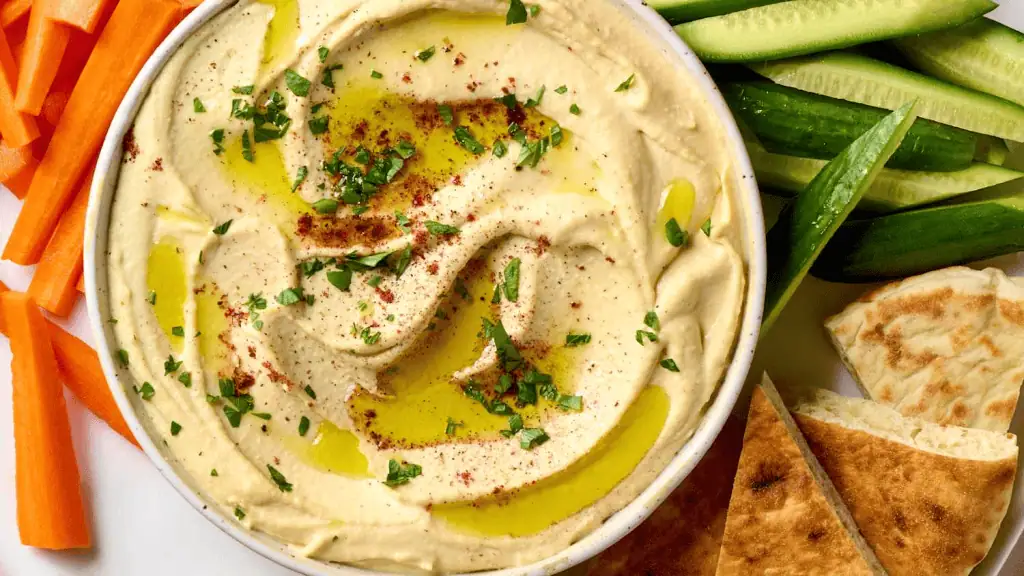
Hummus is one of the most hotly contested foods in the world. Countries including Lebanon, Israel, Palestine, and Syria all claim deep historical ties to it. Chickpeas, tahini, garlic, and olive oil have been staples across the Levant for centuries, making it impossible to pin down a single birthplace. What fuels the argument is modern branding and global recognition, where ownership often feels political rather than culinary.
Baklava
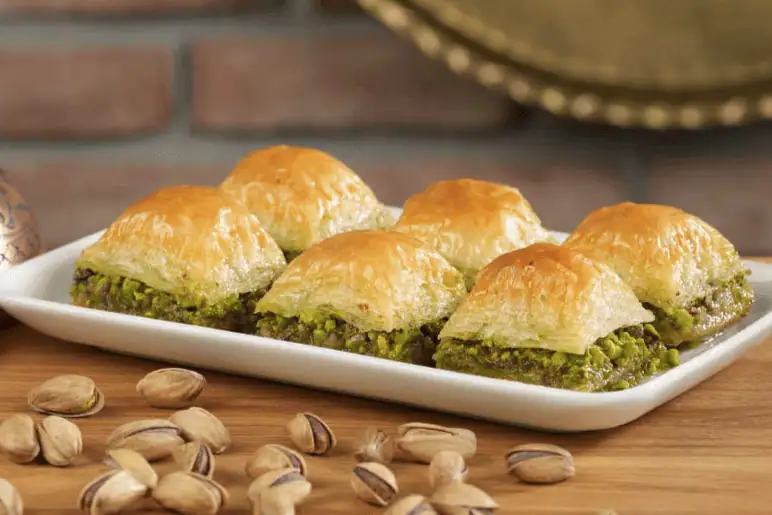
Baklava’s origins are fiercely debated between Turkey, Greece, and several Middle Eastern nations. The layered pastry evolved over centuries within the Ottoman Empire, which spanned multiple modern countries. Each region developed its own variations using different nuts, syrups, and techniques. Today, baklava is often treated as a national dessert, turning a shared imperial legacy into a modern cultural dispute over who can rightfully claim it.
Borscht

Borscht, the beet-based soup, is claimed by both Ukraine and Russia. While versions exist across Eastern Europe, Ukraine has pushed for international recognition of borscht as part of its national heritage. The soup’s rural roots predate modern borders, but its symbolic importance has grown alongside political tensions. What was once peasant food has become a cultural marker tied to identity and sovereignty.
Dolma
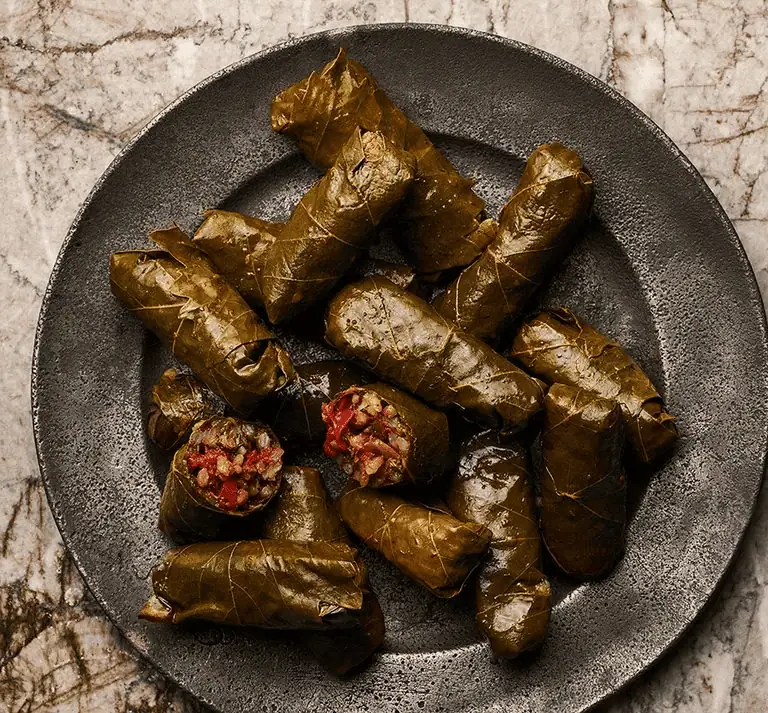
Dolma, made of stuffed grape leaves or vegetables, sits at the center of debate among Turkey, Armenia, Azerbaijan, and several Middle Eastern countries. The name itself comes from Turkish, meaning “to stuff,” but variations exist across regions with different fillings and seasonings. Because dolma evolved through shared culinary practices rather than national kitchens, no single country can conclusively claim its origin.
Paella

Paella is strongly associated with Spain, but debates arise over what counts as “authentic” and where it truly began. Even within Spain, regions argue over ingredients and methods. Valencia claims the original version, while coastal areas highlight seafood adaptations. International interpretations further complicate the narrative, turning paella into both a national symbol and a source of internal culinary conflict.
Ceviche
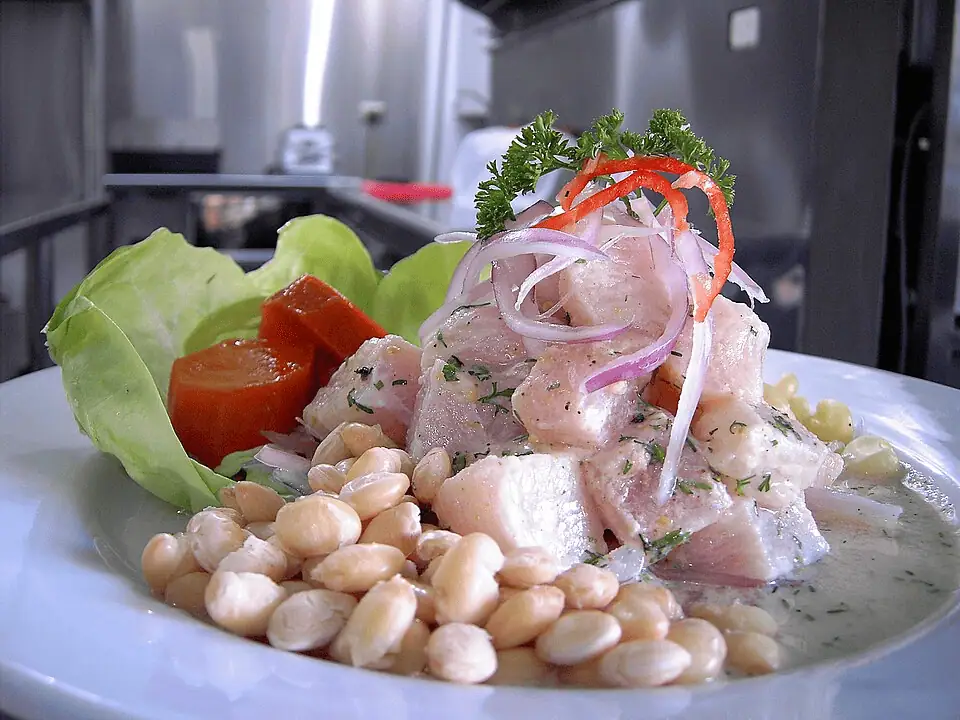
Ceviche’s origins are disputed primarily between Peru and neighboring Latin American nations. Peru considers ceviche a cornerstone of its national cuisine, citing pre-Columbian fish preparation methods. Others argue the dish evolved regionally along the Pacific coast. What’s uncontested is its deep cultural importance, which has transformed ceviche from everyday food into a point of national pride and international recognition.
Kimchi
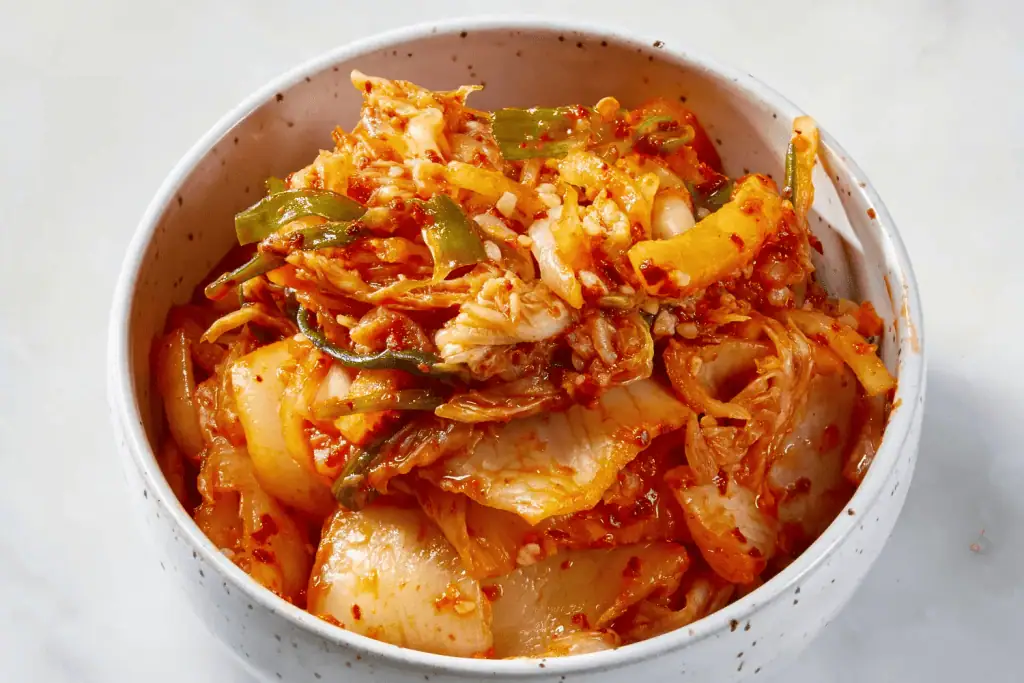
Kimchi is widely recognized as Korean, but debates arise between South Korea and China over historical influence and classification. Fermented vegetables existed across East Asia, but Korea developed kimchi into a distinct culinary system tied to climate and preservation. Modern arguments often stem from cultural recognition rather than recipe differences, showing how food becomes symbolic beyond the plate.
Pierogi
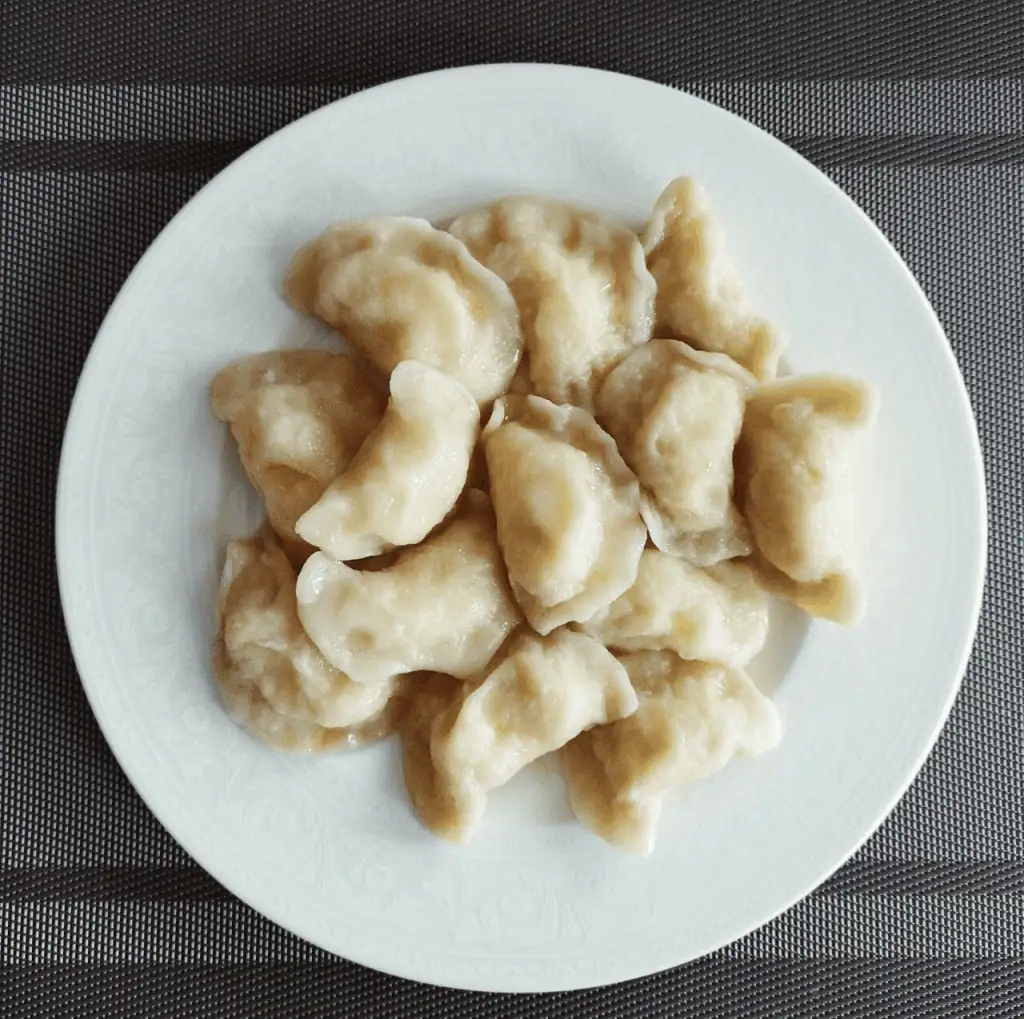
Pierogi are claimed by Poland, Ukraine, and several other Eastern European nations where filled dumplings have existed for centuries. Variations developed naturally as regions relied on different grains, fillings, and seasonal ingredients. For many families, pierogi are tied to holidays, home kitchens, and generational memory rather than restaurants. That emotional connection makes ownership deeply personal. Because the dish evolved across shifting borders and shared cultures, no single country can clearly claim it, yet each continues to defend it as its own.
Falafel

Falafel sits at the center of one of the most politically charged food origin debates in the world. Countries including Egypt, Israel, Palestine, and Lebanon all claim it as traditional. Some historians trace early versions to ancient Egypt using fava beans, while Levantine versions rely on chickpeas. As falafel became a global street food, national branding intensified, turning a shared regional staple into a symbol of identity, ownership, and political recognition rather than a single-point invention.
Shawarma
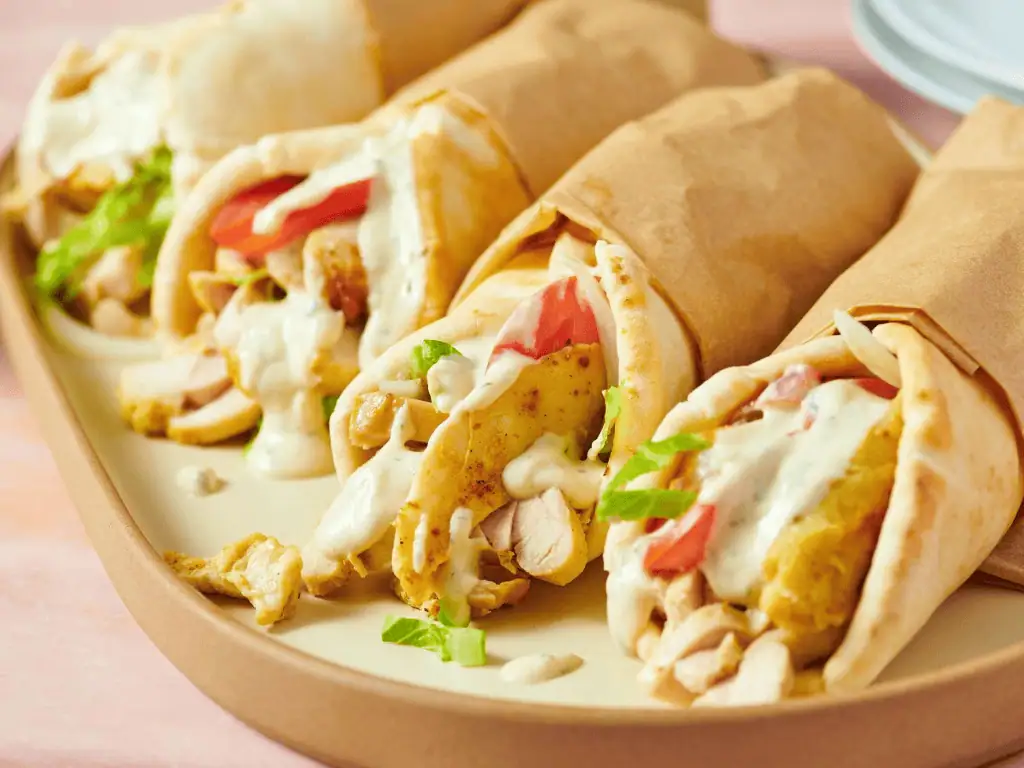
Shawarma’s origins are disputed across the eastern Mediterranean, especially between Turkey and multiple Arab nations. The vertical rotisserie technique evolved during the Ottoman Empire, spreading across regions that later became separate countries. Each culture adapted the dish using local spices, meats, and serving styles, from lamb and beef to chicken wraps. Because shawarma developed under a shared imperial system rather than a nation-state, modern claims focus less on invention and more on cultural inheritance, making the debate ongoing and unresolved.
Feta Cheese
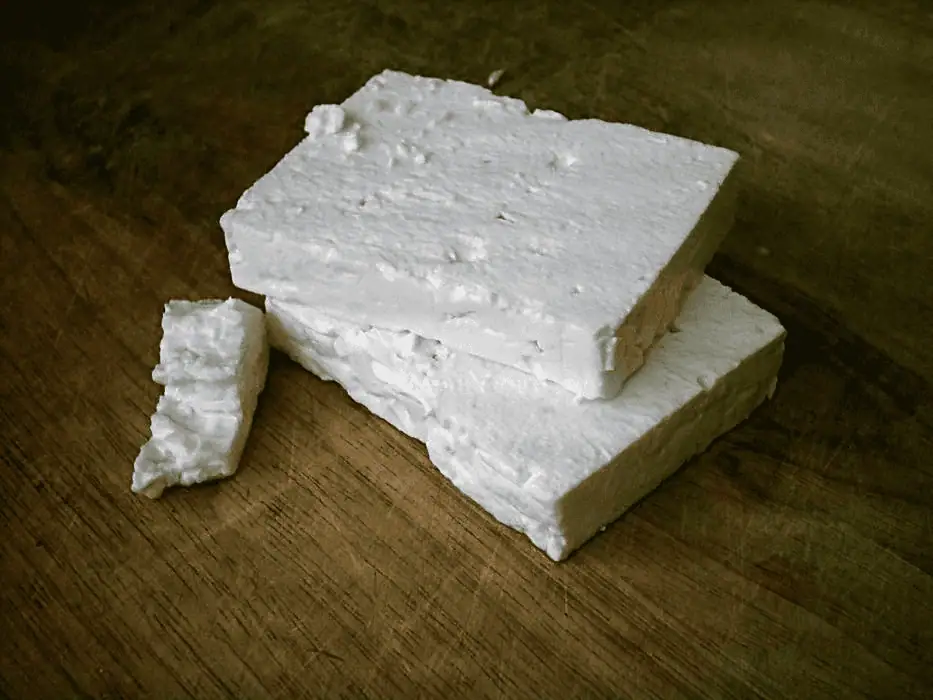
Feta is most closely associated with Greece, where it holds protected designation status in the European Union. However, similar brined white cheeses have been produced for centuries in Bulgaria, Turkey, and surrounding regions. These cheeses share techniques, climates, and livestock traditions that predate modern borders. While legal rulings favor Greece, cultural arguments persist elsewhere, highlighting how regulation can settle trade disputes without ending historical or regional disagreement.
Couscous

Couscous remains a cultural flashpoint across North Africa, particularly among Morocco, Algeria, and Tunisia. The dish predates modern nations and originated among Amazigh communities, spreading through trade and migration. Each country developed distinct grains, broths, and ceremonial uses. Today, couscous is treated as a national symbol, turning a shared regional tradition into competing claims of authenticity tied to cultural pride and heritage recognition.
Schnitzel

Schnitzel is most famously linked to Austria, yet its origins are debated between Italy and Germany. Some food historians argue that Austrian schnitzel evolved from Italian breaded cutlets introduced through cultural exchange. Others maintain that Austria refined the technique into a distinct dish. The debate centers on whether adaptation counts as creation, illustrating how culinary evolution complicates national ownership claims.
Tempura

Tempura is widely regarded as Japanese, but its roots involve Portuguese missionaries who introduced frying techniques to Japan in the 16th century. Japan transformed the method by refining batter, ingredients, and presentation, creating something uniquely its own. While Portugal rarely claims tempura today, the historical influence remains part of the conversation. The debate highlights how cultural exchange can produce iconic national dishes without clear lines between origin and transformation.
Pho

Pho is strongly claimed by Vietnam, yet its evolution reflects layered influence. The use of beef and long-simmered broth emerged during the French colonial period, blending local techniques with foreign ingredients. Northern and southern Vietnam still debate which version is more authentic. While pho is undeniably Vietnamese in identity, discussions around its origins reveal how colonial history and adaptation complicate the idea of a single, pure culinary beginning.
Chili con Carne
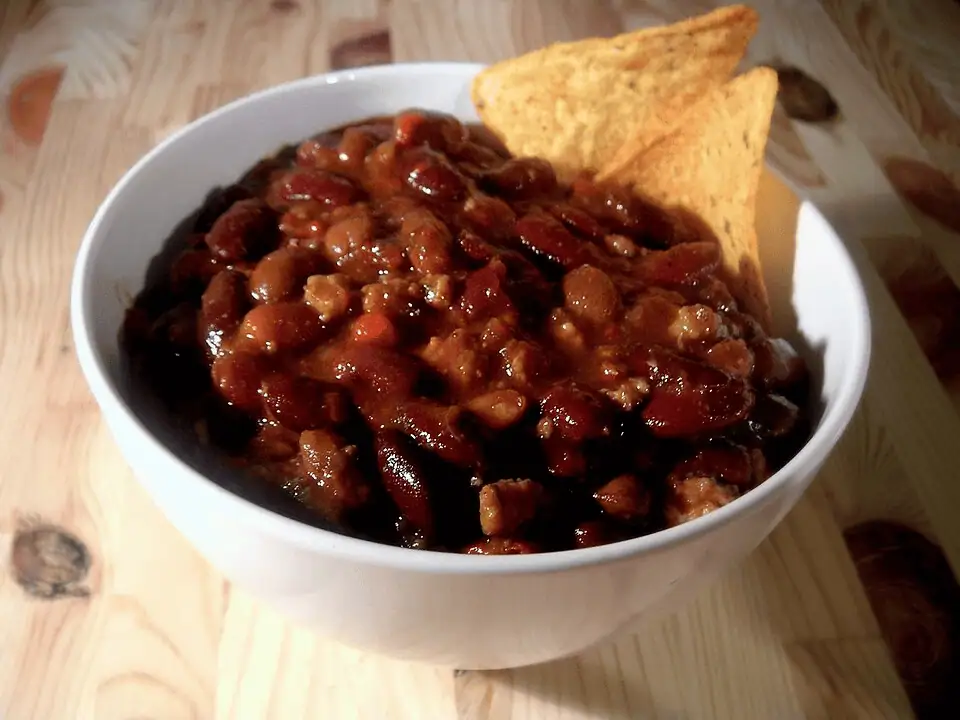
Chili con carne sparks debate between the United States and Mexico. Texas-style chili is treated as a cultural icon, while Mexican cuisine emphasizes older meat-and-chili stews without beans. The dish evolved along border regions where food traditions overlapped freely. Modern arguments are driven more by regional pride than historical documentation, turning chili into a symbol of identity rather than a settled recipe.
Jollof Rice
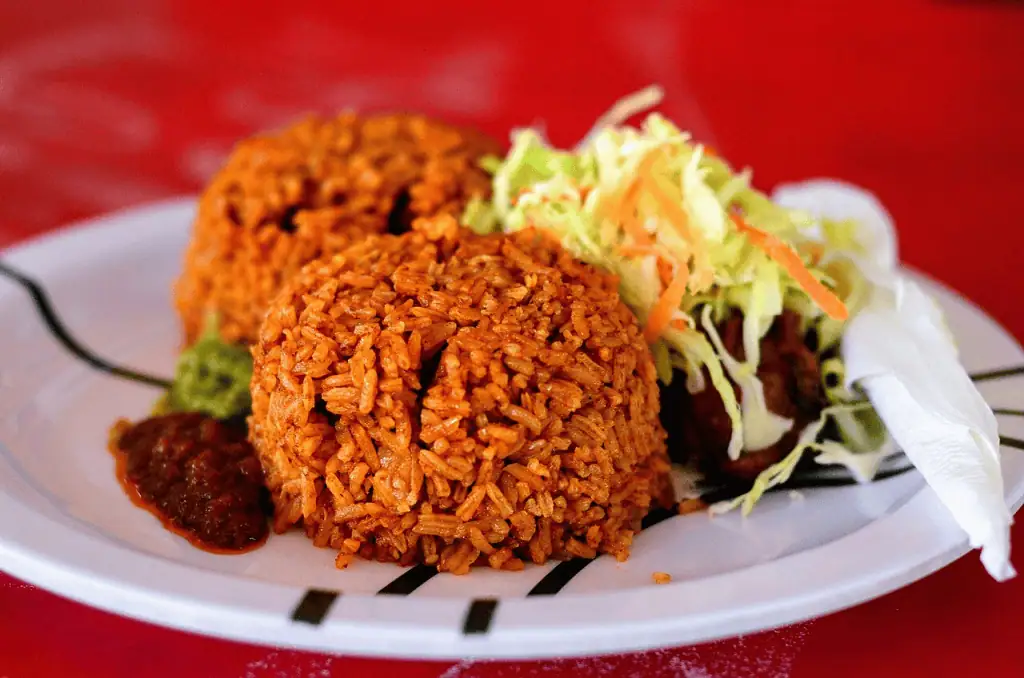
Jollof rice fuels one of Africa’s most passionate food rivalries, especially between Nigeria and Ghana. While both claim superiority and authenticity, historians trace the dish’s roots to the Senegambian region centuries ago. The modern debate is playful but intense, driven by national pride, social media, and cultural celebration. Jollof’s contested origin shows how food can unite regions historically while dividing them symbolically today.


