
Seed Showdown: Flax vs. Pumpkin—Which Packs More Nutrition?

When exploring nutrient-dense ingredients, both flax and pumpkin seeds offer substantial benefits. These seeds boast unique profiles that enhance meals beyond flavor and texture. Understanding their nutritional strengths helps decide which to include in your diet to meet specific health goals. We’ll compare their protein, omega-3 fatty acids, fiber, and vitamin and mineral content to see how each fares in these crucial categories.
Protein Power Play

Flax seeds contain about 1.8 grams of protein per tablespoon, serving as a good option for plant-based diets. However, pumpkin seeds take the lead with roughly 3 grams per tablespoon. This distinction makes pumpkin seeds an excellent choice for those focusing on muscle maintenance and recovery. Roasting these seeds can enhance their nutty flavor and adds a satisfying crunch, making them an ideal topping for salads or soups where protein content is a priority.
Omega-3 Fatty Acid Face-Off
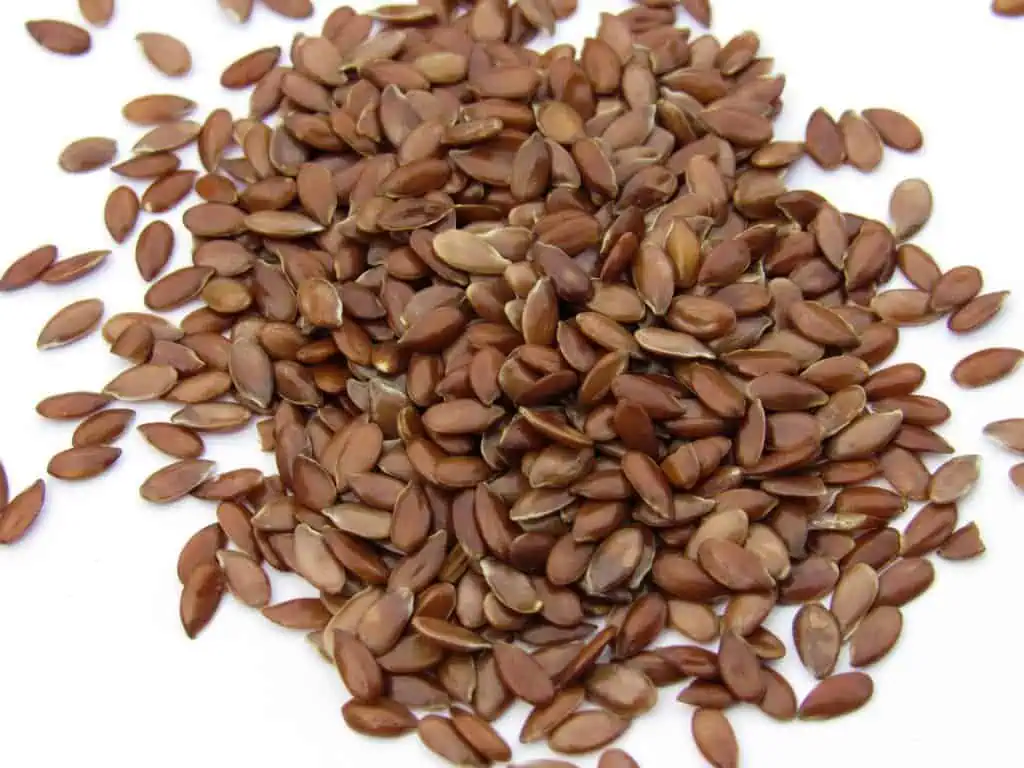
Flax seeds are a renowned source of omega-3 fatty acids, specifically alpha-linolenic acid (ALA). A single tablespoon provides around 2.5 grams, supporting heart health. Pumpkin seeds, in contrast, contain minimal omega-3s but compensate with other healthy fats. For those seeking omega-3s, incorporating ground flax into smoothies or baking is an efficient way to unlock their full potential, as whole seeds can pass through the digestive tract undigested.
Fiber Content Faceoff

In terms of fiber, flax seeds stand out with about 3 grams per tablespoon, contributing significantly to digestive health and satiety. Pumpkin seeds offer about half of that amount. For a fiber boost, flax seeds can be added to yogurt or oatmeal. The fiber is mostly insoluble, aiding in regularity. Since pumpkin seeds provide a different texture, they can be enjoyed as a snack on their own, offering a pleasant contrast when roasted with a light seasoning.
Vitamin & Mineral Boost Battle

Pumpkin seeds are particularly rich in magnesium, zinc, and iron, supporting energy metabolism and immune function. Flax seeds offer moderate amounts of these minerals but shine with their B vitamin content. For those aiming to increase magnesium, pumpkin seeds complement breakfast bowls or trail mix. Flax’s lignans also provide antioxidant benefits. To maximize these vitamins and minerals, remember to store seeds in airtight containers to preserve their potency and freshness.
Antioxidant Advantage Analysis
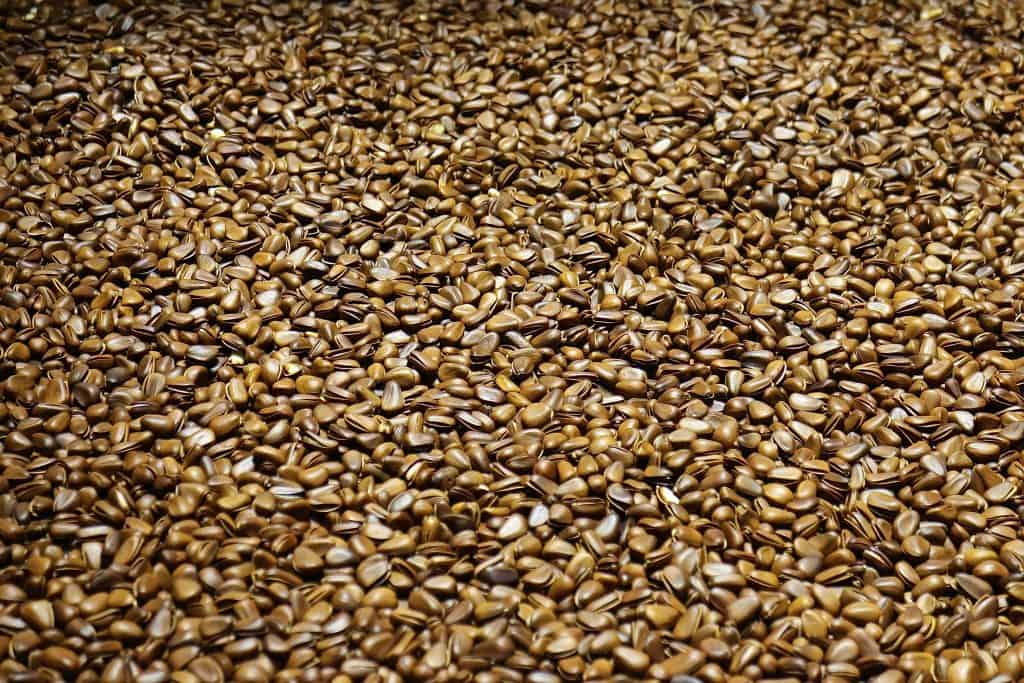
When comparing the antioxidant profiles of flax and pumpkin seeds, flax seeds stand out due to their high content of lignans, which are powerful polyphenols known for their ability to combat oxidative stress. Pumpkin seeds, while lower in lignans, offer a notable concentration of vitamin E, an effective fat-soluble antioxidant that protects cell membranes from damage. Incorporating both seeds in your diet can maximize these benefits, providing a balanced approach to reducing free radicals. For best results, consider grinding flax seeds to release their full antioxidant potential.


