
School Lunches That Defined Each Decade: From the 1950s to 2000s

School lunches reflect the culinary trends and cultural shifts of their times, offering both nostalgia and insight into changing dietary norms. As we journey through school cafeterias from the 1950s to the 2000s, each decade reveals distinct flavors and preparation styles that shaped childhood meals. This exploration highlights iconic dishes and provides techniques to recreate these timeless flavors at home.
1950s: Meatloaf Mondays and Milk Cartons

Meatloaf was a staple of 1950s school lunches, reflecting the era's focus on hearty, economical meals. To achieve the characteristic texture, blend ground beef with breadcrumbs, eggs, and milk, ensuring the mixture holds together without being dense. A simple ketchup glaze provides a tangy finish. Pair it with small milk cartons, which were standard thanks to their convenience and nutritional value.
1960s: Bologna Sandwiches and Canned Fruit

The bologna sandwich, with its simple preparation, became a lunchroom favorite in the 1960s. To enhance flavor, fry the bologna slices until slightly crisp. Serve on white bread with a schmear of mayonnaise. Canned fruit, often in syrup, accompanied meals as a sweet touch. To replicate, serve chilled fruit cocktail as a refreshing contrast to the savory sandwich.
1970s: Pizza Squares and Tater Tots Take Over
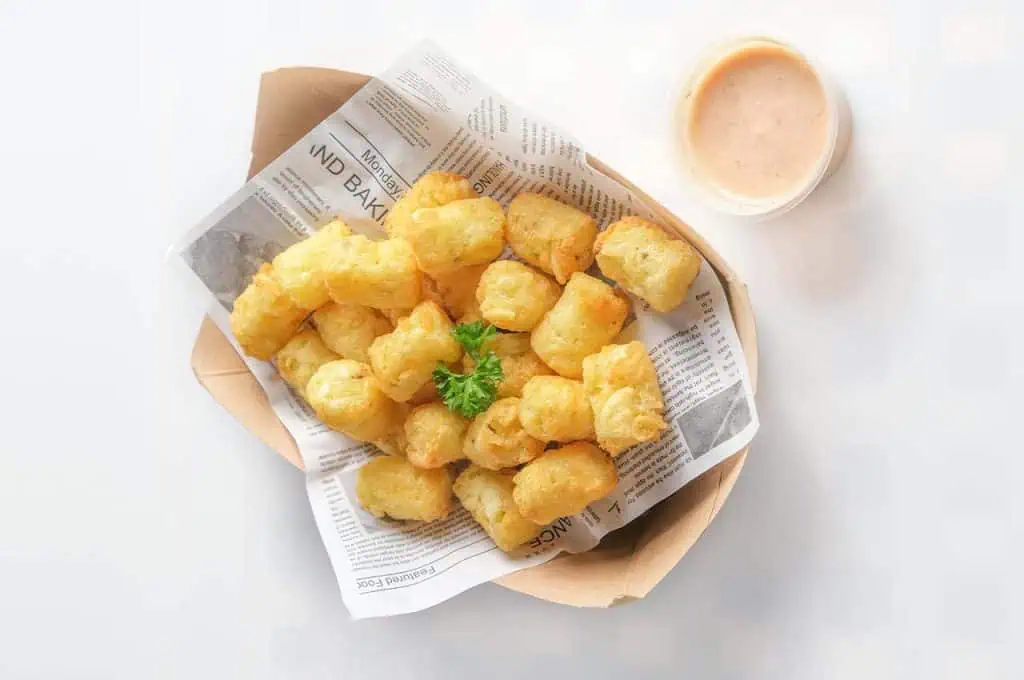
The introduction of school cafeteria pizza in the 1970s brought affordable innovation. These pizza squares, baked on sheet pans, featured a thick, chewy crust topped with tomato sauce and processed cheese. A perfect complement was crispy tater tots, made golden by baking or frying. The combination of cheesy and crispy textures defined this era's lunch experience.
1980s: Lunch Trays Meet Processed Perfection

In the 1980s, school lunches embraced processed foods, showcasing items like chicken nuggets and reheatable cheeseburgers. Focus on achieving crisp exteriors for chicken nuggets by using panko breadcrumbs. These convenience foods were often paired with small packets of ketchup or mustard, adding familiar flavors. Embrace the decade’s style with balanced portions and a nostalgic nod to efficiency.
1990s: Lunchables and Chocolate Milk Dominate

In the 1990s, the convenience of Lunchables captured the lunchboxes of many students. These neatly packaged meals transformed lunchtime into a mix-and-match experience, where crackers, deli meats, and cheeses offered a DIY appeal. To replicate this at home, select high-quality ingredients: opt for whole-grain crackers, nitrate-free meats, and a variety of cheeses. Pair with fresh fruit slices to balance the meal. Chocolate milk was another staple, which can gain a healthier twist by using unsweetened cocoa and less sugar, creating a creamy yet lighter beverage.
2000s: The Rise of Healthier Choices

The 2000s saw a shift towards healthier school lunch options, driven by growing nutritional awareness. Salads became more prevalent, often featuring a variety of greens, lean proteins like grilled chicken, and colorful vegetables. To make an enticing salad, focus on layering textures and flavors, crisp lettuce, juicy cherry tomatoes, and crunchy nuts or seeds. Whole-grain wraps filled with grilled vegetables and hummus offered a tasty and nutritious alternative to traditional sandwiches. Accompany these meals with water or homemade fruit-infused teas, which provide hydration without excess sugar.


