
These 11 U.S. Cities Are Losing Beloved Restaurants Faster Than Anyone Expected

Restaurant closures are happening nationwide, but in some cities, the speed has caught even longtime residents off guard. What’s disappearing isn’t just trend-driven concepts or short-lived openings, it’s diners, neighborhood institutions, and family-run restaurants that once felt permanent. Rising rents, higher labor and ingredient costs, insurance pressures, and uneven foot traffic are converging at the same time. Recovery hasn’t been evenly distributed, and small operators often lack the cushion to absorb prolonged instability. These eleven cities are showing the impact first, offering an early look at how fragile even established local food scenes have become.
San Francisco
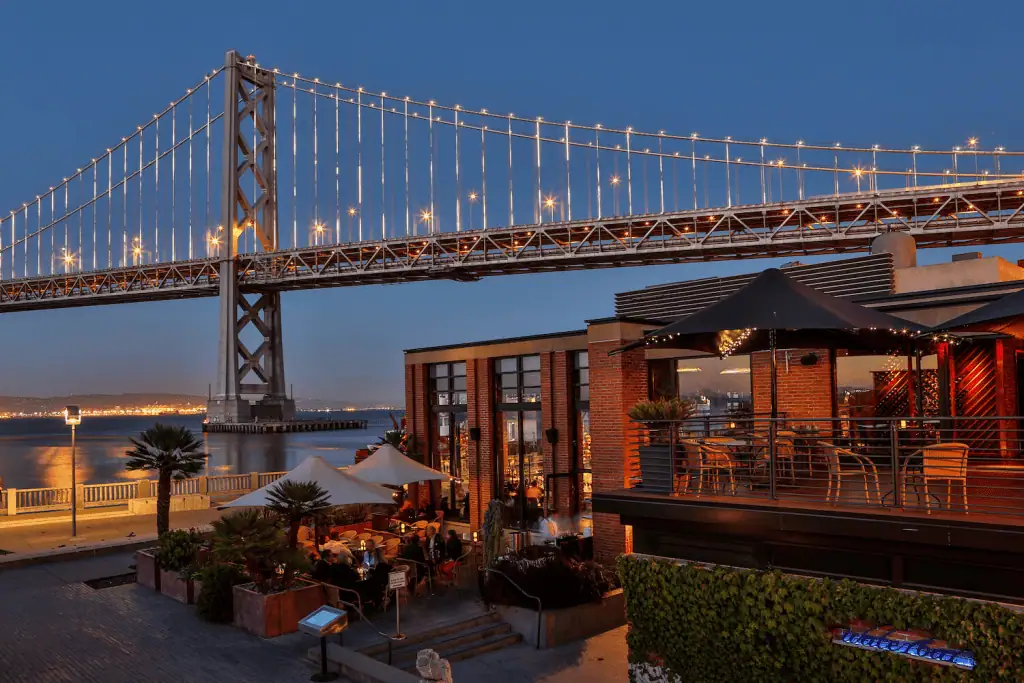
San Francisco’s restaurant closures reflect a collision of long-term structural pressure and a slow post-pandemic recovery. Commercial rents remain among the highest in the country, while downtown foot traffic has not returned to pre-2020 levels. Many legacy restaurants depended heavily on office workers and weekday lunch crowds that never fully came back. Even loyal customer bases couldn’t offset reduced volume paired with inflexible leases signed years earlier. For operators carrying decades of history, the math simply stopped working. Closures here are less about food quality and more about a city still recalibrating how and where people gather.
New York City

Restaurant turnover has always been part of New York’s identity, but the current pace feels different. Closures are happening quietly, often without farewell announcements or long lines of nostalgia. Rising labor costs, higher ingredient prices, and aggressive rent resets are squeezing margins, particularly in residential neighborhoods outside tourist corridors. Many operators report that even full dining rooms no longer guarantee profitability. The result is a slow erosion of neighborhood fixtures rather than dramatic collapses. In New York right now, survival depends less on buzz and more on whether a restaurant can absorb constant cost increases without passing them fully to customers.
Los Angeles
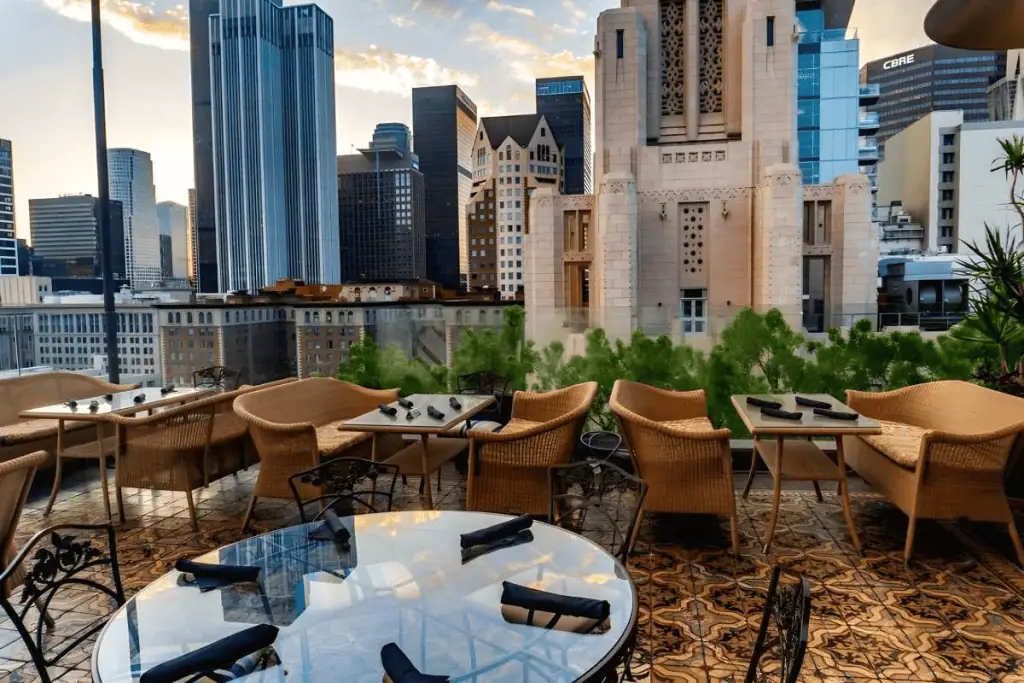
In Los Angeles, geography and logistics play an outsized role in restaurant struggles. Car-centric sprawl makes consistency difficult, with customer traffic highly dependent on location, parking, and delivery access. Operating costs, including rent, utilities, and insurance, continue to rise, while staffing remains unpredictable. Mid-priced, sit-down restaurants are particularly vulnerable, caught between fast casual convenience and high-end dining margins. Delivery apps add exposure but also siphon profits through fees. Even well-liked neighborhood spots are disappearing, not because demand vanished, but because sustaining steady volume across such a dispersed city has become increasingly fragile.
Chicago
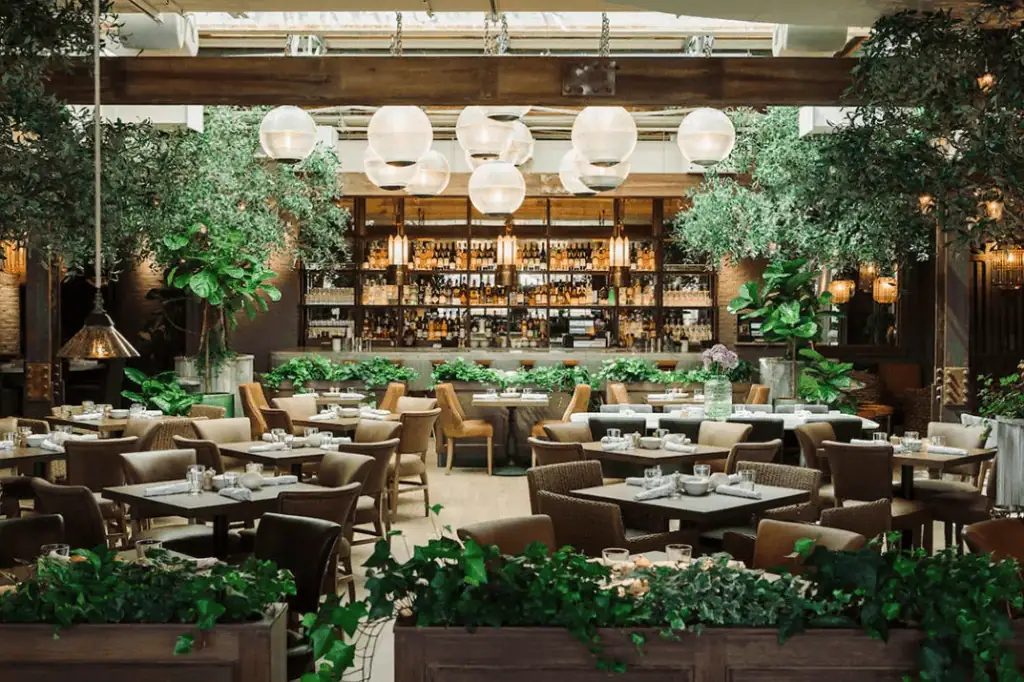
Chicago’s restaurant challenges are shaped by a combination of fixed costs and seasonal realities. Utility increases, property taxes, and insurance hikes have raised baseline expenses, while long winters still create predictable slow periods. For decades, many restaurants relied on strong summer revenue to carry them through colder months. That buffer has thinned as costs rise year-round. Even restaurants with loyal followings struggle to bridge seasonal gaps without taking on debt or cutting staff. Closures here often follow long, quiet declines rather than sudden failures, revealing how cumulative pressure not a single bad year, has pushed many established spots past sustainability.
Austin

Austin’s rapid growth reshaped its restaurant landscape faster than many local operators could adapt. As new residents arrived and neighborhoods gentrified, commercial rents climbed sharply, often outpacing revenue growth. Longtime, low-key restaurants built on affordability and regulars found themselves squeezed by leases designed for a very different market. Even steady crowds couldn’t absorb sudden rent jumps paired with higher labor and ingredient costs. Many closures weren’t caused by lack of demand, but by being priced out of the very neighborhoods they helped make desirable in the first place.
Portland

Portland’s restaurant closures reflect a mix of financial pressure and human exhaustion. Staffing shortages remain persistent, especially for late-night service, while customer demand after dark has not fully returned. Many independent operators report that reduced hours lowered revenue without reducing fixed costs. Burnout has become a deciding factor alongside money, with chefs opting to step away rather than rebuild under constant strain. Once known for experimentation and small-scale creativity, Portland’s food scene is now contracting as operators reassess whether the workload still matches the reward.
Seattle

Seattle’s closures are hitting small, family-run restaurants hardest. Rising wages, rent, and insurance costs have increased baseline expenses, while competition from well-funded concepts intensifies. Operators without outside investment or multiple locations have little buffer against slow weeks or unexpected costs. Even consistent neighborhood traffic doesn’t guarantee sustainability when margins are razor thin. As older restaurants close, replacements tend to be newer, more capital-backed concepts, changing the character of local dining and making recovery feel uneven rather than cyclical.
Denver
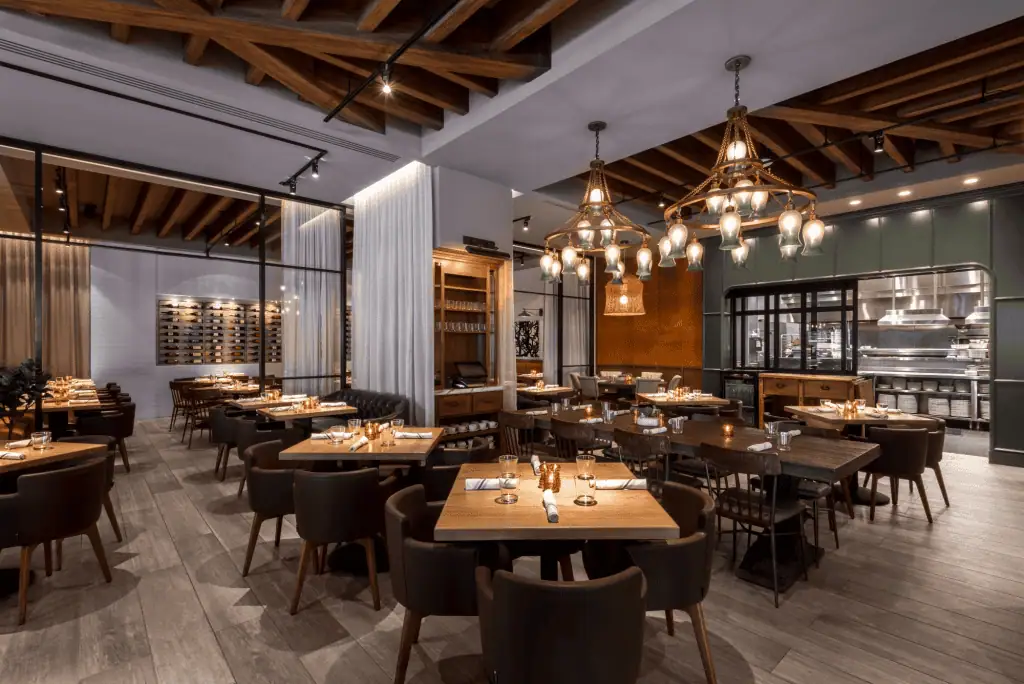
Denver’s population growth hasn’t translated into restaurant stability. While the city is busy, traffic patterns are inconsistent, making revenue unpredictable week to week. Higher ingredient costs and labor expenses have collided with fluctuating demand across neighborhoods. Restaurants can be packed one night and quiet the next, complicating staffing and ordering decisions. For many operators, growth brought competition without reliability. Closures often stem from uncertainty rather than failure proof that a growing city doesn’t always provide the steady foundation restaurants need to survive long term.
New Orleans

Tourism continues to buoy New Orleans, but its benefits are unevenly distributed. Restaurants located outside major tourist corridors are struggling as insurance premiums surge, staffing shortages persist, and aging infrastructure creates added costs and disruptions. Neighborhood spots that rely on locals rather than visitors face thinner margins without the buffer of steady tourist traffic. Even well-loved, long-running restaurants are finding it harder to absorb rising expenses tied to weather risk, repairs, and labor. Many closures aren’t about lack of demand, but about cumulative pressures that make day-to-day operations increasingly fragile.
Boston

Boston’s restaurant closures are closely tied to real estate pressure and cautious consumer behavior. High commercial rents leave little room for recovery when foot traffic fluctuates, and renegotiating leases often means accepting terms that erase already-thin margins. At the same time, diners are spending more selectively, favoring fewer outings rather than regular neighborhood visits. For many long-running restaurants, the math no longer works. Instead of gambling on another lease cycle, owners are choosing to exit gracefully, ending decades-long runs rather than taking on financial risk that no longer feels justified.
Philadelphia

Philadelphia’s restaurant scene is quietly losing its middle layer. Rising food, labor, and utility costs have collided with changing dining habits, leaving casual, community-focused restaurants especially vulnerable. These spots once thrived on regulars and predictable traffic, but fewer spontaneous meals out have made consistency harder to maintain. High-end restaurants and quick-service options adapt more easily, while mid-priced neighborhood places struggle to adjust. Many closures happen without fanfare, not because the restaurants failed, but because the economic space they occupied is steadily shrinking.


