
Old-School Beers Americans Don’t Reach For Anymore

Old-school American beers carry a sense of nostalgia and tradition, yet many have faded into the background of today's craft-heavy market. Understanding their unique qualities and histories not only enriches a culinary perspective but also hones one's appreciation for these classic brews. These beers once dominated the landscape, celebrated for their craftsmanship and consistency. As we explore each, consider the distinctive techniques and flavor profiles that defined an era of beer drinking.
Michelob: The Lager Legend
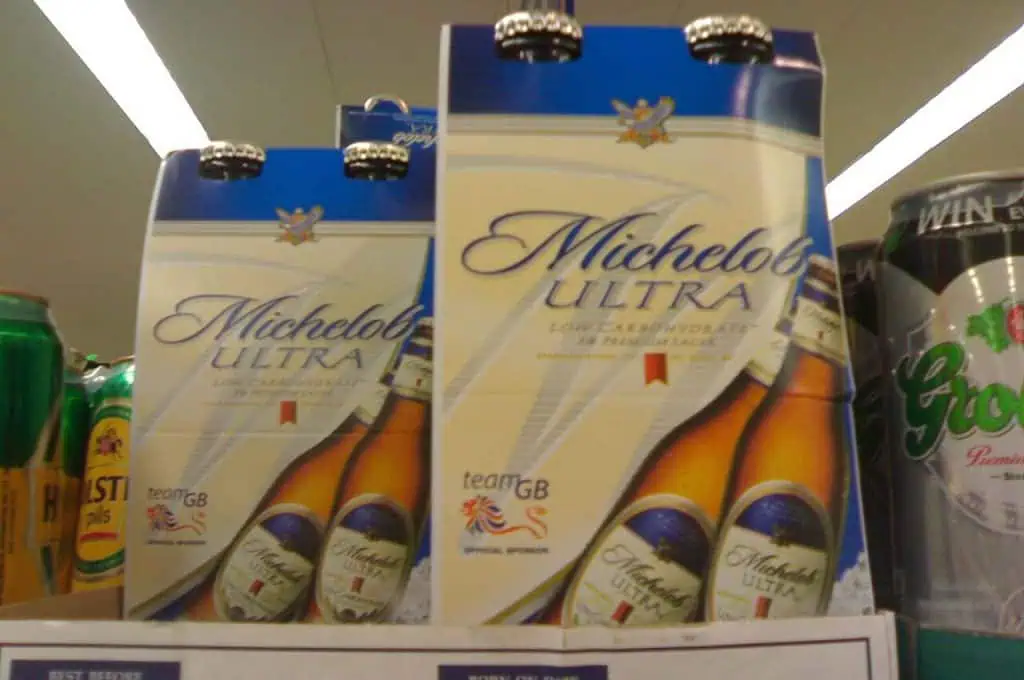
Michelob was once synonymous with quality lager, distinguished by its golden clarity and balanced taste. Brewed with choice hops and a combination of barley malts, it offers a smooth, crisp finish that complements a range of foods, from grilled chicken to sharp cheddar. When pouring, ensure it’s chilled to approximately 45°F to enhance its clean malt profile. Serving it in a tulip glass can accentuate its subtle aroma, allowing the faintly floral notes to emerge as you sip. Despite its current under-the-radar status, Michelob remains a worthy contender for those seeking classic lager sophistication.
Hamm’s: From the Land of Sky Blue Waters to Obscurity
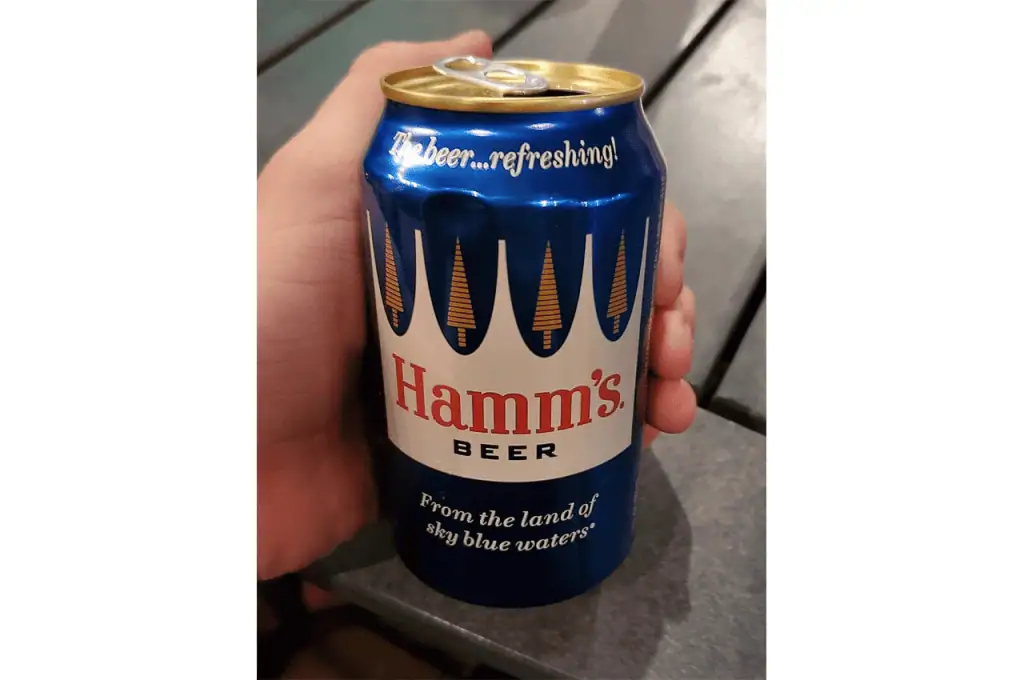
Hamm’s, once beloved for its catchy jingle and playful bear mascot, was a Midwestern staple that proudly declared it came “from the land of sky blue waters.” Founded in Minnesota in the 1860s, it thrived through the mid-20th century as an affordable, easy-drinking lager. But as craft beers rose and national brands consolidated, Hamm’s lost its foothold. Though it survives as a bargain brew on some shelves, its cultural impact has largely faded into nostalgia.
Genesee Cream Ale: A Regional Legend Forgotten
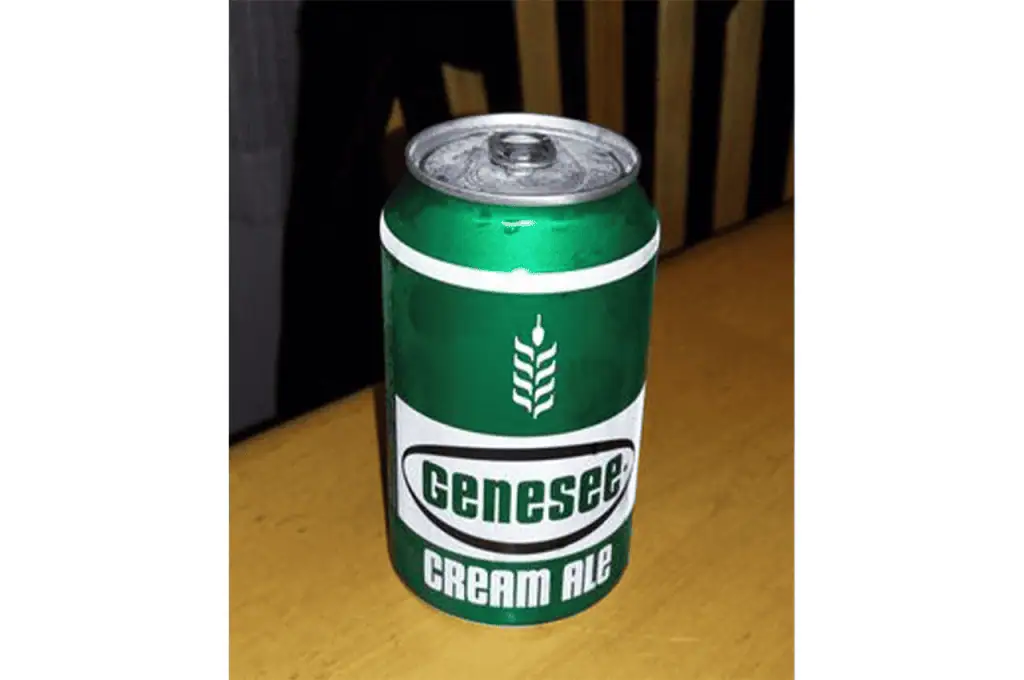
Launched in 1960 by the Genesee Brewing Company in Rochester, New York, Genesee Cream Ale blended the smoothness of lager with the flavor of ale, carving out a loyal following in the Northeast. It was cheap, drinkable, and proudly regional, earning cult status among blue-collar drinkers. Yet as national brands expanded and younger consumers gravitated toward craft brews, “Genny Cream” faded from the spotlight, now remembered more as a regional relic than a household name.
Rolling Rock: Green Bottle, Fading Presence

Once iconic for its mysterious “33” and distinctive green bottle, Rolling Rock was brewed in Latrobe, Pennsylvania, starting in 1939 and became a favorite among college students and budget drinkers. Its crisp, easy-drinking profile gave it cult status through the ’80s and ’90s. But after Anheuser-Busch bought the brand in 2006 and moved production to New Jersey, longtime fans felt betrayed. Craft beer trends soon overshadowed it, leaving Rolling Rock a fading echo of its once-loyal following.
Budweiser: The King Dethroned

Once hailed as the “King of Beers,” Budweiser's iconic recipe is crafted using rice alongside barley malt, which contributes to its light body and clean finish. The beechwood aging process imparts a distinctive smoothness and faint caramel undertones. Best enjoyed cold, between 38°F and 45°F, this beer pairs well with casual fare like burgers and barbecue. Pour into a pilsner glass to highlight its effervescent carbonation and head retention. While newer brews capture the limelight, Budweiser's meticulous brewing practice remains a benchmark in lager production.
Schlitz: The Beer That Made Milwaukee Famous
Schlitz carries a rich legacy with its bold tagline and robust flavor, characterized by a moderate bitterness and slightly sweet malt backbone. The clean, crisp taste makes it a versatile partner for spicy dishes and hearty stews. Pouring it at about 40°F in a wide-mouthed glass can enhance its aromatic qualities, allowing the faint notes of hops and barley to entice your senses. Though its prominence has waned, appreciating Schlitz involves recognizing the craftsmanship that made it a staple among beer aficionados.
Anchor Steam: A Pioneer Goes Quiet

Anchor Steam stands as a pioneer of the Californian brewing tradition with its distinctive blend of lager and ale characteristics. The steam beer employs a unique open fermentation process, imparting a rich, complex profile. Expect a pronounced maltiness balanced by a hint of floral hops. Serve it cool, around 50°F, to capture its nuanced layers of flavor, a superb match for grilled sausages and earthy cheeses. While it no longer commands the craft beer scene, Anchor Steam’s historical significance and taste complexity make it a worthy choice for those seeking depth in their brew.
Miller Genuine Draft: Once a Cold Favorite

Miller Genuine Draft was known for its innovative cold-filtering process that preserved the beer’s crisp, refreshing quality without pasteurization. Its smooth finish and mild flavor made it a crowd-pleaser at gatherings. To fully appreciate the subtleties, serve it chilled in a frosted glass, which enhances its effervescence and light taste. Despite its decline in popularity, it remains a testament to Miller's unique brewing craftsmanship.
Fuller's ESB: The British Classic Fading

Fuller's ESB, short for Extra Special Bitter, boasts a rich, malty profile with a balanced hop bitterness. Traditionally enjoyed at cellar temperature, this beer offers complex flavors of caramel, toast, and dried fruit with each sip. Pour it into a nonic pint glass to appreciate its amber hue and creamy head. Despite its dwindling presence, it remains a worthy choice for those who value classic British brews.
Schaefer: America's Oldest Lager

Schaefer Lager is known for its straightforward taste, characterized by a light body and soft finish. As America’s oldest lager, it built its reputation on consistency and subtle malt notes. Serve well-chilled in a simple, tall glass to enjoy its crisp, clean profile at its best. While it may no longer lead the market, Schaefer holds a nostalgic spot in American beer history.
Milwaukee's Best: Not the Best Anymore

Milwaukee's Best was once a staple for those seeking affordability without sacrificing quality. Its light malt and hop character made it an easy-drinking option. Chilled cans or bottles yield the best experience, highlighting its straightforward and refreshing attributes. Despite losing ground to newer brands, it still embodies the traditional American lager taste that many grew up with.
Stag Beer: The Midwestern Staple

Stag Beer delivers a distinct blend of malt sweetness and hop bitterness, earning its place as a beloved choice in the Midwest. A pour into a classic pilsner glass reveals its golden color and familiar crispness. Best enjoyed cold, Stag Beer offers a refreshing experience with a hint of nostalgia. Though less visible today, it continues to represent a slice of regional brewing heritage.
Stroh's: Fire-Brewed and Forgotten

Stroh's beer is a classic example of traditional fire-brewing, a technique that imparts a distinct caramelization to the malt. This old-school lager, once a staple in American fridges, stands out for its smooth, slightly sweet flavor profile that pairs well with hearty, comfort foods. The fire-brewing process involves using direct heat sources, like open flames, to enhance the malt's natural sugars, giving Stroh's its unique taste. Revisiting this beer can offer a deeper appreciation for traditional brewing methods and encourage a renewed exploration of complementary pairings.
Carling Black Label: Once a Prize Winner

Carling Black Label was once celebrated for its crisp, clean finish and approachable taste that made it an award-winning favorite. This lager's appeal lies in its balance of malty sweetness and gentle hop bitterness, offering a versatile beverage option for a variety of dishes. Its brewing process includes precise temperature controls to maintain the light, refreshing profile that complements casual fare like grilled meats and mild cheeses. Rediscovering Carling Black Label can serve as an invitation to embrace simplicity in flavor and clarify the importance of balance in brewing.
Olympia Beer: It's the Water No More

Olympia Beer, famously branded with the phrase “It's the water,” was known for its light, refreshing profile, which owed much to the quality of water used during brewing. This lager highlights how water minerals can influence a beer's taste, often imparting a smooth, clean mouthfeel. Originally sourced from artesian wells, Olympia's distinctively mild flavor complements delicate dishes such as seafood and salads. The decline of this beer offers a reminder of the significance of water quality in brewing and serves as a lesson in the subtle complexities of flavor.


