
10 Iconic ’80s Food Commercials That Changed How We Ate

The 1980s marked a transformative era in food advertising, with commercials that left lasting impressions and influenced eating habits. Through witty slogans and memorable characters, these ads did more than promote products; they shaped consumer expectations and preferences. Exploring these iconic commercials reveals how they altered food culture, driving both product loyalty and culinary trends.
Wendy’s Bold Question: “Where’s the Beef?”
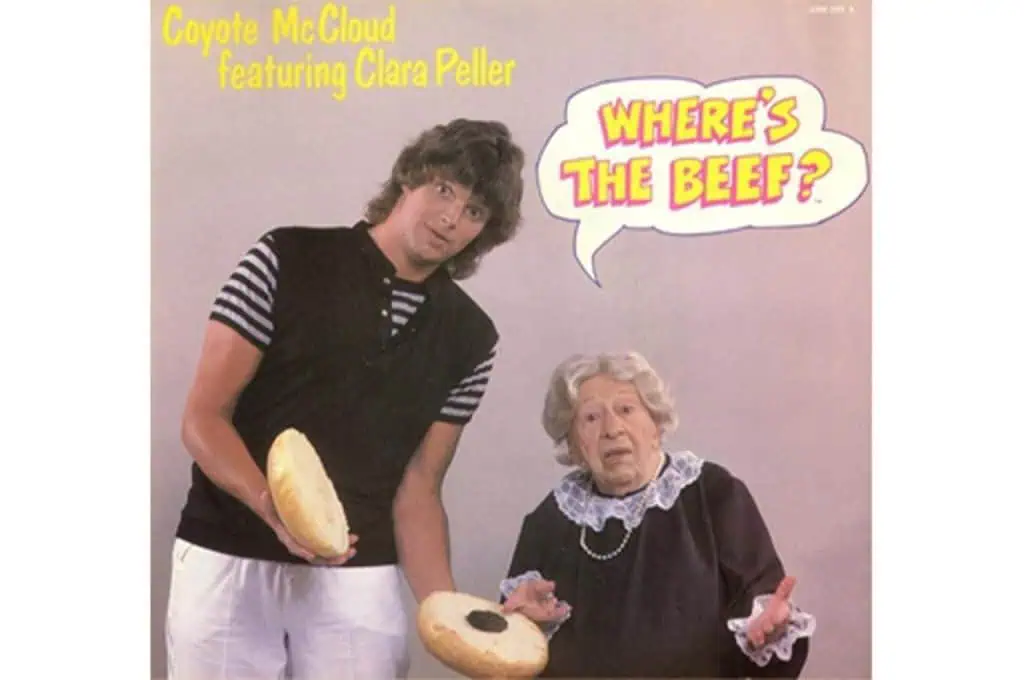
Wendy’s 1984 commercial featuring the catchphrase “Where’s the beef?” challenged competitors by emphasizing quality over quantity. This ad spotlighted the importance of ingredient transparency, pushing consumers to demand more substance from fast food giants. Wendy's approach not only questioned portion control but also underlined the significance of taste and satisfaction, urging viewers to reconsider their choices for a meatier, more fulfilling burger experience.
Mikey’s Approval: Life Cereal’s Famous Kid

Life Cereal’s commercial with Mikey, the famously picky eater, resonated with parents and children alike. Featuring a child who surprisingly enjoys the cereal, the ad focused on both taste and nutritional value, encouraging families to trust in a product that was equally healthy and appealing. By casting a relatable character, the campaign highlighted the importance of a balanced breakfast, seamlessly marrying flavor with wholesome ingredients.
Cola Wars: Pepsi vs. Coke Showdown

The Cola Wars of the 1980s brought fierce competition between Pepsi and Coca-Cola into the living room, with ads often pitting the two titans against each other. Through blind taste tests and celebrity endorsements, these commercials sparked debates over flavor, loyalty, and brand identity. This rivalry not only boosted brand engagement but also emphasized personal preference, showing consumers the power of choice in a saturated market.
Domino’s Noid: Avoid Delivery Disasters

Domino’s introduced the Noid in a series of animated commercials designed to emphasize their commitment to prompt, hot pizza delivery. The ad campaign underscored the frustration of cold or delayed delivery by presenting the Noid as an obstacle to overcome. This focus on reliability and customer satisfaction urged consumers to trust Domino’s for a consistently positive pizza experience, highlighting the importance of both product quality and service efficiency.
Happy Meal Magic: Toys Meet Burgers

In the 1980s, the Happy Meal revolutionized fast food by combining simple burgers with collectible toys, redefining family dining experiences. Featuring characters from popular movies and TV shows, these toys became a nostalgic element of childhood. The packaging was vibrant and engaging, often incorporating puzzles or games. For families, this innovation offered entertainment beyond the meal itself, making a trip to fast food outlets an event rather than just a convenience.
Campbell’s Kids: “M’m! M’m! Good!”

Campbell's soup commercials in the ’80s consistently highlighted warmth and comfort, turning simple soup cans into symbols of home-cooked goodness. The phrase “M’m! M’m! Good!” became synonymous with taste satisfaction. Advertisements focused on rich, steaming textures and hearty ingredients, convincing viewers of their products' wholesome nature. The branding emphasized tradition and familiarity, making Campbell’s a staple in countless kitchen cupboards.
Kool-Aid Man: “Oh Yeah!” Moments

The Kool-Aid Man crashing through walls became an iconic representation of fun and refreshment. During the 1980s, these ads used vibrant colors and exuberant energy to sell a sugary, drinkable delight. The imagery of the Kool-Aid Man embodied spontaneity, while the simple preparation process of mixing the powder with water made it a hit with both children and busy parents. This marketing strategy emphasized convenience and joyous indulgence.
Reese’s Cups: The Perfect Accident

Reese’s commercials embraced the happy accident of merging peanut butter and chocolate into a perfect candy. The '80s ads played on the theme of serendipitous collision, inviting curiosity and humor. The campaign highlighted the contrasting textures of the creamy interior and the firm chocolate shell, appealing directly to the senses. This approach made Reese’s Cups a must-try treat for those craving something both sweet and nutty.
California Raisins: Dancing to Motown

With soulful Motown tunes and claymation characters, the California Raisins brought dried fruit into the pop culture spotlight. Their catchy commercials illustrated raisins as a hip, enjoyable snack, reshaping perceptions of what was often seen as a mundane food item. The rhythm and style of the ads made them memorable, sparking a broader appreciation for raisins' natural sweetness and chewiness, transforming them into a musical phenomenon.
Beyond Food: Budweiser Frogs & Spuds

The 1980s saw advertising evolve, using mascots and iconic jingles to make brands unforgettable. Budweiser's frogs were a standout, cleverly humorizing beer consumption with animated characters. This approach shifted beverage advertising from straightforward messaging to engaging, character-driven storytelling. Simultaneously, Spuds MacKenzie turned light beer into a lifestyle image by embodying the fun-loving party spirit. These campaigns deepened consumer connection, showing how branding could transcend the product itself, embedding cultural resonance through charming and relatable antics.


