
Inside Hitler’s Table: 7 Strange Eating Habits that Reveal a Dark History

Adolf Hitler's eating habits offer a glimpse into a complex and unsettling relationship with food. These habits were intertwined with his personal ideologies and health obsessions. By examining his diet, we can uncover the peculiar and, at times, contradictory nature of his dietary choices. This exploration not only reveals his unique tastes but also serves as an unsettling reminder of how even food can be influenced by extreme ideologies.
The Vegetarian Myth: Plant-Based Preferences
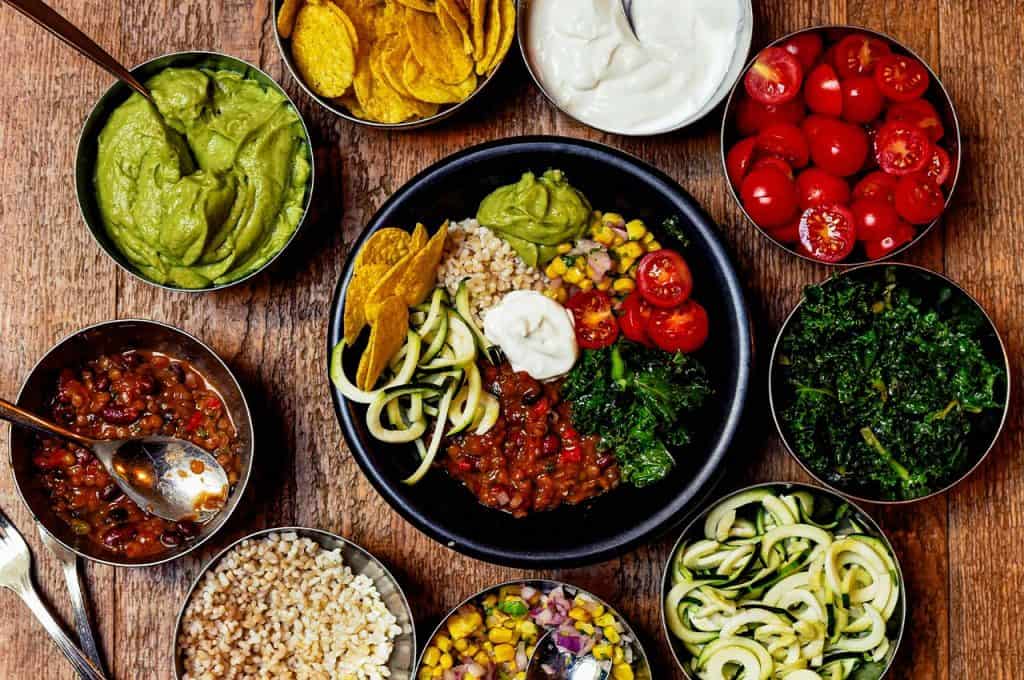
Despite being widely regarded as a strict vegetarian, Hitler’s dietary preferences weren’t solely based on ideology. This narrative often overlooks the influences of his health concerns. However, historical accounts suggest occasional indulgence in meat, questioning the extent of his vegetarianism. He frequently favored simpler plant-based meals, not from ethical choice but driven by a belief in their health benefits. Understanding these dietary decisions illustrates how they were often more about perceived medicinal value than genuine vegetarian conviction.
Obsessive Meal Routine: Timed to Perfection

Hitler's meals were dictated by a strict routine, reflecting his broader obsession with control. Precision in timing was paramount; he followed a regimented schedule that dictated every meal's occurrence to the minute. His meals often lacked variety but were consistent in timing, a habit that aligned with his need for order amidst chaos. This inflexible approach to dining emphasizes the broader patterns of his life, marked by rigorous repetition and an aversion to spontaneity in all aspects, including his plate.
A Sweet Tooth in a Brutal Regime

Despite a reputation for rigidity, Hitler exhibited a notable fondness for sweets. His interest in desserts, particularly simple cakes and pastries, was a less severe aspect of his dining preferences. This sweet indulgence served as a stark contrast to his otherwise austere image, displaying a surprisingly personal and relatable trait. Such cravings not only added a humanizing layer to his profile but also underscored the complex dichotomy between his public persona and private indulgences.
Food Taboos and Influential Beliefs

Hitler’s food choices were heavily influenced by a mix of personal beliefs and broader ideological claims. He avoided certain foods due to strong aversions tied to moral or health-related taboos. These exclusions had less to do with taste and more with their perceived symbolic significance. His selective dining habits reveal how food became another realm for control and self-imposed rules in line with his broader life ethos. His table was thus as much about moral statement as sustenance.
Fasting and Self-Control Philosophy

Hitler’s approach to food was grounded in strict principles of fasting and self-discipline. This reflected his broader views on control, extending into his dietary habits as a form of personal regulation. He believed fasting curated a sharp mind, often abstaining to maintain what he considered mental clarity and focus. This regime was about more than health; it was a statement of willpower. His selective fasting practices provide an insight into how he perceived food in relation to physical and ideological strength, emphasizing restraint as a virtue.
Meals Tailored by His Inner Circle
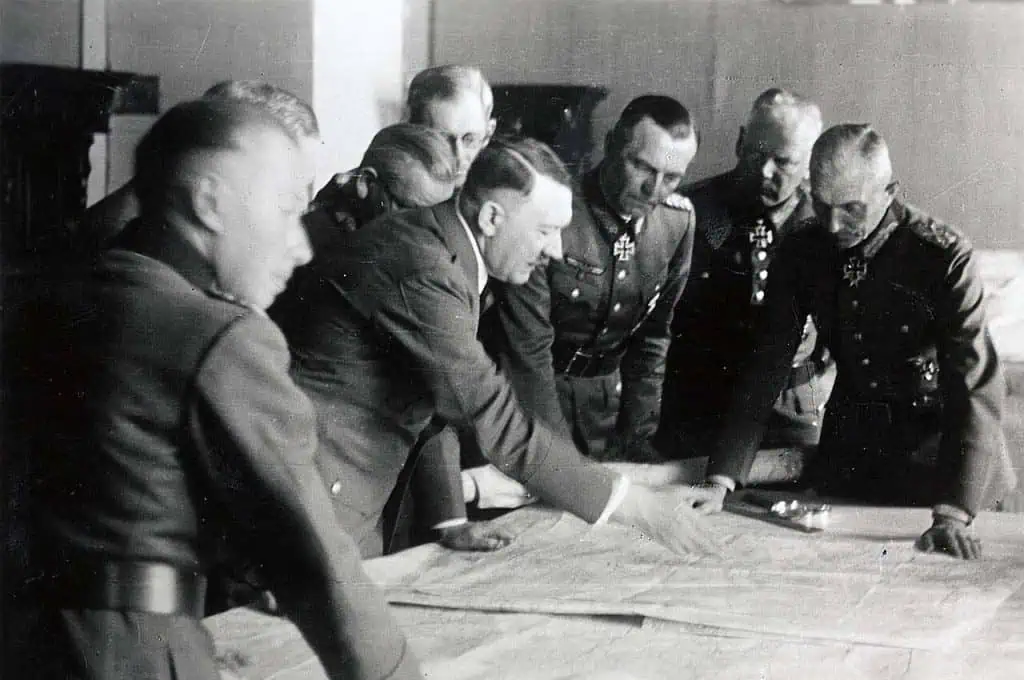
Hitler’s meals were meticulously planned by his personal chefs, who catered to his vegetarian diet and aversions. His inner circle, aware of his preferences, surrounded him with meals that adhered strictly to his dietary restrictions. These dishes were simple, often relying on vegetables like peas and carrots, sometimes extending to rice or pasta. The preparation favored minimal seasoning, reflecting a preference for unembellished flavors. His diet, by design, reflected a stark contrast to the elaborate meals often associated with leaders, aligning instead with his controlled, austere lifestyle.
Propaganda and the Politics of Diet
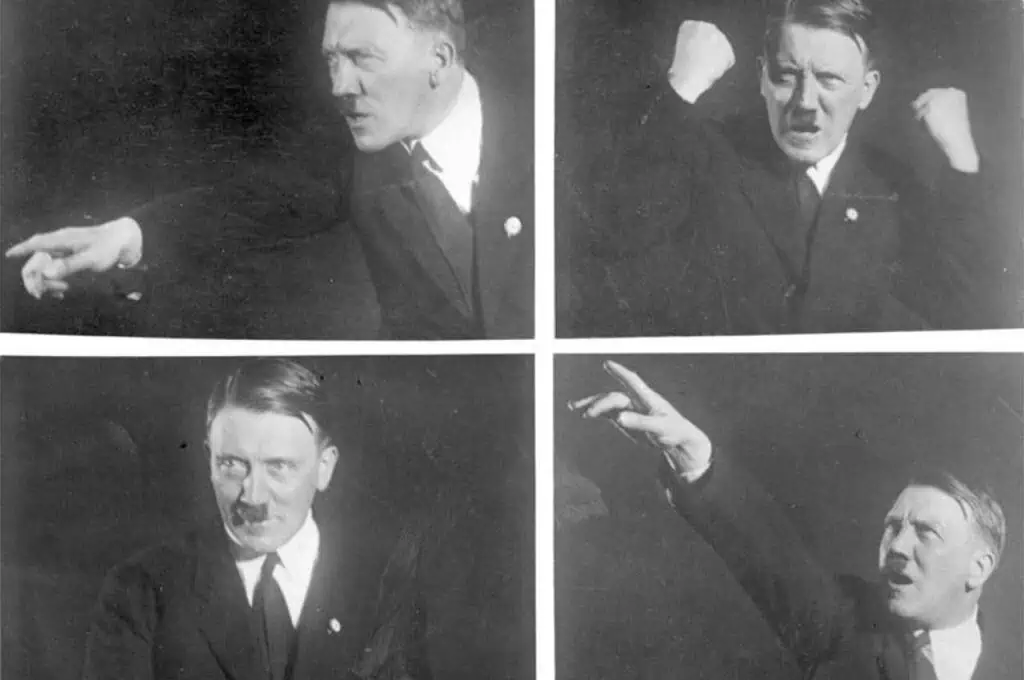
Food under Hitler was not merely sustenance but a tool of propaganda. His dietary choices were publicized, portraying him as a modest, health-conscious leader, distinctly different from the opulent lifestyles of others. This narrative played into broader political messages, using his vegetarianism as a symbol of purity and reflection of personal sacrifice for the perceived greater good. The focus on his simple diet aimed to cast his leadership in a favorable light, reinforcing ideals of righteousness through disciplined eating habits. This intersection of diet and politics was fundamental to his regime’s image-crafting strategy.


