
How Pad Thai Became Thailand’s Most Famous Dish

Pad Thai is a quintessential dish that embodies the vibrancy and balance of Thai cuisine. Its harmonized flavors—sour, sweet, savory, and spicy—are achieved through a refined combination of tamarind, palm sugar, fish sauce, and chilies. This comforting stir-fried noodle dish, adorned with fresh lime, crunchy peanuts, and spring onions, offers a delightful exploration of texture and taste. By understanding its history and preparation, one can appreciate the subtle artistry that has led Pad Thai to become Thailand’s most famous culinary export.
Pad Thai Origins: A National Recipe
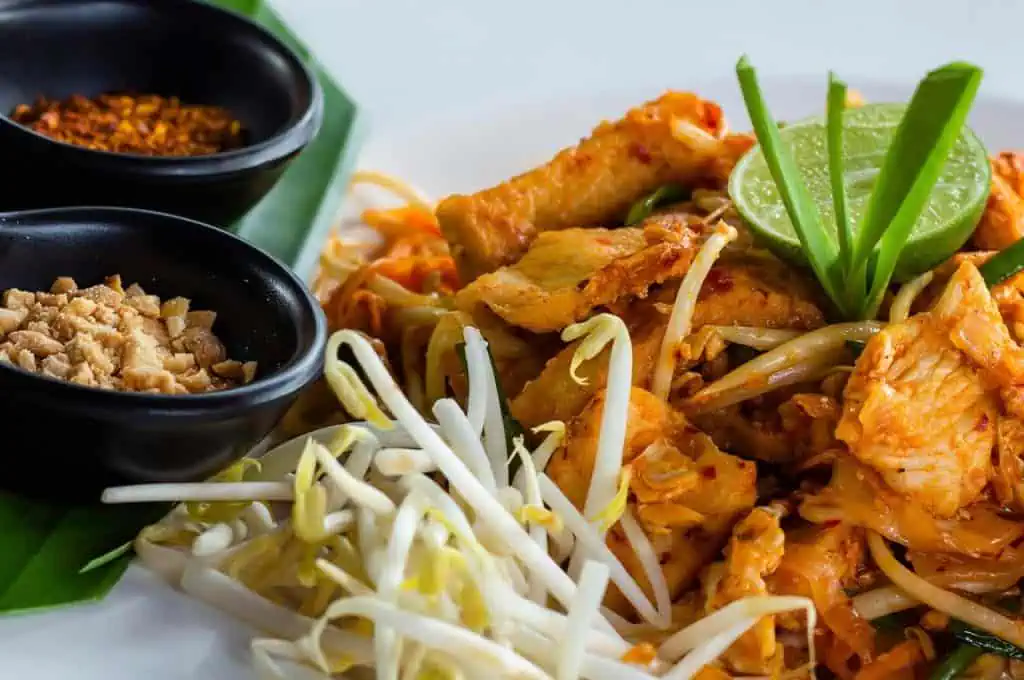
The origins of Pad Thai trace back to the era of Prime Minister Plaek Phibunsongkhram. In an effort to build a sense of national identity, the government promoted a single dish that could represent Thailand’s culinary heritage. This led to the adaptation of a traditional stir-fried noodle recipe from China, infused with local Thai elements. The integration of ingredients like dried shrimp, tofu, and peanuts ensured a unique flavor profile, distinctively Thai. It’s a fusion dish that became not just a meal, but a cultural symbol cherished across the globe.
1930s: Defining Thai Identity Through Food

During the 1930s, the Thai government embarked on a cultural campaign to fortify national identity and modernize the country. A crucial component of this strategy was the promotion of a unified cuisine. Pad Thai was thrust into the limelight as a dish that represented the essence of Thai culture while distinguishing it from neighboring influences. This period emphasized culinary innovation, leading to a synthesis of local ingredients that became integral to the dish. Pad Thai's rise mirrored a broader effort to define Thailand’s cultural patrimony through its food.
Rice Noodles: A Nationalist Swap

Central to Pad Thai is the use of rice noodles, a deliberate substitution encouraged by the Thai government to reduce dependence on rice exports. The choice of rice noodles helped to promote a sense of national economic resilience, making every bite a testament to national ingenuity. These noodles offer a tender chew, carrying the sauce and toppings with grace. Proper preparation involves softening the dry noodles in warm water before stir-frying, preserving their delicate yet pliable nature that holds both flavor and texture remarkably well.
Street Food Sensation

Pad Thai’s ascent to fame owes much to its adaptability as street food. Vendors skillfully prepare it in bustling markets, where sizzling pans and vibrant garnishes create an enticing spectacle. The dish effortlessly accommodates various taste preferences, with options to add shrimp, chicken, or tofu. Quick to prepare and easily customizable, Pad Thai thrives as an accessible delight for both locals and tourists alike. Its widespread availability and authenticity capture the spirit of Thailand’s culinary landscape, making it an enduring comfort food celebrated around the world.
The Perfect Flavor Balance
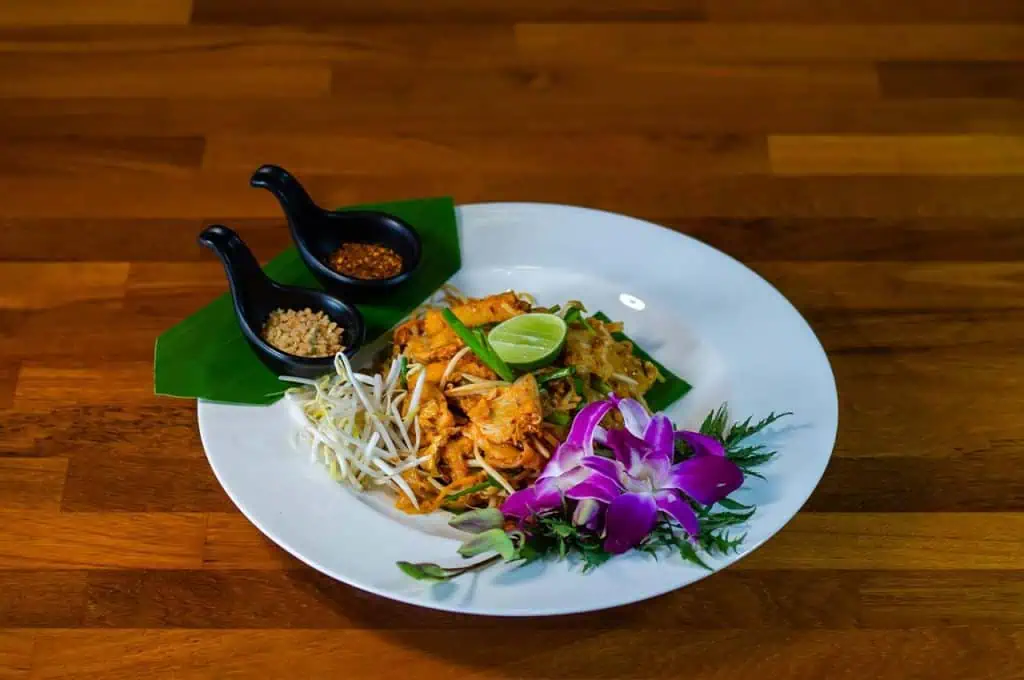
The essence of pad Thai lies in its intricate balance of sweet, sour, salty, and umami flavors. Mastering this begins with the sauce, a blend of tamarind paste, fish sauce, palm sugar, and lime juice. Each element plays a pivotal role: tamarind delivers a tangy depth, while fish sauce brings umami richness. Palm sugar adds warmth, and lime juice offers brightness. Tossed with rice noodles, eggs, tofu, and shrimp, each component melds to create a harmonious dish. Pay attention to the texture—the noodles should be silky and tender, absorbing the sauce without becoming mushy.
Global Journey: From Bangkok to NYC

Pad Thai’s journey from Bangkok street vendors to global kitchens marks its universal appeal. This dish, crafted during wartime Thailand for its affordability and nutritional value, quickly captivated international culinary scenes. In cities like New York, chefs embrace its quick preparation and complex taste profiles, drawing on traditional techniques such as using a hot wok for optimal texture. Adaptability has aided its spread—restaurants worldwide offer regional twists while maintaining core elements, making it accessible to diverse palates and cementing its status as a culinary ambassador for Thailand.
Pad Thai's Western Makeover

As pad Thai traveled west, adaptations emerged, transforming traditional flavors into an array of variations. Western versions often introduce additional proteins like chicken or beef, diversifying its appeal. The sauce might appear sweeter or less pungent to conform to local tastes, sometimes incorporating peanut butter for creaminess—a notable deviation from authentic recipes. These changes, while sometimes controversial among purists, highlight the dish’s flexibility and capacity to evolve. When preparing pad Thai, home cooks can explore these variations, blending authenticity with personal preference to craft a familiar yet unique plate.
Authenticity: What Defines Pad Thai?
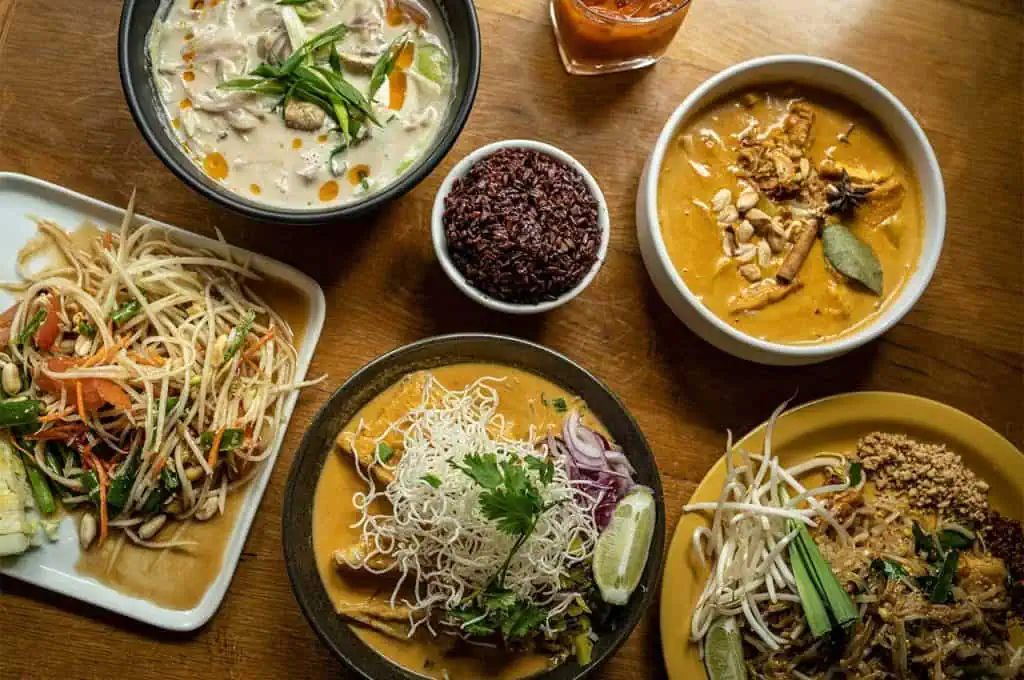
Authenticity in pad Thai is defined by adherence to traditional ingredients and methods. Key components include dried shrimp, chives, peanuts, and bean sprouts, each contributing distinct flavor and texture. Frying in a searingly hot wok ensures a smoky depth known as “wok hei,” essential for an authentic experience. While some argue authenticity mandates strict ingredient use, others see it as a reflection of personal and regional variation. Understanding the fundamentals allows for respectful innovation, ensuring the dish remains true to its roots while accommodating diverse interpretations.
Cultural Icon or Culinary Cliché?

Pad Thai’s global reputation as a symbol of Thai cuisine is undeniable, yet achieves varying levels of authenticity outside Thailand. Often perceived as a starting point for exploring Thai food, it sometimes risks being oversimplified as the representative Thai dish. In reality, it’s one of many complex and unique offerings from Thailand’s culinary landscape. As a cultural icon, pad Thai invites discussion on how food evolves and bridges cultures, challenging perceptions of authenticity and originality. For cooks, it’s both a dependable favorite and a reminder of cuisine’s ability to transform identity beyond borders.
Pad Thai Today: Comfort Food Leader
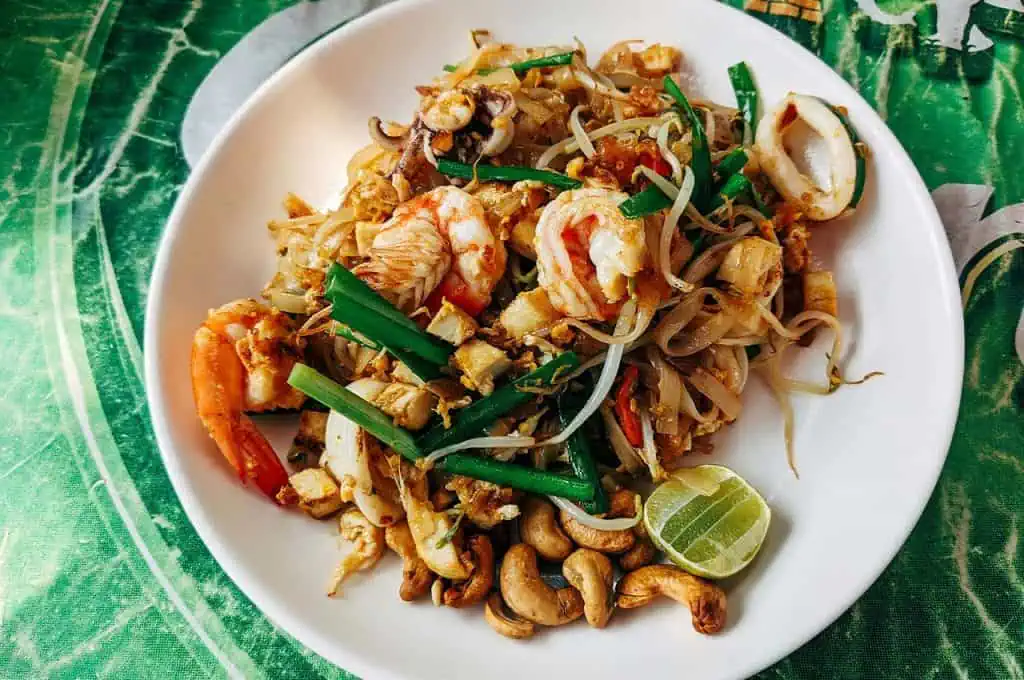
Pad Thai stands at the forefront of comfort food, cherished both in Thailand and globally. This dish combines stir-fried rice noodles with an umami-rich sauce made from tamarind paste, fish sauce, and palm sugar, balanced with the heat of chili. Each element brings texture and flavor, from crunchy peanuts to crisp bean sprouts. This versatile dish can be customized with proteins like shrimp, chicken, or tofu.
Mastering the timing of ingredients is crucial to avoid sogginess. Toss ingredients over high heat swiftly, ensuring they remain vibrant and full of character. Garnish with a squeeze of lime for a finishing touch that enlivens every bite.


