
How Food Choices Became Personal Brand Statements

In today's world, food choices have evolved beyond mere sustenance to become extensions of personal identity. As we navigate diverse culinary landscapes, our selections reflect who we are or aspire to be. Each bite, whether it's a colorful poke bowl or a locally sourced stew, communicates values and style. Our kitchens are no longer private sanctuaries but stages where we craft these edible self-expressions. This transformation reveals a broader cultural shift where food choices are intertwined with personal branding.
From Plates to Personas: Edible Identity
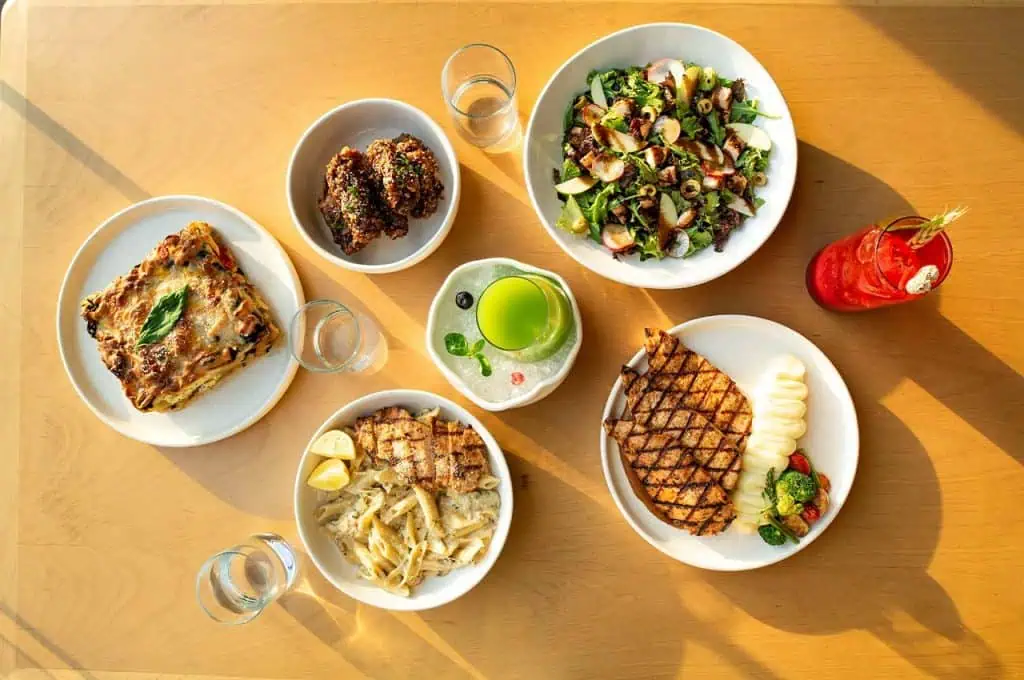
The transformation of food from necessity to identity marker reflects our modern pursuit of self-expression. Our plate choices now convey personal stories and beliefs. Opting for organic produce signals environmental consciousness, while embracing global cuisines demonstrates openness and cultural appreciation. Attention to these details enhances cooking skills: selecting fresh, in-season ingredients not only supports local markets but ensures vibrant flavors and superior textures. This deliberate alignment of food with personal values enables home cooks to refine their culinary narrative.
Instagram Made Me Do It: Food Aesthetics

Visual platforms have pushed food presentation to new heights, with aesthetics often rivaling taste. Home cooks now focus on the art of arrangement, enhancing a dish's appeal. Think of crafting a salad: balance vibrant veggies with color and texture harmony, using irregular cuts or garnishes like microgreens for added interest. The attention to plating elevates a meal’s visual impact, creating share-worthy moments. This emphasis encourages precision in technique, ensuring each element not only looks appealing but tastes delicious, marrying beauty with flavor.
Clean Eating Dirty Marketing: Lifestyle Flex

The clean eating trend reflects a shift toward health-conscious choices, often influenced by savvy marketing. Phrases like ‘gluten-free' or ‘non-GMO' dominate packaging but require an informed approach. Understanding ingredient labels and sourcing transparency becomes crucial. By prioritizing whole, unprocessed foods, home cooks can craft meals that align with personal wellness goals yet remain palatable and satisfying. Techniques such as steaming or gentle roasting preserve nutrients while enhancing taste. This melding of health and enjoyment underscores the intelligent pursuit of culinary wellness.
The Politics of the Plate: Diet Messages

Food choices today often carry deeper societal implications, influencing perceptions and discussions. Selections such as plant-based diets or fair-trade products serve as political statements, promoting sustainability and ethics. This requires cooks to be mindful not only of ingredients but their origins and impact. Incorporating diverse grains and legumes can expand both culinary repertoire and conversation. Simple actions, like reducing waste through responsible portions, echo broader values. In this intricate dialogue, each dish becomes a culinary ambassador, representing ideals beyond the dining table.
Plant-Based Pride and Keto Clout: Diet Tribes

Choosing a diet like plant-based or keto has become more than just a health decision; it's a statement of identity. Plant-based diets, rich in legumes, grains, and vegetables, offer culinary flexibility and vibrant textures. Whether you're crafting a chickpea stew or a quinoa salad, pay attention to seasoning. Fresh herbs like basil or cilantro, along with citrus zest, can elevate dishes. Keto followers focus on healthy fats and meats. Embrace the richness of avocado and the umami of slow-cooked meats. Use spices like smoked paprika or cumin for depth.
Local Organic Authentic: New Taste Symbols

Eating local and organic defines a commitment to sustainability and flavor purity. Selecting produce at its peak, ripe tomatoes, crisp apples, ensures maximum taste. When preparing meals, highlight the freshness by using simple cooking methods. A quick sauté or light steam preserves the vibrant colors and textures. Look for organic certifications to guarantee quality. Artisanal bread, local cheese, and organic wine pairings create experiences that reflect mindful choices. The authenticity in these ingredients showcases respect for environment and tradition.
Influencer Dining: Marketable Meals
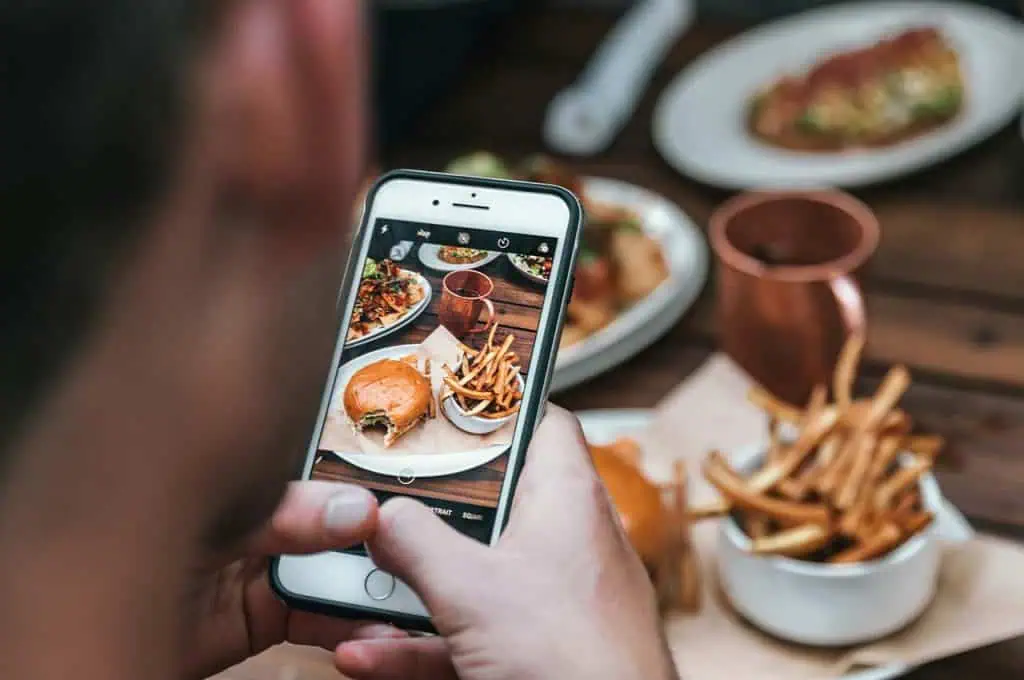
Influencer dining involves crafting meals that look as appealing as they taste. Focus on plating: contrasting colors and varied textures draw the eye. Use tools like ring molds for layered salads or tweezers for precise garnish placement. Social media craveability means editing for concise content, capturing the essence of the dish. Engage with trends, such as edible flowers or activated charcoal, but ensure they add value. Master techniques like sous vide for meat tenderness or spiralizing vegetables for interesting shapes. Your meal should tell a story of creativity and precision.
The Future of Food Identity: AI and Personalization

Innovations like AI are set to transform personal food identity, tailoring diets to individual needs. By analyzing data, AI can suggest diets that cater to personal health goals and taste preferences. Imagine a fridge that optimizes freshness by suggesting meals with ingredients about to expire. Personalized nutrition plans can enhance wellness through precise macro tracking or allergy considerations. Embrace technology for smarter meal planning and preparation. Future food identity may include AI-driven cookbooks, offering dishes optimized for health and sustainability.


