
Creatine Myths and Facts: What Women Need to Know

Creatine, a popular supplement among athletes, often stirs up myths, especially concerning its effects on women. Understanding these misconceptions and the actual benefits can help women make informed decisions about incorporating creatine into their fitness regimens. This guide provides clarity on what creatine is and dispels common myths surrounding its use.
What Is Creatine?

Creatine is a naturally occurring compound found in muscle cells, playing a crucial role in energy production during high-intensity exercise. It's typically obtained through meat and fish consumption but can also be supplemented to enhance performance. By aiding in the production of ATP, the primary energy carrier in cells, creatine supports rapid energy release, beneficial in activities like weightlifting or sprinting.
Dispelling Health Concerns
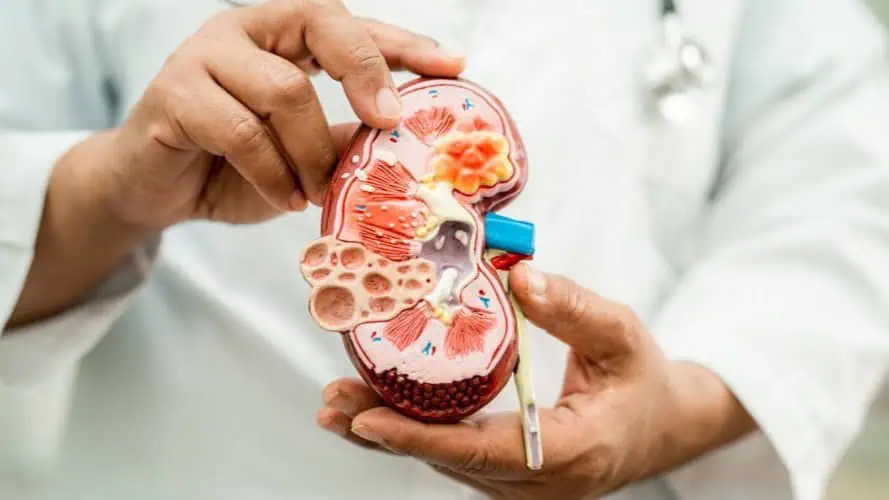
Common concerns about creatine range from kidney damage to weight gain. However, research consistently shows that creatine is safe for healthy individuals when used in recommended doses. It doesn’t cause kidney issues in those without pre-existing conditions, and while it may lead to slight water retention, this is often temporary and at a cellular level, supporting muscle hydration and function.
Performance Boost for Women

Women can greatly benefit from creatine, experiencing improved strength, endurance, and muscle recovery. Unlike common perceptions, creatine doesn’t significantly increase muscle mass but enhances workout efficiency by enabling more intense training sessions. This leads to better overall fitness results without the fear of unnecessary bulk, an added bonus for those looking to optimize their athletic performance.
Myth: Bulking Up

A prevalent myth is that creatine causes women to bulk up excessively. In reality, creatine contributes to increased energy availability, allowing for better training output and lean muscle development. It doesn’t inherently lead to bulkiness but supports muscle definition through enhanced workout performance. For women aiming for toned, not bulky physiques, creatine can be an effective supplement choice.
Choosing the Right Supplement

Selecting the right creatine supplement involves prioritizing quality and purity. Look for products with minimal additives and opt for creatine monohydrate, the most researched and proven form. Check for third-party testing certifications to ensure safety and potency. Pay attention to the product’s solubility; a well-dissolved supplement is more effectively absorbed in the body, enhancing its benefits. Starting with a lower dose can help mitigate any initial digestive discomfort.
Debunking Age-Related Myths

Contrary to myths, creatine is not just for young athletes. Women of all ages can benefit from its energy-boosting properties, which support muscle and brain health. Particularly for older women, creatine can aid in maintaining muscle mass and bone density, counteracting age-related decline. Understanding these benefits debunks the misconception that creatine is ineffective or unnecessary for older users, promoting its use as a tool to enhance overall vitality and function.


