
From Low to High: 12 Fruits Sorted by Glycemic Load

Understanding the glycemic load (GL) of fruits can transform your approach to healthy eating. By focusing on this measure, rather than glycemic index alone, you consider both the quality and quantity of carbohydrates, leading to more stable blood sugar levels. Let’s explore 12 fruits, sorted by their glycemic load, to help you make informed choices. This journey starts with options low in GL, perfect for those mindful of sugar intake, and progressively transitions to fruits with a higher glycemic profile.
Berries: Nature’s Low GL Sweetness
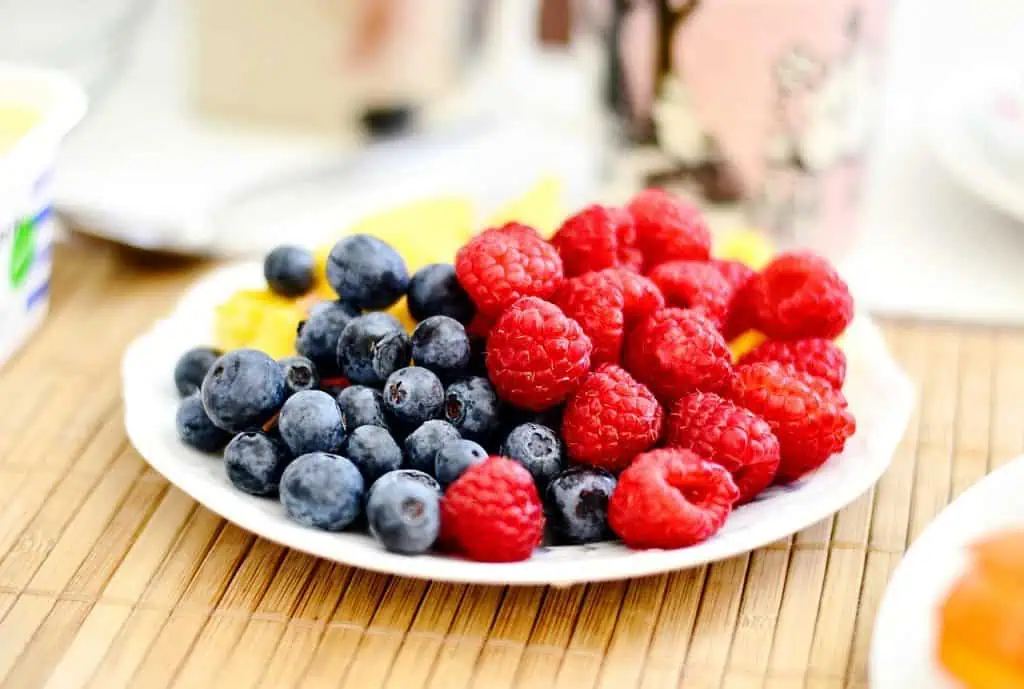
Berries, such as strawberries, blueberries, and raspberries, are a delightful choice for those monitoring glycemic load. Their natural sweetness is balanced by high fiber content, which slows carbohydrate absorption. Rich in antioxidants, these fruits enhance both flavor and nutrition. Use them in smoothies, atop yogurt, or as a fresh snack. To maximize their impact, pair them with protein-rich foods like nuts or seeds, ensuring a balanced pattern of energy release.
Cherries: Sweet but Subtle
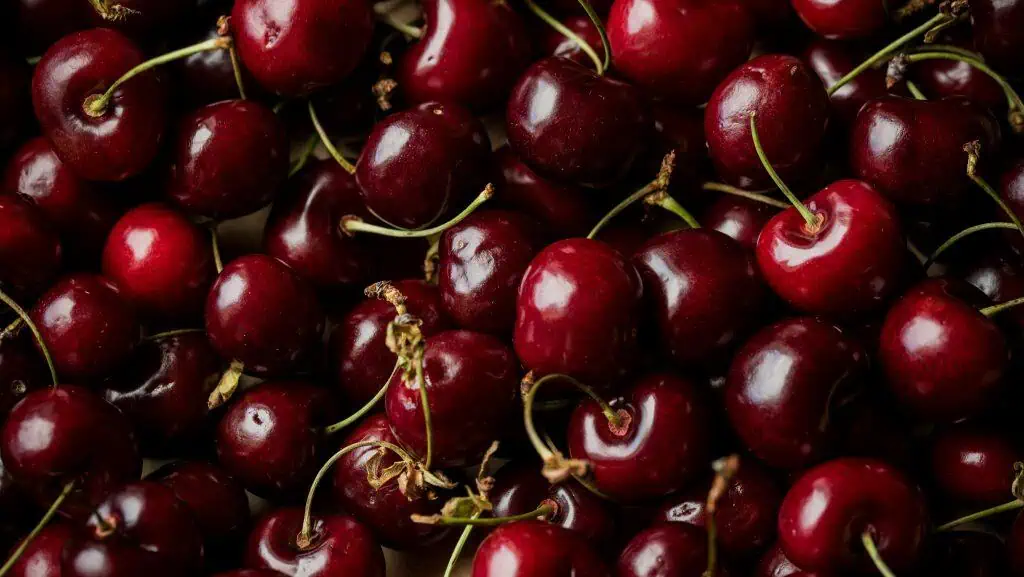
Cherries offer a burst of sweetness with a surprisingly moderate glycemic load. The balance of fructose and fiber helps maintain steady glucose levels, making them a smart snack option. When choosing cherries, opt for fresh varieties to preserve their nutrient density. Whether enjoyed on their own or incorporated into dishes like salads or desserts, cherries provide a pleasing contrast in both flavor and texture.
Grapefruit: Tart and Low Impact
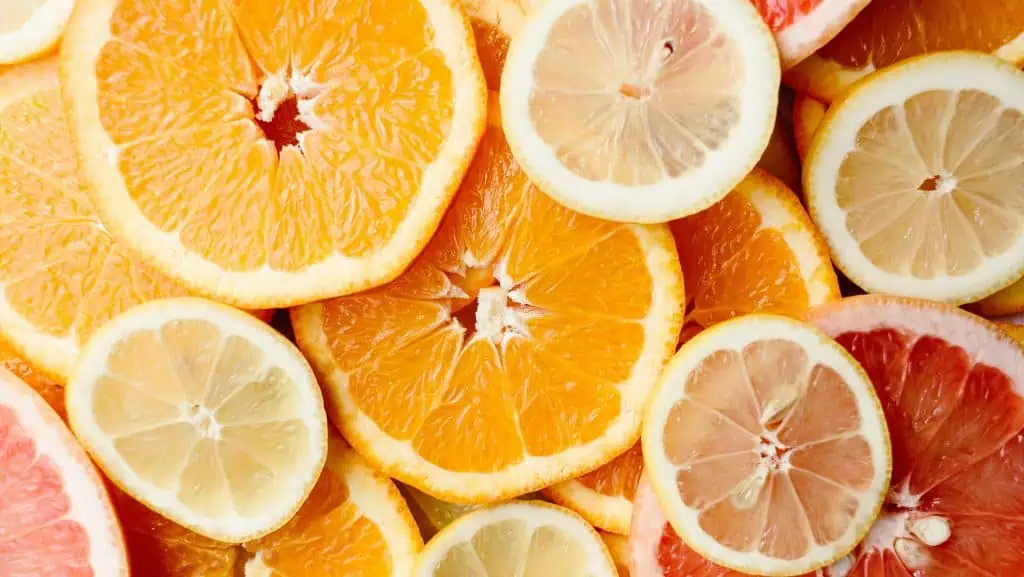
Grapefruit stands out with its tart flavor and low glycemic load, making it a suitable option for those seeking minimal impact on blood sugar. Its high water content and fiber contribute to a sense of fullness. To enhance its natural taste, pair grapefruit with a sprinkle of cinnamon or a dash of honey. This fruit can invigorate breakfast routines, offering both nourishment and a refreshing citrus note without overwhelming sweetness.
Peaches: Soft and Mild GL
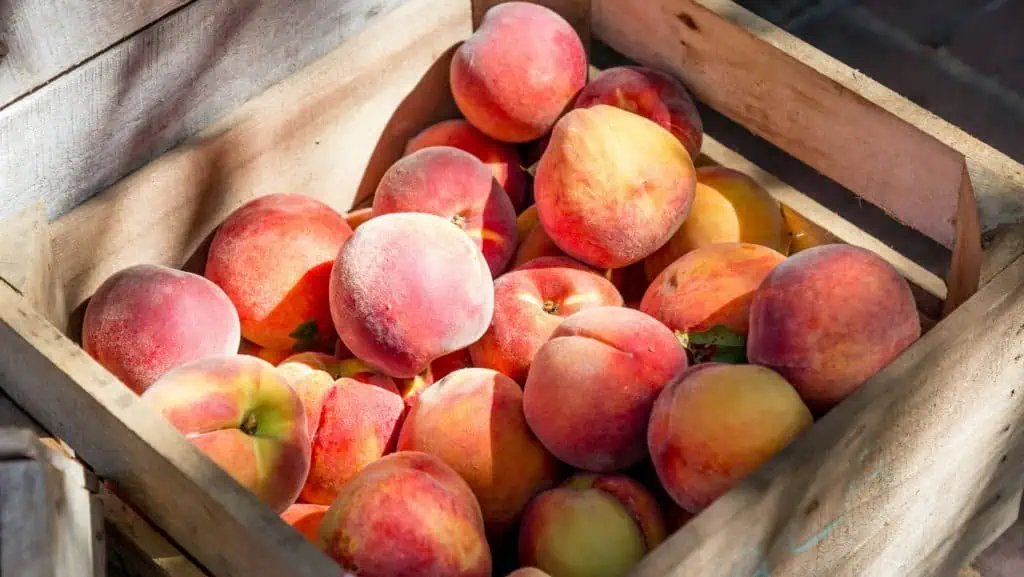
Peaches, with their tender flesh and natural juiciness, present a mild glycemic load. Their moderate sugar content is beautifully balanced by soluble fiber, which aids digestion and promotes satiety. Perfect for fresh consumption, they are also versatile in both sweet and savory dishes. Try grilling peaches to intensify their sweetness or incorporating them into salsas for a surprising twist. This fruit brings a gentle sweetness that balances well with other ingredients.
Apples: Everyday Low Glycemic

Apples are a staple fruit with a consistently low glycemic load, making them an excellent choice for anyone monitoring their blood sugar levels. Their crisp texture and natural sweetness allow them to shine in both raw and cooked applications. When selecting apples, look for firmness and vibrant skin, ensuring freshness and flavor. Incorporate them into salads for a refreshing crunch or gently stew them with a pinch of cinnamon for a cozy, warming treat. Pairing slices with a dollop of almond butter can enhance their nutritional benefits while keeping the glycemic impact minimal.
Oranges: Citrusy and Balanced
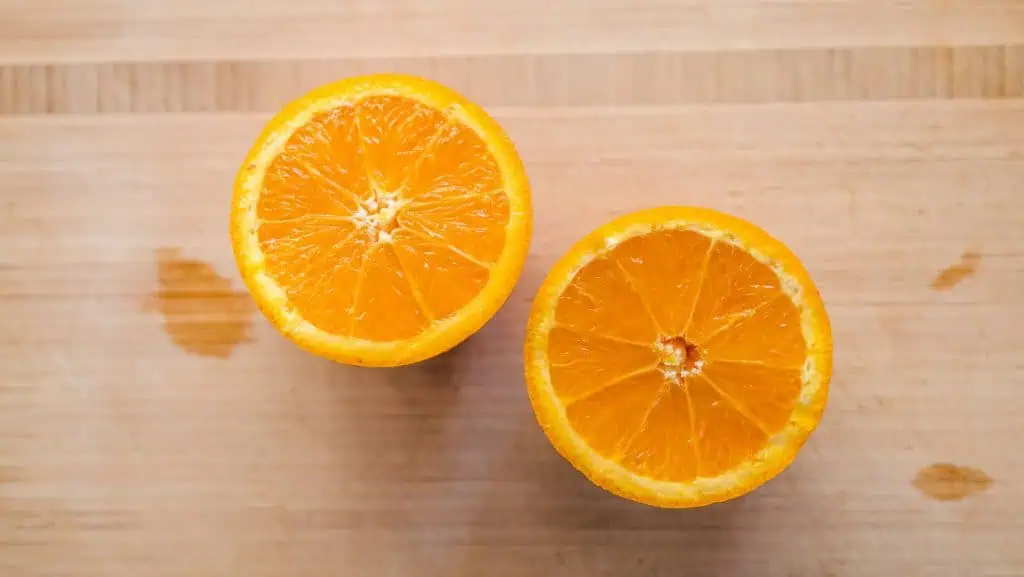
Oranges offer a perfect blend of sweetness and acidity, with a moderate glycemic load that suits a balanced diet. Their juicy segments work well in fresh fruit salads or as an invigorating addition to morning smoothies. When peeling, aim to remove as much pith as possible to avoid bitterness, yet preserve the thin, juicy membranes. Zesting the skin provides an aromatic lift to desserts or savory dishes, adding a layer of complexity. Keeping whole oranges on hand not only aids in portion control but also ensures the fiber content is kept intact.
Pears: Elegant and Moderate
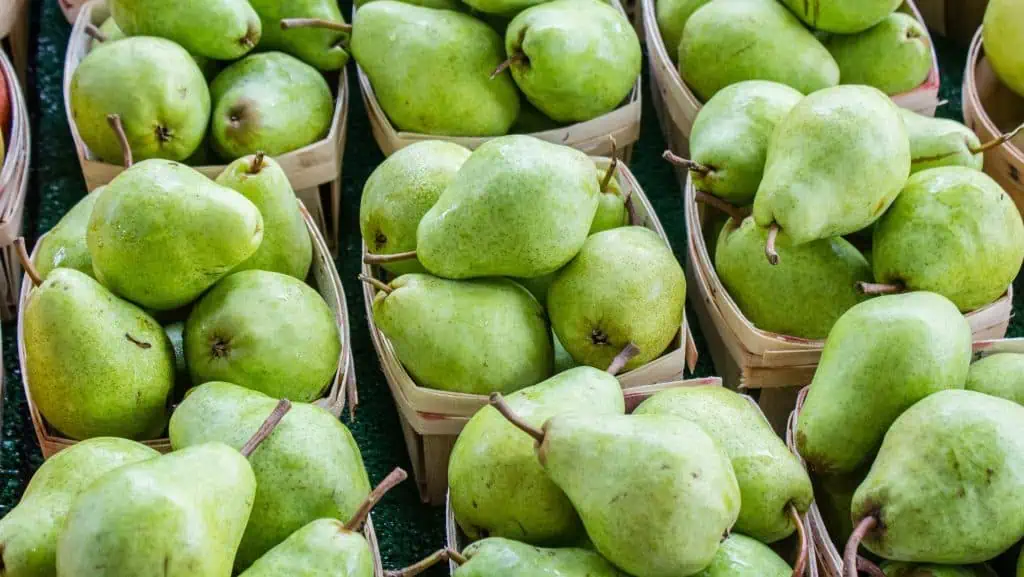
Pears are known for their elegant texture, transitioning from crisp to tender, and carry a moderate glycemic load. To optimize their versatility, choose pears that yield slightly under gentle pressure. Their delicate sweetness complements cheeses and nuts, making them ideal for charcuterie boards. For a simple yet sophisticated dessert, poach pears in spiced wine or cider, allowing their flavors to meld and intensify. Incorporating fresh pears into baked goods like muffins can enhance moisture while subtly sweetening without overwhelming the palate.
Plums: Juicy with Mild Effects
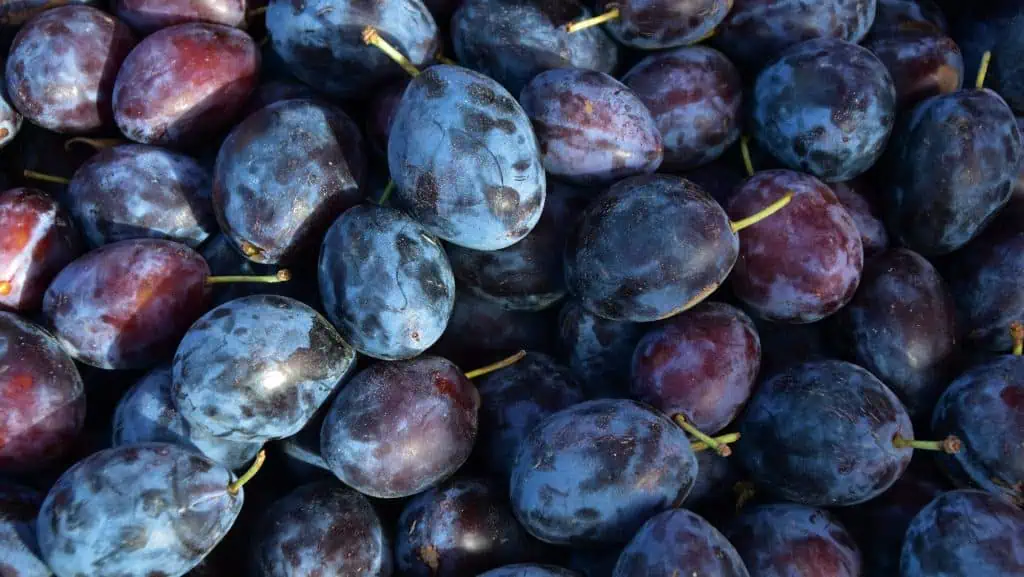
Plums provide a juicy, refreshing bite with a mild glycemic load, making them an excellent seasonal snack. Look for plump, smooth skin with a slight give when pressed to ensure ripeness. Their juicy flesh is versatile, suitable for jams, sauces, or simply eaten fresh. For a savory twist, slice plums over grilled meats or toss into salads with arugula and goat cheese for a sweet-savory contrast. Baking plums releases their natural juices, perfect for creating rustic galettes or over creamy desserts like panna cotta.
Bananas: Go Green for Lower GL

Bananas are a beloved fruit, but selecting greener bananas can lower their glycemic load significantly. These starch-rich, less sweet options are perfect for slicing onto whole-grain cereals or mashing into pancakes. The firmness of greener bananas makes them ideal for grilling as a caramelized side dish, offering a unique texture and flavor profile. Blend them into smoothies for added thickness or slice them into salads for unexpected freshness. As bananas ripen, their starches convert to sugars, offering a natural sweetness that's more suitable for quick breads or muffins.
Grapes: Small But Potent

Grapes, while small, offer a significant impact on your glycemic load. Their natural sugars are quickly absorbed, giving them a medium glycemic load. When using grapes, consider them in their freshest form. Whether added to salads or enjoyed on their own, the juiciness of each bite complements a variety of dishes. To maximize their use, serve grapes chilled to enhance their crisp texture. Pair them with protein-rich options like cheese or nuts to balance the glycemic response and create satisfying flavor combinations.
Pineapple: Tropical Medium GL
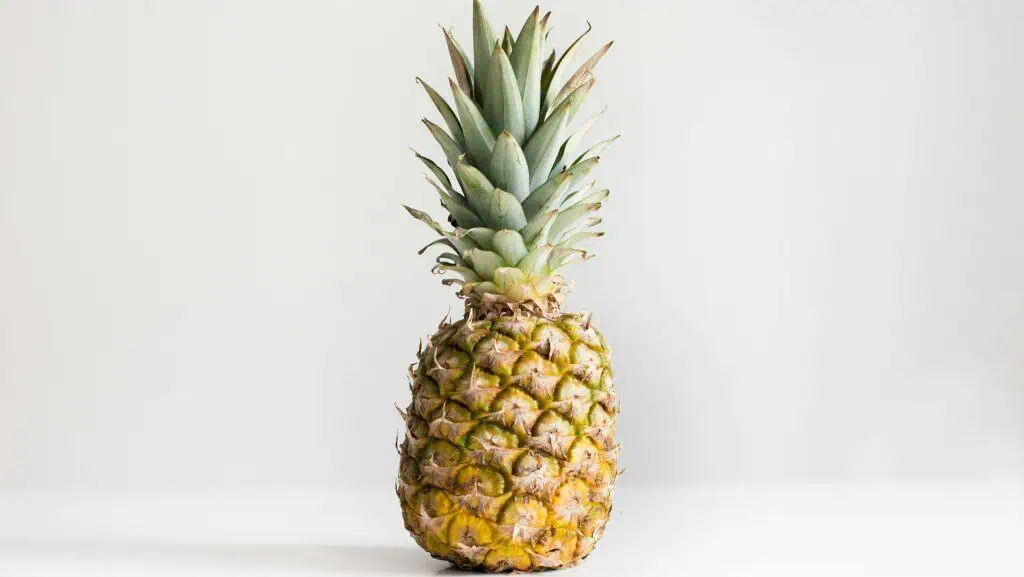
Pineapple is a vibrant fruit that provides a medium glycemic load. Its natural sweetness and fibrous texture make it a versatile ingredient in both sweet and savory dishes. Fresh pineapple retains more nutrients and enhances dishes with its unique acidity. Use it in salsas or as a topping for grilled proteins to take advantage of its tender, juicy profile. When cutting pineapple, ensure uniform pieces to promote even flavor distribution and ease of handling in recipes.
Watermelon: High Glycemic Surge
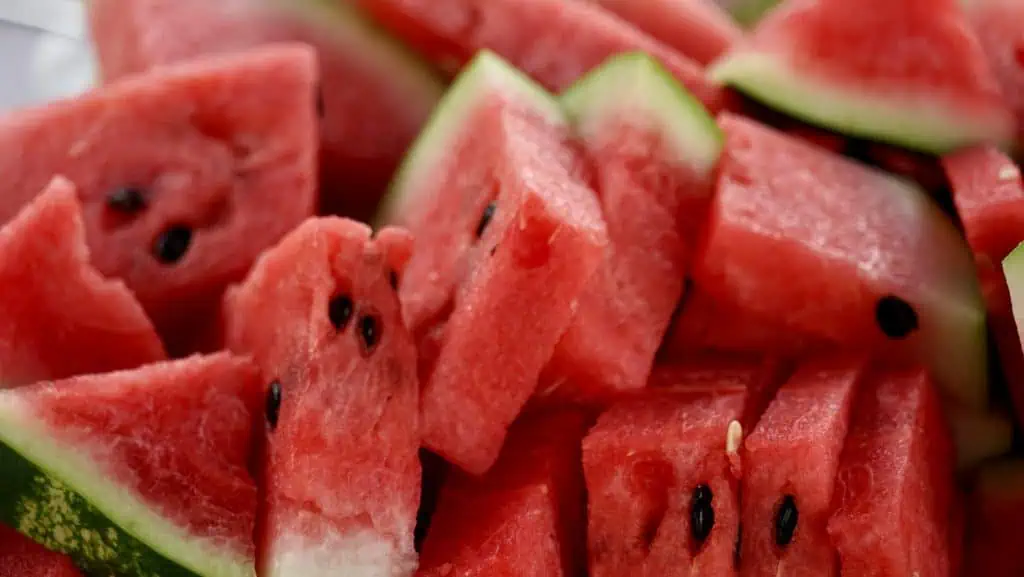
Among fruits, watermelon ranks high on the glycemic scale due to its sugar content and juicy composition. Known for its refreshing quality, watermelon is best enjoyed in moderation, especially by those monitoring their glycemic intake. Its hydrating properties make it ideal for summer salads or as a chilled snack. To highlight its sweetness without overdoing sugar levels, balance with mint or feta cheese. Always choose watermelons with a uniform green rind for optimal ripeness and sweetness.


