
13 Vegetables That Are Healthier Cooked Than Raw

While raw vegetables offer freshness and crunch, cooking can enhance nutritional benefits in certain produce. Some vegetables, when heated, undergo chemical changes that increase their nutrient availability and overall health benefits. Understanding which veggies to cook—and how to cook them effectively—can amplify your diet's nutritional impact. Let's explore which vegetables thrive when cooked and how specific methods unlock their full potential.
Unlocking Carrot's Hidden Benefits

Carrots become more nutritionally potent when cooked, as heating breaks down their tough cell walls, making beta-carotene more accessible. Beta-carotene is a precursor to vitamin A, promoting eye health and skin integrity. To optimize nutrient uptake, try lightly steaming or roasting carrots. Coat them in olive oil to help your body absorb fat-soluble nutrients more efficiently. Keep the texture tender yet firm to maintain flavor and nutritional density.
Tomatoes: Boosting Lycopene Levels
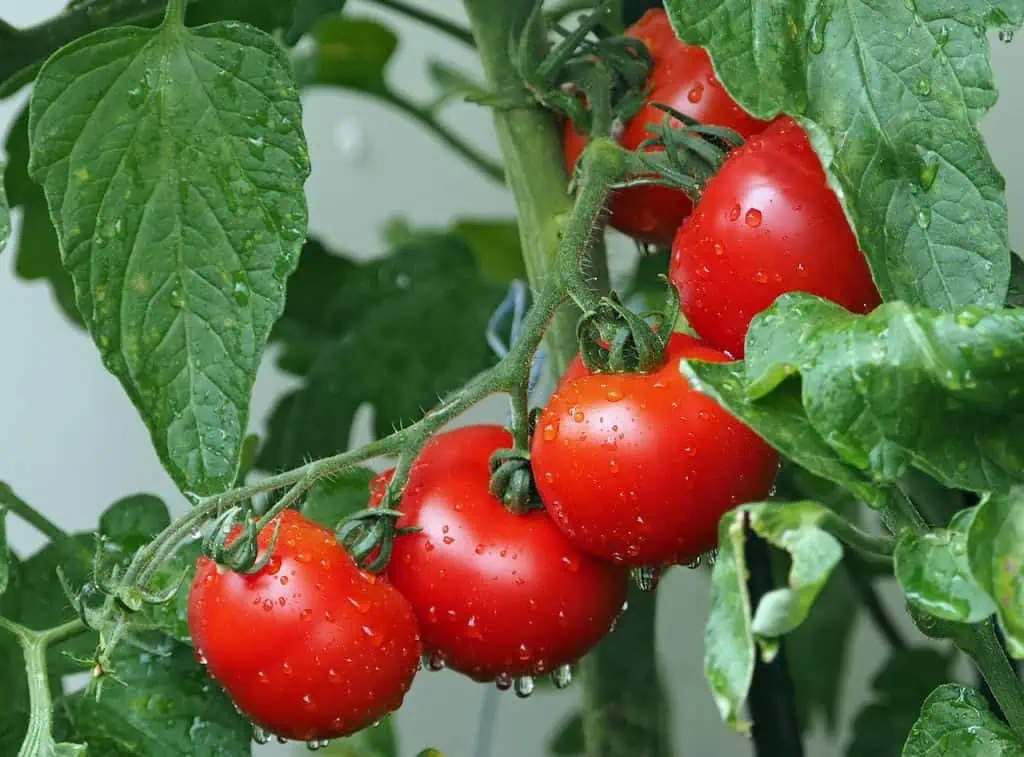
Cooking tomatoes significantly boosts lycopene levels, a powerful antioxidant that supports heart health and reduces inflammation. Lycopene becomes more bioavailable through heat processing methods such as simmering or roasting. Incorporate cooked tomatoes into sauces, soups, or stews, allowing the rich, tangy flavors to meld with other ingredients. For maximum benefit, pair tomatoes with healthy fats like olive oil, enhancing the absorption of lycopene.
Spinach: Maximizing Nutrient Absorption

Spinach is rich in iron and calcium, but oxalates present can inhibit their absorption. Cooking spinach breaks down some oxalates, improving nutrient availability. Briefly steaming or wilting spinach retains its vibrant color and minimizes nutrient loss. Integrate cooked spinach into dishes like frittatas or pasta, where its mild, earthy flavor complements other ingredients. Use a splash of lemon juice to further aid in iron absorption.
Asparagus: Enhance Antioxidant Power

Cooking asparagus increases its antioxidant activity, particularly in the form of ferulic acid. This offers protective health benefits, including anti-inflammatory properties. Quick methods like steaming or grilling preserve the stalks' delicate texture and distinct flavor while maximizing nutrients. For a simple preparation, drizzle asparagus with a touch of olive oil and a sprinkle of sea salt before cooking. This approach enhances both taste and nutritional gains.
Eggplant: Better Digestion and More Nutrients
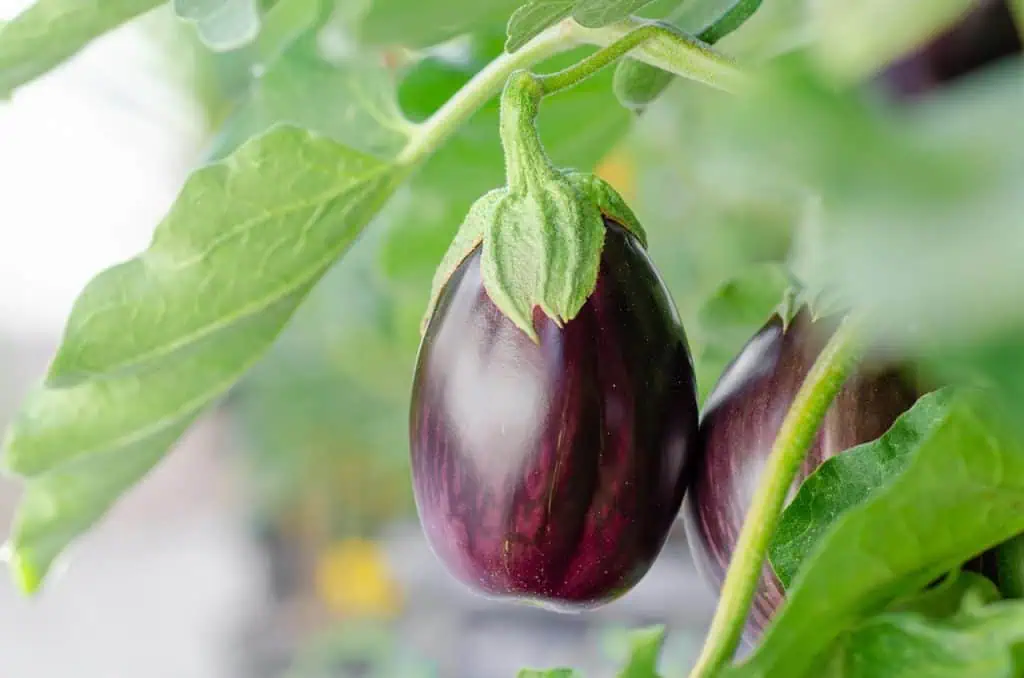
Cooking eggplant enhances its digestibility and nutrient absorption. Begin by slicing the eggplant, salting it lightly to draw out moisture, and then rinsing. This preliminary step reduces bitterness and optimizes its spongy texture for cooking. Roast or sauté it, leveraging the heat to break down cell walls, enhancing the bioavailability of its antioxidants and magnesium. Keep the skin on for added fiber, and pair with healthy oils to ensure absorption of its fat-soluble nutrients.
Mushrooms: Unleashing Potency

The nutritional benefits of mushrooms, especially antioxidants like ergothioneine, are significantly amplified through cooking. For best results, choose methods like sautéing or grilling over high heat. Ensure they’re brushed clean instead of washed to prevent sogginess. Cooking evaporates excess water, concentrating flavor and nutrients. An added dash of olive oil not only enhances taste but aids in the integration of their vital compounds into your diet.
Kale: Best Eating It Warm

Lightly cooking kale preserves its vitamins while enhancing its phytonutrient accessibility. Steaming is ideal, gently softening its tough fibers without significant nutrient loss. A brief sauté with garlic can deepen flavor while enhancing its glucosinolate content, beneficial for detoxification processes. Remember to remove the thick stems before cooking, and finish with a splash of lemon juice to brighten the flavors and aid iron absorption.
Broccoli: More Than Just Crunch

Broccoli benefits from light cooking such as steaming or blanching, which preserves its crisp texture while raising sulforaphane levels, a key anti-carcinogenic compound. Avoid overcooking, as it can lead to nutrient loss. A quick steam followed by a rinse under cold water maintains vibrant color and texture. Dress with a bit of citrus or vinegar post-cooking to unlock its full mineral potential, complementing its inherent nutrient profile.
Collard Greens: Nutrient Density Amplified
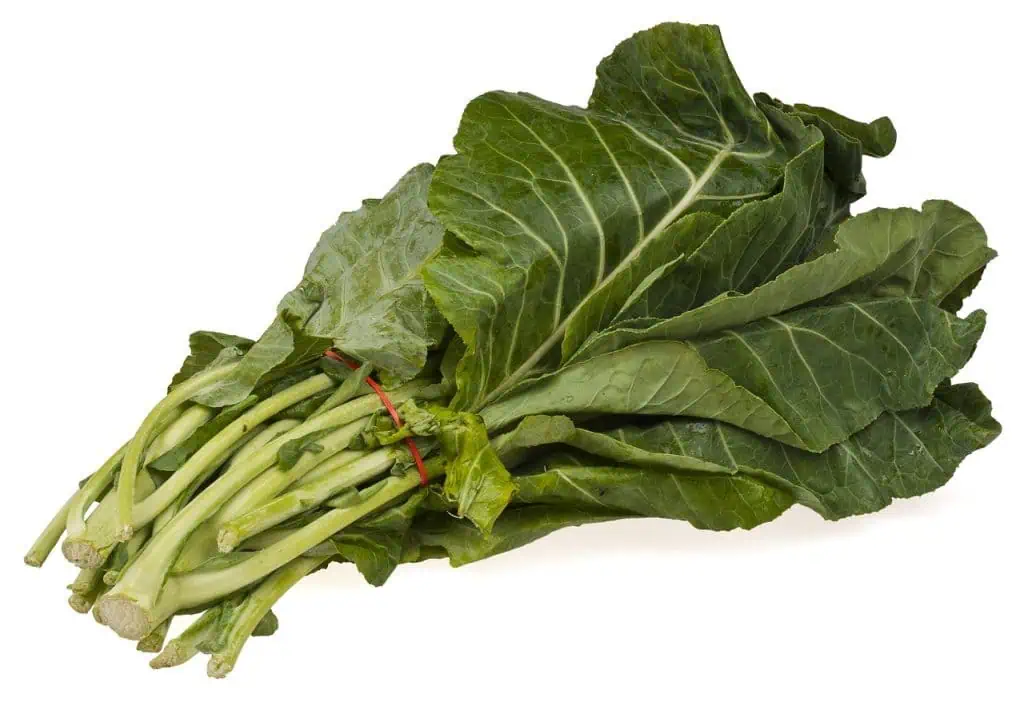
Collard greens flourish under slow, gentle cooking. This method transforms their toughness into tender richness, maximizing calcium and vitamin K availability. Simmer them with garlic and onion in a light broth or water to build depth of flavor while protecting nutrient integrity. An acidic component like vinegar or lemon juice added near the end can enhance iron absorption, balancing their earthy character with a bright finish.
Zucchini: Cooked to Perfect Texture

Zucchini, when cooked, transforms from a rather bland raw vegetable into something vibrant and full of life. By steaming or sautéing, you maintain its delicate texture and enhance its subtle sweetness. The heat helps break down cellulose, making it easier to digest, and enriches its antioxidant levels. Try slicing zucchini into thin rounds and quickly stir-frying with olive oil, garlic, and a sprinkle of parmesan for a dish that's tender yet firm.
Beets: Sweetness and Nutrients Enhanced

Cooking beets brings out their natural sweetness and helps release betalains, potent antioxidants otherwise trapped when raw. Roasting beets intensifies their earthy flavors while softening their fibrous texture. To prepare, wrap beets in foil and roast in the oven until tender. The process not only boosts their flavor but also makes them more palatable. Toss with a splash of vinegar or citrus to balance the earthy sweetness.
Onions: Flavor and Health Boosted

When onions are cooked, their pungency mellows while their natural sugars caramelize, adding depth and complexity to dishes. Sautéing onions in butter or oil until translucent releases the quercetin, an antioxidant more potent when heated. This technique enhances both flavor and nutritional benefits. Cooked onions are a versatile base for countless dishes, providing a sweet, soft foundation for soups, sauces, and more.
Swiss Chard: Better When Heated
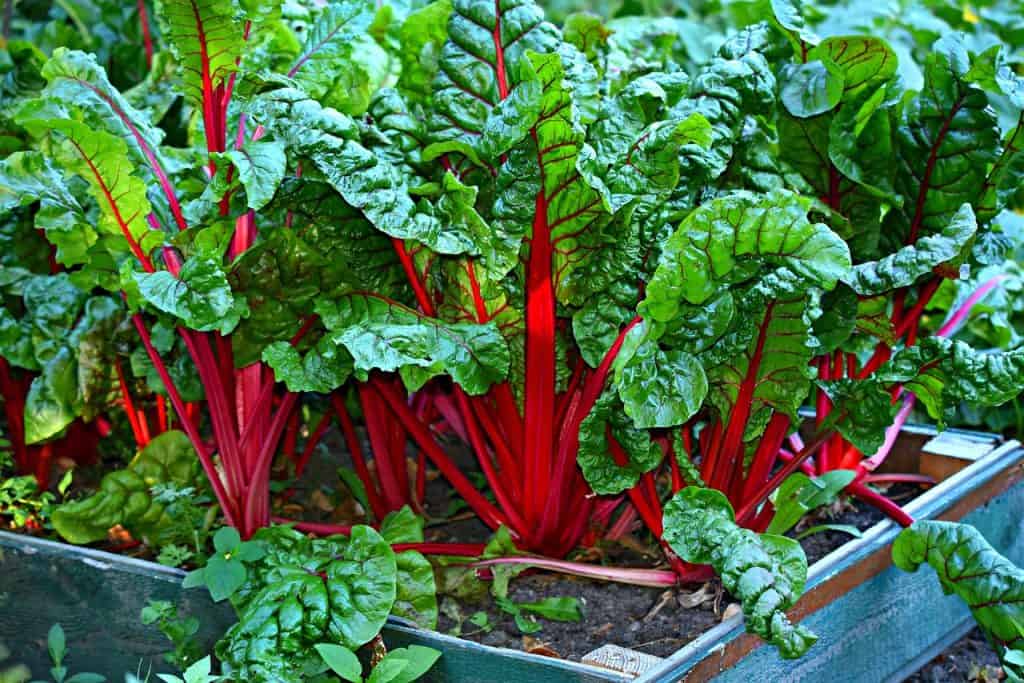
Cooking Swiss chard reduces its oxalate content, aiding in nutrient absorption. By sautéing or steaming, the leaves break down, releasing mild, sweet flavors hidden when raw. This process simplifies its fibrous structure, making it more enjoyable while enhancing its vitamin K, A, and C levels. Start by removing the stems, chopping the leaves, and quickly cooking with olive oil and garlic until just wilted for a delightfully tender result.


