
Fresh Food Crisis: U.S. Regions Facing Shortages

As fresh food shortages emerge, understanding the regional impacts across the U.S. is crucial. Regions vital to the nation's food supply face distinct challenges that threaten availability and quality. Examining specific areas reveals how environmental and economic pressures affect everything from crop yields to distribution channels. Grasping these regional intricacies offers insight into broader impacts on consumers and agricultural practices.
California's Central Valley Woes

California's Central Valley, a vital agricultural hub, grapples with drought conditions impacting crop production. Water scarcity disrupts the growth of fruits, nuts, and vegetables, staples of both local and national diets. Farmers tackle this by adopting water-efficient techniques, such as drip irrigation, to mitigate losses. However, reduced yields inevitably affect market supply, highlighting the urgent need for sustainable farming solutions and policy support.
Midwest Farming Belt Challenges
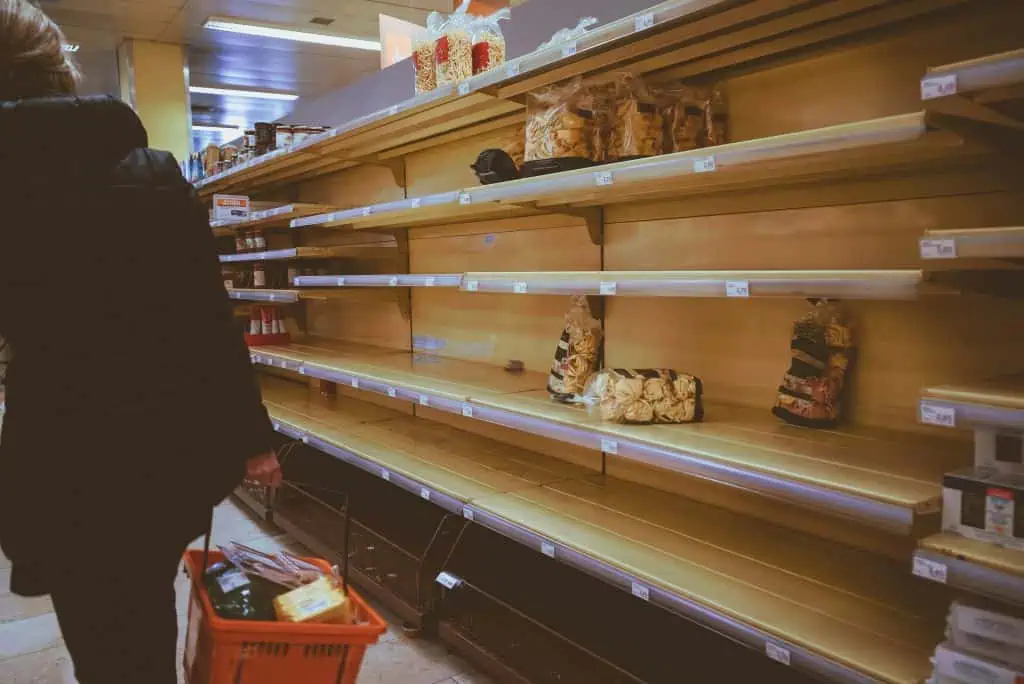
In the Midwest, severe weather patterns challenge the stability of the farming belt. Heavy rains and flooding disrupt the planting schedules and damage soil health, compromising key crops like corn and soybeans. Farmers employ cover cropping and advanced drainage systems to protect their fields, but the unpredictable climate continues to threaten outputs. These hurdles underline the necessity for adaptive strategies in maintaining robust supply chains.
Gulf Coast States' Struggles

Gulf Coast states endure the dual threats of hurricanes and rising sea levels, which adversely affect agricultural areas. Storms damage infrastructure and salinity encroachment threatens fertile land, reducing viable farming space. Local growers pivot to resilient crop varieties and invest in protective farming methods, yet recovery remains challenging. This exemplifies the broader struggle to balance environmental changes while ensuring food security.
Pacific Northwest Supply Concerns
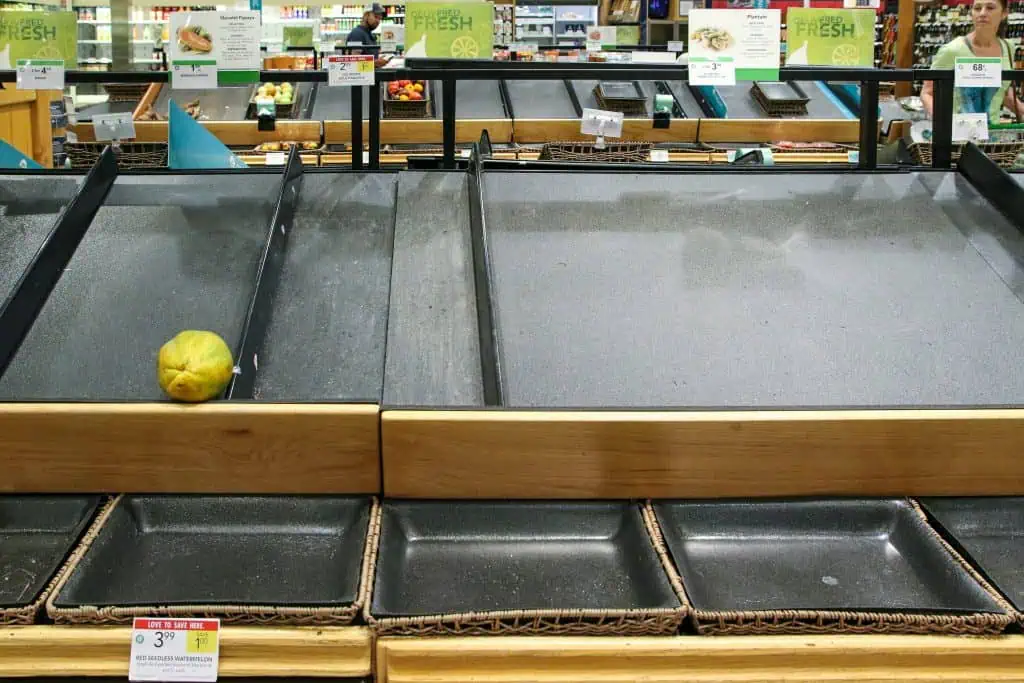
The Pacific Northwest experiences its own difficulties, as wildfires and heatwaves disrupt food production and distribution. These events damage crops and impede transportation routes, leading to significant supply chain interruptions. Growers adapt by implementing fire-resistant agricultural practices and diversifying crop rotations, aiming to safeguard their harvests and access. Addressing these issues requires innovative approaches to sustain food reliability.
Southwestern Desert Drought Impact
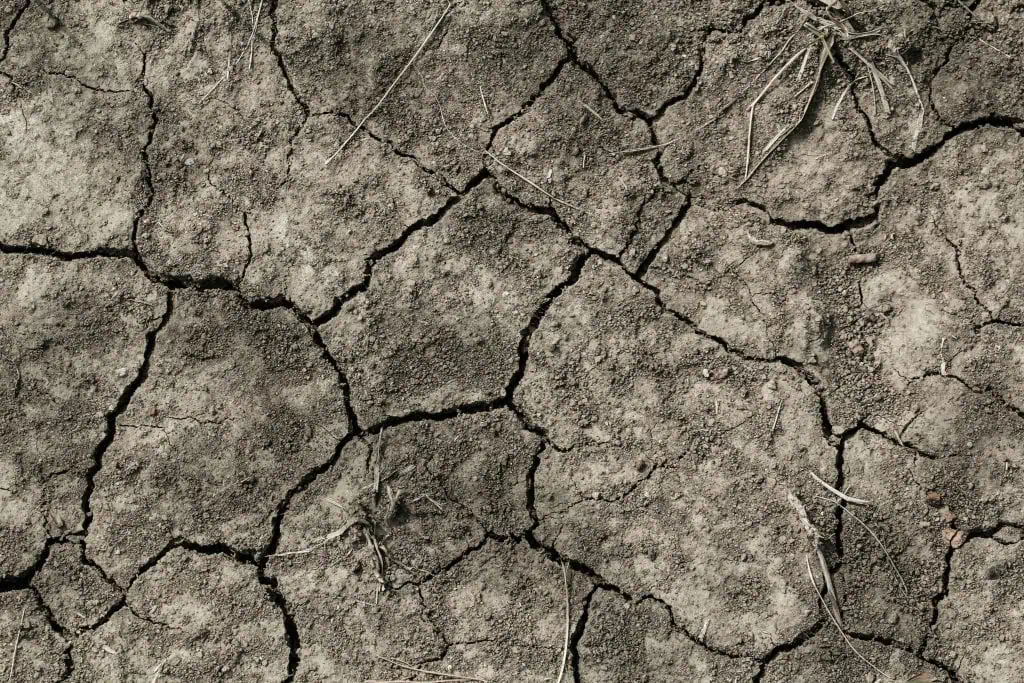
The Southwestern United States faces fresh produce shortages, heavily impacted by persistent drought. Farmers here struggle to maintain crops like lettuce and peppers. Water scarcity forces prioritization of essentials, leaving little room for diversity in offerings. This shortage encourages us to stretch our creativity with available ingredients. For instance, utilizing canned or jarred varieties when fresh options dwindle can help maintain nutrition. Adapting recipes to include drought-resistant choices like hearty grains or legumes remains crucial. Exploring alternate vendors and community-supported agriculture (CSA) programs can also provide access to regionally scarce produce.


