
22 Forgotten Southern Dishes Food Historians Say Deserve a Holiday Revival
Southern holiday food traditions were once built around patience, preservation, and community effort rather than speed or convenience. Before condensed menus and store-bought shortcuts, celebrations stretched across days and relied on dishes that reflected local ingredients, seasonal abundance, and shared labor. Many of these foods required slow cooking, careful technique, or communal preparation, which made them especially meaningful during holidays. As modern schedules tightened and tastes shifted, these dishes gradually disappeared not because they lacked flavor, but because they demanded time. Food historians argue reviving them reconnects modern celebrations with craftsmanship, memory, and the cultural richness that once defined Southern holiday tables.
Oyster Pie

Oyster pie was once a hallmark of Southern coastal holiday tables, especially during winter months when oysters were plentiful and considered celebratory food. Baked beneath a rich, buttery crust with cream and subtle seasoning, the dish symbolized abundance and hospitality. Preparing oyster pie required skill and access to fresh shellfish, which made it a dish reserved for special occasions rather than everyday meals. As oyster populations declined and prices rose, the dish faded from home kitchens. Food historians argue oyster pie deserves revival because it captures the coastal South’s historic relationship with seasonal seafood and festive generosity.
Brunswick Stew (Original Communal Style)

Traditional Brunswick stew was far thicker and more labor-intensive than most modern versions. Cooked outdoors in massive pots for holidays and community gatherings, it included multiple meats, vegetables, and hours of slow stirring. The dish was less about convenience and more about shared responsibility, with neighbors contributing ingredients and labor. As recipes were simplified for speed, its depth and ceremonial role diminished. Historians believe restoring the original method would revive not only the flavor, but the communal spirit that once made Brunswick stew a centerpiece of Southern holiday culture.
Spoonbread

Spoonbread occupied a refined place on Southern holiday tables, particularly in Appalachian and Upper South regions. Made from cornmeal, milk, butter, and eggs, it required careful technique to achieve its custard-like texture. Unlike everyday cornbread, spoonbread was delicate and time-sensitive, which made it suitable for special meals. As quicker breads became dominant, spoonbread fell out of favor. Food historians argue its subtle flavor and elegance make it ideal for revival during holidays when meals are meant to feel intentional rather than rushed.
Chicken Mull

Chicken mull is a thick, porridge-style dish traditionally served at large Southern gatherings, including holiday events and community celebrations. Made with shredded chicken, milk, butter, and crackers or crumbs, it was designed to feed crowds while delivering warmth and comfort. As soup preferences shifted toward lighter broths, mull disappeared from many tables. Historians emphasize that chicken mull’s richness, simplicity, and ability to serve many people make it perfectly suited for holiday revival, especially during colder months when comforting food carries emotional weight.
Country Captain Chicken

Country Captain chicken reflects the South’s historical exposure to global trade, blending curry spices with tomatoes, onions, and raisins. Once considered sophisticated and festive, it appeared at special dinners rather than everyday meals. Over time, its flavor profile fell out of fashion as American palates shifted away from spiced savory-sweet combinations. Food historians argue its revival would celebrate the South’s culinary openness and restore a dish that tells a broader story about cultural exchange and holiday hospitality.
Hoppin’ John with Red Rice

Traditionally, Hoppin’ John paired with red rice was more than a New Year’s dish it was a symbolic holiday meal representing prosperity and abundance. The combination of rice, peas, pork, and tomato-based red rice created a filling, meaningful plate. Modern versions often strip away the pairing or simplify the preparation. Historians argue that reviving the full combination restores cultural meaning and honors the dish’s role as a celebratory food rather than a casual side.
Turkey Hash

Turkey hash was historically served after major holiday meals as a way to transform leftovers into something entirely new. Chopped turkey, gravy, and seasonings were combined and served over rice or biscuits, turning excess into abundance. As leftovers became less central to cooking culture, turkey hash faded away. Food historians believe reviving turkey hash honors frugality, creativity, and continuity, values deeply embedded in Southern holiday traditions.
Ashcake Cornbread

Ashcake cornbread was traditionally baked directly in embers, producing a smoky flavor and dense texture unmatched by oven baking. Often served at communal gatherings, it symbolized self-reliance and skill. As indoor cooking replaced fire-based methods, ashcake disappeared. Historians argue its revival at outdoor holiday gatherings reconnects food with elemental cooking practices that once defined Southern celebration.
Pickled Shrimp

Pickled shrimp once played a central role in Southern holiday spreads, offering a bright, acidic contrast to rich foods. Preserved in vinegar, spices, and oil, the dish was elegant and practical, as it could be made ahead. As hot appetizers became more popular, pickled shrimp fell out of favor. Food historians say its revival suits modern entertaining because it balances heavy menus while honoring coastal tradition.
Rice Waffles

Rice waffles emerged from the Southern habit of repurposing leftovers after large holiday meals. Made from cooked rice batter, they were crisp on the outside and soft inside. As convenience breakfasts replaced scratch cooking, rice waffles vanished. Historians argue reviving them reinforces the idea that holidays extended beyond one meal, creating traditions that carried forward into the following days.
Syllabub (Southern Style)

Southern syllabub was once a hallmark of refined holiday entertaining, especially in households that valued balance over excess. Made by gently whipping cream with sugar and wine or sherry, it produced a light, airy dessert that refreshed the palate after heavy roasts, pies, and gravies. Unlike dense cakes or custards, syllabub was meant to feel almost fleeting, signaling the close of a celebratory meal without overwhelming diners. As American desserts grew sweeter, richer, and more indulgent, syllabub slowly disappeared from holiday tables. Food historians argue its decline reflects changing expectations rather than lack of appeal, noting that its elegance, restraint, and make-ahead ease align perfectly with modern tastes seeking lighter, more thoughtful holiday finales.
Boiled Custard

Boiled custard was once inseparable from Southern Christmas traditions, prepared in large batches for family gatherings and long holiday visits. Made from milk, eggs, sugar, and nutmeg, it required constant stirring and careful attention to avoid curdling, making it a dish that demanded patience and presence. Served warm in mugs or chilled like a drinkable dessert, it bridged the gap between nourishment and indulgence. As store-bought eggnog and packaged drinks became common, boiled custard faded from home kitchens. Food historians argue its revival would restore an important ritual of shared labor and slow preparation, reinforcing the idea that holiday foods were once as much about the process as the final taste.
Tomato Aspic

Tomato aspic once represented sophistication and hospitality on Southern holiday tables, particularly at luncheons and formal gatherings. Savory gelatin, flavored with tomatoes, herbs, and sometimes vegetables or seafood, was poured into decorative molds that turned the dish into a visual centerpiece. Its appeal lay in both flavor and presentation, signaling care, planning, and refinement. As tastes shifted away from molded dishes and gelatin-based foods, aspic fell out of favor and became a cultural punchline. Food historians argue this dismissal overlooks its practicality and elegance, noting that aspic’s make-ahead nature and dramatic presentation suit modern entertaining when reimagined with fresher flavors and contemporary sensibilities.
Early Chess Pie

Early versions of chess pie were far more restrained than the sugar-heavy versions most people know today. Traditionally reserved for special occasions, these pies leaned toward a custard-like texture with balanced sweetness, relying on eggs, butter, and modest sugar rather than overwhelming richness. Over time, recipes evolved to emphasize sweetness and simplicity, pushing earlier versions aside. Food historians argue that reviving traditional chess pie recipes restores the balance that once made the dessert worthy of holiday tables. In its original form, chess pie offered comfort without excess, aligning more closely with modern preferences for desserts that satisfy without overpowering the meal.
Liver Mush

Liver mush played an important role in Appalachian holiday cooking, valued for its ability to provide sustenance during cold winters when resources were limited. Made from pork liver, cornmeal, and spices, it was filling, economical, and deeply tied to regional identity. Often served during gatherings and extended holiday visits, it reflected a tradition of using the whole animal and honoring hard-earned ingredients. As tastes shifted toward leaner cuts and processed meats, liver mush fell out of favor. Food historians argue its revival isn’t about nostalgia alone, but about recognizing the cultural importance of survival-based cooking that sustained communities through harsh seasons.
Catfish Stew

Catfish stew once anchored holiday meals in Southern river regions, reflecting a close relationship between food traditions and local ecosystems. Slow-cooked with vegetables and seasonings, the stew was designed to feed many people while showcasing a readily available fish. Its presence on holiday tables symbolized abundance drawn directly from nearby waters. As industrial food systems expanded and seafood preferences shifted, catfish stew gradually disappeared from celebratory menus. Food historians advocate for its revival as a way to reconnect holidays with regional foodways, reminding diners that traditional Southern celebrations were shaped by geography as much as by culture.
Egg Gravy

Egg gravy was a humble but beloved dish traditionally served at large breakfasts following holiday gatherings. Made from fried eggs broken into flour and fat to create a thick, comforting gravy, it was poured over biscuits or toast and designed to feed many people with minimal ingredients. The dish thrived in a culture where holidays extended over several days, with shared breakfasts playing a central role. As brunch culture shifted toward lighter, restaurant-style fare, egg gravy faded from memory. Food historians argue its warmth, simplicity, and communal nature make it ideal for reviving extended holiday traditions centered around togetherness.
Cracklin’ Bread

Cracklin’ bread was once reserved for celebratory meals, especially during holidays when hogs were slaughtered and fresh cracklings were available. Studded with crisp bits of pork fat, the bread was rich, hearty, and symbolic of abundance. Preparing it required timing and access to fresh ingredients, making it unsuitable for everyday cooking but perfect for special occasions. As modern diets moved away from visibly fatty foods, cracklin’ bread disappeared from most tables. Food historians suggest its occasional revival honors authenticity and acknowledges that traditional holiday foods were meant to be indulgent markers of celebration, not everyday restraint.
Sweet Potato Biscuits

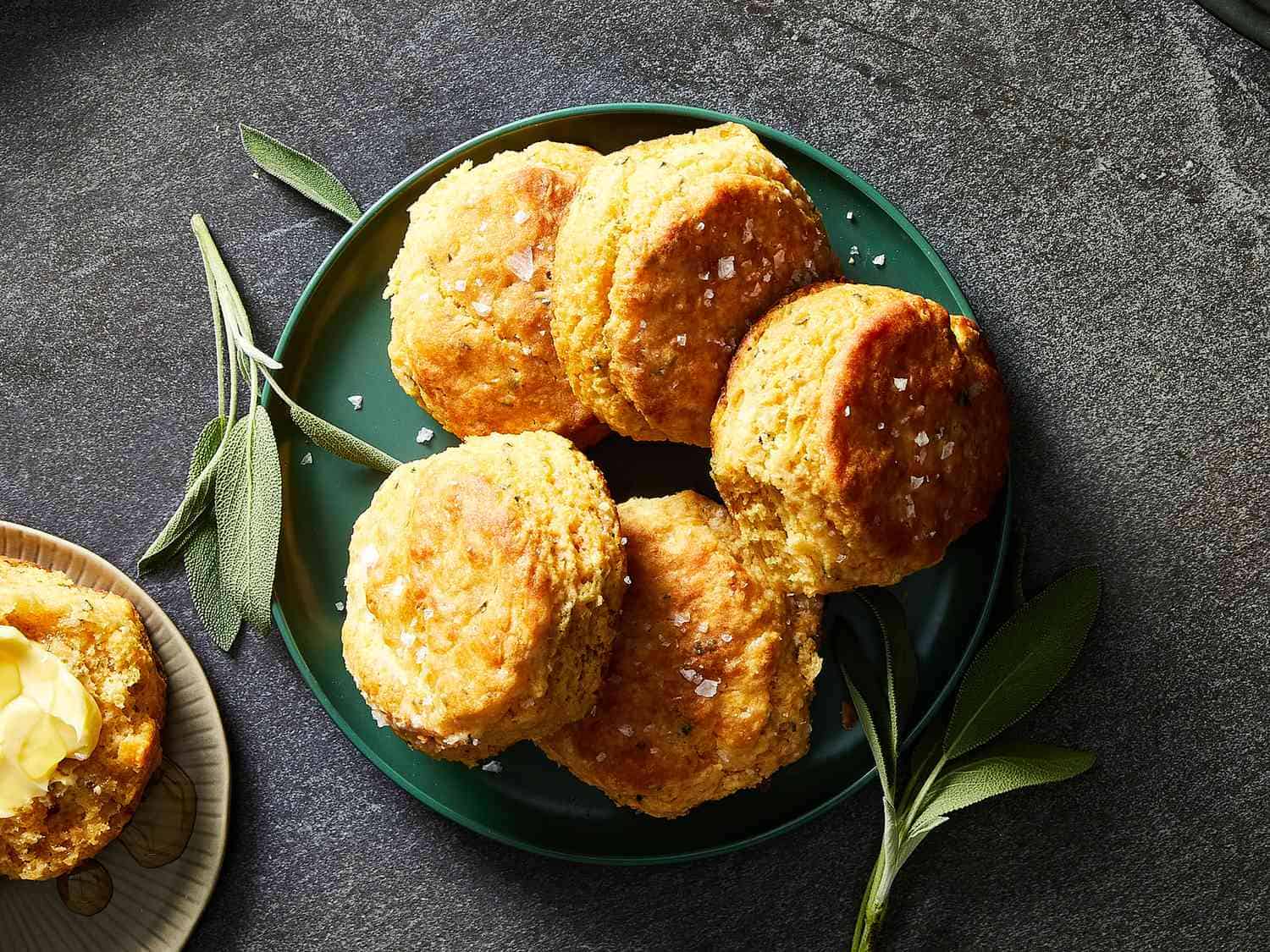
Sweet potato biscuits once held a prominent place on Southern holiday tables, offering a seasonal alternative to plain dinner rolls. The addition of sweet potatoes added moisture, color, and subtle sweetness, tying the bread directly to regional harvests. Over time, standardized rolls and convenience baking mixes replaced these more labor-intensive biscuits. Food historians argue their disappearance reflects a broader homogenization of holiday menus. Reviving sweet potato biscuits restores a sense of place and seasonality, reminding diners that Southern holiday cooking once celebrated local crops rather than uniformity.
Scalloped Oysters

Scalloped oysters were long-standing Christmas Eve staples in many Southern coastal households, baked with buttered crumbs and gentle seasoning. The dish felt indulgent yet communal, often served as part of a larger seafood-centered meal. Rising oyster prices and changing seafood habits gradually pushed scalloped oysters out of home kitchens. Food historians argue their revival would re-anchor coastal traditions in modern holiday menus, preserving a dish that once symbolized winter abundance and regional pride rather than luxury alone.
Vinegar Pie

Vinegar pie emerged during times of scarcity, when fresh fruit and citrus were unavailable, yet it evolved into a beloved holiday dessert prized for its bright, tangy flavor. Made with pantry staples, the pie offered a surprising balance of sweetness and acidity that cut through rich meals. As citrus became widely accessible, vinegar pie was dismissed as a hardship food and quietly disappeared. Food historians argue its simplicity and flavor deserve renewed appreciation, particularly during holidays when contrast and balance matter more than excess.
Peach Leather

Peach leather once served as a cherished preserved treat during winter holidays, reminding families of summer abundance long after fresh fruit was gone. Made by slowly drying sweetened peach purée, it required patience and careful storage. As packaged snacks replaced homemade preservation, peach leather vanished from holiday traditions. Food historians argue its revival reconnects celebrations with preservation practices that once defined Southern life, reinforcing the idea that holidays were built on memory, foresight, and seasonal cycles rather than instant availability.


