
Elon Musk Says work will be Optional & Money Irrelevant in the Next 20 Years: 5 Ways It could Change How People Eat

When Elon Musk suggests that work could become optional and money largely irrelevant within the next two decades, most discussion focuses on jobs, automation, and AI. Food rarely enters the conversation, but it may be where the shift is felt first. Eating habits are deeply tied to time pressure, income, routine, and personal identity. What people eat, when they eat, and why they eat are all shaped by work-based structures. If those anchors loosen or disappear, food won’t just change logistically; it will change culturally. How people relate to meals, convenience, and meaning around eating could look radically different in a post-work world.
Eating Could Decouple From Schedules Entirely

Most modern eating patterns exist to support work. Breakfast fuels mornings, lunch fits into breaks, and dinner marks the end of the day. If work stops structuring time, those rigid anchors may loosen. People could eat when hunger appears rather than when clocks allow. Traditional meal categories might weaken, replaced by grazing, shared late meals, or fewer but more intentional eating moments. Food timing would respond to energy and appetite instead of schedules. Over time, eating could feel less like a routine obligation and more like a flexible, body-led rhythm shaped by daily life rather than employment.
Convenience Food May Lose Its Power

Much of today’s food economy is built around speed. Ready meals, delivery apps, and snack culture thrive because people are rushed, tired, or short on time. If time pressure fades, the appeal of hyper-convenience may weaken. People might cook more slowly, eat longer meals, or choose foods that require patience and attention. Convenience wouldn’t disappear, but it could lose its dominance. Food choices would no longer be driven primarily by exhaustion or efficiency. Instead, people might value process, texture, and ritual, selecting meals for enjoyment rather than urgency.
Food Might Become a Primary Form of Identity
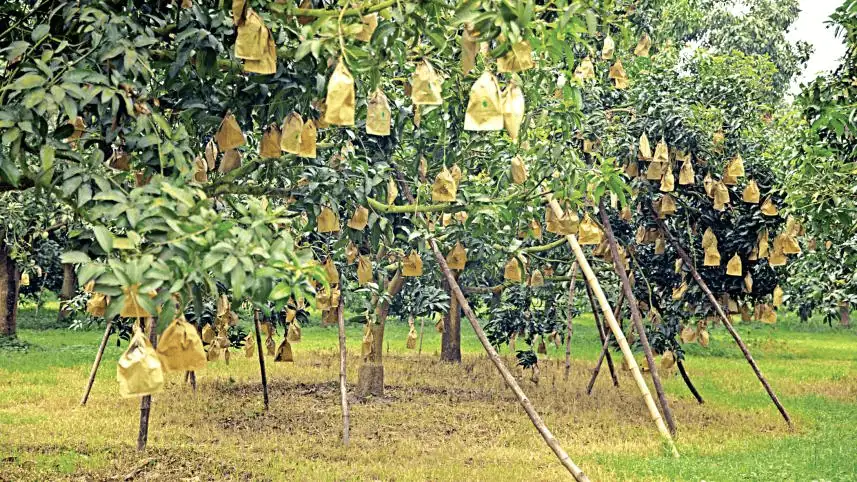
Work currently defines identity for many people. If jobs become optional or secondary, food could take on greater social meaning. What someone grows, cooks, or eats may replace job titles as signals of values, curiosity, or community. Cuisine choices might reflect ethics, creativity, or cultural connection rather than income or status. Eating could become expressive instead of purely functional. Shared meals, cooking skills, and food knowledge might carry social weight, turning food into a primary way people communicate who they are when work no longer fills that role.
Automation Could Make “Basic Nutrition” Invisible
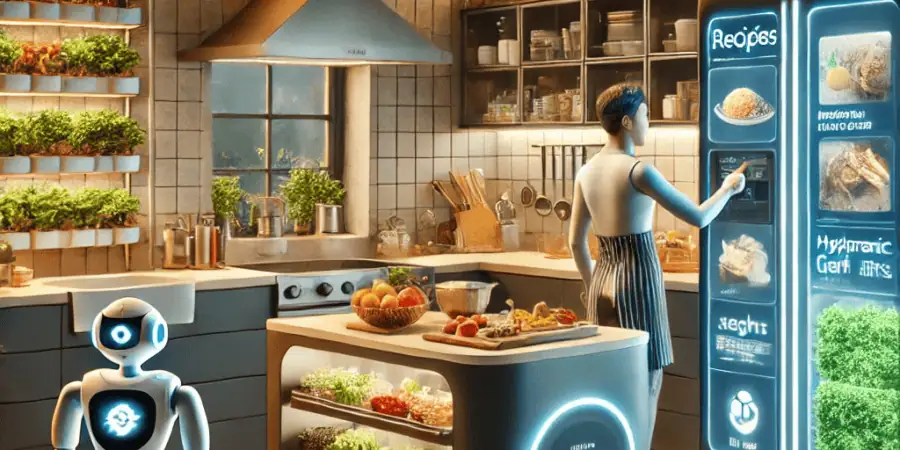
If money and labor become less central to daily survival, basic nutrition may fade into the background. Calories, vitamins, and macronutrients could be handled automatically through subsidized food systems, standardized meals, or AI-managed diets that quietly meet physical needs. People might no longer plan meals around survival or affordability at all. This could split eating into two layers: invisible sustenance and intentional pleasure. Food as fuel would become passive and unremarkable, while food as experience, taste, ritual, and creativity would take center stage. Eating wouldn’t disappear, but its purpose would shift away from necessity toward meaning.
Communal Eating Could Replace Work Culture

Work currently structures much of social eating, from office lunches to networking dinners. If work no longer anchors daily life, food may become the primary reason people gather. Communal kitchens, neighborhood meals, and shared cooking spaces could replace professional meeting rooms. Eating together may regain the social weight it once had before busy schedules fragmented meals. Instead of bonding over projects or deadlines, people might connect through shared preparation, long tables, and recurring food rituals. In a post-work world, communal eating could become the social glue, turning meals into the foundation of community rather than a break squeezed between obligations.


