
15 Foods That May Raise Your Cancer Risk

Understanding how certain foods may impact our health, especially concerning cancer risk, is crucial. Research has indicated that some foods, when consumed in excess, can contribute to increased risks. This guide explores those foods, aiming to provide clarity on why they are of concern and how you might adjust your diet accordingly for optimal health.
Processed Meats: A Risky Indulgence

Processed meats, such as bacon, sausages, and deli slices, are often enhanced with preservatives like nitrates. These compounds, when subjected to high heat, can form carcinogenic substances. Regular consumption has been linked to an elevated risk of colorectal cancer. To reduce risk, consider limiting these meats, opting instead for fresh poultry or plant-based proteins.
Red Meat: How Much Is Too Much?

Red meat, especially when grilled or charred, can produce harmful chemicals. Studies have suggested a correlation between high red meat consumption and an increased risk of certain cancers. Moderation is key—try incorporating lean alternatives like poultry or fish, and explore plant-based options, utilizing marinades and gentle cooking to enhance flavors without overexposing to high heat.
Salt: The Silent Health Saboteur

Excessive salt intake has been linked to stomach cancer, partly due to its role in irritating the stomach lining and increasing infection risks like H. pylori. Opt for fresh herbs or spices to flavor dishes, reducing reliance on processed foods high in salt. Additionally, be mindful of hidden salts in canned goods and store-bought condiments, opting for low-sodium versions where possible.
Sugar: Sweet but Dangerous
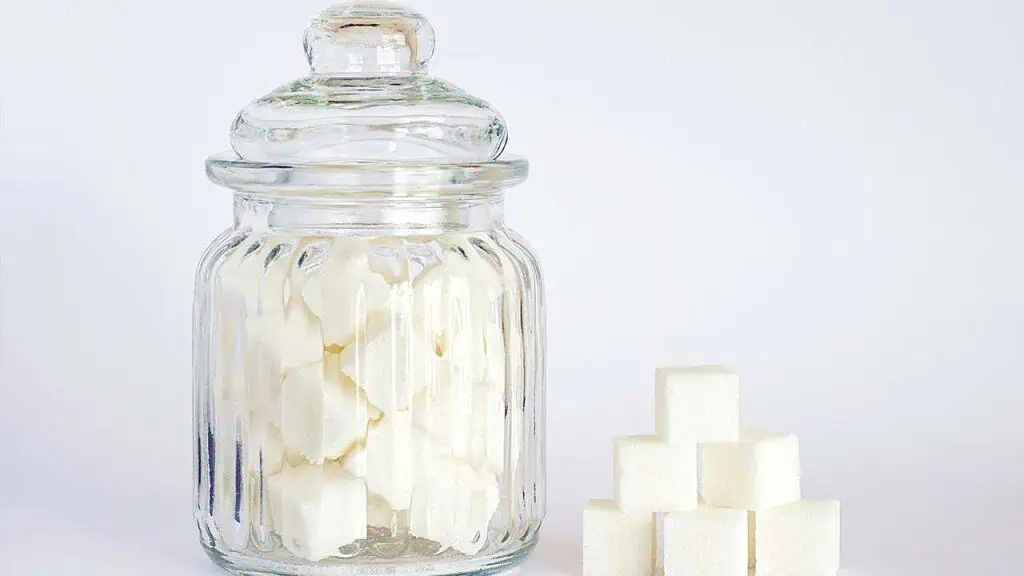
High sugar consumption can lead to obesity, a known risk factor for several types of cancer. Sugar-sweetened beverages and desserts are primary sources. To mitigate risks, focus on natural sweeteners and whole fruits to satisfy sweet cravings. Balancing your intake by reading labels and choosing snacks with natural sugars can greatly impact overall health without sacrificing pleasure.
Fried Food: Beyond the Crunch

Fried foods are beloved for their irresistible crunch, yet the process introduces potential health concerns. When foods are fried, they can form acrylamide, a chemical linked to increased cancer risk. To mitigate this, reduce frying time and decrease heat to prevent food from turning overly dark. Opt for healthier oils like avocado or olive, heating them only to optimal temperatures. Instead of deep frying, consider air frying to achieve crispiness with minimal oil. These adjustments can provide a satisfying crunch while lessening potential health risks.
Palm Oil: The Hidden Threat

Palm oil, prevalent in many processed and packaged foods, poses health risks due to its high saturated fat content. This can contribute to chronic illnesses and potentially increase cancer risk. High-temperature processing of palm oil can also produce harmful compounds. Reading ingredient labels is crucial to identify its presence. Opt for products that use healthier oils like canola or coconut, which provide similar textural benefits without the associated risks. Prioritizing these alternatives can help maintain healthier eating habits without sacrificing flavor.
Alcohol: When Moderation Is Key

Alcohol, when consumed in excess, has been linked to various health issues, including an increased risk of certain cancers. Even modest consumption should be approached mindfully. Prioritize quality over quantity and incorporate alcohol-free days into your routine. Consider using wine primarily as a flavor enhancer in cooking, where it can impart depth with minimal consumption. Emphasize fresh ingredients to create vibrant dishes, allowing the inherent flavors to shine without relying heavily on alcohol. This balanced approach fosters a healthier lifestyle.
Microwave Popcorn: A Popping Concern

Microwave popcorn, a convenient snack, may contain diacetyl, a flavoring linked to respiratory issues, and PFOA, associated with cancer risks in packaging. Transition to homemade popcorn using kernels and an air popper. This method allows control over seasonings, enabling the use of healthier oils and spices. Experiment with natural flavors like nutritional yeast or paprika, offering delicious alternatives without harmful additives. By making small changes in preparation, you can enjoy this snack safely and flavorfully at home.
Farmed Salmon vs. Wild: The Debate
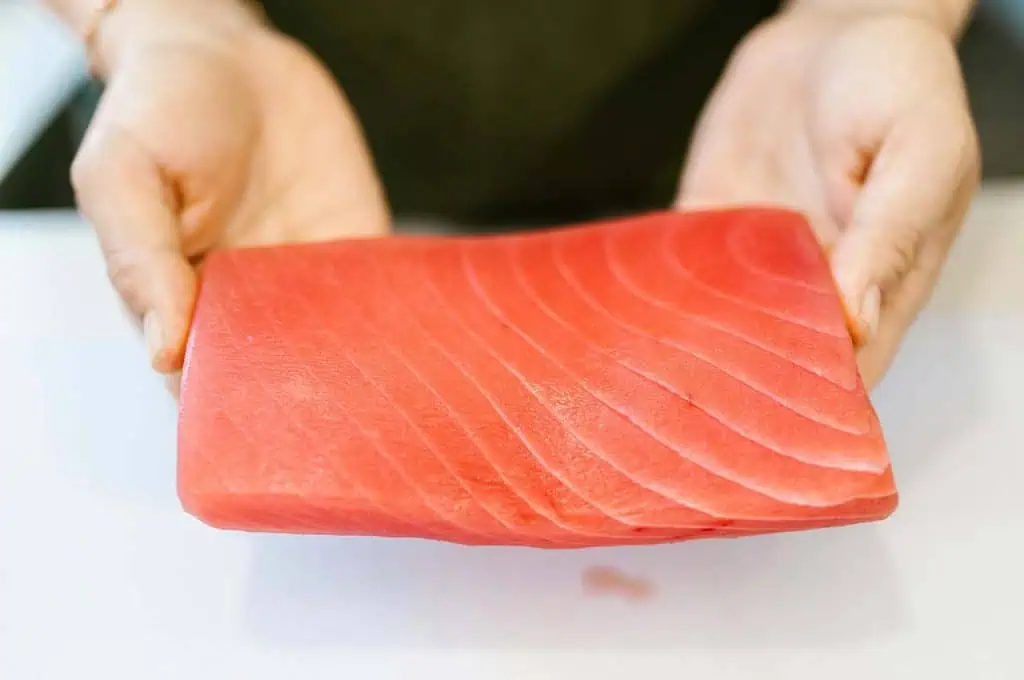
The choice between farmed and wild salmon involves nutritional and environmental considerations. Wild salmon generally offers higher omega-3 fatty acids, essential for heart health, and contains lower levels of harmful contaminants. Farmed salmon, while more widely available, may contain more saturated fats and pollutants due to feed and farming conditions. When purchasing salmon, opt for verified sustainable sources and recognize labels such as MSC or ASC. These choices support ecological efforts and ensure access to healthier fish options in your diet.
White Bread: A Nutritional Void

White bread, notably devoid of fiber, vitamins, and minerals due to refined flour, is more than just an empty carb. This processed staple often has a high glycemic index, leading to rapid spikes in blood sugar levels. Such fluctuations may be linked to chronic diseases, including cancer. Opt for whole grain alternatives, rich in nutrients and antioxidants, which digest more slowly and provide sustained energy. When baking at home, choose whole wheat or spelt flour to create flavorful, hearty bread that supports your overall health.
Peanuts: A Surprising Risk
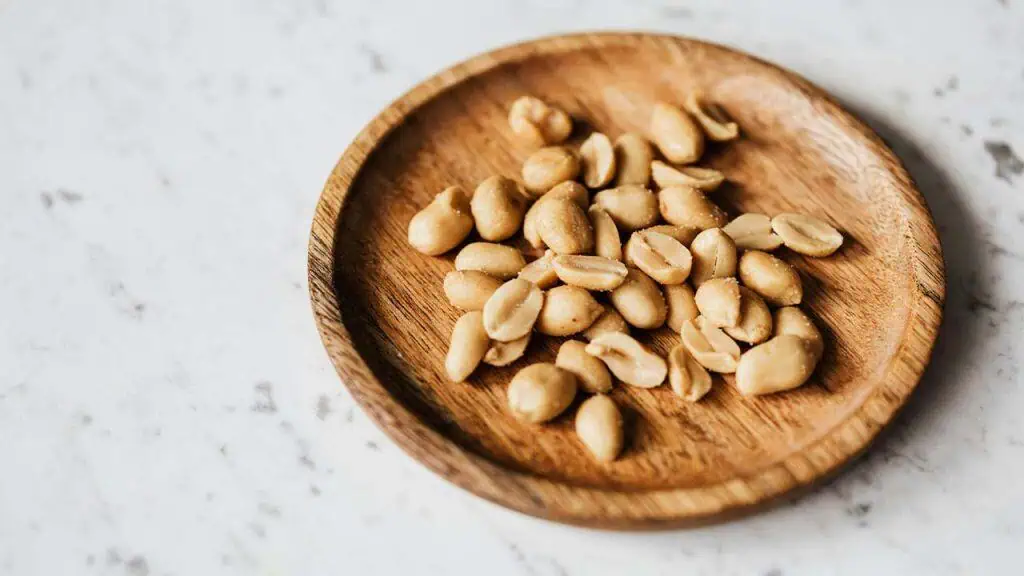
Though a popular snack, peanuts can harbor aflatoxins, natural carcinogens produced by certain molds. These toxins persist even after roasting, posing long-term health risks. Quality control in production and proper storage mitigate these concerns, reducing mold exposure. Choosing certified organic brands undergoes rigorous testing, offering safer options. For a crunchy alternative, consider raw almonds or walnuts, rich in beneficial fats and antioxidants, offering a safer snacking experience without compromising taste or nutrition.
Very Hot Drinks: Sip with Caution

Drinking very hot beverages, above 149°F (65°C), can damage esophageal tissues, possibly increasing cancer risk. The high temperature is the main concern, irrespective of the drink itself. Allow coffee or tea to cool slightly before sipping, reaching a safer, more enjoyable warmth. Observe your beverage's steam and test a small sip before taking a full mouthful. This practice not only safeguards your health but also enhances the subtle flavors often masked by excessive heat.
Canned Food: What's in the Can?
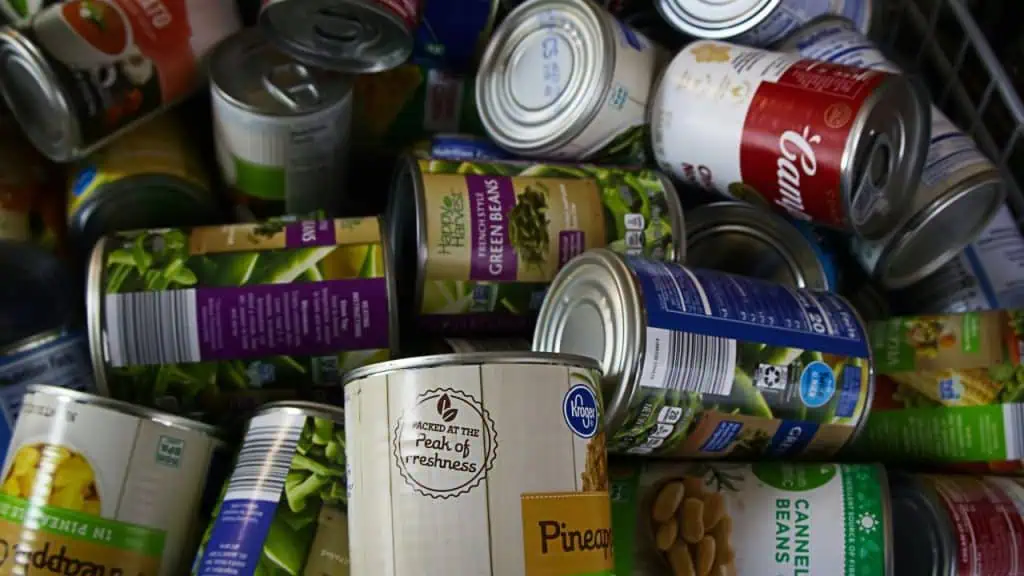
Canned foods, while convenient, may contain bisphenol A (BPA) in their linings, a chemical linked to cancer. Opt for BPA-free labeled options, or better yet, choose fresh or frozen alternatives. When using canned foods, rinse contents thoroughly to reduce sodium and potential residues. Homemade vegetable broths and sauces offer a flavorful, additive-free replacement. Incorporating these practices ensures you enjoy the simplicity of canned goods with minimized health risks.
Barbequed Meats: The Smoky Dilemma

Barbequed meats, especially when charred, can form harmful compounds like heterocyclic amines (HCAs) and polycyclic aromatic hydrocarbons (PAHs), linked to cancer. To reduce risks, marinate meats in citrus or vinegar-based marinades, which can lower carcinogen formation. Cook over lower heat to avoid burning, and flip frequently to evenly cook. Opting for lean cuts reduces flare-ups, further minimizing carcinogen production. These practices allow you to enjoy grilled flavors with a cautious, health-conscious approach.
Food Additives: Hidden Hazards

Certain food additives may pose risks not immediately apparent on ingredient labels. Commonly used for enhancing flavor, appearance, or shelf life, some additives like nitrites, often found in processed meats, have been linked to cancer risks by forming potentially carcinogenic nitrosamines in the body. Similarly, trans fats, used for their stability and texture in baked goods, can negatively impact health. Opt for fresh, whole ingredients and check for alternative products labeled additive-free to minimize exposure. Focusing on clean and simple cooking methods allows natural flavors to stand out.


