
Boomers vs Millineals: which genration got the food right?

When it comes to food, Boomers and Millennials couldn’t be more different. One generation grew up on hearty home-cooked classics and casserole dishes, while the other helped popularize avocado toast, smoothie bowls, and globally inspired flavors. But which generation actually got food right? From nostalgic comfort meals to trendy health-focused plates, this debate reveals how each era shaped the way Americans eat today.
Comfort Classics vs Trendy Bowls

The debate between comfort classics and trendy bowls often centers on familiarity versus innovation. Comfort classics, like hearty beef stews and creamy mashed potatoes, offer a nostalgic taste of home, honing in on slow-cooked flavors and rich textures.
On the other hand, trendy bowls, such as acai or grain bowls, emphasize fresh ingredients, vibrant colors, and diverse textures, often prioritizing nutritional balance. Both approaches require culinary skill: classics demand patience and precise seasoning, while bowls call for creativity and a keen eye for presentation.
Did Boomers Perfect Home Cooking?

Boomers are often credited with mastering home cooking, tying dishes to family traditions and reliable methods. Their approach is rooted in a foundational understanding of ingredients and techniques, resulting in wholesome dishes like pot roasts and casseroles.
Classic recipes often incorporate time-tested methods such as braising and roasting, which enhance flavors and textures. Boomers have curated a repertoire of comforting meals that are easy to replicate, characterized by a focus on nourishment and familiarity that offers both reliability and satisfaction.
Millennial Obsession: Avocado Toast

Avocado toast embodies the millennial drive for simplicity paired with quality ingredients. It highlights ripe avocados' creamy texture, balanced with rustic bread's crunch. Seasoning with lemon juice and a pinch of salt elevates the natural flavors, while toppings like radishes, feta, or poached eggs add layers of taste and nutrition.
The key to its widespread appeal is versatility and ease of preparation, marking a shift toward quick, flavorful breakfasts that emphasize freshness and innovation, reflecting a culinary trend that values individuality and creativity.
Potluck Favorites vs Instagram Trends
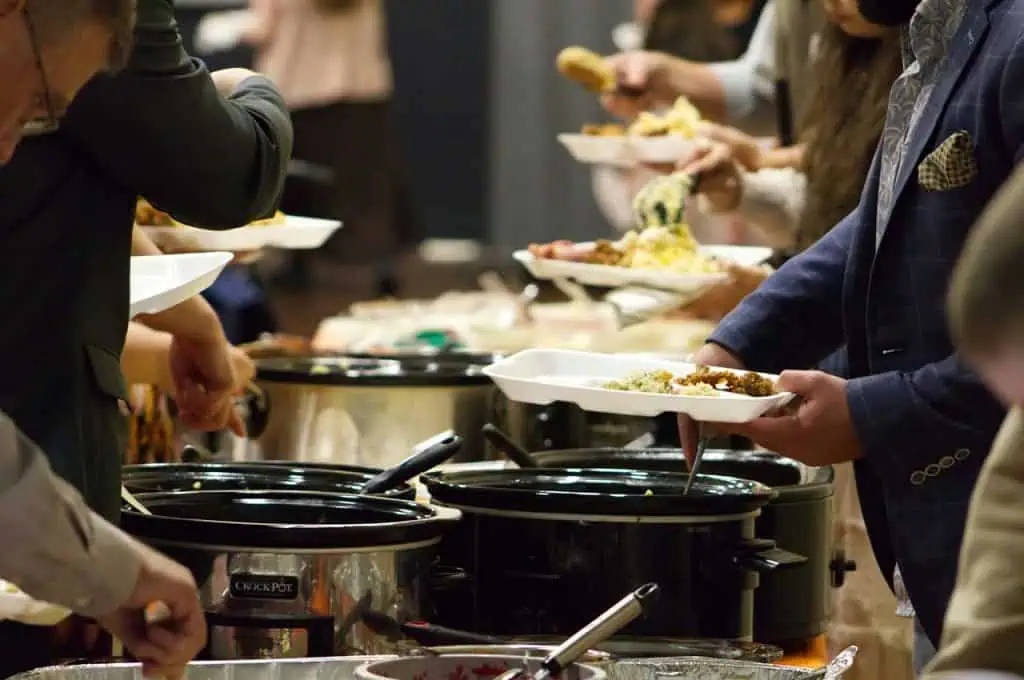
Potluck favorites like deviled eggs and pasta salads are designed for sharing and comprise tried-and-true recipes passed down through generations. These dishes often focus on practicality, using readily available ingredients and traditional flavor combinations.
In contrast, Instagram trends such as layered parfaits or extravagant charcuterie boards prioritize visual impact and innovation. The importance of aesthetic presentation is paired with diverse textures and modern flavor experiments, appealing to a digital audience keen on photographing their meals as part of the culinary experience.
Tuna Casserole to Poke Bowl Debate
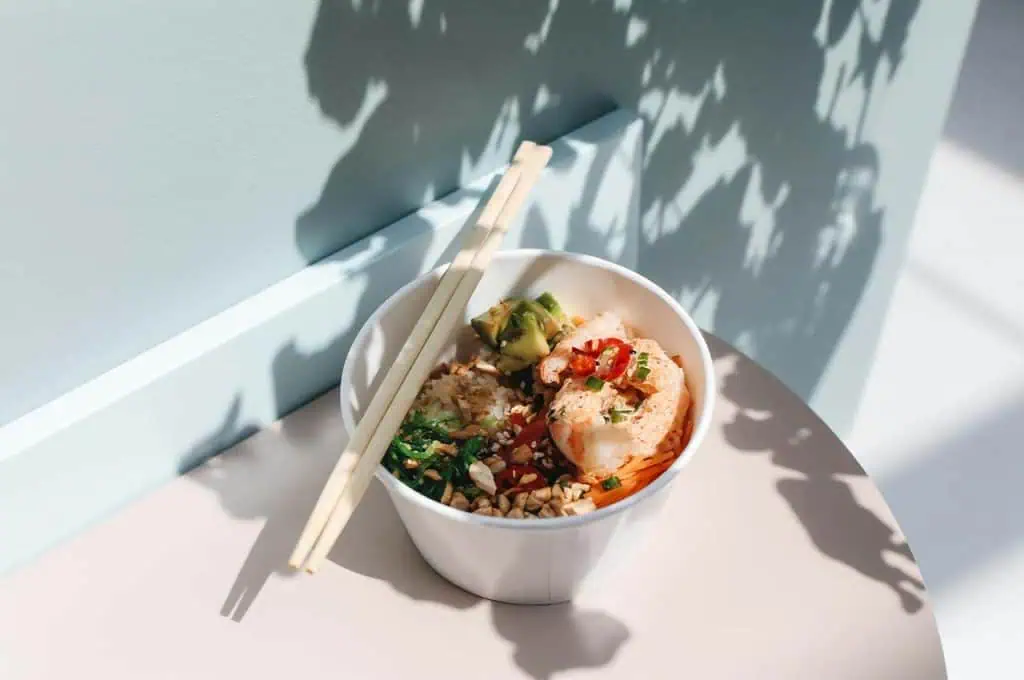
The comparison between tuna casserole and poke bowls is one of convenience versus customization. Tuna casserole, a staple for many Boomers, features pantry-ready ingredients like canned tuna and cream of mushroom soup, baked to form a creamy, comforting dish.
The poke bowl, popularized by millennials, focuses on raw fish, fresh vegetables, and customizable bases, offering a health-conscious alternative. While casseroles deliver warmth and satisfaction with minimal effort, poke bowls cater to a desire for fresh flavors and a personalized dining experience, reflecting evolving tastes and preferences.


