
Boomers know how to pick the best: 7 things we can learn from their Food Shopping Habits

Long before influencer grocery hauls and algorithm-driven carts, Boomers learned to shop with intention. Their habits were shaped by tight budgets, weekly routines, and cooking most meals from scratch rather than chasing trends. While food culture has changed dramatically, many of their instincts still lead to better value, less waste, and more satisfying meals. These habits prioritize function over hype, flexibility over convenience, and long-term usefulness over short-term excitement, principles that remain just as relevant in modern grocery stores.
They Read Labels Instead of Front Claims

Boomers are far less influenced by buzzwords like “superfood,” “clean,” or “artisanal.” Instead of trusting the front of the package, they flip it over and check ingredient lists, serving sizes, and basics like sugar, sodium, and fat. This habit helps them avoid paying extra for products that are nutritionally similar to cheaper alternatives. It also keeps marketing from overriding common sense. The takeaway is simple: real information lives on the back of the box, and careful reading often leads to smarter spending.
They Buy Ingredients, Not Just Products
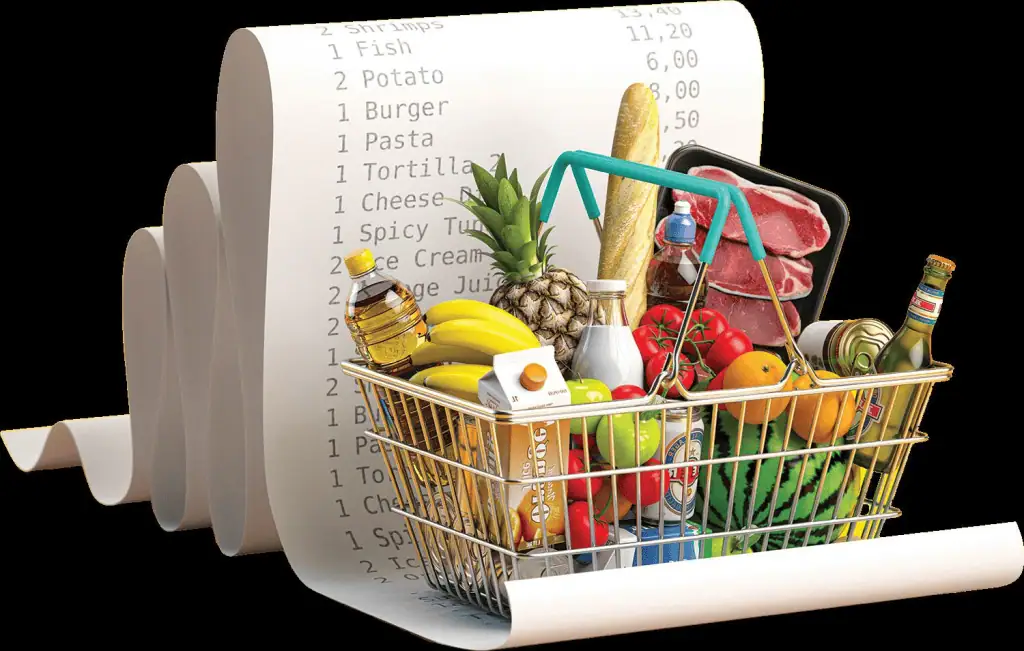
Rather than filling their carts with single-use convenience foods, Boomers tend to buy core ingredients that can be used in multiple meals. Items like flour, eggs, vegetables, rice, and meat form a flexible foundation. This approach allows the same groceries to stretch across different dishes without feeling repetitive. It also reduces waste, since ingredients can be adapted as plans change. Buying ingredients instead of finished products creates more control in the kitchen and delivers better value over time, even when food prices fluctuate.
They Stick to a Routine Instead of Browsing Aimlessly

Boomers often shop with a clear plan and predictable routine. They know which store to visit, which aisles matter, and what staples need replenishing. This reduces impulse buys and keeps grocery trips efficient. Instead of wandering and reacting to promotions, they follow habits built over the years. That consistency helps control spending and minimizes food waste. The lesson isn’t rigidity, it’s intention. Shopping with a mental framework makes it easier to ignore distractions and focus on foods that actually get used, rather than items that look exciting in the moment but end up forgotten at home.
They Respect Seasonal Pricing
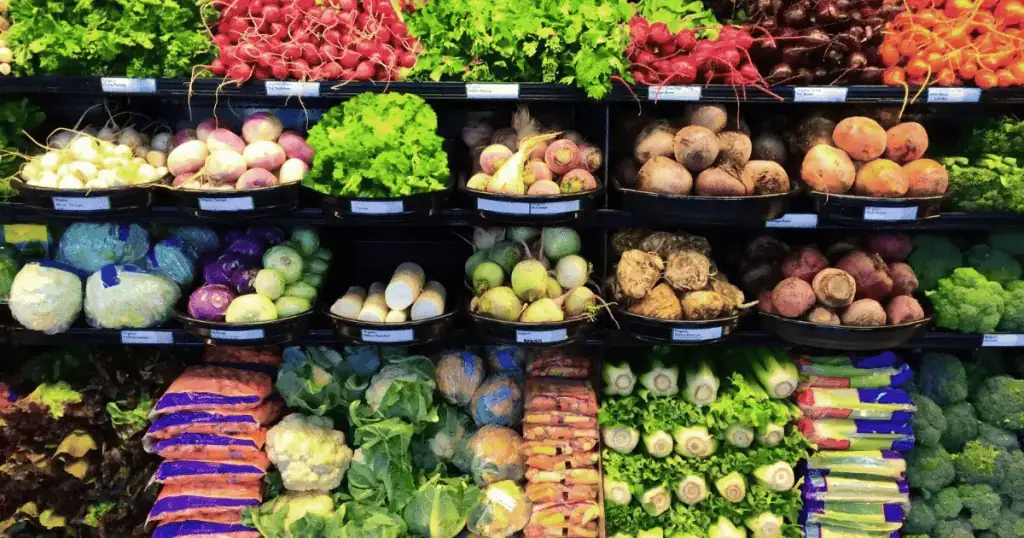
Boomers are more likely to buy produce and proteins when they’re in season and reasonably priced. If strawberries are expensive, they skip them. If cabbage, potatoes, or squash are cheap, they build meals around those instead. This habit isn’t about sacrifice, it’s about adapting. Seasonal buying naturally leads to better flavor and lower cost without extra effort. Younger shoppers often chase recipes regardless of price, but Boomers let availability guide decisions. That flexibility keeps grocery bills stable and meals practical, proving that seasonality is one of the simplest tools for smarter food shopping.
They Don’t Overbuy “Just in Case”

Boomers tend to buy what they realistically plan to cook, not what might be useful someday. This mindset limits waste and fridge clutter. They’re comfortable returning to the store later instead of overstocking perishables that spoil. That restraint comes from experience, knowing that excess rarely saves money in the long run. Modern shoppers often bulk-buy aspirational foods, but Boomers prioritize follow-through. The habit reinforces discipline and reduces guilt around wasted food. Buying less but using more is a quiet strategy that leads to both better meals and better budgeting.
They Value Portion Awareness

Growing up with structured family meals shaped how Boomers understand portion sizes. They’re less likely to overserve at home or buy oversized novelty items that encourage excess. This awareness shows up in everything from protein portions to snack choices, helping meals feel balanced rather than heavy. It’s not about restriction or dieting it’s about familiarity with what’s actually enough to feel satisfied. By cooking and eating portions that make sense, Boomers naturally reduce waste and overeating. That instinct leads to better pacing, steadier grocery spending, and meals that feel complete without relying on abundance.
They Shop With a Mental Menu in Mind

Boomers often walk into the grocery store already knowing what they plan to cook during the week. That mental menu keeps shopping focused and efficient, reducing impulse purchases and decision fatigue. Instead of reacting to promotions or trends, they buy with purpose. This habit results in fewer forgotten ingredients, better use of what’s already at home, and fewer last-minute takeout meals. Shopping becomes an extension of cooking rather than a separate activity. By connecting groceries directly to planned meals, Boomers maintain control, save money, and build a stronger relationship between what they buy and what they eat.


