
10 New Drinks Americans Are Choosing Over Coffee This Year

Coffee still dominates mornings, but more Americans are quietly rethinking their daily cup. Rising concerns about jitters, energy crashes, gut health, and sleep quality are pushing people toward alternatives that offer steadier energy or added wellness benefits. This year’s shift isn’t about quitting caffeine entirely; it’s about finding drinks that feel better long-term. From functional teas to nutrient-rich blends, these beverages are becoming repeat choices for people who want focus, comfort, and balance without relying solely on coffee.
Matcha Lattes
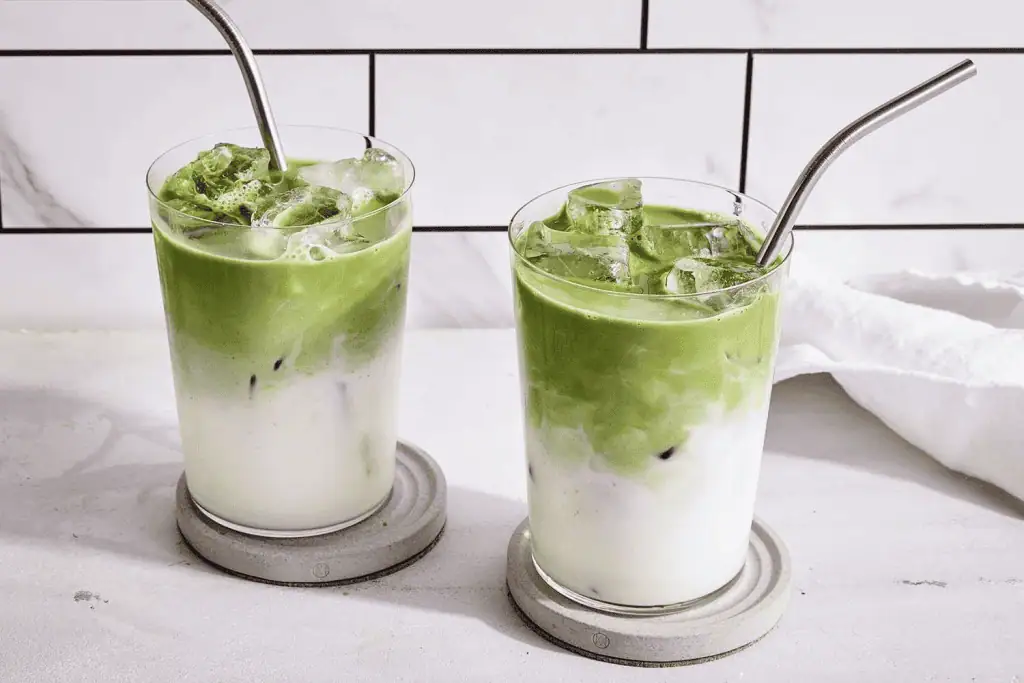
Matcha lattes have moved beyond trend status and into daily routines for many Americans. Unlike coffee, matcha delivers caffeine gradually due to its natural L-theanine content, which helps reduce jitters and crashes. The result is calm, sustained focus rather than a sharp spike. Many people also appreciate matcha’s earthy flavor and antioxidant profile. Served hot or iced, matcha lattes feel ritualistic and comforting, making them an appealing replacement for coffee rather than a downgrade.
Chai Concentrates

Chai has become a go-to option for people who still want warmth and spice without coffee’s intensity. Black tea provides moderate caffeine, while spices like cinnamon, cardamom, and ginger add depth and digestive comfort. Concentrated versions make it easy to prepare at home without brewing from scratch. Many Americans are choosing chai because it feels indulgent and familiar while offering a gentler energy curve that suits longer mornings and afternoons.
Yerba Mate

Yerba mate is gaining traction as a middle ground between coffee and tea. It contains caffeine but delivers it more evenly, avoiding the sharp highs and lows associated with coffee. Drinkers often describe the energy as clean and focused. Yerba mate also carries cultural appeal and a slightly bitter, herbal taste that feels more serious than flavored teas. Its rise reflects a desire for alertness without overstimulation.
Mushroom Coffee Alternatives

Mushroom-based drinks made with ingredients like lion’s mane or chaga are increasingly replacing coffee for wellness-focused consumers. Many blends contain little or no caffeine, relying instead on adaptogens to support focus and stress response. The flavor is mild and earthy, making it an easy transition for coffee drinkers. People choosing these drinks often prioritize mental clarity and gut comfort over immediate stimulation.
Golden Milk (Turmeric Lattes)
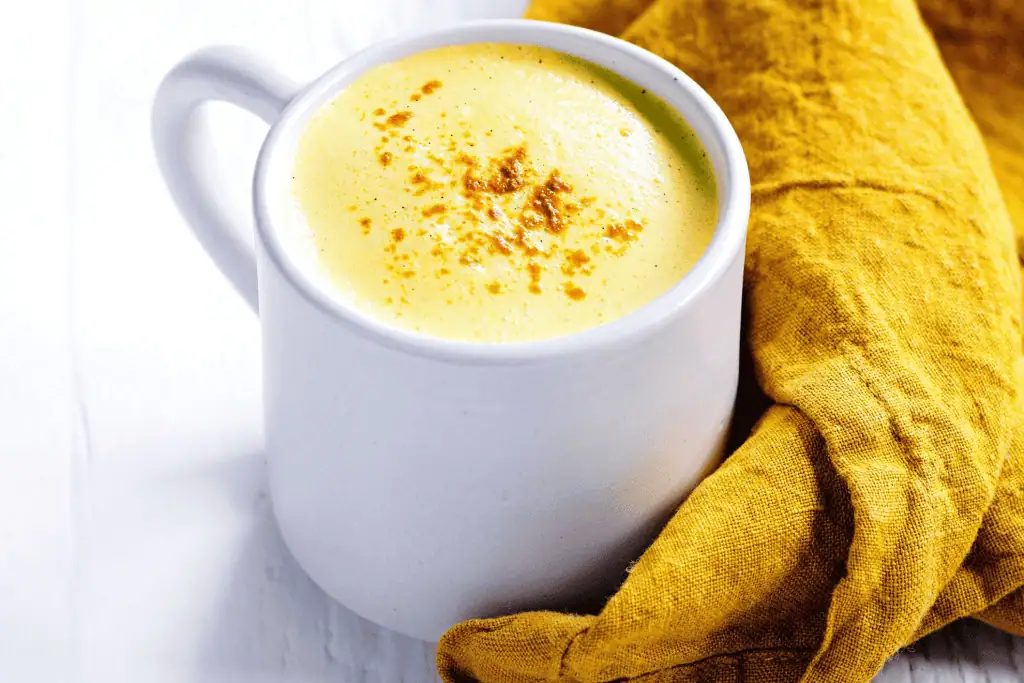
Golden milk has become a favorite for those moving away from coffee, especially later in the day. Made with turmeric, milk, and warming spices, it contains no caffeine but offers comfort and anti-inflammatory appeal. Americans are choosing it as a morning or evening ritual that feels nourishing rather than energizing. Its rise reflects a broader shift toward beverages that support calm and recovery rather than constant stimulation.
Green Tea with Citrus
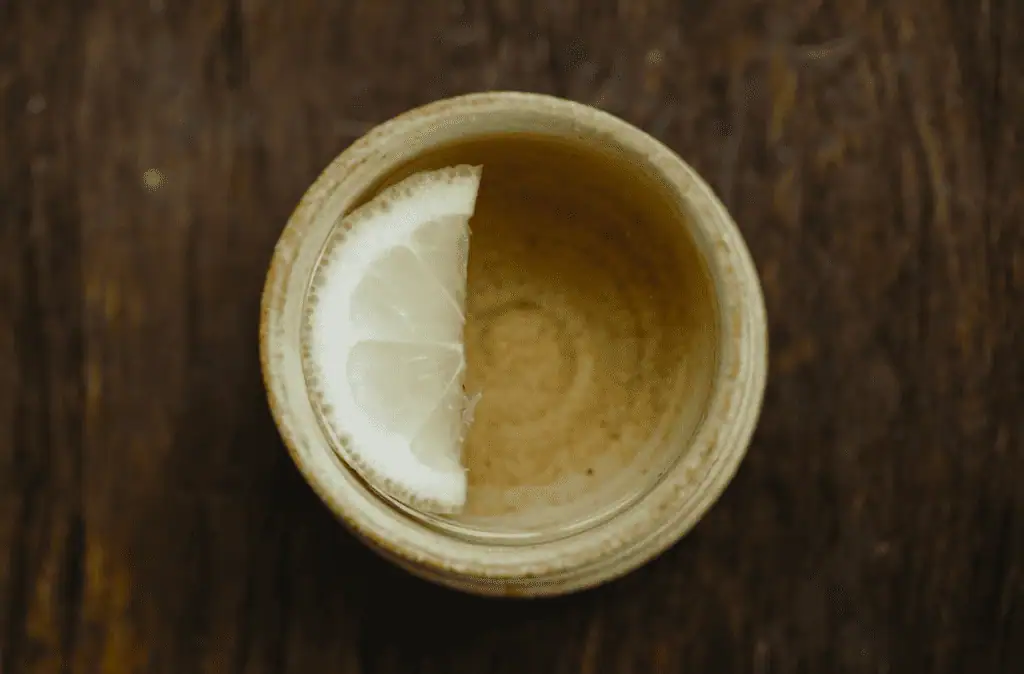
Simple green tea infused with lemon or orange has seen renewed popularity as a coffee alternative. Green tea provides a lighter caffeine boost along with antioxidants, while citrus brightens flavor and aids digestion. Many people prefer it because it hydrates while energizing, avoiding the dehydrating feel some associate with coffee. It fits seamlessly into daily routines without feeling like a compromise.
Protein Shakes with Cold Brew Alternatives
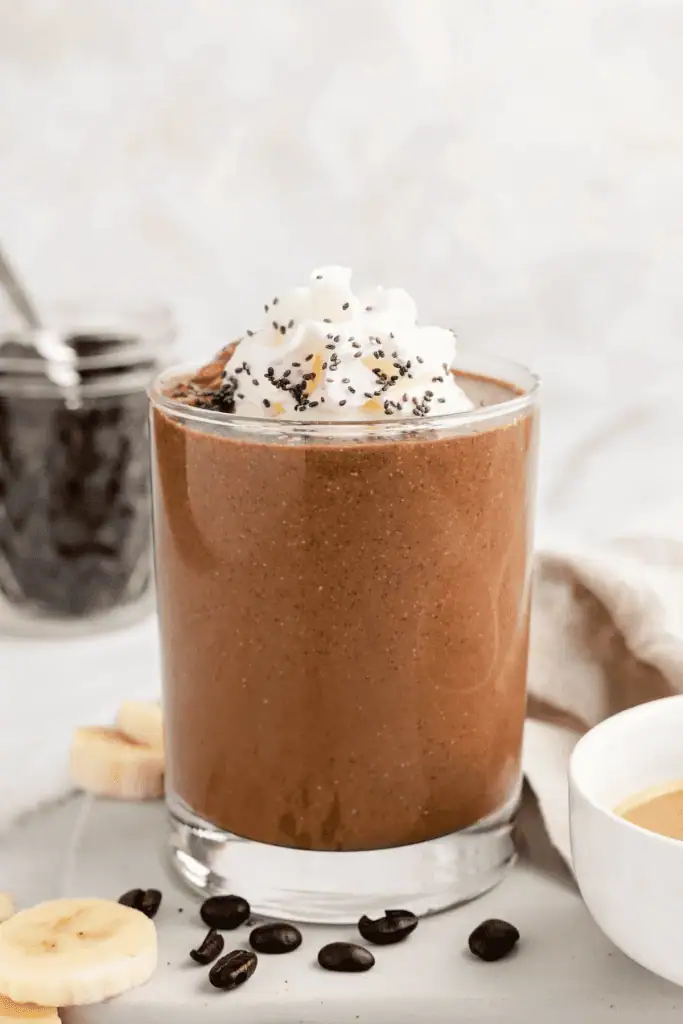
Some Americans are replacing coffee entirely with protein shakes designed to energize and sustain. These drinks often include minimal caffeine, B-vitamins, or nootropics instead of coffee. The appeal lies in combining nutrition and energy into one step. For busy mornings, these shakes replace both breakfast and coffee, offering steadier fullness and focus without the crash.
Adaptogenic Herbal Tonics
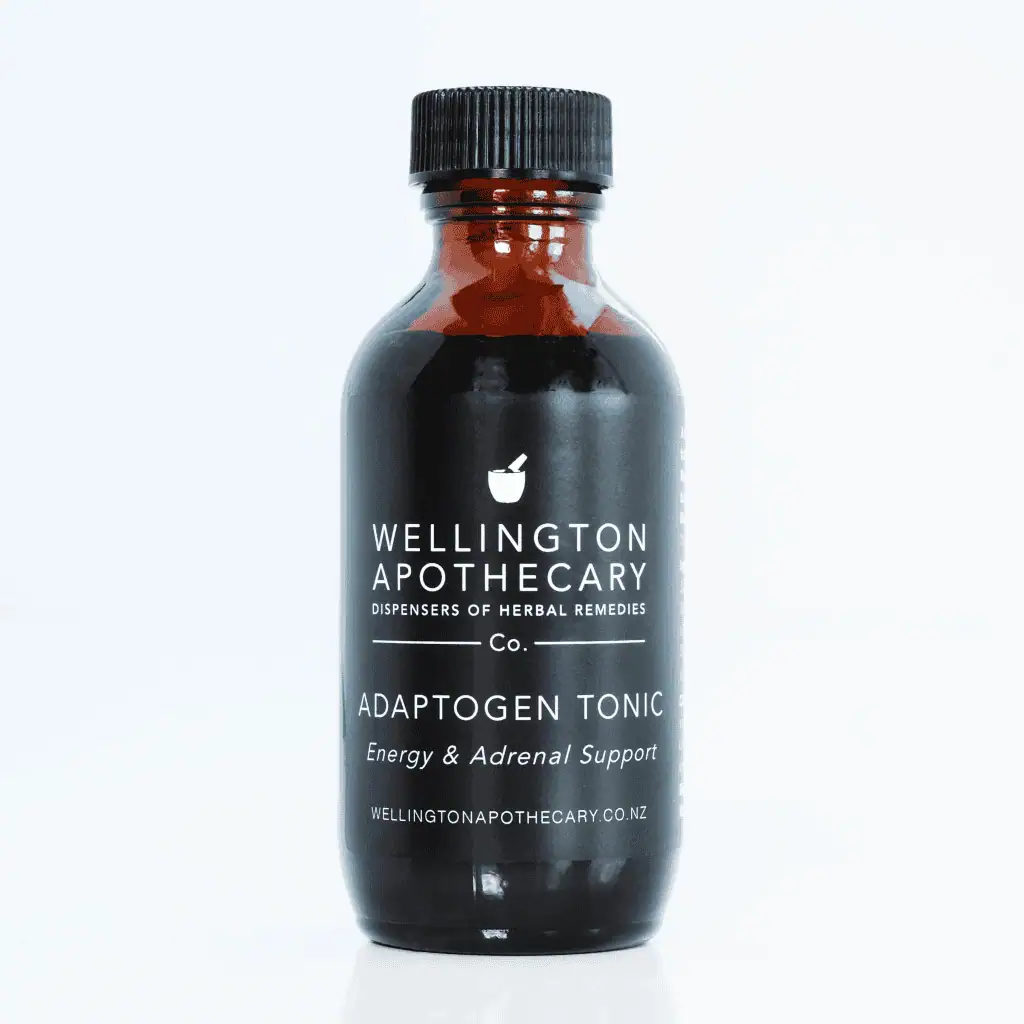
Herbal tonics made with ashwagandha, rhodiola, or ginseng are increasingly chosen over coffee by people managing stress. These drinks aim to support energy regulation rather than stimulation. Many Americans report feeling more balanced and less anxious compared to coffee consumption. Their popularity highlights a growing preference for drinks that align with mental wellness rather than productivity alone.
Iced Black Tea with Milk

Iced black tea with milk offers familiarity for coffee drinkers while delivering gentler caffeine. It mimics the body and richness of iced coffee without the intensity. Americans are choosing it because it feels refreshing, customizable, and less harsh on digestion. Its simplicity makes it easy to prepare at home, encouraging consistent replacement rather than occasional substitution.
Chicory Root Drinks
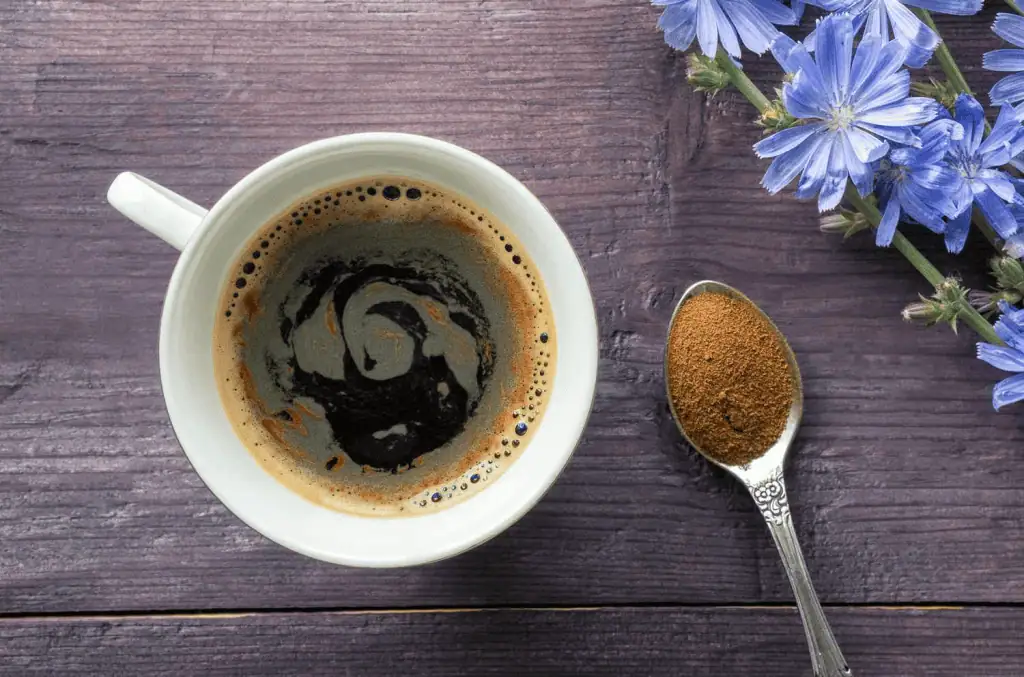
Chicory root beverages are quietly gaining popularity as coffee replacements due to their roasted, bitter flavor and zero caffeine. Historically used as a coffee substitute, chicory appeals to people who miss coffee’s taste but not its effects. It also supports digestion and gut health. Americans choosing chicory often want to keep the ritual of a warm morning drink without relying on caffeine.


