
Why Restaurant Ice Machines Get More Health Violations That You’d Expect

In recent years, the focus on restaurant ice machines has intensified, driven by a heightened awareness of hygiene standards. These machines, often neglected, can become breeding grounds for bacteria and viruses if not properly maintained. Understanding the reasons behind this scrutiny helps both restaurateurs and patrons appreciate the critical role these devices play in food safety.
Health Inspections Tighten Grip

Health inspectors have become more vigilant about ice machines, recognizing them as potential sources of contamination. Regular inspections now emphasize the cleanliness and maintenance of these machines, ensuring that they meet stringent safety standards. Businesses must calibrate their cleaning schedules with precision, as any lapse can lead to health violations, affecting both patron safety and the establishment's reputation.
Ice Machines: Hidden Hazards

Ice machines can harbor hidden dangers such as mold, bacteria, and biofilm if they are not cleaned routinely. These hazards can thrive in the dark, damp environments typical of ice machines. Implementing a routine cleaning protocol is essential, utilizing appropriate sanitizers and ensuring every component, from the bin to the water lines, is free from contamination. Such diligence protects customers from being unwittingly exposed to health risks.
Outdated Equipment Risks

Old or poorly maintained ice machines can compound health and safety risks. Components may wear out, leading to mechanical failures or inefficient ice production, which in turn might compromise hygiene. Upgrading to more modern equipment with improved self-cleaning features and energy efficiency not only enhances safety but also reduces operational costs. Regular maintenance checks can help identify potential issues before they escalate.
High-Traffic Restaurant Challenges

Restaurants with high customer turnover face added pressures in maintaining ice machine hygiene. The constant demand for ice in such establishments requires rigorous adherence to cleaning schedules and frequent sanitization. Staff must be trained intensely to follow these protocols precisely, ensuring that every scoop of ice is safe for consumption even during peak service times. This discipline not only upholds health standards but also supports consistent customer satisfaction.
Consumer Demand for Clean Ice
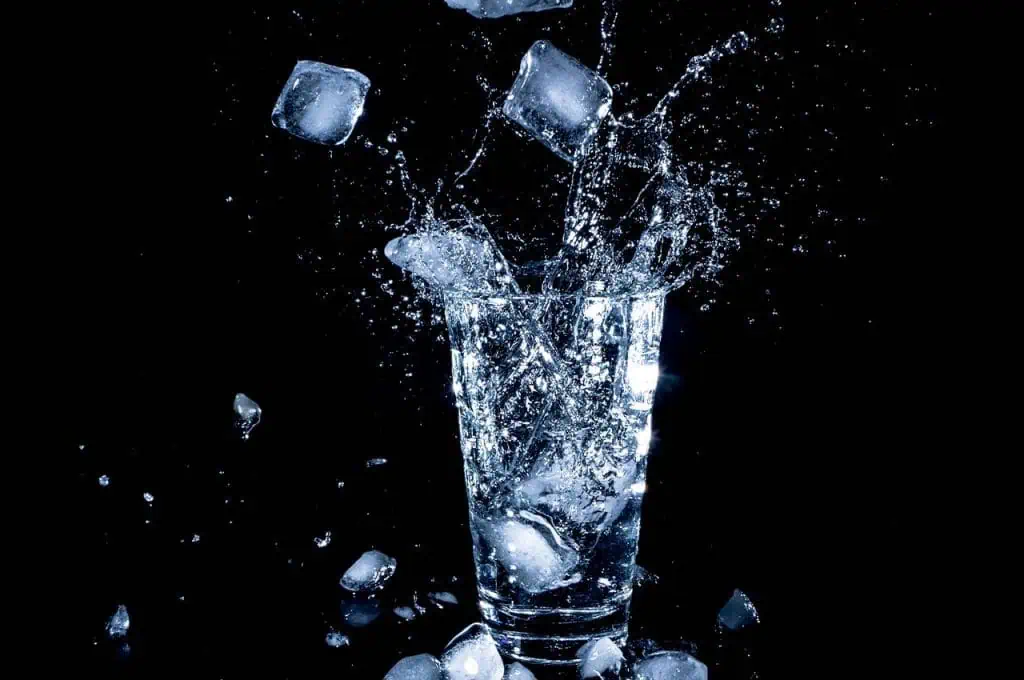
Increasing awareness of food safety has led consumers to expect not just high-quality food but also cleanliness in every detail, including the ice used in beverages. Crystal-clear ice isn't just aesthetically pleasing; it reflects meticulous sanitation practices that prevent contamination.
Home solutions often involve simple water freezing, but commercial-scale production demands regular maintenance, rigorous cleaning schedules, and proper filtration systems. Establishments prioritizing these practices not only meet growing consumer demands but also establish trust, leading to enhanced reputation and return business.


