
12 Iconic Food Mascots and the Real Stories Behind Them

Food mascots have a way of embedding themselves in our culinary consciousness, representing the flavors and experiences of beloved products. These figures often tell stories beyond their friendly faces, connecting brands to households across generations. Understanding the origins and impacts of these mascots not only enhances appreciation but also provides insight into how food marketing shapes our eating habits.
Tony the Tiger: A Roaring Success Story

Tony the Tiger, known for his energetic catchphrase “They're grrreat!”, became an emblem of breakfast efficiency with Frosted Flakes. Introduced in 1952, Tony's robust design and motivational spirit captured the post-war American ethos, emphasizing vitality and strength. His development symbolized a shift toward family-friendly marketing, using animated characters to foster brand loyalty.
The Pillsbury Doughboy: A Giggle in Every Roll

The Pillsbury Doughboy, or Poppin' Fresh, embodies warmth and comfort in kitchens. Debuting in 1965, his light-hearted persona and trademark giggle made baking approachable. This charming character was carefully crafted to evoke the soft, pillowy texture of dough, bridging the gap between convenience and homemade feeling—a significant evolution in packaged baking products.
Chester Cheetah: The Cool Cat of Snacks

Chester Cheetah burst onto the scene in 1986, embodying the vibrant, playful nature of Cheetos. His laid-back attitude and mischievous wit reflected the snack's bold flavor and cheesy crunch. Chester’s presence underscored a shift toward marketed individuality, appealing to consumers through a mix of humor and rebellion, which aligned perfectly with changing snacking trends.
The Jolly Green Giant: A Vegetable Legend

The Jolly Green Giant stands tall as a symbol of health and sustainability, promoting vegetables with a touch of mythical charm since his debut in 1928. His evolution from a somewhat scary figure to a friendly, giant helper mirrored growing health-consciousness. Emphasizing freshness and quality, he played a key role in popularizing frozen vegetables, making nutritious eating more accessible.
Cap’n Crunch: Navigating the Seas of Cereal

Cap’n Crunch, with his nautical charm, sets sail into breakfast bowls around the world. Introduced in 1963, this iconic captain promises a cereal that maintains its crunch in milk, thanks to its uniquely developed corn and oat squares. The secret behind the enduring texture lies in the pressure-cooking method, which helps retain its signature crispness. The captain’s visage is crafted to evoke adventure and nostalgia, making each bowl a reminder of timeless mornings. Understanding the product’s textural features can enhance any cereal recipe where crunch is key.
The Kool-Aid Man: Oh Yeah! The Splashy Icon

Bursting through walls with enthusiasm, the Kool-Aid Man represents the vivid experience of enjoying this fruity drink. Since the 1950s, his exuberant “Oh Yeah!” has underscored a brand synonymous with bold flavors and family fun. Mixing Kool-Aid correctly involves balancing powder and water, ensuring vibrant color and full flavor without overwhelming sweetness. By adjusting components like sugar and adding fresh fruit slices, you can elevate this simple drink into a sophisticated punch, enhancing both visual appeal and flavor complexity.
Toucan Sam: A Fruit Loop Journey
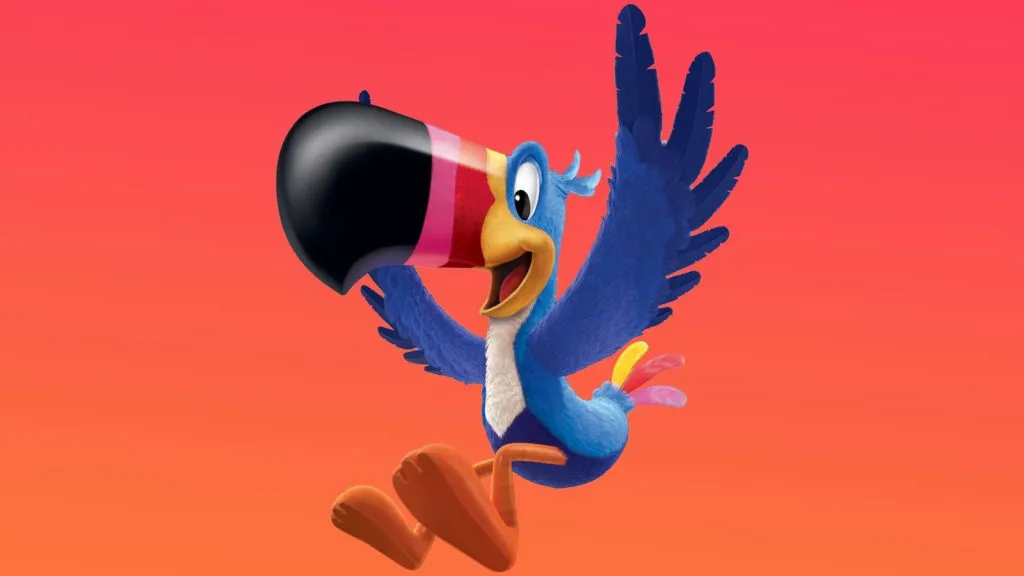
Toucan Sam’s vibrant beak guides cereal lovers through a rainbow of flavors in every bowl of Froot Loops. Since his debut in 1963, his character has captured imaginations, promising a multi-sensory breakfast experience. Froot Loops’ allure lies in its consistent crunch and aroma, achieved through a precise balance of sugars and flavorings during the extrusion process. Exploring beyond breakfast, these loops can be crushed for dessert toppings or used in colorful snack mixes, making them versatile for creative culinary endeavors.
Snap, Crackle, and Pop: The Rice Krispies Trio
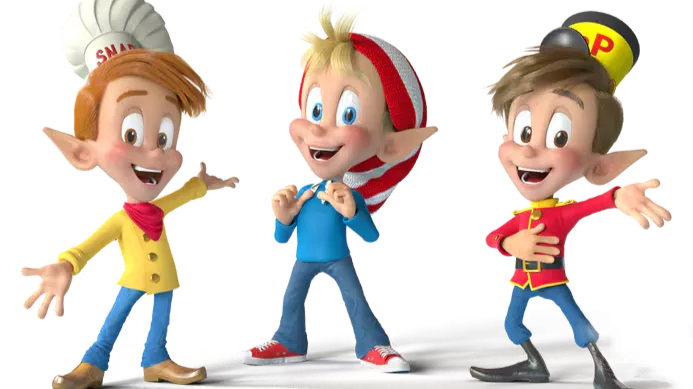
Snap, Crackle, and Pop charmingly orchestrate the symphony of sounds that emanate from Rice Krispies. Introduced in 1928, this trio highlights a cereal famed for its lightness and distinctive sound. The puffed rice is achieved by steaming and toasting, which creates airy spaces within the grains. This prepares them to snap, crackle, and pop when met with milk. Beyond traditional cereal use, such textural features make them ideal for treats like marshmallow squares, where their crisp texture adds delightful contrast.
Mr. Peanut: A Classy Legume Affair

Mr. Peanut, with his top hat and monocle, has been the sophisticated face of Planters since 1916. This dapper legume epitomizes quality and nostalgia in the snack world. His persona reflects the brand’s commitment to consistently roasted and seasoned peanuts, resulting in a pleasing balance of crunch and flavor. When utilizing peanuts in cooking, such as in savory dishes or desserts, it’s beneficial to consider their fresh quality and natural oils, which enhance everything from sauces to brittle.
The Noid: Domino’s Avoidance Adventure
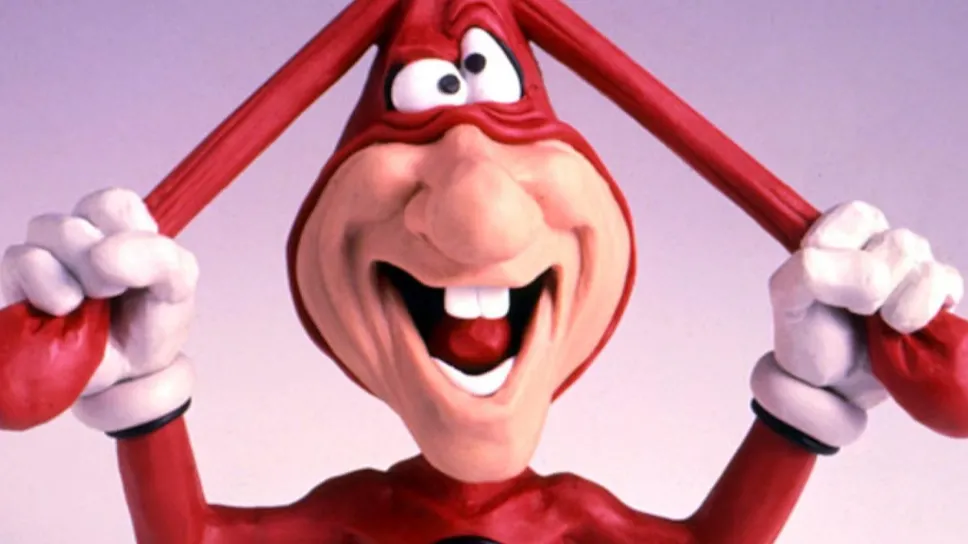
The Noid, introduced by Domino's in the 1980s, was a quirky, claymation character designed to personify obstacles to pizza delivery. His signature red suit and comically mischievous antics highlighted the chain’s commitment to fast, reliable service, promising to “avoid the Noid.” Although a lighthearted attempt at advertising, the character also faced real-world controversy, affecting his run. The Noid remains a cultural touchstone in promotional strategies, demonstrating the intricate interplay between mascot creation and corporate messaging.
M&M's Spokescandies: Sweet Personas
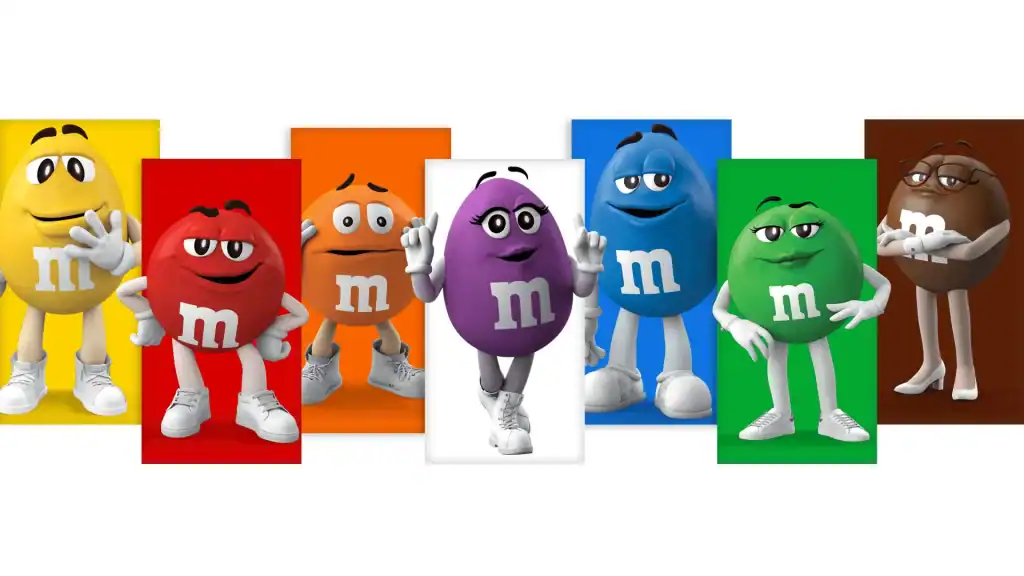
The M&M's spokescandies, each embodied with unique colors and personalities, have been captivating audiences since their introduction in the 1990s. Designed to add a playful, creative angle to branding, these characters—like Red, Yellow, and Green—illustrate varying chocolate-centered personas. Their purpose is to make the candy relatable and entertaining, successfully engaging consumers by offering recognizable, dynamic faces to a classic treat. This character-centric strategy effectively combines humor and brand identity, ensuring memorable commercial impact.
Ronald McDonald: The Clown Behind the Smiles

Ronald McDonald, introduced in the 1960s, serves as McDonald's enduring playful ambassador. With his red wig and cheerful demeanor, Ronald embodies the company's family-friendly atmosphere and commitment to community engagement. He became a cornerstone of marketing strategies, appearing in numerous ads and charitable endeavors, particularly through Ronald McDonald House Charities. This association reflects McDonald’s aim to position itself as a welcoming, supportive presence, transforming a simple clown into a powerful emblem of corporate benevolence.


