
11 Millennial Foods That Boomers and Gen Z Just Don’t Get

Millennial food choices didn’t come from abundance or rebellion. They came from unstable financial pressure, irregular schedules, wellness guilt, and the pressure to appear functional while still figuring life out. These foods weren’t designed to impress or signal taste. They were practical tools meant to hold daily routines together. That’s why other generations often misread them. What looked bland, unnecessary, or overly curated was actually survival logic quiet systems built to reduce friction, decisions, and failure in a phase of life defined by uncertainty.
Overnight Oats in a Mason Jar
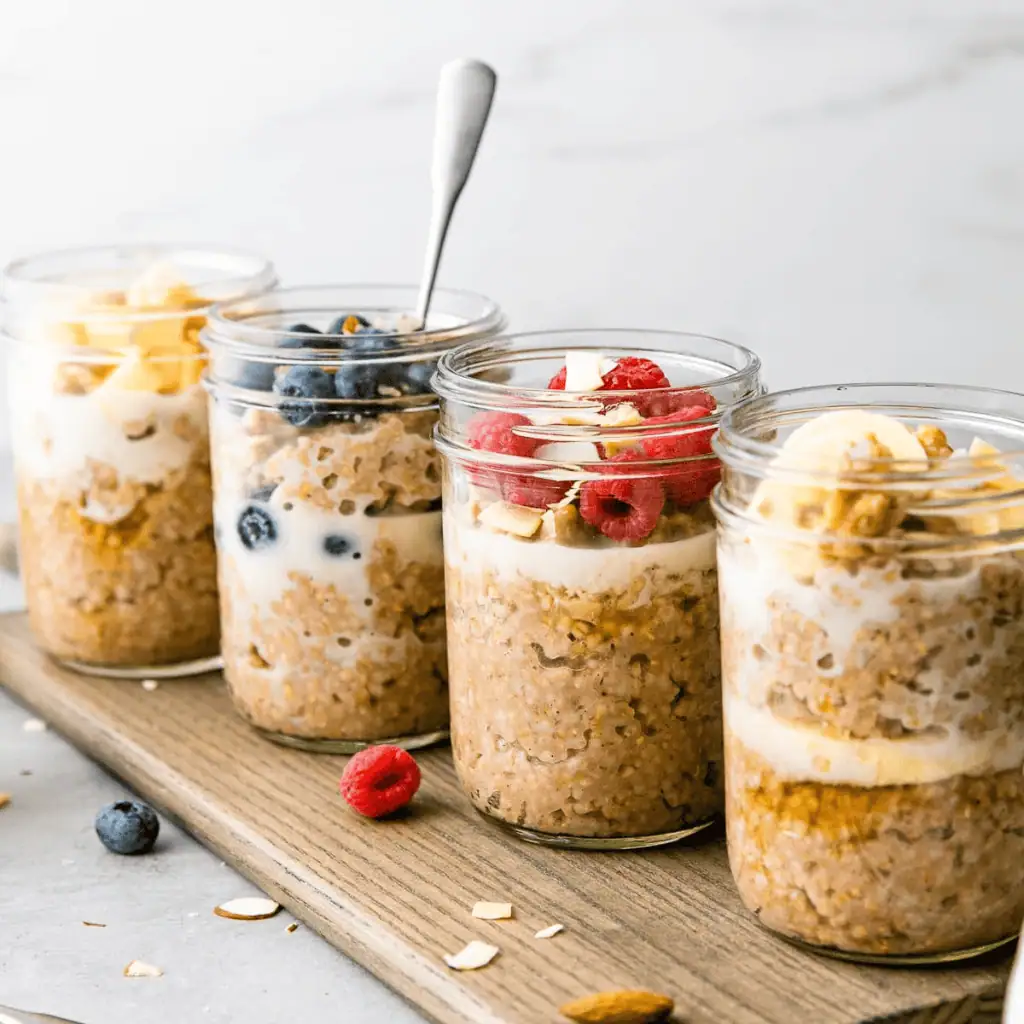
Cold oats confused almost everyone outside the generation. To Boomers, they looked unfinished. To Gen Z, feels joyless and bland. For millennials, overnight oats were a rare structural win. Breakfast required no morning decisions, no cleanup, and no thinking. Making it the night before felt like proof of control in a life that didn’t yet feel stable. The mason jar mattered more than the oats it turned chaos into something contained, visible, and repeatable, which was the real comfort.
Chia Pudding

Chia pudding wasn’t eaten because it tasted good. It was eaten because it felt responsible. Millennials were told fiber, omega-3s, gut health, and discipline mattered, and chia pudding checked those boxes quietly. Boomers fixated on the texture. Gen Z skipped it entirely. Millennials ate it while convincing themselves adulthood was working. It was less about pleasure and more about reassurance proof that even if life felt messy, at least breakfast aligned with the rules they’d been taught to follow.
Avocado Pasta

Not avocado toast avocado pasta. Creamy, green, fast, and vaguely healthy, it felt indulgent without being reckless. It used minimal ingredients but still looked intentional. Boomers wondered why butter wasn’t enough. Gen Z quickly moved on to bolder trends. Millennials loved avocado pasta because it turned very little into something that felt complete. It was comfort food reframed as responsibility, offering richness without guilt at a time when indulgence needed justification.
Hummus as a Meal

Hummus stopped being a dip and quietly became dinner for many millennials. Paired with crackers, vegetables, or eaten straight from the container, it filled a gap when energy, time, and planning were low. Boomers expected a cooked plate, and Gen Z jokes about “girl dinner,” but millennials weren’t making a cultural statement. They were solving a problem. Hummus was filling, familiar, required no preparation, and didn’t demand explanation. It worked on days when cooking felt impossible, which mattered more than tradition, presentation, or nutritional perfection.
Smoothies That Replaced Meals

Smoothies weren’t about laziness; they were about logistics. Millennials worked irregular hours, commuted unpredictably, and lived in schedules that rarely allowed proper meal breaks. Boomers valued sitting down to eat, and Gen Z often values visual performance. Millennials valued something they could drink while life kept moving. Smoothies deliver calories, nutrients, and speed without requiring plates, timing, or stopping. They weren’t aspirational or aesthetic; they were functional. Designed for days that didn’t follow predictable rhythms, smoothies made nourishment portable when structure was missing.
Quinoa With “Whatever’s Left”

Quinoa wasn’t trendy to millennials it was neutral. It absorbed sauces, stretched leftovers, and made mismatched ingredients feel like an actual meal. Boomers didn’t understand the appeal, and Gen Z treats quinoa as normal pantry food. Millennials used it as a structural tool. When options were limited or random, quinoa created cohesion. It wasn’t about superfood status or wellness signaling. It was about turning scarcity into something organized, edible, and acceptable when nothing quite matched but dinner still had to happen.
Protein Bars That Were Never Enjoyed

Most millennials didn’t genuinely enjoy protein bars. They tolerated them. Protein bars functioned as portable proof of responsibility, something to eat between obligations to avoid “failing” at self-care. Boomers preferred full meals. Gen Z prefers real snacks. Millennials ate bars because skipping meals felt like losing control. Enjoyment wasn’t the goal. Function was. The bar existed as a placeholder when nothing else fit into the day, offering reassurance that at least something had been eaten.
Fancy Grilled Cheese

Grilled cheese itself didn’t change the framing around it did. Swapping white bread for sourdough or using sharper, better cheese made a childhood comfort food feel acceptable in adult life. Boomers saw the upgrades as unnecessary, while Gen Z reads them as ironic. For millennials, the shift was about permission. Elevating grilled cheese wasn’t about improving taste, but about legitimacy. It allowed comfort without regression, letting simple food exist without shame, apology, or the feeling of being nutritionally unserious.
Greek Yogurt With Too Many Toppings

Greek yogurt became a base rather than a finished food. Granola, honey, seeds, fruit, and nut butter were layered until it felt substantial enough to count as a meal. Plain yogurt felt incomplete. Boomers questioned the extra effort, and Gen Z tends to favor extremes. Millennials built balance manually. The toppings weren’t indulgent; they were structural. Each addition added calories, texture, and reassurance, making the meal feel controlled, intentional, and worthy of time even when the day itself felt scattered.
Snack Plates Before “Girl Dinner” Had a Name

Cheese cubes, nuts, fruit, and crackers arranged, not cooked. This wasn’t aesthetic rebellion or trend-chasing. It was practical eating without rules. Boomers saw unfinished meals, and Gen Z later framed it as irony. Millennials were simply feeding themselves. Snack plates required no recipes, no timing, and no cleanup. They offered autonomy and sufficiency when traditional meals felt impossible to plan. The simplicity wasn’t careless; it was functional, solving hunger quietly without asking for effort or explanation.
Almond Milk by Default

Almond milk wasn’t chosen for taste. It was about digestion, ethics, and the feeling of making a conscious decision. Boomers didn’t see the need, while Gen Z treats alternatives as normal. Millennials switched because they were taught that bodies were projects requiring constant management. Almond milk symbolized control, an easy, visible swap that suggested awareness and responsibility. Even when everything else felt uncertain, this small choice created the sense of doing something “right” without demanding bigger change.


