
Most People Haven’t Tried These 12 Indian Snacks Taking Over Social Media

Indian snacks have always been built for contrast crunch against softness, spice against sweetness, chaos against balance, which makes them perfect for short-form video. What’s changed is which snacks are getting attention. Instead of familiar staples like samosas or pani puri, social platforms are amplifying regional, hybrid, and exaggerated snacks that many viewers have never actually eaten. These foods aren’t trending because they’re new inventions. They’re trending because they look loud, messy, and intensely craveable on camera. Visual overload, texture reveals, and indulgent assembly matter more than tradition, turning lesser-known snacks into viral spectacles.
Soya Chaap Rolls

Soya chaap rolls dominate reels because they look almost unreal for something plant-based. Thick chaap marinated heavily, grilled until charred, then wrapped in flaky bread creates dramatic pull-apart shots that perform extremely well on camera. Many viewers assume it’s meat at first glance, which adds curiosity and replay value. The contrast between smoky exterior and soft interior keeps attention locked. Despite viral popularity, the snack remains unfamiliar to many outside North India, making it feel both accessible and mysterious at the same time.
Cheese Burst Dabeli

Dabeli was already a street-food classic, but social media pushed it into excess. Vendors now load molten cheese directly inside the spiced potato filling, creating a dramatic cross-section reveal when sliced. The result looks messy, indulgent, and unapologetically chaotic exactly what algorithms reward. For many viewers, this viral version is their first exposure to dabeli at all. The snack’s popularity isn’t about balance or subtlety, but about visual payoff, where overflowing cheese becomes the main character rather than the spice blend.
Paneer Pakora Sandwiches

Paneer pakora sandwiches are engineered for visual satisfaction. A thick slab of paneer is battered, deep-fried, then sandwiched between bread with chutneys and onions. The contrast is aggressive: crunchy coating, soft paneer, and fresh condiments collapsing together in one bite. On video, the cut-through reveals layers and texture shifts that feel instantly gratifying. The snack thrives in ASMR-style clips, even though many viewers have never encountered it in real life. Its appeal lies less in familiarity and more in exaggerated structure.
Kurkuri Bhindi Chaat

Kurkuri bhindi chaat surprises viewers because okra is rarely associated with snacking. Thin-sliced bhindi fried until brittle, then tossed with spices, lemon, and onions, completely changes expectations. On screen, the transformation is dramatic: a green vegetable turned into crunchy chaos. The sound and texture play perfectly into short-form food trends that prioritize crispness and contrast. What makes it viral isn’t novelty alone, but the shock factor of seeing a familiar vegetable behave like a fried snack, rewriting assumptions in seconds.
Bread Pakora Bombs

Bread pakora bombs are designed almost entirely for the reveal. Instead of the familiar flat sandwich format, the bread is rolled or stuffed into compact balls, then fried until deeply golden. On camera, the payoff comes when they’re cracked open, releasing steam and exposing a spiced, mashed center that feels intense and comforting at the same time. The round shape exaggerates the sense of abundance, making each bite look heavier and more indulgent. While common in certain regions, most viewers are encountering them for the first time through reels, which adds to their viral pull.
Chocolate-Stuffed Samosas

Chocolate-stuffed samosas went viral because they transform a savory icon into a dessert spectacle. The crisp shell breaking open to reveal molten chocolate is tailor-made for slow-motion shots and reaction clips. Purists often reject the idea outright, but controversy fuels reach. Visually, the snack delivers instant gratification: familiar shape, unexpected filling, dramatic contrast. Many viewers don’t see it as a replacement for traditional samosas, but as a novelty moment meant to be watched rather than eaten daily. Its spread has less to do with taste and more to do with visual theater.
Maggi Pakora
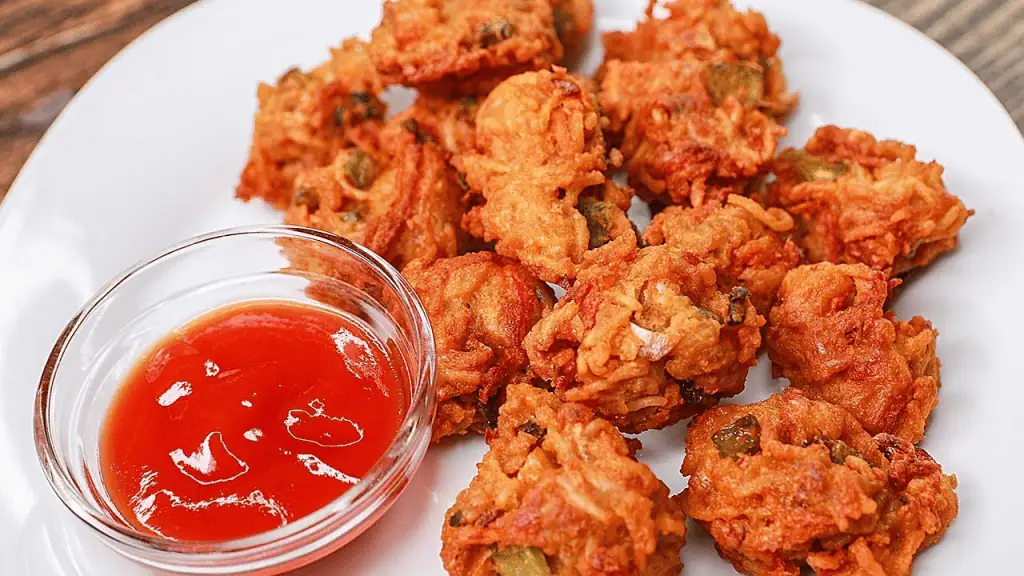
Maggi pakora videos thrive on controlled chaos. Watching soft, tangled instant noodles get mixed with batter and dropped into hot oil feels both wrong and irresistible. The transformation from limp noodles to crisp, irregular fritters creates a texture shift that’s oddly satisfying on screen. For some regions, this snack is deeply nostalgic, tied to rainy days and hostel cooking. For others, it’s entirely new, discovered through viral clips. The appeal lies in familiarity colliding with reinvention, turning a humble pantry staple into something dramatic and snackable.
Butter Garlic Momos

Butter garlic momos dominate short-form video because they amplify everything people already like about momos. Tossed in butter, loaded with chopped garlic, and finished sizzling hot, they glisten aggressively on camera. The heavy coating makes every bite look richer and more indulgent than the steamed original. While momos themselves are widely known, this Indo-Chinese street-style version feels more performative than practical. Many viewers have seen butter garlic momos dozens of times online without ever eating them, which keeps the dish living more as a spectacle than routine food.
Makhani Fries
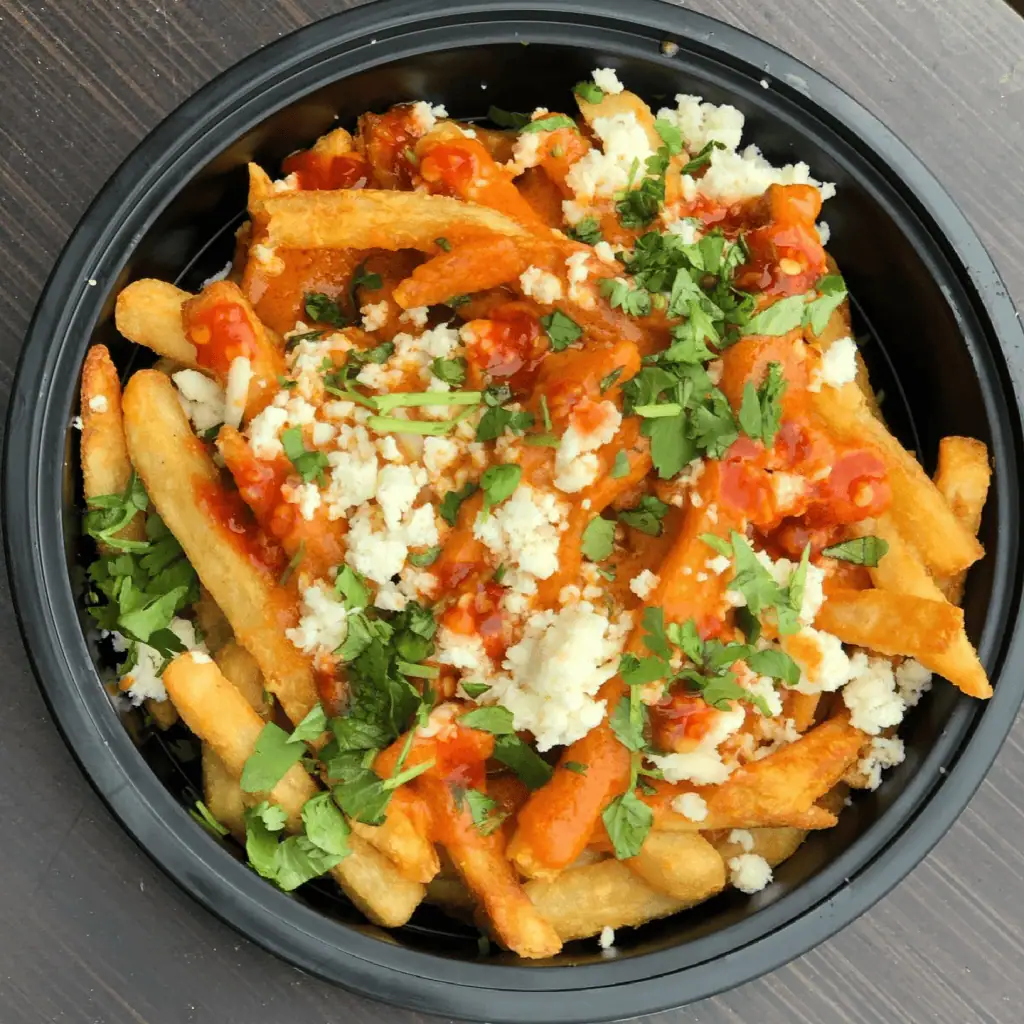
Makhani fries spread because they look unapologetically excessive. Crisp fries drowned in butter chicken style gravy create a visual clash that instantly grabs attention. Western fast food meets rich Indian curry, blurring boundaries in a way that feels both familiar and shocking. On camera, the sauce pooling, dripping, and coating every fry delivers maximum visual payoff. The dish isn’t trending because it’s balanced or refined, but because it leans fully into indulgence. That sense of excess makes it endlessly shareable, even for viewers who never plan to order it themselves.
Paneer Popcorn

Paneer popcorn has gone viral because it compresses indulgence into perfectly snackable bites. Tiny cubes of paneer are battered and fried like popcorn chicken, creating a crunchy exterior with a soft, milky center that looks endlessly dip-worthy on camera. The small size makes looping clips especially satisfying handfuls dropped, scooped, and dunked without pause. Visually, it reads as familiar yet novel, borrowing cues from Western snacks while staying recognizably Indian. Despite heavy online visibility, paneer popcorn is still far from a standard menu item, which adds to its curiosity factor.
Cheese-Stuffed Aloo Pattice
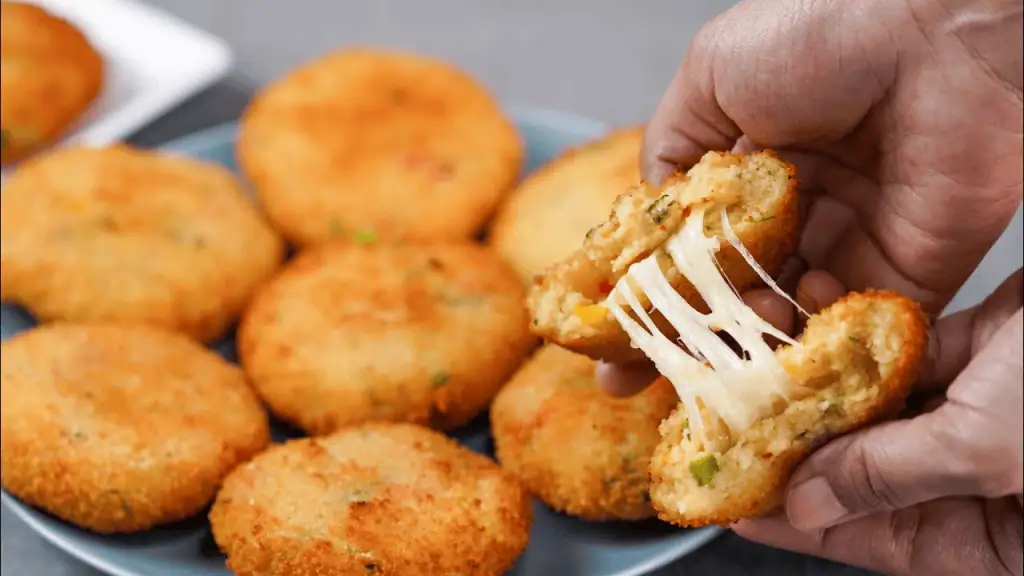
Cheese-stuffed aloo pattice dominates reels because it turns a familiar snack into a dramatic reveal. While aloo pattice itself is widely known, social media versions exaggerate the filling, packing in molten cheese that stretches endlessly when broken open. The slow pull becomes the focus, often overshadowing the potato and spice entirely. Viewers recognize the shape and frying process, but many don’t realize what the dish is actually called. Its popularity comes less from tradition and more from visual payoff, where cheese transforms nostalgia into spectacle.
Tandoori Mayo Chaat

Tandoori mayo chaat thrives online because it looks intentionally chaotic. Fried bases are drenched in tandoori-spiced mayonnaise, then layered with classic chaat toppings, creating a messy, glossy finish that grabs attention instantly. The creamy sauce clashes visually with chutneys, onions, and spices, making every bite look overloaded and intense. While reels make it seem ubiquitous, the snack is still mostly limited to trend-driven street stalls. Its appeal lies in excess familiar chaat elements pushed just far enough to feel new, bold, and algorithm-ready.


