
14 Incredible Historical Food Facts You Probably Didn’t Know

Diving into the world of historical food facts offers not only a glimpse into culinary evolution but also insights into the cultural impact of these ingredients. Each staple or delicacy we enjoy today was once a cornerstone of diet, trade, or even ritual. Understanding these foods' pasts enriches our appreciation and enhances our culinary experiences, adding depth to every bite taken. Here, we explore four pivotal ingredients that shaped civilizations across the globe.
Bananas: The First Cultivated Fruit
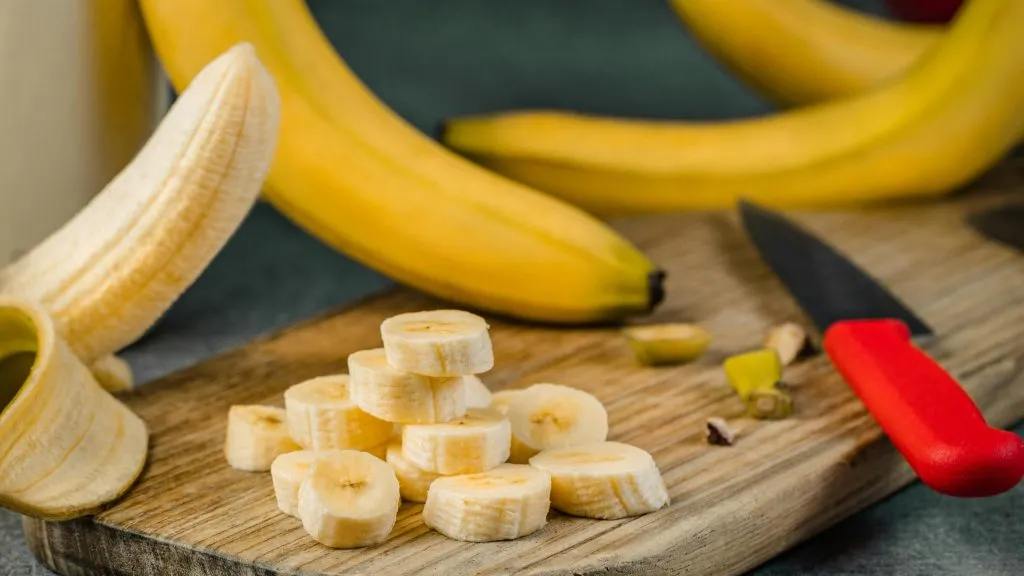
Bananas hold the title of being the first fruit cultivated by humans, tracing back to Papua New Guinea around 7,000 years ago. Their cultivation demonstrates early agricultural advancement, as humans selectively bred wild varieties for endearing qualities like sweetness and texture. Modern bananas are a far cry from their ancient counterparts, benefiting from centuries of refinement for optimal ripeness and flavor. This storied past makes today's bananas not only nutritious but a testament to human ingenuity in agriculture.
Honey: The Never-Spoiling Sweetener

Honey's natural preservation ability made it a treasured staple throughout history. It never spoils due to its low moisture and high acidity, a fact known to ancient civilizations that used it both as a sweetener and a preservative. The Egyptians valued honey so highly it was used in religious rituals and as offerings to the gods. For home cooks, honey's versatility shines in everything from marinades to baked goods, adding depth of flavor and a touch of natural sweetness that stands the test of time.
Chocolate: Once a Precious Currency

Long before it became the beloved confection we know today, chocolate was utilized as currency by the ancient Mesoamericans. The Aztecs and Mayans revered cacao beans so greatly that they played a role in trade and ceremonial offerings. Today, chocolate’s complex flavor profile—ranging from bitter to sweet—invites endless culinary applications, from decadent desserts to savory dishes. Understanding its rich history adds an layer of appreciation every time you savor a piece of fine chocolate.
Salt: A Catalyst for Ancient Trade

Revered as one of the earliest commodities in human history, salt catalyzed ancient trade and economic systems. Its ability to preserve food was revolutionary, extending harvests and expanding reach to distant regions. Salt's crucial role is reflected in language itself, with the word ‘salary' derived from the Roman tradition of paying soldiers with salt rations. In modern cooking, salt remains indispensable, accentuating flavors and balancing dishes, a testament to its lasting impact across culinary timelines.
Potatoes: Fueling the Incan Empire
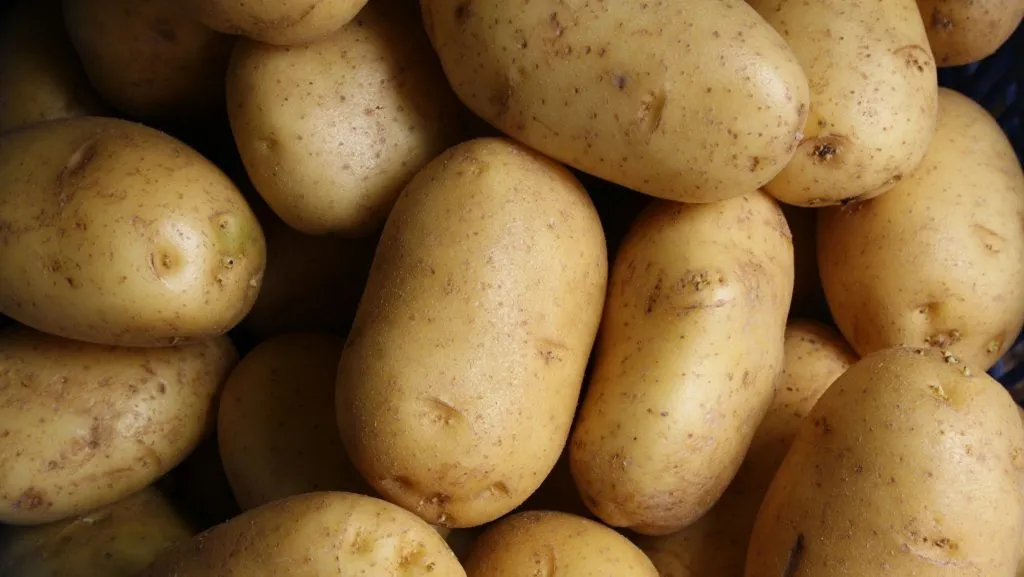
The potato was a vital agricultural staple for the Incas, thriving in the high altitudes of the Andes. Its nutritional profile, packed with carbohydrates and essential nutrients, made it an invaluable source of sustenance. The Incas developed chuño, a freeze-dried potato, which could be stored for years, serving as a critical food resource during harsh winters. This ability to preserve potatoes ensured food security and sustained their civilization, underscoring the potato's role as both a dietary cornerstone and a strategic asset.
Black Pepper’s Influence on Exploration
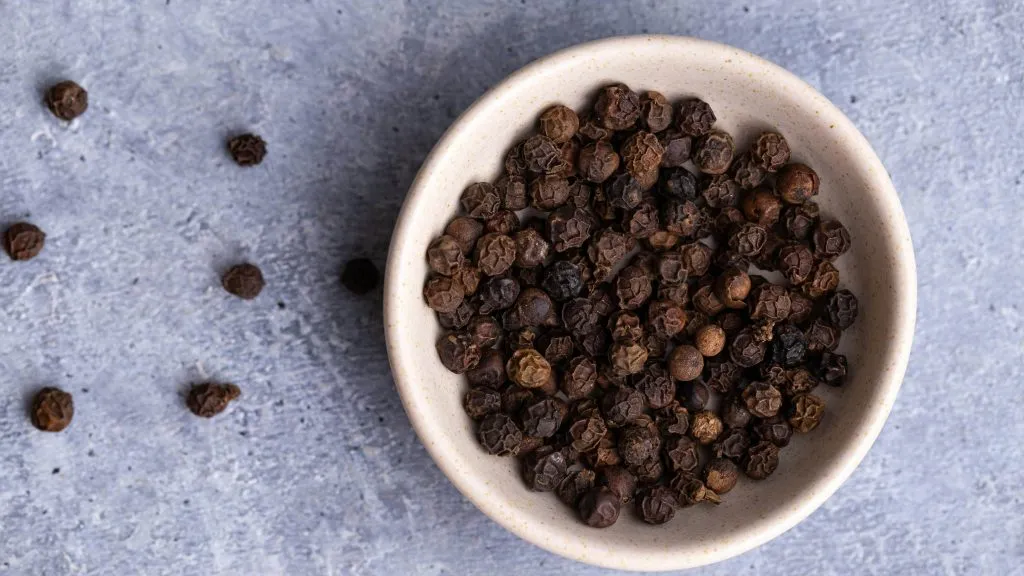
Black pepper, once a highly coveted spice, played a crucial role in driving global exploration. Its rarity and value inspired European explorers to seek new trade routes to the East, spurring significant maritime advancements. The spice's ability to enhance flavor and preserve foods made it indispensable in European cuisine. The quest for pepper and other spices not only reshaped culinary traditions but also altered the course of history, opening new worlds and expanding cultural horizons through the spice trade.
Garum: Ancient Rome’s Fishy Condiment

Garum, a fermented fish sauce, was a culinary staple in ancient Rome, akin to soy sauce in Asian cuisine. Made by fermenting fish parts with salt, it offered a robust umami flavor that enhanced a wide range of dishes. Romans valued its savory depth, using it in everything from meats to vegetables and even desserts. The production of garum was a thriving industry, with recipes varying by region, showcasing its integral role in the culinary practices and economic landscape of the Roman Empire.
Pasta: A Contested Italian Origin
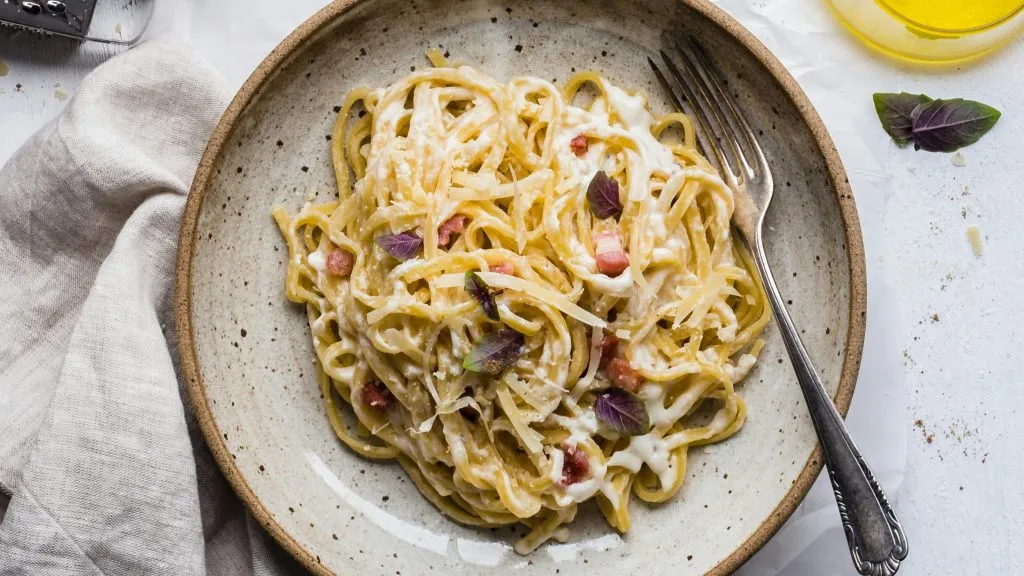
The origins of pasta are a subject of historical debate, often considered quintessentially Italian. However, early forms were made in China and by the Arabs before reaching Italy. The introduction of durum wheat by Arab traders to Sicily in the 9th century is credited with popularizing pasta in Italy. Its durability made it an ideal food for long voyages, contributing to its widespread adoption. Today, pasta remains a symbol of Italian culinary heritage, its journey reflecting cultural exchanges over centuries.
The Original Sandwich from 1762

The sandwich owes its name to John Montagu, the 4th Earl of Sandwich, who reportedly ordered meat tucked between bread to avoid interrupting his gaming sessions. This practical meal comprised simple ingredients: slices of roast beef between pieces of bread, offering convenience without utensils. Its earliest appeal lay in its simplicity and ease of consumption. This handheld creation has since evolved into countless variations, maintaining the essence of portability and versatility that fueled its enduring popularity.
Chewing Gum: Ancient Greek Origins

The practice of chewing gum dates back to the ancient Greeks, who masticated a resin called mastiche, derived from the mastic tree. This resin was prized for its refreshing properties and subtle flavors, serving both as a breath freshener and a means to clean teeth. To emulate this, consider the textural balance in modern gum, emphasizing resilience and taste. The Greeks' use of mint and other herbs inspired the incorporation of natural flavors, adding a layer of historical authenticity to today’s varieties.
Coffee: Once Banned in Mecca

Coffee's rich aroma and stimulating effects once led to its ban in Mecca during the 16th century due to suspicions of its intoxicating properties. The ritual of coffee brewing, whether via a traditional cezve or modern espresso machine, honors its storied past. Focus on extracting rich flavors by maintaining precise water temperatures and grind consistency. This attention to detail enhances the coffee's natural complexity, turning each cup into a nod to its controversial yet beloved history.
Bread: From Egyptian Feast to Basic Staple
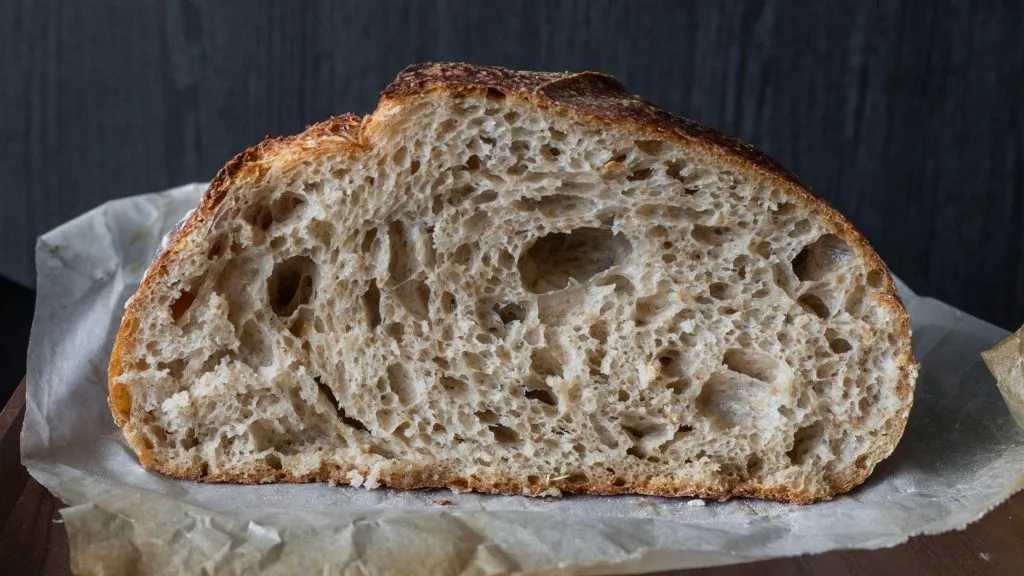
Bread's origins trace back to ancient Egypt, where early sourdough techniques laid the foundation for countless variations. Mastering bread involves understanding the interaction of yeast and time. Embrace slow fermentation to develop depth and flavor, highlighting its aromatic, airy crumb and golden crust. A successful loaf respects these ancient methods, transforming humble ingredients into something extraordinary. Each step, from kneading to baking, connects us to centuries of tradition.
Tea: A Brewed Revolution in Boston

Tea’s pivotal role in history is underscored by the Boston Tea Party of 1773, signifying a blend of culture and resistance. The art of brewing tea lies in balancing steeping time and temperature to extract optimal flavor. Select quality loose leaves, appreciating their nuanced aroma and taste. Whether enjoying a robust black tea or a delicate green, the focus remains on honoring the crafted ritual that has united communities worldwide and inspired pivotal historical movements.
Tomatoes: Once Feared as Poisonous

Tomatoes’ vibrant presence in culinary arts was once overshadowed by fears of their toxicity in 18th-century Europe. Appreciating tomatoes begins with selecting peak-season varieties that offer balance between acidity and sweetness. Understanding the transformation of tomatoes—through roasting for intensified flavor or gently simmering into a sauce—allows them to shine. Their journey from feared to favored highlights the blend of curiosity and taste evolution in cooking, inviting endless culinary possibilities.


