
Why Chefs and Home Cooks Are Reviving Ancient Foraging Traditions

Reviving ancient foraging traditions is gaining traction among chefs and home cooks. The practice of sourcing food from the wild is celebrated for its ability to connect us with nature's unrefined flavors. This movement highlights ingredients that are often overlooked, promoting a deeper appreciation for diverse ecosystems. Foraging not only enriches our culinary experiences but also encourages a sustainable approach to food, emphasizing the environmental and nutritional benefits of these naturally abundant resources.
From Survival to Culinary Art

Foraging, once a survival necessity, has now transformed into a sophisticated culinary art. Ancient skills are being reinterpreted by modern chefs, who use wild ingredients to create innovative dishes. These foraged elements, bursting with unique flavors and textures, lend an authenticity to cuisine that processed products cannot replicate. Mastering this craft involves understanding the delicate balance of nature, respecting its boundaries while enhancing one's kitchen repertoire with truly organic components.
Why Chefs Are Going Wild

Chefs are turning to wild foods to inspire creativity and authenticity. These ingredients, dandelion greens, wild garlic, elderberry, allow chefs to craft dishes that tell a story of place and season. By using what nature provides in its own time, they bring unparalleled freshness and intensity of flavor to the table. This approach requires a keen awareness of local biodiversity and seasons, rewarding those willing to learn with dishes that surprise and delight the palate.
Seasonal Gems Beyond Grocery Aisles
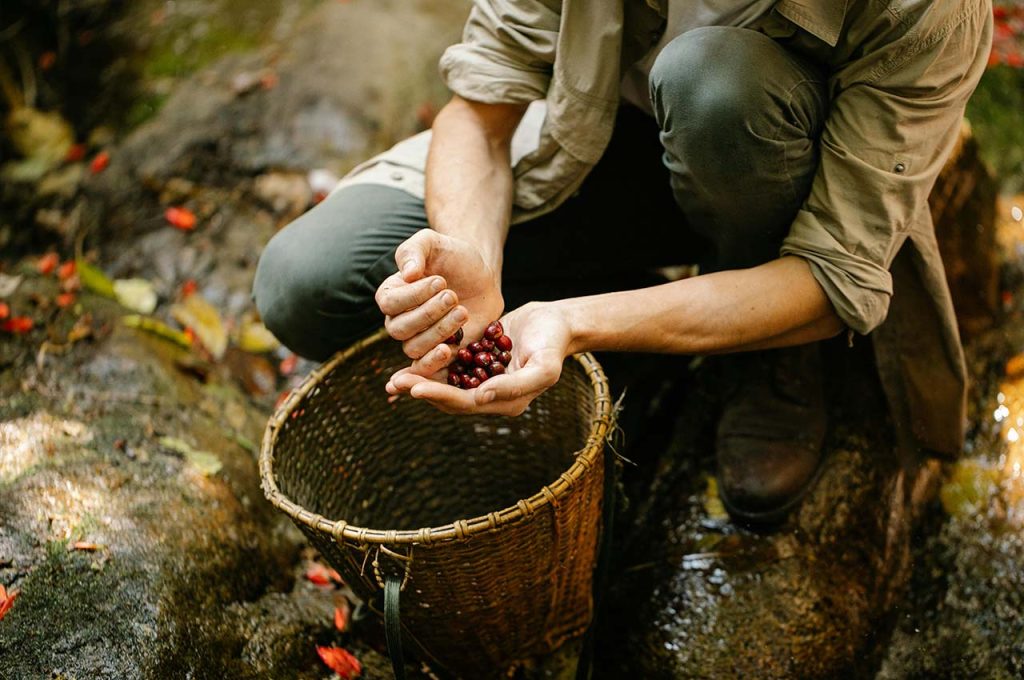
Beyond the aisles of supermarkets lies a world of seasonal splendor. Foraged ingredients like ramps, morels, and sea beans offer flavors unattainable from conventional produce. Their availability is brief, providing an incentive to learn the rhythms of nature's offerings. By harvesting these ingredients at their peak, cooks can capture fleeting flavors that elevate everyday meals. This awareness transforms cooking into an ongoing exploration rather than a habitual act.
Foraged Foods and Sustainability

Foraging supports sustainability by promoting ecological balance and reducing dependence on industrial agriculture. It encourages a respectful interaction with natural habitats, where taking only what you need ensures food sources remain vibrant for future generations. This mindful approach reduces food miles and waste, contributing to a more sustainable food system. By integrating foraged foods into their cooking, individuals not only enrich their menus but also advocate for environmental stewardship.
Home Cooks Embrace Foraging Craft

Foraging is gaining momentum among home cooks keen on sourcing their own ingredients directly from nature. This practice doesn't merely provide an abundance of wild plants, mushrooms, and berries but emphasizes self-sufficiency and sustainability. Engaging with this craft encourages a meticulous connection with the seasons and local ecosystems. As cooks gather ingredients, they're exposed to new textures and flavors, enriching their culinary repertoire beyond conventional supermarket offerings. Identifying and harvesting these ingredients requires patience and observation, fostering a deeper understanding of the natural world.
Safety First: What's Edible, What's Not
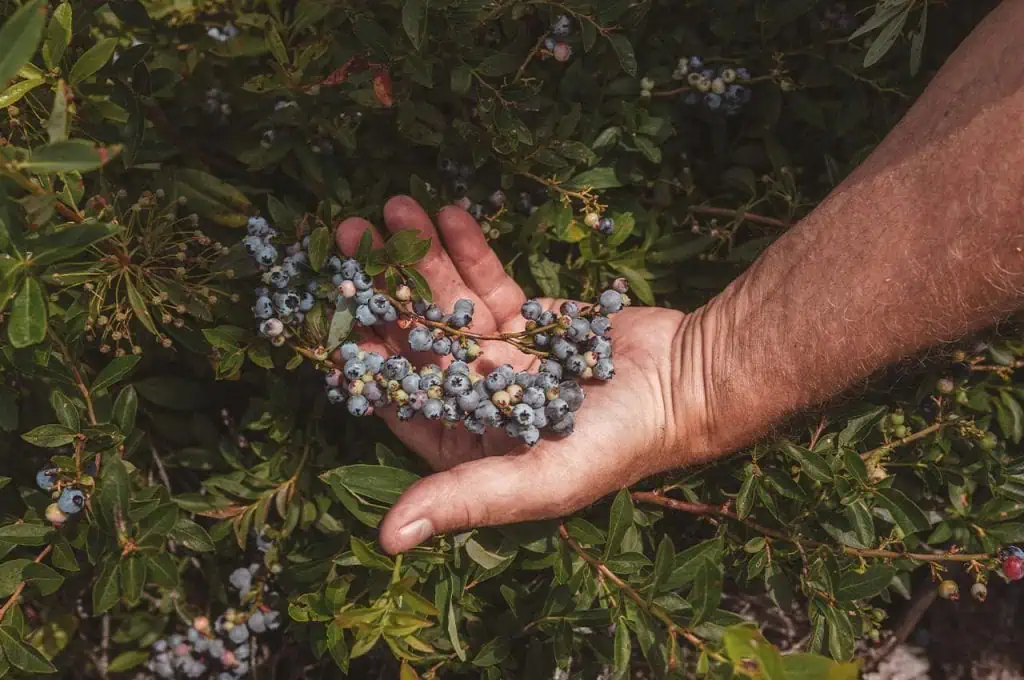
Ensuring safety is paramount when foraging, as distinguishing edible from toxic plants is crucial. Beginners should study field guides and consider joining foraging workshops or expeditions with experienced guides. Familiarity with plants such as dandelions and wild garlic, which have distinctive markers, can offer confidence. It's vital to avoid anything you're uncertain about and adhere to the rule of tasting a new plant slowly and sparingly. Remember to research the specific ecological area, as the edible parts of seemingly familiar plants may vary. Prioritize preparation methods that enhance digestibility and flavor.
Reviving Regional Foraging Traditions

Reviving foraging traditions revives a bridge to cultural heritage, unlocking ancestral knowledge of harvesting and preparing local wild foods. Different regions offer unique varietals; for example, the American Midwest is rich with morels, while the Mediterranean boasts an abundance of wild fennel. By rediscovering these practices, cooks not only preserve valuable traditions but also reinvigorate interest in local biodiversity. Sharing stories and recipes inspired by regional foraged foods deepens community connections and opens a dialogue between past and present culinary practices.
Wild-Grown Foods for Better Health

Foraged foods are nutrient-dense, offering health benefits that often surpass their cultivated counterparts. Filled with vitamins, minerals, and antioxidants, these wild ingredients contribute to a balanced diet when responsibly sourced. Wild greens like nettle and purslane offer high levels of omega-3 fatty acids. Consuming a variety of foraged foods encourages dietary diversity, which has been linked to improved health outcomes. Incorporating these elements into meals increases flavor complexity while promoting well-being, making foraging an inherently rewarding practice both for nutritional value and culinary exploration.
Foraging: Reconnecting With Nature

Foraging fosters an intimate relationship with the environment, allowing cooks to reconnect with nature's cycles and nuances. This practice invites a mindfulness that transforms meal preparation into a contemplative act. By sourcing directly from the earth, foragers gain a renewed appreciation for the land's bounty and beauty. Walking through forests and fields sharpens awareness of natural habitats and promotes a respectful, holistic approach to food. This connection nurtures an ethic of stewardship, encouraging sustainable practices that honor the land and its resources, creating a lasting impact on both the environment and individual well-being.
Blending Ancient Practices With Cuisine

Integrating ancient foraging methods into modern cooking offers both depth and sustainability to our culinary efforts. Home cooks and chefs can explore local, seasonal produce by learning which wild plants are safe and flavorful. For example, consider incorporating wild ramps or stinging nettles into your repertoire. These ingredients infuse dishes with fresh, earthy notes and are rich in nutrients. Pair nettles with pasta for a unique pesto or add ramps to omelets for a vibrant twist. Experimenting with these treasures requires attention to detail, especially with cleaning and preparation, ensuring flavors are bold, balanced, and reminiscent of nature’s bounty.


