
10 Foods Boomers Ate all the Time and Still Miss Today

Food culture during the Boomer era was shaped by convenience, postwar optimism, and deep trust in food manufacturers. Nutrition labels were minimal, scientific research was limited, and parents relied heavily on advertising and product availability when making choices. The main concern was that children were full and meals were affordable, not the long-term impact of ingredients. Looking back, many everyday foods from that time feel shocking by today’s standards, not because parents didn’t care, but because expectations around health, sugar, and food processing were entirely different.
Sugary Breakfast Cereals

Sugary breakfast cereals were a daily staple for many Boomers, not an occasional treat. Brands marketed them as wholesome, energizing starts to the day, often highlighting added vitamins while downplaying sugar content. Children routinely ate bowls packed with marshmallows, artificial colors, and refined grains before school. Parents trusted cereal companies and valued speed and convenience. Today’s parents, far more aware of sugar’s impact on behavior and health, would likely see these cereals as desserts rather than acceptable breakfast food.
TV Dinners

Frozen TV dinners were embraced as a symbol of modern living, not nutritional compromise. Families viewed them as efficient, futuristic, and reliable. The aluminum trays filled with meat, potatoes, and dessert felt complete and satisfying. Sodium levels, preservatives, and processing methods were rarely questioned. For many Boomers, these meals were regular weeknight dinners. Modern parents, who often avoid highly processed frozen meals for children, would likely be shocked by how normalized TV dinners once were.
Tang and Powdered Drinks

Tang and similar powdered drink mixes were heavily promoted as healthy and even scientific. Marketed with images of astronauts and vitamins, they replaced water or juice in many households. The high sugar content was rarely discussed, and the idea of hydration wasn’t well understood. Children drank these beverages daily without concern. Today’s parents, who closely limit sugary drinks and artificial additives, would find the routine consumption of powdered drinks for kids deeply concerning.
White Bread and Margarine

Soft white bread paired with margarine was a household standard for many Boomers. It was inexpensive, filling, and aggressively marketed as practical, modern food for growing families. Margarine often hydrogenated was promoted as a healthier, more scientific alternative to butter, and most parents accepted that message without question. Whole grains were rarely discussed, and fiber wasn’t considered important for children’s diets. Many kids ate several slices a day through sandwiches, toast, or snacks. Today’s parents, who prioritize whole grains and natural fats, would likely see this once-normal combination as nutritionally empty, outdated, and surprisingly lacking in balance.
Hot Dogs and Processed Meats

Hot dogs, bologna, and luncheon meats were lunchbox essentials, eaten frequently without worry. They were affordable, shelf-stable, and easy to prepare. Parents didn’t think twice about preservatives, sodium, or additives. These foods were associated with picnics, school lunches, and quick dinners. Today’s parents are far more cautious about processed meats and their long-term health effects, making the frequency with which Boomers ate them seem shocking.
Jell-O Salads
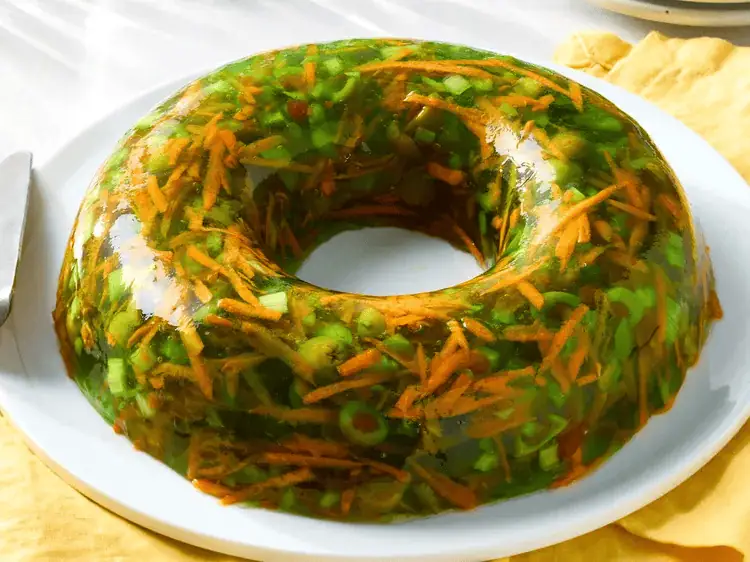
Jell-O salads were a regular part of family meals and gatherings, not novelty items. Mixed with fruit, marshmallows, whipped cream, or even vegetables, they blurred the line between side dish and dessert. Artificial colors and sugar weren’t considered problematic. These dishes were seen as fun, economical, and appropriate for children. Modern parents, often wary of artificial dyes and excessive sugar, would likely find these gelatin-heavy dishes especially alarming.
Sugary Baked Goods as Snacks

Packaged cookies, snack cakes, and pastries were everyday after-school snacks for many Boomers, not occasional indulgences or special rewards. Portion control wasn’t a focus, and eating sweets daily was widely accepted. Parents often saw these foods as convenient, harmless ways to keep kids full and content until dinner. Little attention was paid to added sugar, ingredients, or long-term effects. Today’s parents are far more cautious, prioritizing balanced snacks with protein or fiber. Compared to modern standards, the relaxed attitude toward sugary baked goods in the Boomer era now feels excessive and surprisingly risky.
Soda as a Regular Drink

Soda was a routine beverage in many Boomer households, served regularly with meals and snacks rather than saved for special occasions. Parents rarely worried about caffeine, sugar content, or dental health the way families do today. For many children, soda was a normal replacement for water or juice. The long-term health effects of frequent sugary drink consumption were not widely discussed or understood. Compared to modern parenting norms that emphasize hydration and limit sweetened beverages, the casual, everyday role soda once played in children’s diets would likely shock many parents today.
Canned Foods at Every Meal

Canned vegetables, soups, and meats were everyday staples in Boomer-era kitchens. Fresh produce wasn’t always easy to find year-round, and when it was available, it could be expensive. Canned foods were heavily marketed as modern, safe, and dependable, making them feel like a smart household choice. Sodium levels, preservatives, and additives weren’t major concerns at the time. Many children ate canned foods several times a day without question. Today’s focus on fresh, whole, and minimally processed foods makes that level of reliance on canned meals during childhood seem extreme by modern standards.
School Lunches Heavy on Processed Foods

School lunches during the Boomer era often revolved around processed meats, white bread, canned vegetables, and sugary desserts. Nutrition standards were minimal, and balanced meals were not a major concern. Cafeteria food was considered successful as long as it was filling and affordable. Little attention was paid to sugar, sodium, or overall nutritional value. Today, parents expect school lunches to include fresh fruits, vegetables, and whole grains. Compared to modern expectations, past cafeteria menus now appear shockingly unregulated and nutritionally careless by current standards.


