
15 ‘All-American’ Foods Other Countries Also Claim as Their Own

Exploring the world of food reveals that many dishes celebrated as American treasures have roots and tales woven across different continents. These culinary creations are rich in history and flavor, embodying shared traditions. Here, we delve into some iconic “All-American” foods that are, in fact, claimed by other nations too. Understanding their origins adds depth to our appreciation and encourages us to respect the diverse influences that shape our diets.
Apple Pie: A Sweet Transatlantic Tale
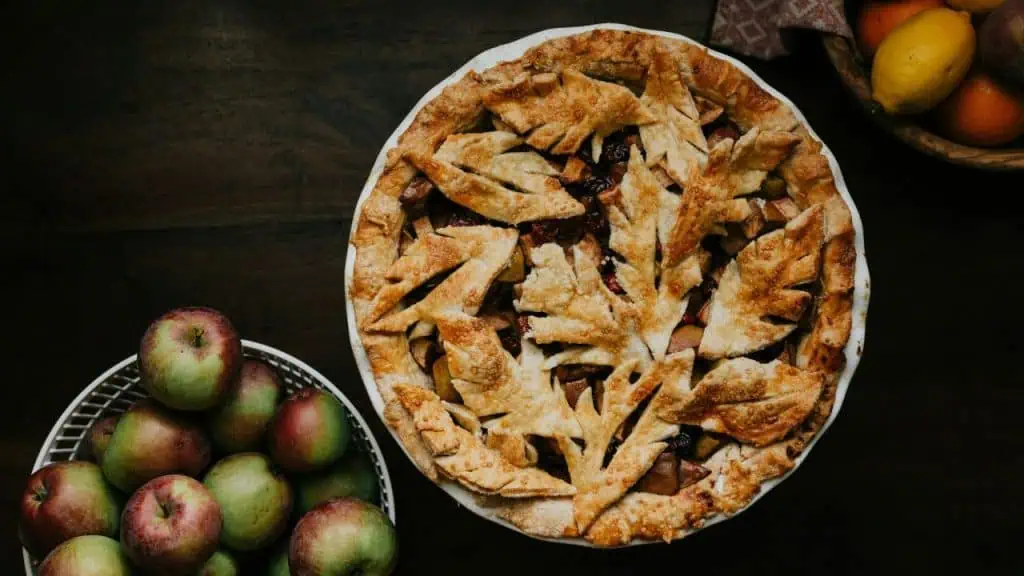
Apple pie is often hailed as the quintessential American dessert, yet its origin story spans the Atlantic. The settlers brought apple pie recipes from Europe, especially England and the Netherlands. Flourishing in the New World, it adapted to incorporate local ingredients like sugar and spices. Focus on technique by ensuring your pastry is buttery and flaky. Precook your apples slightly to release juices, yielding a balanced filling. This is a dessert of nostalgia and transcontinental legacy.
Hamburgers: From Hamburg to Heartland

Hamburgers may be synonymous with American cuisine, yet they trace back to Hamburg, Germany, where minced beef patties were common. Emigrants adapted the dish in the U.S., placing patties between buns for convenience. To enhance your burger, select quality ground beef with a good fat ratio for flavor. Season simply with salt and pepper, allowing the meat’s essence to shine. Handle the patties gently to maintain juiciness. Accompaniments can vary, but the essence remains rooted both locally and abroad.
Hot Dogs: A Sausage Dispute

Hot dogs are a staple at American barbecues and sporting events, yet their lineage stems from Germany. The Frankfurter sausage was a German favorite long before it graced American buns. To perfect your hot dog, choose sausages with a natural casing for a satisfying snap. Grill them gently to avoid bursting, and explore toppings ranging from tangy sauerkraut to classic mustard. This street food classic embodies German-American culinary synergy, celebrated in both lands.
French Fries: Belgian Golden Sticks
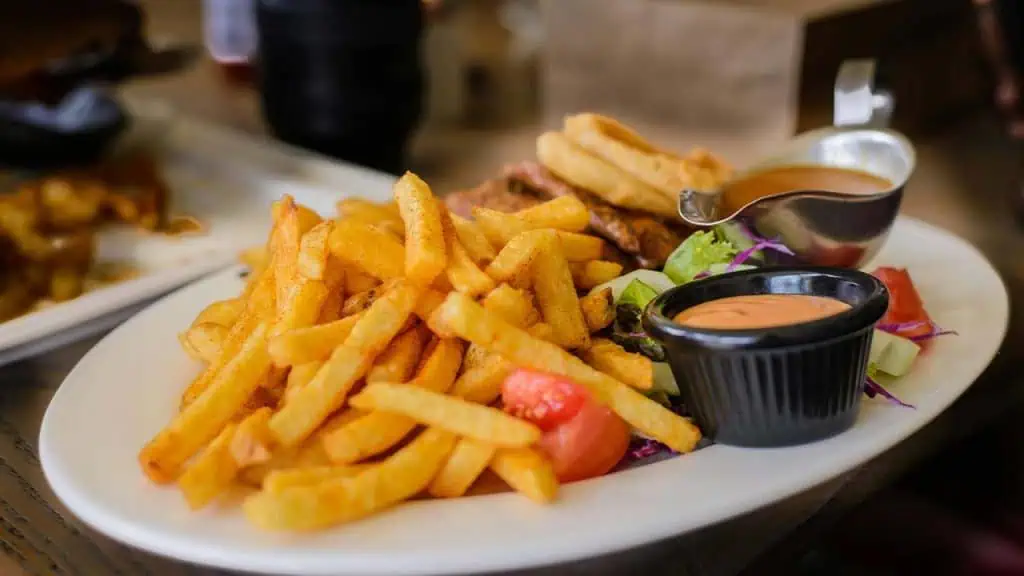
French fries are cherished alongside burgers in the U.S., but their true origin is a matter of cross-channel debate. While the French claim their creation, Belgium ardently asserts they introduced these golden sticks. Perfect your fries by selecting starchy potatoes and double frying, first at a lower temperature for tenderness, then at a higher one for a crisp finish. The result is a satisfying balance of texture and taste, a testament to European ingenuity embraced by Americans.
Pizza Wars: Deep Dish vs. Italian Origins
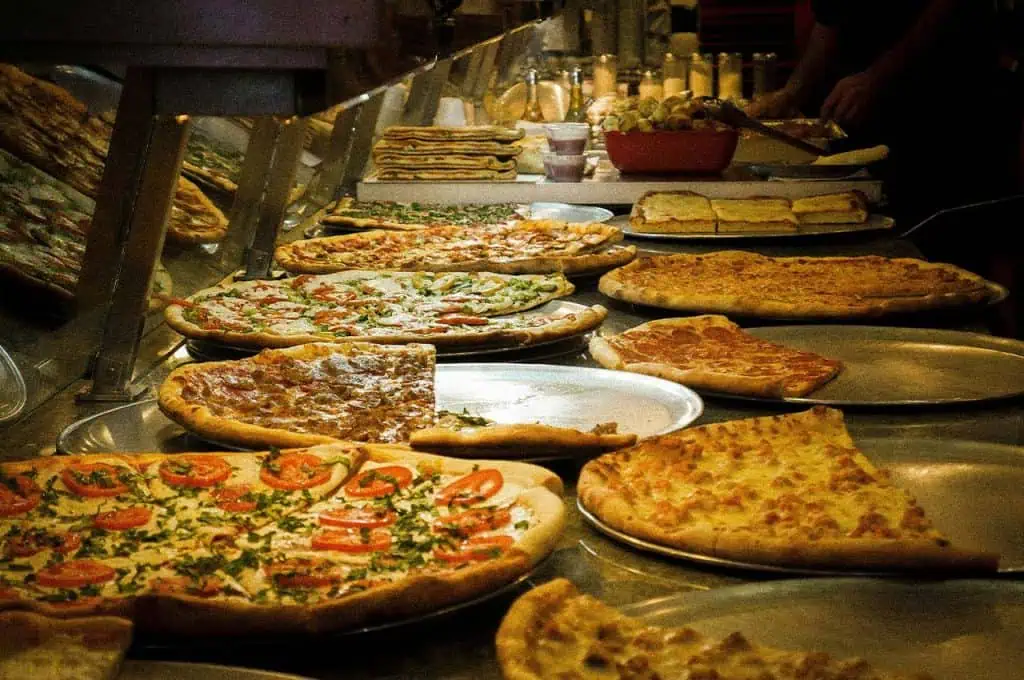
In the realm of pizza, the deep dish variety offers a hearty, cheese-laden contrast to its Italian thin-crusted cousin. Originating in Chicago, this American take boasts a flaky crust cradling generous layers of cheese and a robust tomato sauce. While Neapolitan pizza highlights simple toppings on airy dough, deep dish embraces indulgence with its thick base and abundant fillings. Achieving the perfect deep dish involves pressing dough into a well-oiled pan, ensuring crisp edges while maintaining a soft interior, a method that respects its Italian roots while celebrating American flair.
Fried Chicken: Scottish Seasoning

Fried chicken's iconic American status owes a nod to Scottish immigrants who introduced frying techniques. The interplay of a crispy, seasoned coating and tender meat defines this dish. Achieving perfect fried chicken begins with marination, allowing flavors to deeply infuse. A seasoned flour mix, typically with salt, pepper, and spices, creates a crispy coating when fried in hot oil. Monitoring oil temperature is crucial: consistent heat ensures even cooking without greasy results. Whether Southern-style or with international twists, this dish melds heritage with regional adaptations.
Barbecue: A Global Grilling Tradition

Barbecue is a shared culinary language spoken worldwide, each culture imparting its unique accent. American barbecue stands out with its smoke-infused meats, slow-cooked to perfection, often accompanied by region-specific sauces, from Kansas City's tangy tomato-based to Carolina’s vinegar-laced variations. Mastering barbecue requires patience and a keen understanding of heat management, encouraging the perfect blend of smoke and spice. Globally, distinct styles like Argentina’s asado or Korean bulgogi highlight barbecue’s adaptability and universal appeal, each with techniques worth exploring and adapting.
Donuts: Dutch Delight or American Icon?

Once a Dutch treat known as “olykoeks,” donuts evolved into an American favorite, especially with the introduction of the ring-shaped variety. The process begins with a yeast-leavened dough, leading to a soft, airy texture. Frying in hot oil provides the signature golden exterior, while glazes or toppings add layers of flavor and texture. Precision in dough rising and careful frying prevent greasiness and ensure a delightful bite. The donut remains a canvas for culinary creativity, bridging its European origins with American innovation, inviting diverse interpretations.
Mac and Cheese: Transatlantic Comfort

Mac and cheese, though deeply rooted in American comfort food culture, also traces back to European influences. The dish’s allure lies in its simplicity, pasta enrobed in a creamy cheese sauce. The key to a smooth sauce is a well-prepared béchamel, where butter, flour, and milk combine before melting in a mix of cheeses, providing depth and richness. Baking develops a golden crust, adding texture and visual appeal. Whether prepared traditionally or with added flavors like bacon or truffles, mac and cheese exemplifies comfort through its versatile, soothing nature.
Pancakes: A Worldwide Breakfast Staple

Pancakes are a beloved breakfast delight known across the globe, each culture adding its distinct twist. While Americans enjoy fluffy, golden stacks drizzled with syrup, similar versions like French crêpes or Russian blini showcase regional tweaks. Key to mastering pancakes is achieving the right consistency in batter; slightly lumpy ensures fluffiness. Use a hot, lightly greased skillet for even cooking, flipping only when bubbles form on the surface. This universal favorite thrives on variation, experiment with toppings or fillings to suit taste and tradition.
Meatloaf: A Hearth Around the World
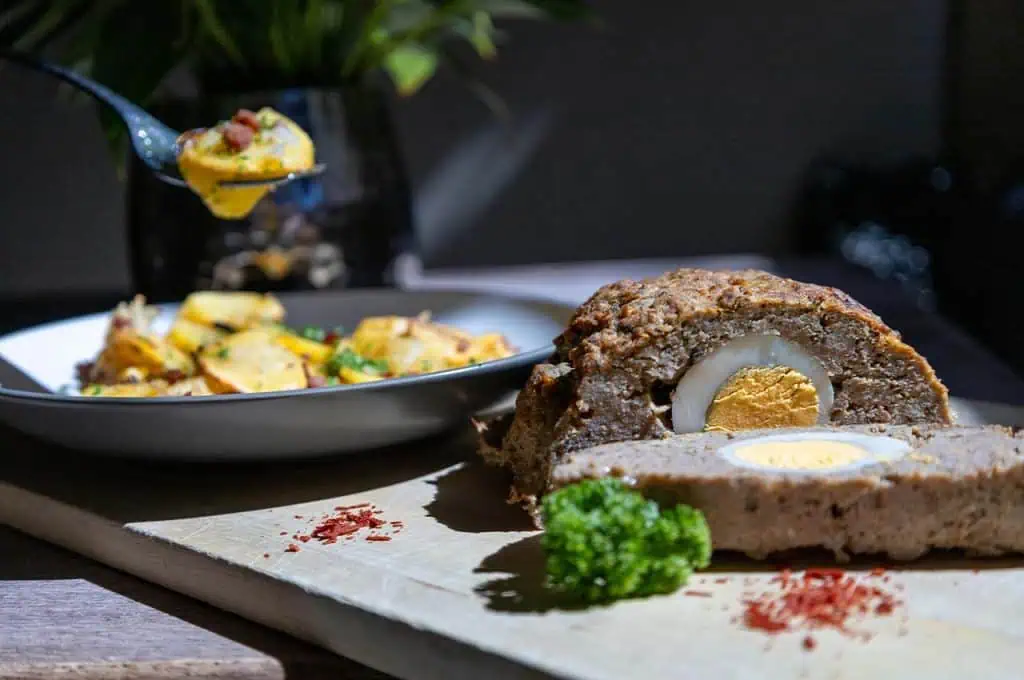
Meatloaf holds a cherished spot at family dinners but claims roots beyond American tables. Variations like Germany’s Hackbraten or Italy’s Polpettone highlight its international appeal. Ensuring moistness is key; incorporate breadcrumbs soaked in milk and a blend of meats for depth. Don’t rush its preparation; allow resting after baking to enhance flavors. Consider country-specific spices or herbs for an authentic touch, and serve with a complementary sauce, perhaps gravy or a tomato-based option. Meatloaf’s adaptability keeps it a global classic.
Peanut Butter: Canadian Creation?

Often seen as quintessentially American, peanut butter actually traces innovation to Canada’s Marcellus Gilmore Edson in the late 19th century. Its creamy texture and nutty richness have since won heart across continents. Creating homemade peanut butter is simple: roast peanuts to release their natural oils, then process until smooth, seasoning with a pinch of salt or honey. The key lies in achieving personal texture preferences, whether chunky or silky. Its versatility in both sweet and savory dishes makes peanut butter a pantry staple worldwide.
Cornbread: Indigenous and Ingenious
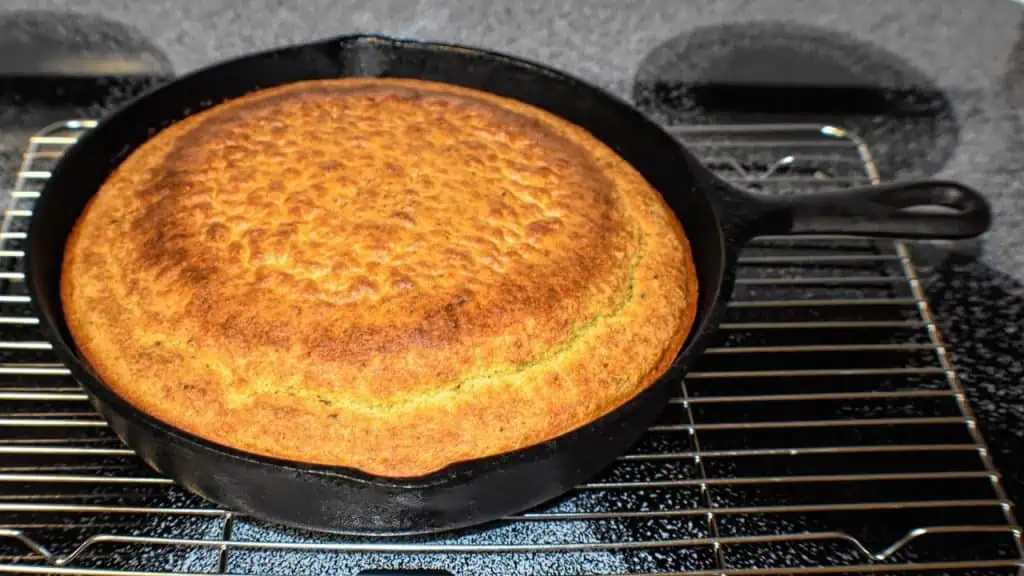
Cornbread, a simple yet delightful treat, owes its roots to indigenous American tribes who utilized maize as a dietary cornerstone. Through fusion, it adapted into forms like Southern skillet cornbread. The trick to the perfect cornbread lies in balancing tenderness with a firm crust; using a preheated cast-iron skillet helps achieve this texture. Incorporating buttermilk or yogurt adds a tangy moisture, while a spoonful of honey can sweeten the flavor profile. Cornbread's hearty taste and crumbly texture make it a versatile accompaniment to many dishes.
Biscuits: British Biscuits vs. American Bread
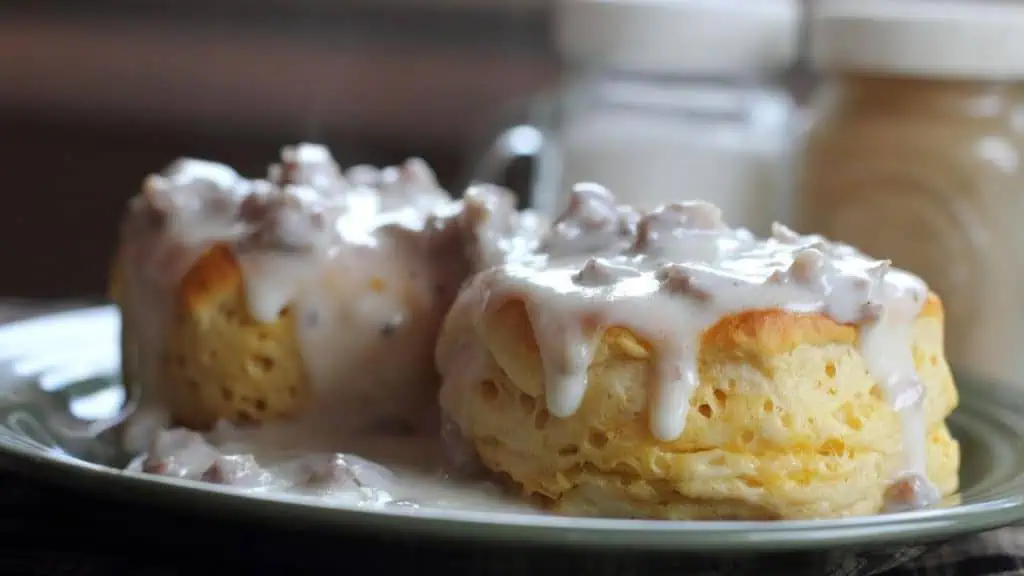
While British biscuits resemble what Americans call cookies, American biscuits are akin to a delicate bread, flaky and buttery. The method involves cutting cold fat into flour to create layers, followed by a gentle folding of the dough. Use a sharp cutter, pressing down without twisting, to ensure high-rise biscuits. Serve them warm, slathered in butter or paired with gravy. This simple yet delightful addition to meals illustrates culinary differences, yet holds universal appeal through its comforting, homely nature.
Chili: Spicy Bridging of Borders

Chili is a hearty, flavorful dish that encapsulates a blend of cultures. To craft an exceptional chili, begin with high-quality ground beef or a textured vegetable protein for a meatless version. Brown the meat thoroughly to develop depth, then add onions and garlic for a savory base. Use a mix of chili powders and cumin to balance heat and earthiness. Incorporate crushed tomatoes and kidney beans for thickness and texture. Simmer slowly to meld flavors before finishing with a touch of lime for acidity. Remember, the key lies in the simmer, allowing spices to penetrate each ingredient fully.


